
Film
The Negro Soldier
A 1944 military documentary that chronicles African-American soldiers' contributions to World War II. Blending interviews, dramatised sequences, and combat footage, it's both propagandistic and genuinely moving—a film made within the machinery of segregation that still manages to assert dignity and demand recognition. Essential viewing for understanding how Black Americans fought a war on two fronts.
Should you watch it?
Watch it if you are curious how wartime cinema argued for equality, and you enjoy earnest, sermon-like films that mix history with a small dramatized frame, the way old government shorts did.
Skip it if the rhetoric is plainly pitched at persuading you, so if you want an open-ended documentary that lets history speak for itself, its earnest didacticism will grate.
What it asks of you: It runs under an hour and moves in brisk, plain-spoken blocks, asking you to sit through direct address and patriotic montage rather than a plot you have to follow.
Not sure? Find tonight's pick in a minute.
If you liked this
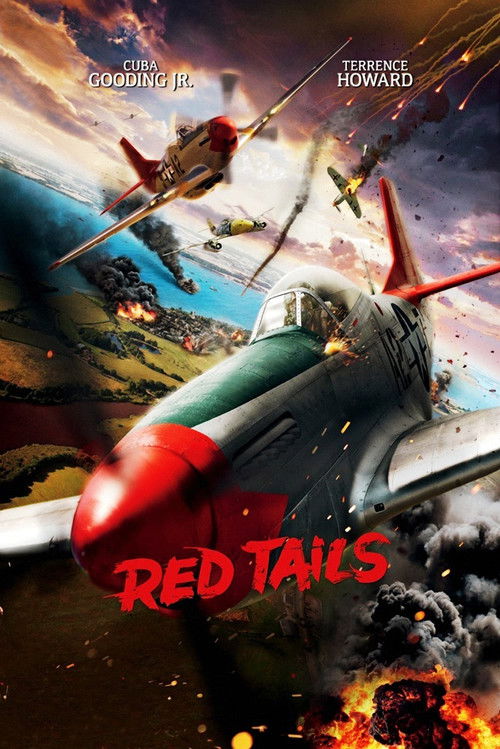
Red Tails2012
Tells the story of the Tuskegee Airmen with visual spectacle and genuine heroism. A direct spiritual successor to the arguments The Negro Soldier was making—proof of what Black pilots could do when given the chance.
But The script can feel broad and the film wears its inspirational message on its sleeve, sometimes at the expense of nuance or surprise.
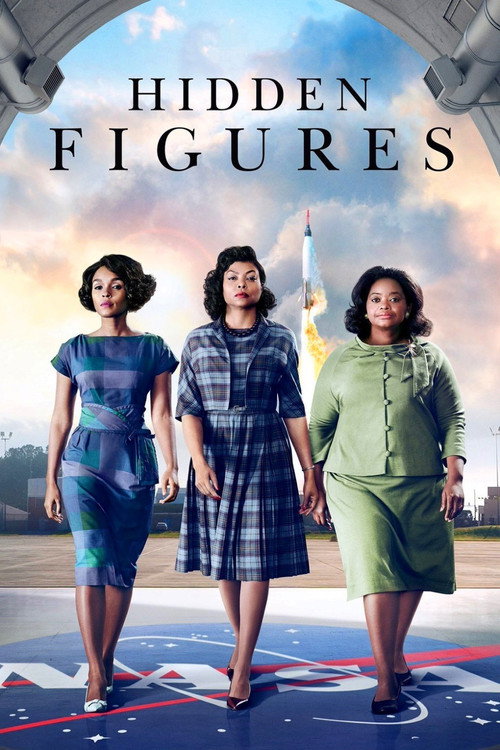
Hidden Figures2016
Celebrates Black women mathematicians whose calculations were crucial to the space programme and the Cold War. Smartly made, genuinely funny, and it finds the heroism in both the work and the refusal to accept diminishment.
But The formula is polished almost to a shine; some viewers find it too neat and Hollywood-friendly for its own good.
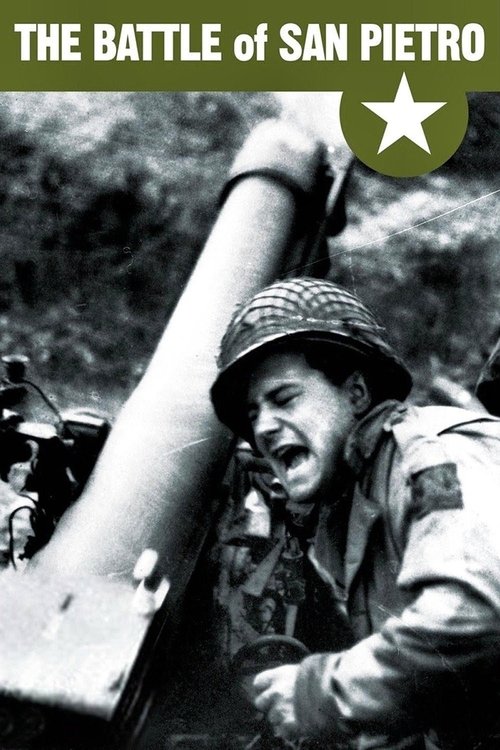
The Battle of San Pietro1945
John Huston's contemporaneous documentary shows the raw reality of Allied combat in Italy. Shot in actual danger, it's visceral and unglamorous—a corrective to propaganda, including the softer messaging of The Negro Soldier.
But It's blunt about the cost of war in a way that can be exhausting to sit with; no catharsis, just loss.
Not sure tonight? Get a pick in a minute, starting from The Negro Soldier
The wildcard
Something you would not have found on your own.
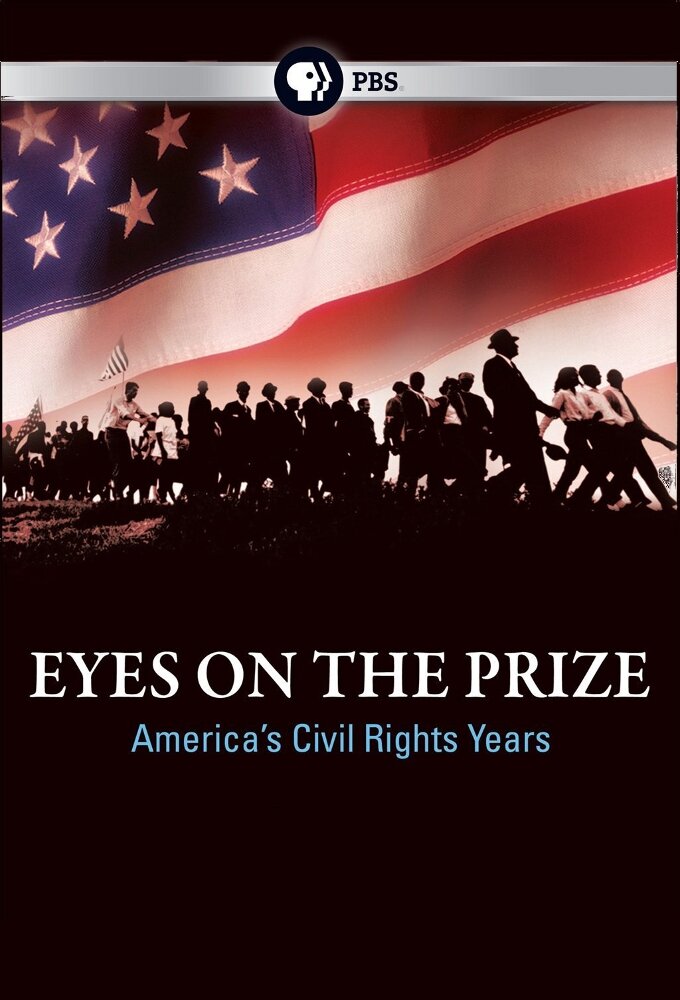
Eyes on the Prize1987
Both are testimony-based narratives that use the contradiction between American ideals and American practice as their engine; Eyes on the Prize shows what happened to the men whose dignity The Negro Soldier asserted.
A sweeping documentary series on the Civil Rights Movement. It contextualises The Negro Soldier historically—showing what Black Americans were promised for their service and what they actually got when they came home.
But It's long, dense, and emotionally demanding. Some sequences deal with graphic violence and real atrocities.
More like this (6)
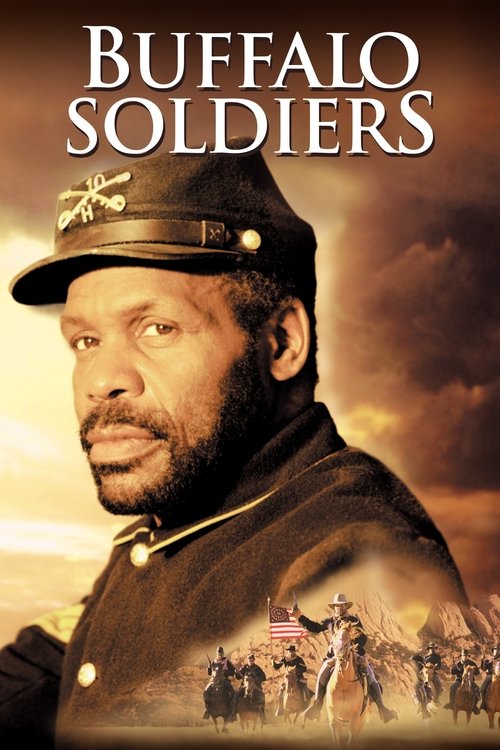
Buffalo Soldiers1997
A scrappy, darkly comic film about Black soldiers in post-war Germany, dealing with racism, boredom, and moral compromise. It captures the mundane frustration of serving a country that doesn't fully acknowledge you.
But The tone is deliberately uncomfortable; it's not here to make you feel good about American history.
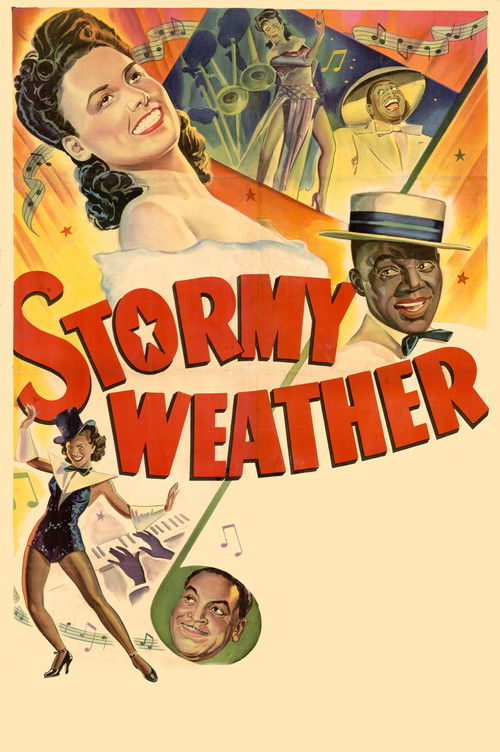
Stormy Weather1943
A musical featuring some of the greatest Black performers of the era, made during the same year as The Negro Soldier. It's joyful proof of Black talent Hollywood was simultaneously excluding and exploiting.
But It's a product of its time in its own ways; the narrative frame is thin and sometimes patronising, though the performances transcend it.
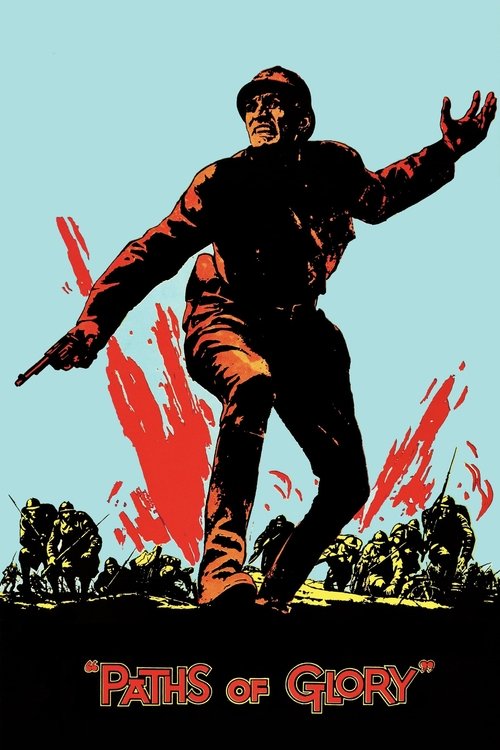
Paths of Glory1957
Kubrick's unflinching critique of military hierarchy and the men ordered to die for officers' ambitions. Not about race, but about how institutional power treats ordinary soldiers—a thematic cousin to The Negro Soldier's quiet indictment.
But It's austere, morally bleak, and offers no uplift; some find it more thesis than drama.
Come and See1985
A Belarusian film about a boy conscripted into war, shot with documentary-like intensity. It captures the human toll of combat in ways propaganda—any propaganda—cannot. A spiritual rebuke to narratives of noble sacrifice.
But Extremely violent, psychologically brutal, and one of the most difficult war films ever made. Not for passive viewing.

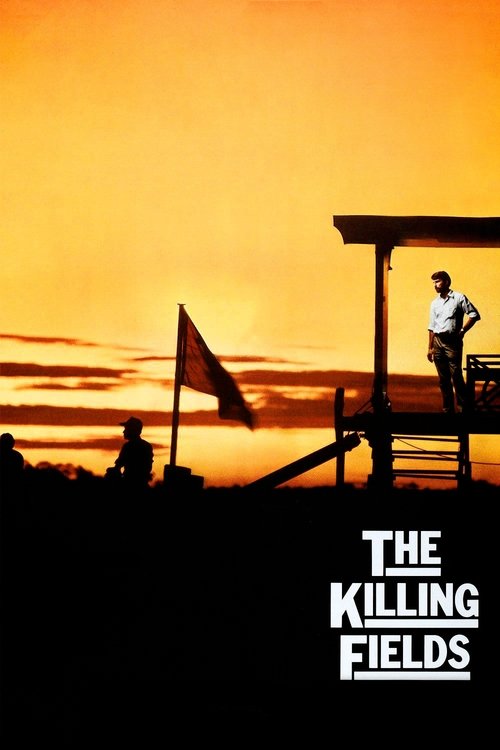
The Killing Fields1984
Both use documentary realism embedded in emotional narrative to assert the humanity of men erased by larger historical forces. The Negro Soldier says 'these men matter'; Killing Fields refuses to let us forget.
A journalist and his Cambodian guide navigate genocide, each hoping the other will survive. Brutal, beautifully shot, and structured as an intimate two-character drama even as massive tragedy unfolds around them.
But It's harrowing and doesn't soften its depiction of mass death; watching it can feel like an ordeal rather than an evening.
Man with a Movie Camera1929
Both believe the camera can reveal dignity in lives the state wants hidden. The Negro Soldier uses dramatic sequences and testimony; Man with a Movie Camera uses pure form—different tools, same faith in cinema's power to insist on human worth.
Dziga Vertov's Soviet avant-garde documentary is pure visual poetry about labour, machines, and collective life. It has no dialogue, no plot—just rhythmic editing and the belief that ordinary life is extraordinary enough.
But It's radically formalist and will frustrate anyone expecting narrative or conventional documentary; 68 minutes that demand active participation.

People
Cast
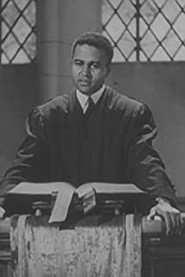 Carlton MossMinister
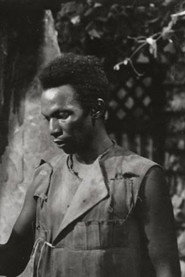
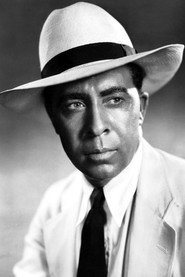 Clarence BrooksChaplain
- Norman FordHimself / Lt. Robert E. Bronson
- Clyde TurnerHimself - Soloist in church
- Bertha WoolfordHerself / Mrs. Bronson
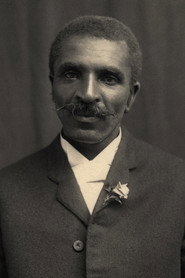 George Washington CarverHimself
- Benjamin O. Davis Jr.Himself
 Jesse OwensHimself
- Gertrude Elise AyerSelf (archive footage)
- Richmond BarthéSelf (archive footage)
- Erich BorchmeyerSelf (archive footage)