
Film
Welcome to Dongmakgol
A magical detour during the Korean War: soldiers from North and South Korea, plus an American pilot, crash-land in a village that exists outside time and politics. It's a tender, funny film about how war divides us and how ordinary kindness might bridge the gap. Whimsical without being precious, it earns its warmth.
Should you watch it?
Watch it if you love a gentle anti-war fable where political enemies slowly forget their orders in the company of a village that has never heard of the war, and where the comedy comes from human absurdity rather than gags.
Skip it if you want a war film with grit and momentum, since the middle stretches linger on small village rhythms and the big set pieces arrive sparingly.
What it asks of you: Patience for a leisurely, character-led build over its two and a bit hours, with the tone shifting between laughter and quiet melancholy as it goes.
Not sure? Find tonight's pick in a minute.
If you liked this
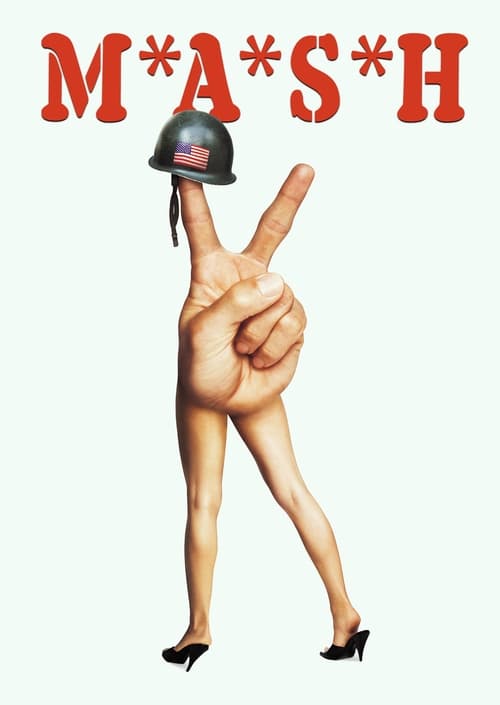
M*A*S*H1970
Altman's anti-war comedy set in a Korean War field hospital. Anarchic, deeply human, finds laughter in the darkest circumstances—same DNA as Dongmakgol, just wilder and messier.
But It's a 1970s film with a loose, digressive style that some find draggy. The humour is often bawdy and occasionally dated.
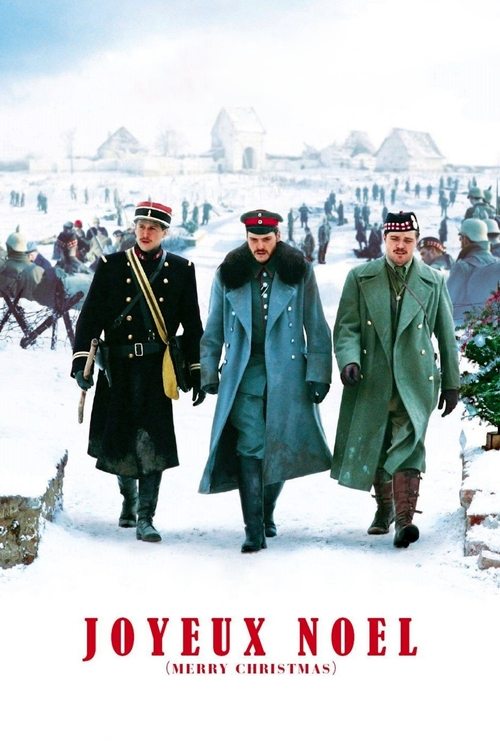
Joyeux Noel2005
French-Belgian film about the Christmas Truce of 1914, when enemies simply stopped fighting. Like Dongmakgol, it's about the impossible warmth that blooms when soldiers remember they're human.
But Sentiment-heavy and calculated. If you're allergic to emotional manipulation by design, this will feel like it's working too hard.
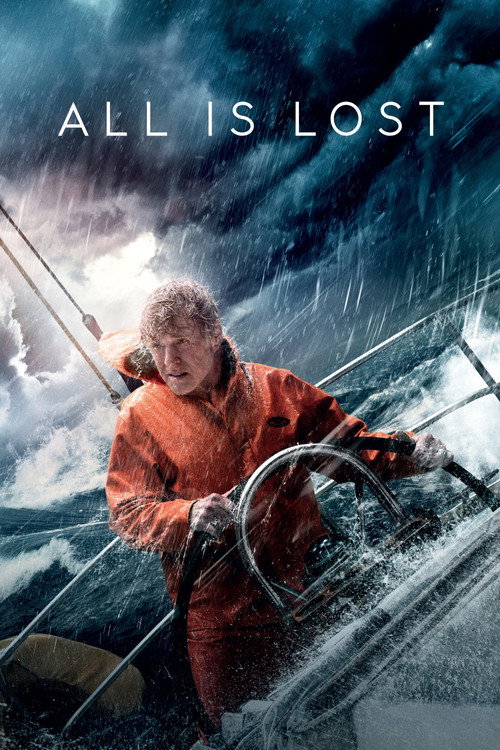
All Is Lost2013
Robert Redford alone on a boat against the sea. A quiet, meditative study of survival and dignity. Different genre, same spiritual register—how humans endure and find meaning when the world doesn't care.
But Minimal dialogue, almost no plot. If you need story momentum and company on screen, this will feel like a very long afternoon.
Not sure tonight? Get a pick in a minute, starting from Welcome to Dongmakgol
The wildcard
Something you would not have found on your own.
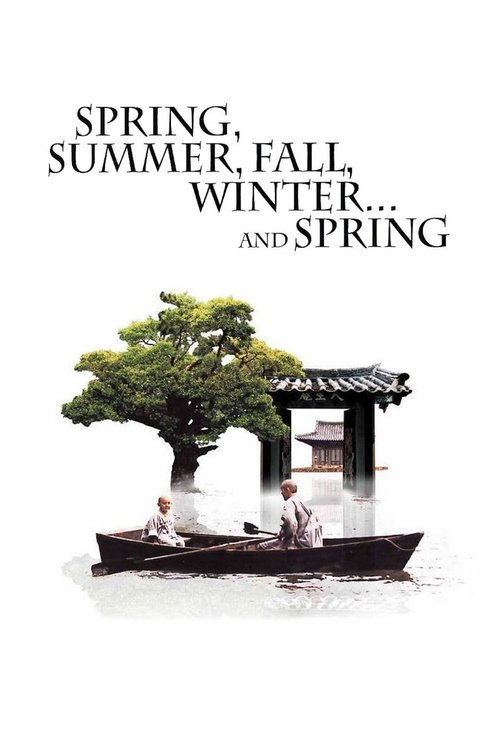
Spring, Summer, Fall, Winter... and Spring2003
Both are South Korean films about finding peace outside the world's chaos. Both trust quietness and beauty to carry meaning. Both suggest that what we need is already here, if we stop fighting.
Korean film set entirely on a floating temple in a lake, where a master and his student live in silence. No war, no plot—only cycles of life, aging, forgiveness. Same philosophical patience as Dongmakgol, same belief in redemption through simplicity.
But Meditative to the point of stasis. If you expect narrative momentum, you will spend two hours bored. It requires you to want to sit still.
More like this (8)
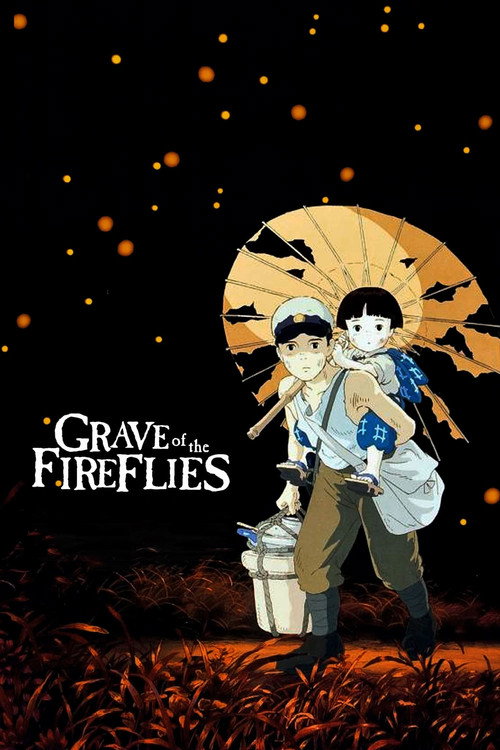
Grave of the Fireflies1988
Animated Japanese film about two siblings surviving after a firebombing in WWII. War through the eyes of innocents, like Dongmakgol, but far more devastating. Animation lets it say things live-action cannot.
But It is one of the saddest films ever made. Beautiful, but not in a way that comforts. It will stay with you in ways you might not want.
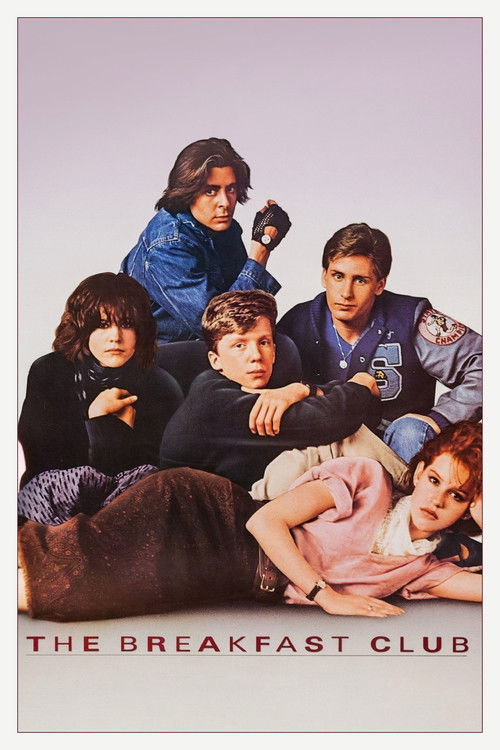
The Breakfast Club1985
Totally different setting (high school detention), same engine: strangers forced together, walls come down, shared humanity wins. It's proof that the Dongmakgol premise—bring opposites into one room—is timeless.
But Eighties teen-movie aesthetics and some politics that have aged awkwardly. It can feel quaint and occasionally clumsy now.
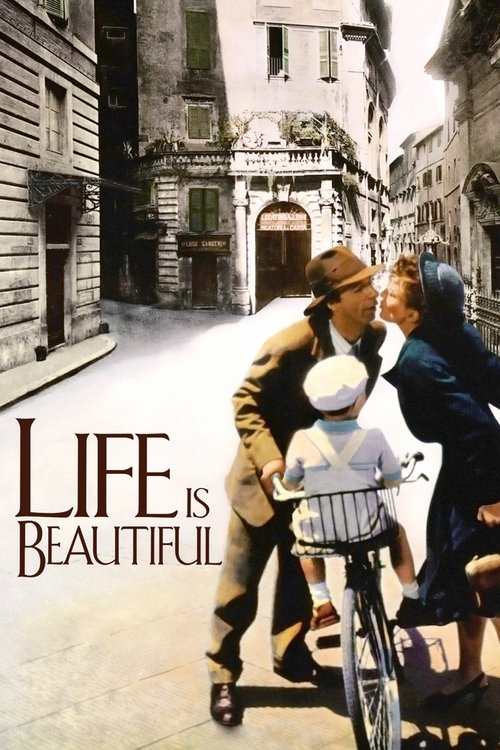
Life Is Beautiful1997
Italian film where a father uses imagination and humour to shield his son from the Holocaust. Like Dongmakgol, it insists on tenderness and comedy even—especially—amid atrocity.
But Some argue it romanticizes horror. The tonal balance between lightness and darkness may feel wrong to you, depending on what you believe art owes to tragedy.
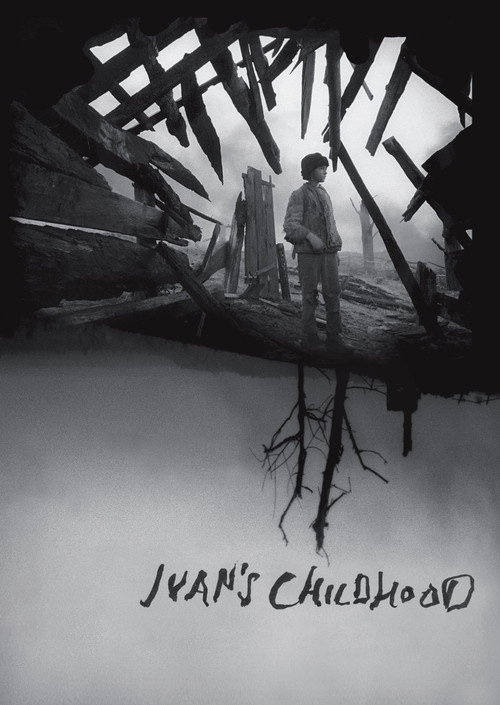
Ivan's Childhood1962
Andrei Tarkovsky's film about a boy soldier in WWII. Lyrical, dreamlike, profoundly sad. Asks the same question as Dongmakgol: what war does to innocence, only without the village's saving grace.
But Black-and-white, slow, poetic to the point of abstraction. If you need clarity and plot, this will feel like watching smoke.
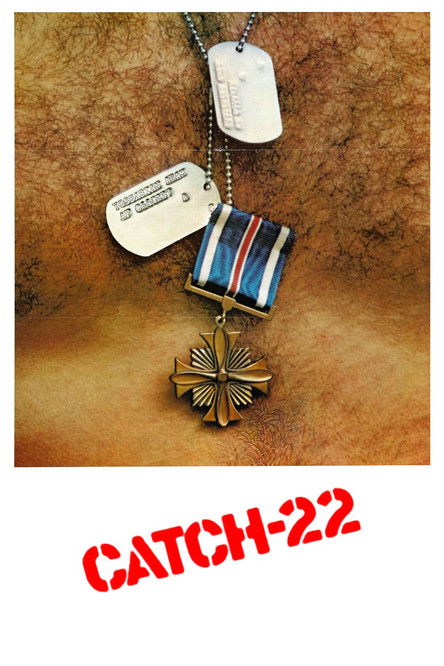
Catch-221970
Dark comedy about military absurdity in WWII. Chaotic, furious, finds the ridiculous contradiction at the heart of war. A wilder, angrier version of what Dongmakgol does gently.
But The tone is sprawling and cynical. If you want coherence or to feel uplifted, this will exhaust you instead.
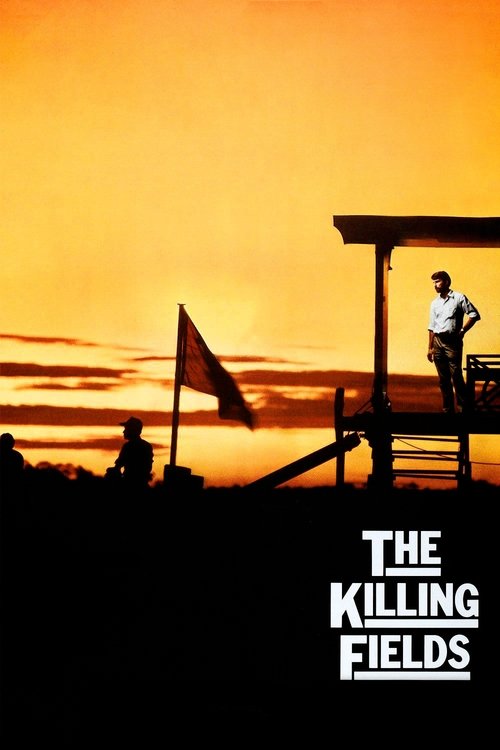
The Killing Fields1984
True story of an American journalist and Cambodian translator during the Khmer Rouge genocide. Another war film about unlikely friendship and survival, but grounded in real horror rather than magical realism.
But Harrowing and historically brutal. This is not a film for escape—it demands you witness something terrible.
Come and See1985
Both films center on young soldiers and the collision between innocence and war. Where Dongmakgol says innocence survives and transcends, Come and See says innocence is destroyed forever. They are opposite answers to the same question.
Soviet film about a teenage boy conscripted into WWII. Visceral, hallucinatory, the anti-Dongmakgol—war as absolute hell with no redemption, no kindness, no village to escape to. Essential precisely because it refuses comfort.
But Genuinely one of the most punishing films ever made. Graphic, nightmarish, and relentless. Watch it if you believe art should hurt; skip it if you need to sleep.

In the Mood for Love2000
Both films privilege mood and visual beauty over story. Both are about how people bridge distances—whether political or emotional. Both insist that what matters is not conflict or plot, but the moment when two people truly see each other.
Wong Kar-wai's ravishing Hong Kong film about two neighbors who discover an affair. Has nothing to do with war, but everything to do with Dongmakgol's mood: time slowing down, people finding each other across invisible barriers, the ache of connection.
But Deliberately artificial and slow. If you want plot or naturalism, the stylization will feel precious and empty. It's a film about longing, not about what happens next.

People
Cast
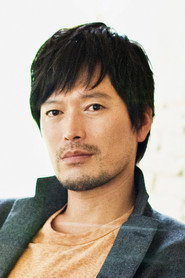 Jung Jae-youngChief Comrade Lee Su-hwa
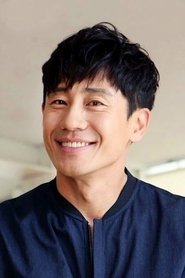 Shin Ha-kyun2nd Lt. Pyo Hyun-chul
 Kang Hye-jungYeo-il
- Steve TaschlerSmith
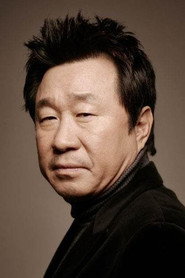 Im Ha-ryongJang Young-hee
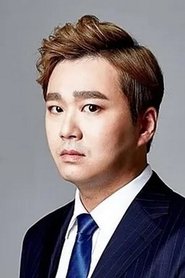 Seo Jae-kyeongArmy Medic Mun Sang-sang
 Ryu Deok-hwanSeo Taek-ki
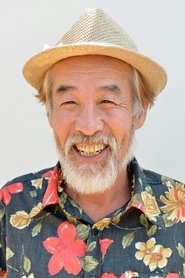 Jung Jae-jinMayor
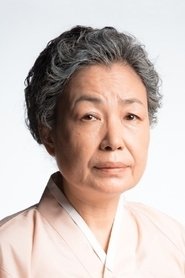 Lee Yong-yiElder Mother
- Park Nam-heeMayor's Wife
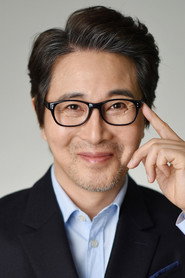 Jo Deok-hyeonTeacher Kim
Directing
- Lee Sang-jinAssistant Director
- Bae JongDirector
Production
- Lee Sang-jinCasting Director
- Kim Sung-hoonLine Producer
- Jang JinProducer
- Ji Sang-yongProducer
- Lee Eun-haProducer
- Ku Tae-jinProduction Manager