
Film
The Most Dangerous Man in America
Daniel Ellsberg's leak of the Pentagon Papers exposed decades of government deception about the Vietnam War. This documentary traces his journey from defence analyst to whistleblower, and the legal and political firestorm that followed. It's a gripping, precisely told story about conscience versus power, with real stakes and real consequences. Essential viewing for anyone who wants to understand how accountability works—or doesn't.
Should you watch it?
Watch it if you find yourself drawn to documentaries built like a tense real-world thriller, where the suspense comes from people deciding whether to risk everything rather than from any staged reenactment.
Skip it if you want a film that moves briskly or leans on flashy editing; it is largely talking heads and archive footage, and its rhythm is deliberate, measured and sometimes repetitive.
What it asks of you: Ninety-two minutes of close attention to documents, meetings and recollection, with a slow build and a serious tone throughout, and little comic relief to lean on.
Not sure? Find tonight's pick in a minute.
If you liked this
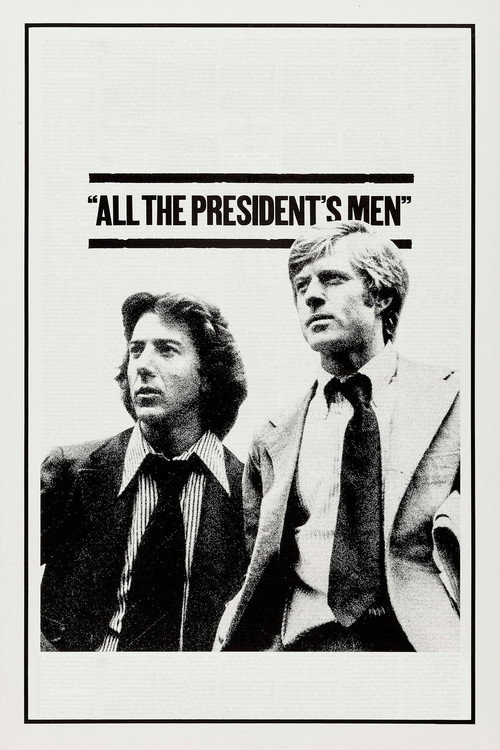
All the President's Men1976
The companion piece: how journalists (Woodward and Bernstein) investigated Nixon while Ellsberg's case was unfolding. Tense, methodical, and it shows why the Pentagon Papers mattered so much to the White House's panic.
But It's a 1970s political thriller that moves at a deliberate pace. If you want constant action, this is patient to the point of slowness.
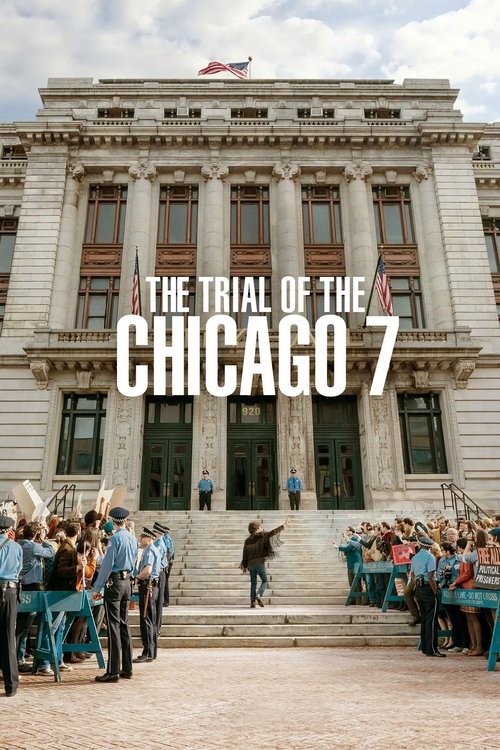
The Trial of the Chicago 72020
A courtroom drama about dissent and the state's response to it, with similar themes of principled resistance against institutional power. Sorkin's script crackles, and the moral stakes feel immediate.
But It's more theatrical and less historically precise than a documentary. Some find Sorkin's dialogue style overwrought rather than energizing.
Spotlight2015
Another story about institutional accountability—journalists uncovering a massive cover-up that powerful people wanted buried. The same quiet determination, the same sense that telling the truth matters.
But It's about the Boston Globe's investigation of the Catholic Church, which some feel is well-trodden ground. The pacing is understated rather than propulsive.

Not sure tonight? Get a pick in a minute, starting from The Most Dangerous Man in America
The wildcard
Something you would not have found on your own.
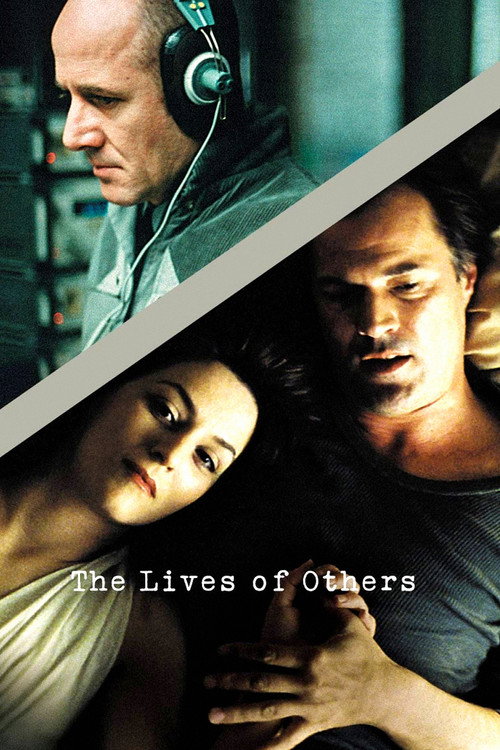
The Lives of Others2006
Both are about the cost of looking too closely at what your government is actually doing, and the lonely path of choosing truth over obedience.
A East German Stasi officer watching a playwright begins to question his loyalty to the state. It's about the moment conscience wins over compliance—told from inside the surveillance apparatus rather than from the whistleblower's side.
But It's in German with subtitles. The slow-burn tension requires patience; nothing explodes, everything implodes quietly.
More like this (6)
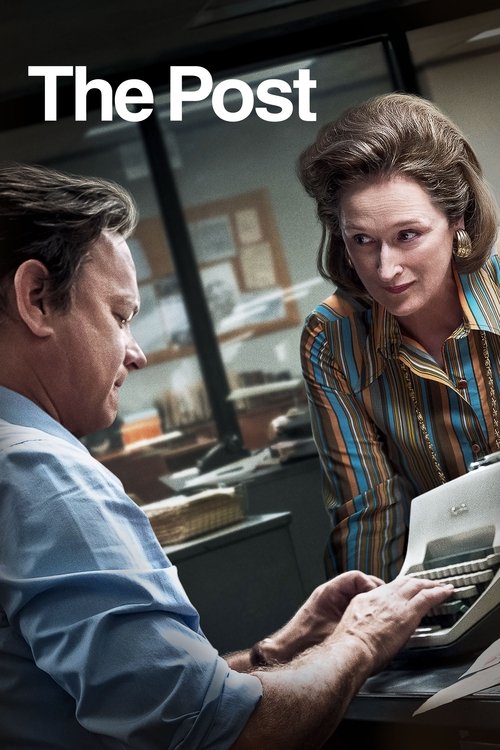
The Post2017
Directly about the Pentagon Papers and the Washington Post's decision to publish them. Hanks and Streep, high stakes, and the legal and editorial tensions that made the moment so dangerous.
But It simplifies the story considerably and plays things broad. Purists find it a glossy version of events that deserved more complexity.
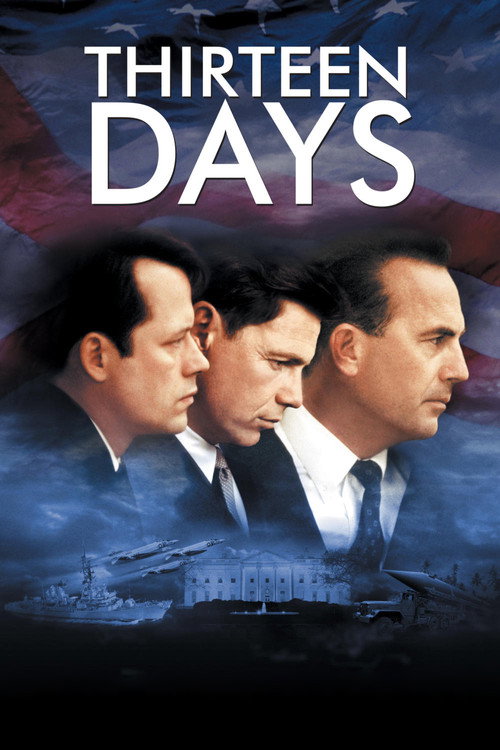
Thirteen Days2000
The Cuban Missile Crisis told as a political thriller about a president standing against his generals and advisors. The same tension between doing what's right and what's politically survivable.
But It's conventional in its narrative structure and Kevin Costner's accent is distracting. Some find it overwrought for what is essentially a procedural.
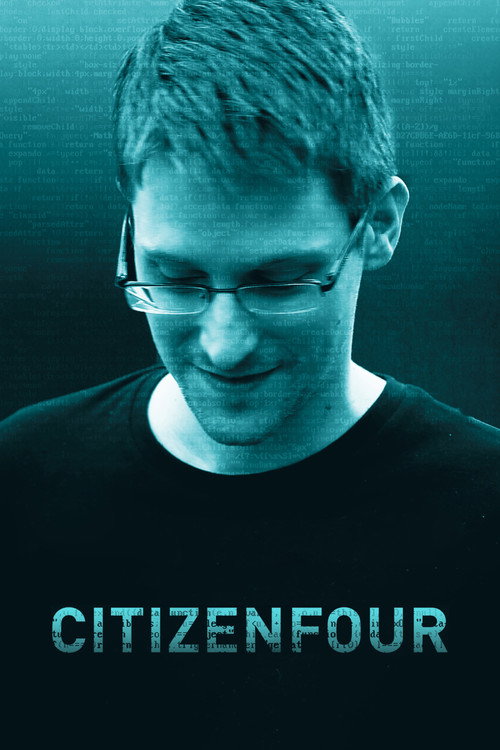
Citizenfour2014
Edward Snowden's NSA revelations, shot as it happened. A direct spiritual heir to Ellsberg: whistleblower, conscience, the same question about what a citizen owes their country versus what the state demands.
But It's shot in real time in hotel rooms, which means it's sometimes visually static. The stakes are less historically settled than the Pentagon Papers.
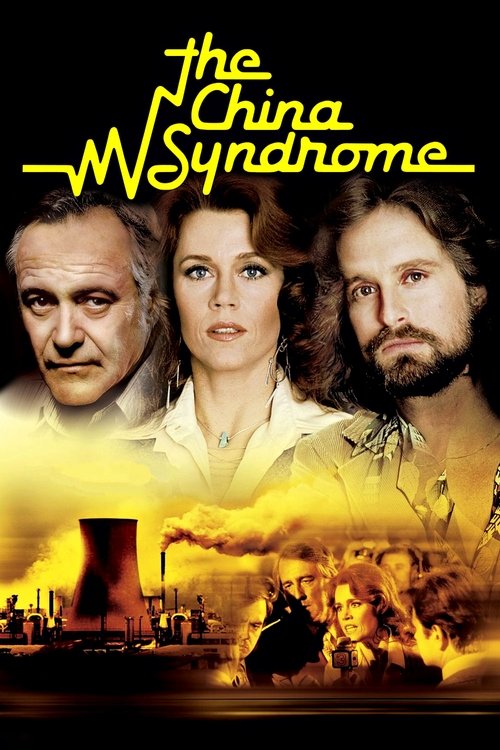
The China Syndrome1979
A thriller about a journalist and nuclear engineer who uncover a cover-up at a power plant. It has the same engine: good people against institutions that prioritize secrecy over safety.
But It's a 1970s paranoia thriller that leans into melodrama. The nuclear disaster angle can feel like a MacGuffin rather than the real point.
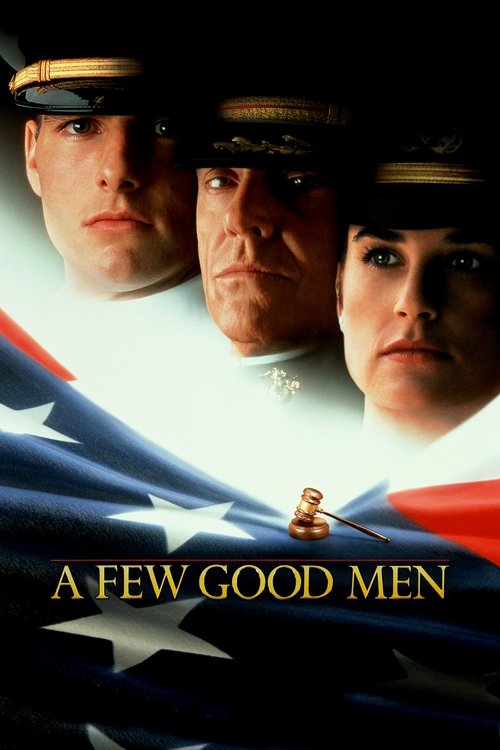
A Few Good Men1992
A courtroom drama about the tension between following orders and doing what's right. It's a different context—the military rather than politics—but the moral question is structurally identical to Ellsberg's.
But It's slick Hollywood drama that reduces complex ethics to a shouting match. The famous monologue is crowd-pleasing in a way that can feel unearned.
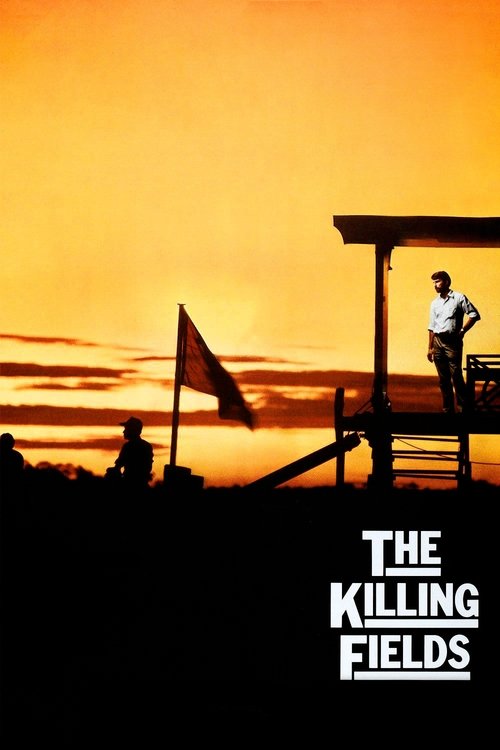
The Killing Fields1984
Both are about one person insisting on bearing witness when institutions prefer silence, and the personal cost of refusing to look away.
A journalist in Cambodia bears witness to genocide and carries the truth out. Sam Waterston as a man trying to do the right thing while the machinery of violence crushes everything around him.
But It's a brutal film about a brutal historical moment. The violence is graphic. Watching atrocity unfold is the price of understanding it happened.
People
Cast
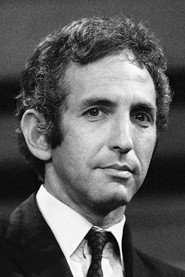 Daniel EllsbergSelf (Narraror)
- John DeanSelf - White House Counsel to President Nixon
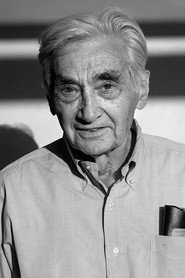 Howard ZinnSelf - Historian
- Peter ArnettSelf - Associated Press Correspondent (archive footage)
- Ben BagdikianSelf - Editor, Washington Post
- Ann BeesonSelf - Associate Legal Director, ACLU
- Robert EllsbergSelf - Daniel's Son
- Richard FalkSelf - Professor of International Law
- Max FrankelSelf - Washington Bureau Chief, New York Times
- J. William FulbrightSelf - Chair Foreign Relations Committee (archive footage)
- James GoodaleSelf - General Counsel, New York Times
Directing
- Judith EhrlichDirector
- Rick GoldsmithDirector
Writing
- Judith EhrlichWriter
- Lawrence LerewWriter
- Michael ChandlerWriter
- Rick GoldsmithWriter
Production
- Jorge TrellesProduction Manager