
Film
We Steal Secrets: The Story of WikiLeaks
Alex Gibney's forensic documentary traces WikiLeaks from idealistic transparency mission to geopolitical flashpoint, examining the 2010 cable dumps and their aftermath through archived footage, interviews, and damning detail. It's a meticulous, morally complex portrait of power, whistleblowing, and the cost of radical transparency. Essential viewing for anyone trying to understand modern information warfare.
Should you watch it?
Watch it if you enjoy investigative documentaries that lay out a tangled saga piece by piece, with interviews, archive footage and a fair amount of argument about what journalism owes the public.
Skip it if you want a tidy verdict, because at 127 minutes it is long and talky and lays out the debate more than settling it.
What it asks of you: Two hours and seven minutes of dense argument, delivered at a steady, unhurried clip, with a narrator guiding you through a sprawl of names, dates and documents.
Not sure? Find tonight's pick in a minute.
If you liked this
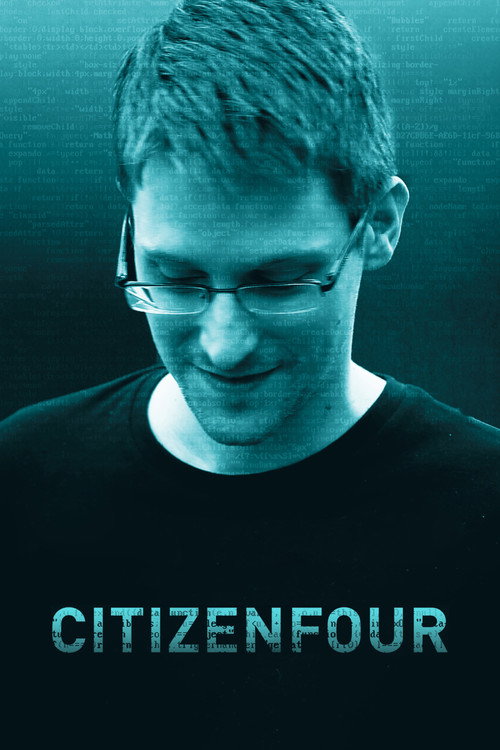
Citizenfour2014
Laura Poitras's Oscar-winning film following Edward Snowden's NSA revelations offers a companion piece: another enormous leak, another whistleblower in hiding, shot with intimate access. Completes the picture of post-2010 surveillance and disclosure.
But Slower, more meditative than Gibney's investigative pace. If you want answers wrapped up in a bow, you won't get them here.
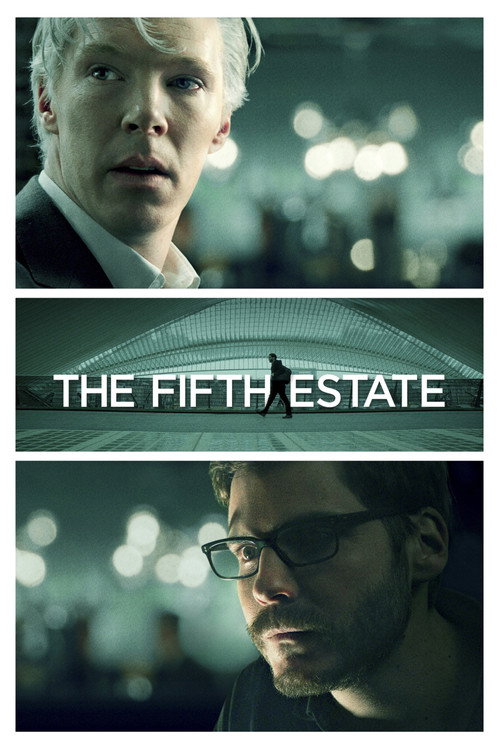
The Fifth Estate2013
Dramatizes the WikiLeaks story in real time with Benedict Cumberbatch as Assange, capturing the human friction and ideological split between Assange and Manning's supporters. Sees the same events from inside the movement.
But Lighter touch than the documentary; takes more dramatic liberties. Some will find the fictionalization frustrating when you've just watched the actual record.
All the President's Men1976
Woodward and Bernstein pursuing the Pentagon Papers established the template: journalists chasing secrets that powerful people want hidden, the moral weight of disclosure, the machinery of accountability. The ancestor of everything Gibney shows you.
But Made in 1976 about events from the early '70s; the pacing is deliberate and the stakes feel historical rather than immediate, even if they're not.

Not sure tonight? Get a pick in a minute, starting from We Steal Secrets: The Story of WikiLeaks
The wildcard
Something you would not have found on your own.
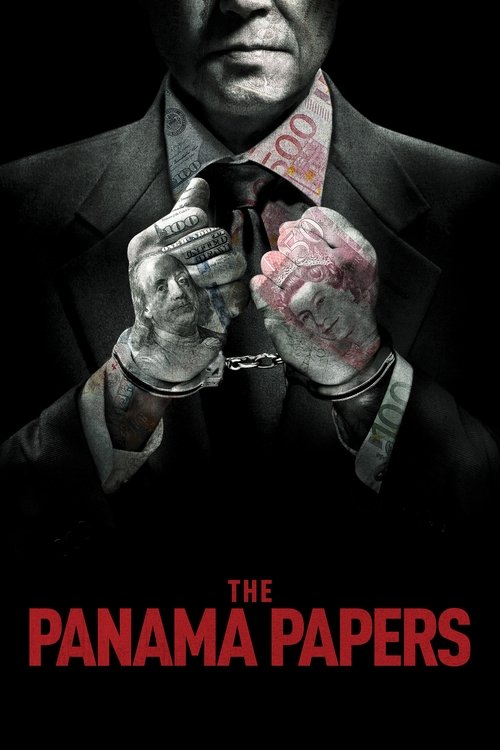
The Panama Papers2018
Chronological and thematic sequel: what happened next after WikiLeaks showed that massive leaks could change the world. This is what the template looks like when applied to offshore finance.
Jake Pomeroy and Alex Winter document the 2016 leak of financial records exposing global corruption and money-laundering. Real-time investigation of another massive disclosure event; shows how the WikiLeaks moment changed what leaking looks like and what it accomplishes.
But Released five years after We Steal Secrets and covers much more recent events. Some will see it as an afterthought rather than a standalone story.
More like this (5)
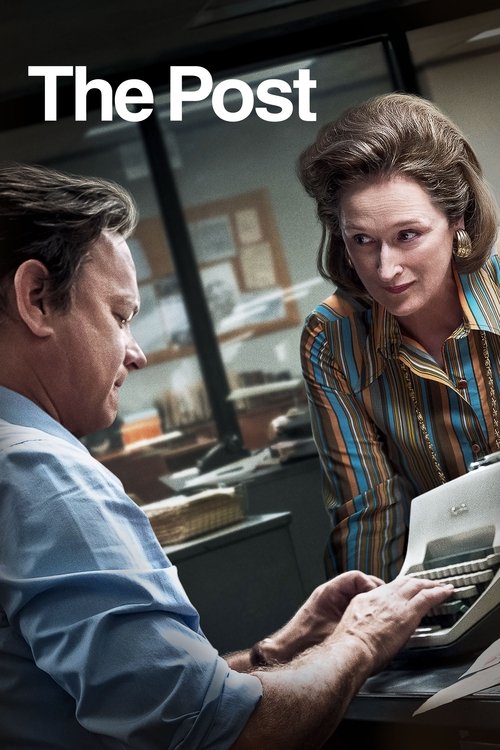
The Post2017
Steven Spielberg returns to Pentagon Papers territory with Meryl Streep and Tom Hanks, asking whether newspapers have a duty to publish classified material in the public interest. Direct thematic echo of what drove WikiLeaks forward.
But More interested in institutional courage than in the messy realities of leaking. Feels safer, more buttoned-up than the chaos Gibney documents.
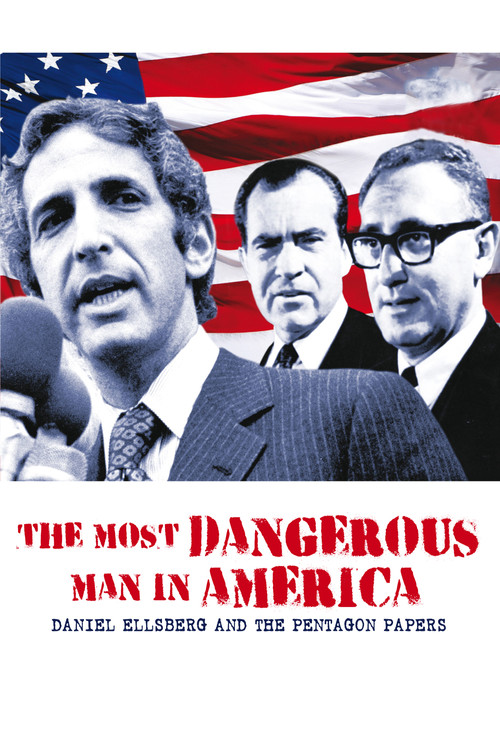
The Most Dangerous Man in America2009
Documentary about the original whistleblower and the original leak that changed everything. Ellsberg's principled act of conscience against the Vietnam War mirrors and predates Manning's; watching them together deepens both stories.
But Made in 2009, so it can't comment on what Gibney's film shows about the WikiLeaks aftermath and its real consequences for the people involved.
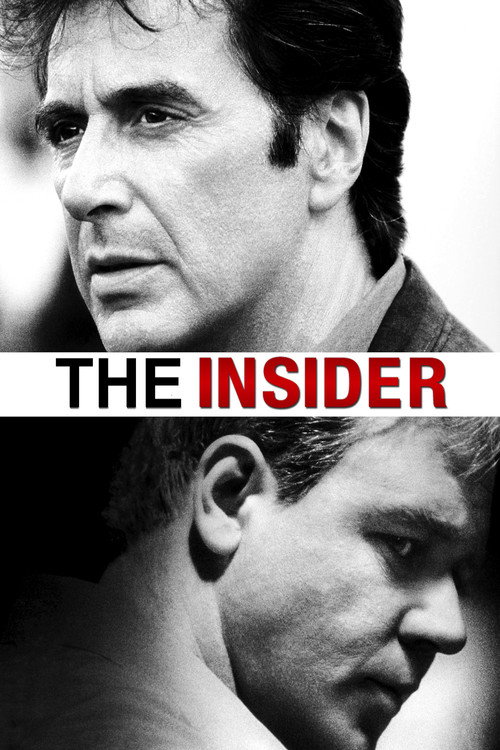
The Insider1999
Michael Mann's intense portrait of Jeffrey Wigand, a tobacco executive turned whistleblower, pressured and threatened for going public. Captures the paranoia and isolation of leaking—the human cost that Gibney shows as well.
But Nearly three hours long, and the courtroom and corporate intrigue aren't everyone's pace. The 1990s styling can feel dated now.
Spotlight2015
Boston Globe journalists pursuing the Catholic Church abuse scandal show the investigative method at its most patient and rigorous. Different subject, same question: what happens when institutions are forced to answer for hidden crimes.
But Ensemble narrative with less singular focus than WikiLeaks. The satisfaction of the ending might feel too neat if you're thinking about the messier real-world consequences Gibney shows.

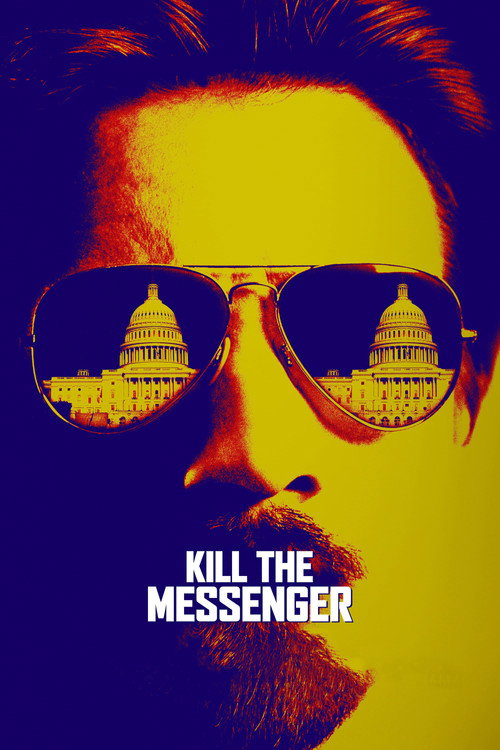
Kill the Messenger2014
Jeremy Renner as Gary Webb, a journalist destroyed for reporting CIA involvement in the cocaine trade. Another story of truth-telling punished by powerful institutions; another examination of what happens to the person holding the secret.
But The screenplay simplifies the actual history, and the film privileges narrative momentum over nuance in a way that feels dishonest after watching Gibney's careful documentation.
People
Cast
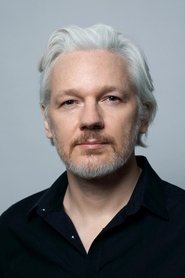 Julian AssangeSelf - Founder, WikiLeaks (archive footage)
 Chelsea ManningSelf - WikiLeaks Source (archive footage)
- Heather BrookeSelf - Journalist
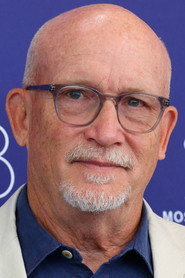 Alex GibneyNarrator (voice)
- Robert ManneSelf - Professor, La Trobe University, Melbourne
- John 'Fuzface' McMahonSelf - NASA Network Administrator
- Michael HaydenSelf - Former NSA and CIA Director
- J. William LeonardSelf - U.S. Government Classification Czar
- Daniel Domscheit-BergSelf - Former WikiLeaks Spokesperson
- Smári McCarthySelf - Icelandic Digital Freedom Society
- Birgitta JónsdóttirSelf - Icelandic Parliamentarian
- Adrian LamoSelf - Hacker
Directing
- Alex GibneyDirector
Writing
- Alex GibneyWriter
Production
- Javier Alberto BoteroAssociate Producer
- Blair FosterExecutive Producer
- Jemima KhanExecutive Producer
- Alex GibneyProducer
- Alexis BloomProducer
- Marc ShmugerProducer
- Sam BlackSupervising Producer