
Film
Knock on Any Door
A veteran defense attorney takes on an impossible case: a street kid accused of murder. Bogart plays it straight and weary, building a system-indictment defense that feels ahead of its time. It's a courtroom drama with genuine moral weight, less about theatrics than about who gets crushed by circumstance. For anyone drawn to legal arguments that cut deeper than procedure.
If you liked this
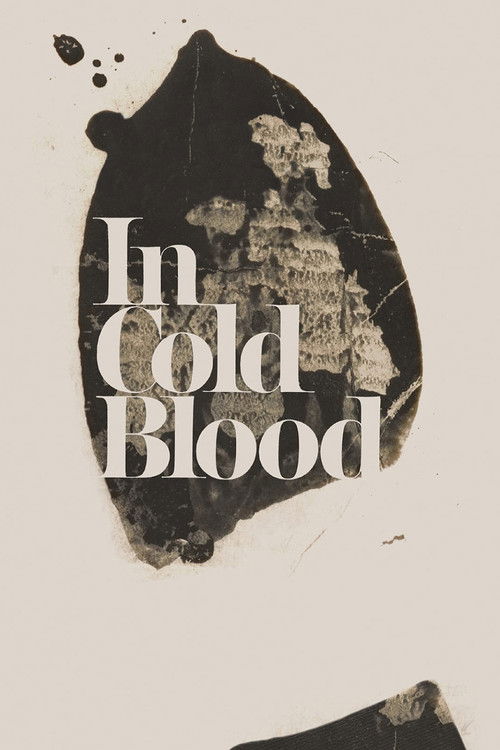
In Cold Blood1967
A meticulous, haunting true-crime film about two drifters and the Kansas family they murder. Captures American violence with anthropological precision, and asks uncomfortable questions about complicity and inevitability that linger.
But Deliberately paced and bleak throughout. No catharsis, no redemptive arc—just the machinery of crime and consequence grinding forward.
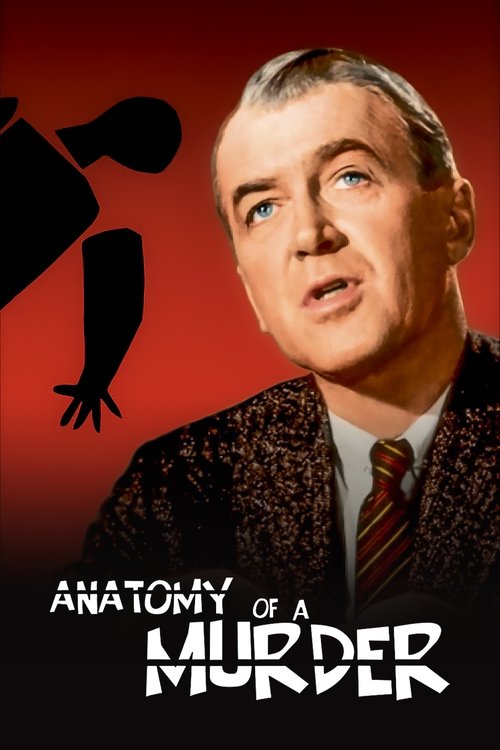
Anatomy of a Murder1959
A lawyer dismantles a murder case from first principles, cross-examining witnesses with surgical precision. The script is all argument and counterargument; it rewards close attention and trusts its audience entirely.
But Over two hours of courtroom procedural with minimal plot movement. If you want story momentum rather than intellectual engagement, this stalls.
The Asphalt Jungle1950
The template for the heist film. A methodical, unsentimental look at criminals as working stiffs, each one trapped by circumstance and need. Shot in shadows; every scene earns its noir credentials.
But Episodic and deliberately flat in affect. It's more blueprint than thriller—interested in systems rather than personality.

Not sure tonight? Get a pick in a minute, starting from Knock on Any Door
The wildcard
Something you would not have found on your own.
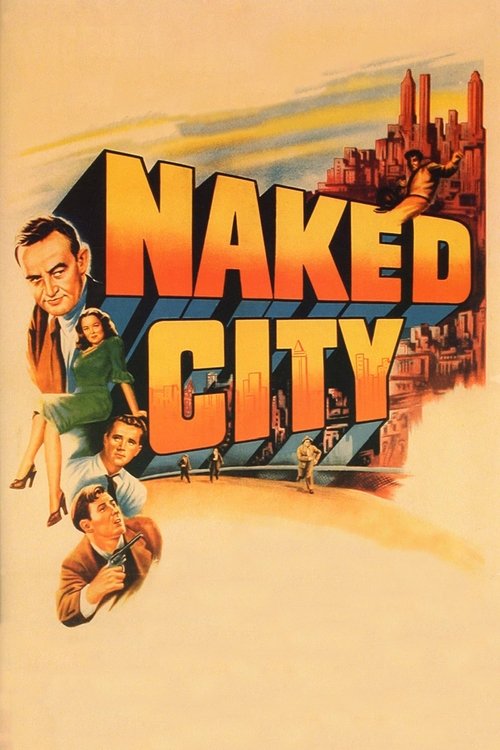
The Naked City1948
Both examine how systems—legal, urban, criminal—crush individuals. Bogart's lawyer and this film's detectives are all trying to impose order on chaos that's fundamentally indifferent to them.
A detective procedural that treats New York itself as a character—actually filmed on location, which was radical in 1948. Less about the murder than about how a city absorbs and disposes of violence. Layered and restless.
But The plot is secondary to atmosphere and location footage. If you need a tight narrative arc, the digressive approach will frustrate you.
More like this (8)
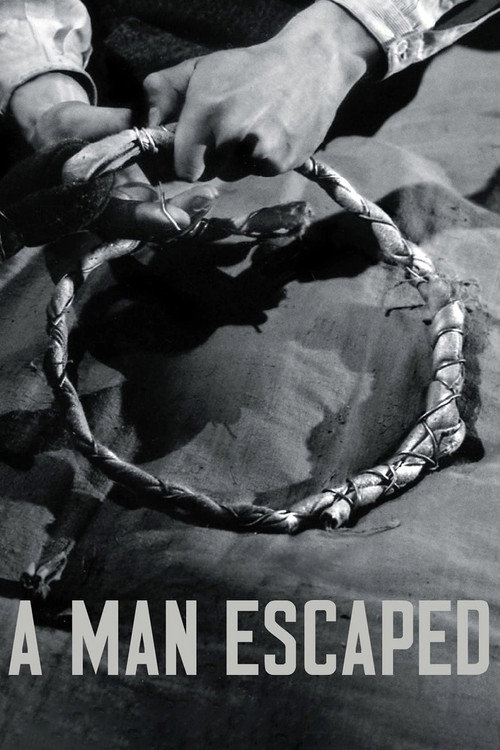
A Man Escaped1956
Robert Bresson's austere masterpiece about a political prisoner methodically planning escape. The opposite of spectacle: it finds dignity and will in repetition and small resistance. Spiritually profound.
But No music, minimal dialogue, no emotional swelling. The pace is glacial by design. Patience isn't optional here.
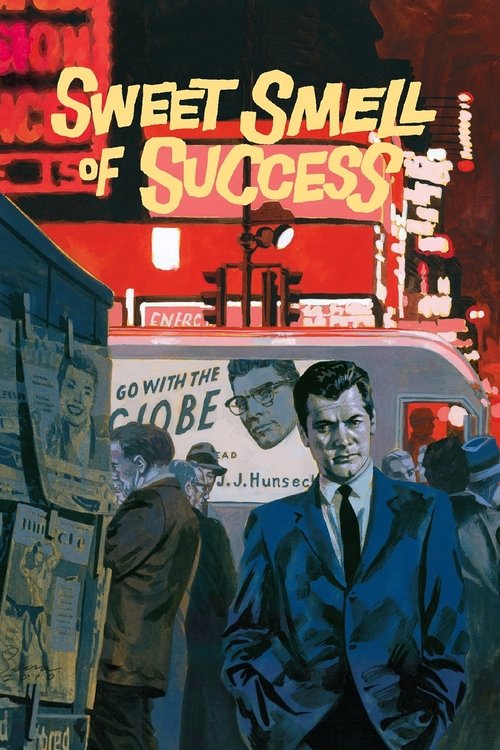
Sweet Smell of Success1957
Cynical, clever, and gorgeous. A press agent and a columnist in a symbiotic dance of manipulation and betrayal across New York nightlife. The dialogue crackles; the world is entirely corrupt and entirely alive.
But Its moral universe has no good people, only degrees of ruthlessness. If you want a protagonist to root for, you won't find one.
The Killing1956
Kubrick's debut racetrack heist, told in fractured chronology. Low-budget but imaginative, with a fatalistic view of human competence and luck. Fast, clever, and strangely tender about its failures.
But The fragmented timeline can feel gimmicky on first viewing. Some plot threads feel underdeveloped compared to others.

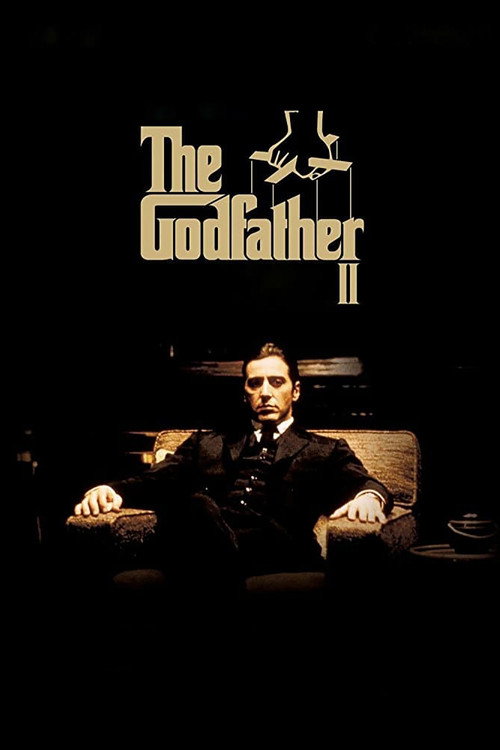
The Godfather Part II1974
Two timelines braided together: young Vito building his empire, and Michael consolidating power. It's a study in how good men become ruthless, and how systems perpetuate themselves. Arguably the better half of the saga.
But Demands patience with a three-and-a-half-hour runtime and emotional distance from its characters. Not designed for comfort or catharsis.
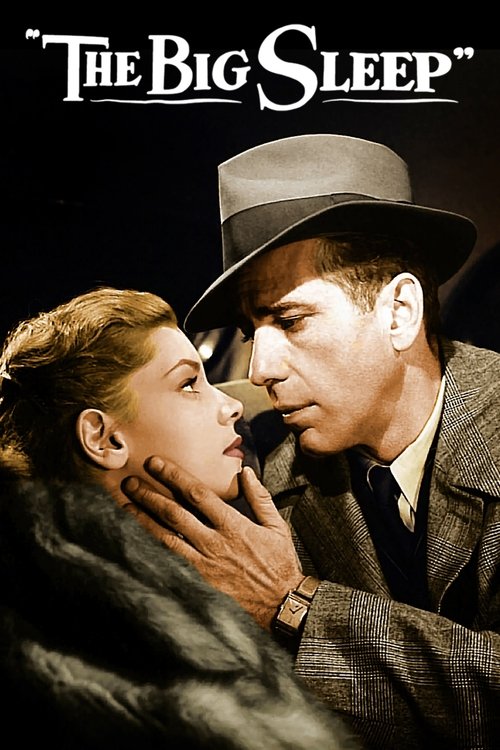
The Big Sleep1946
Bogart and Bacall's chemistry is the whole film. A loosely plotted detective story becomes an excuse for worldly, witty banter between two people who actually deserve each other. Pure pleasure.
But The plot is nearly incoherent—even Chandler admitted he didn't fully understand it. If narrative clarity matters more than atmosphere and dialogue, step back.
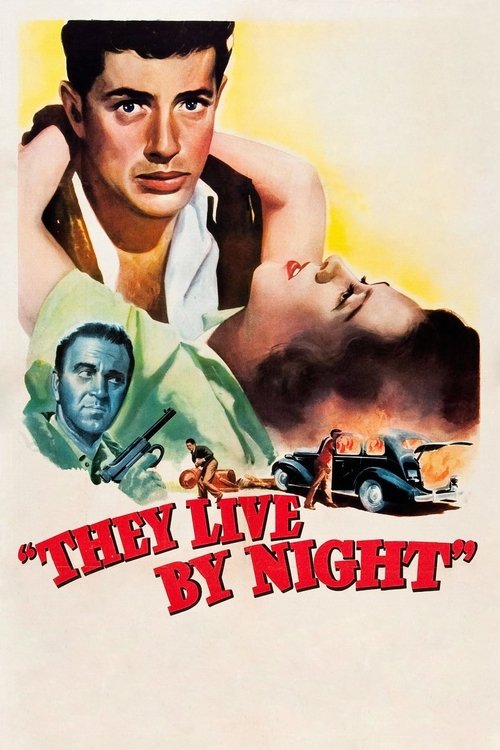
They Live by Night1949
A bank robber and a young woman on the run from circumstance and law. Romantic, doomed, shot with real tenderness. It's a love story first, a crime film second—rare and moving.
But Genuinely sad and fatalistic. The ending is not negotiable, and sentiment doesn't soften the outcome.
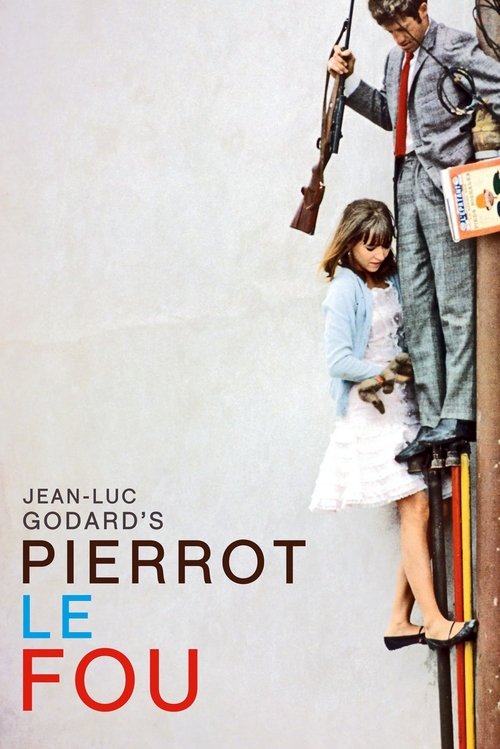
Pierrot le Fou1965
A different era and sensibility, but the same core: two people trapped by circumstance, trying to escape a system that won't let them. Where Bogart's film argues the system's cruelty in court, Godard simply lets his characters burn against it.
Godard's fever dream of a man and woman on the run across France, filmed in brilliant color and fragmented thought. It's about desperation and connection, but told through montage and philosophical tangents rather than plot. Exhilarating and totally unmoored.
But Structurally refuses to behave like a normal film. No three-act formula, dialogue that wanders, visual non sequiturs. It rewards adventurousness and punishes the desire for conventional storytelling.
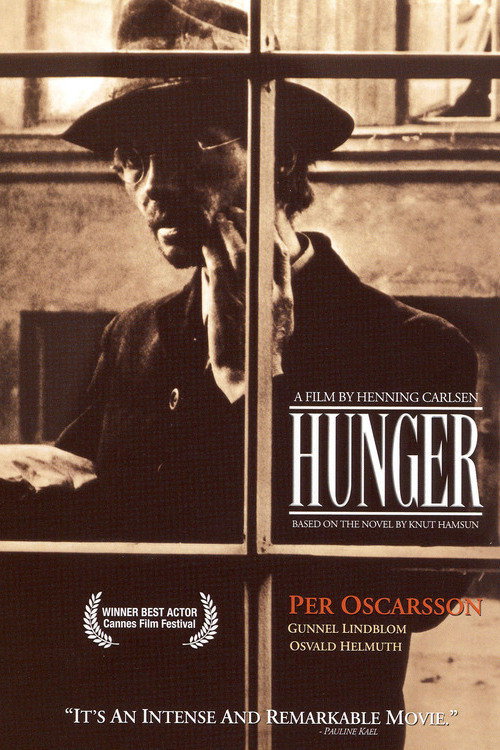
Hunger1966
Knock on Any Door blames the slums for producing criminals. Hunger inverts that: what if the problem is internal, not systemic? It's the philosophical opposite—not a cozy opposite, but a necessary one.
Knut Hamsun's Norwegian novel adapted into a psychological descent. A man slowly starves and fragments, and we're inside his head the whole way. It's about suffering that has no social cause—only internal combustion. Unsparing and hypnotic.
But Relentlessly dark and inward. Minimal plot, heavy on psychology and degradation. Not a film that rewards comfort-seeking.
People
Cast
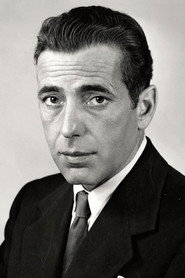 Humphrey BogartAndrew Morton
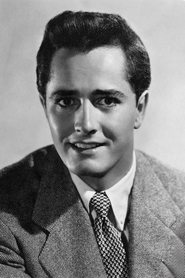 John DerekNick Romano
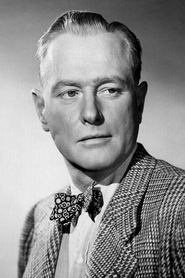 George MacreadyDist. Atty. Kerman
 Allene RobertsEmma
 Candy ToxtonAdele Morton
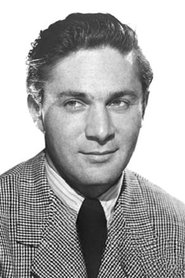 Mickey KnoxVito
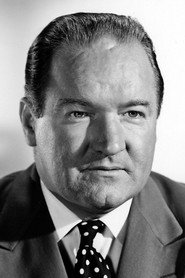 Barry KelleyJudge Drake
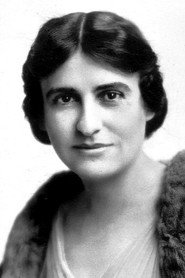 Florence AuerAunt Lena (uncredited)
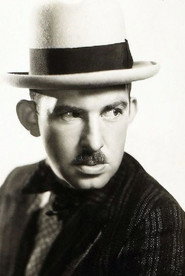 Vince BarnettCarl Swanson - Bartender (uncredited)
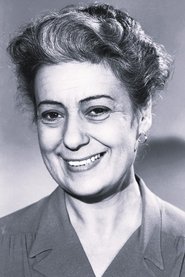 Argentina BrunettiMa Romano (uncredited)
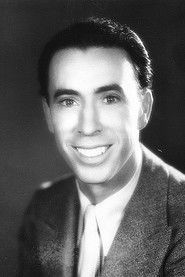 George ChandlerCashier (uncredited)
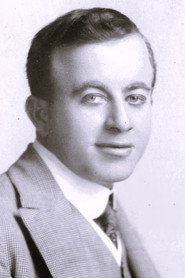 Chester ConklinBarber (uncredited)
Directing
- Arthur S. Black Jr.Assistant Director
- Nicholas RayDirector
- Frances McDowellScript Supervisor
Writing
- Willard MotleyNovel
- Daniel TaradashScreenplay
- John Monks Jr.Screenplay
Production
- Henry S. KeslerAssociate Producer
- Humphrey BogartExecutive Producer
- Robert LordProducer