
Film
Going Places
Other titles called Going Places: the 1990 series (ABC).
Bertrand Blier's audacious 1974 provocation follows two petty criminals on a rampage through French society, stealing cars and assaulting women with a mixture of callousness and charm. Gérard Depardieu and Patrick Dewaere are magnetic as its amoral protagonists; Miou-Miou joins as a hairdresser seeking escape. It's transgressive cinema that oscillates between comedy and cruelty, designed to unsettle as much as entertain.
If you liked this
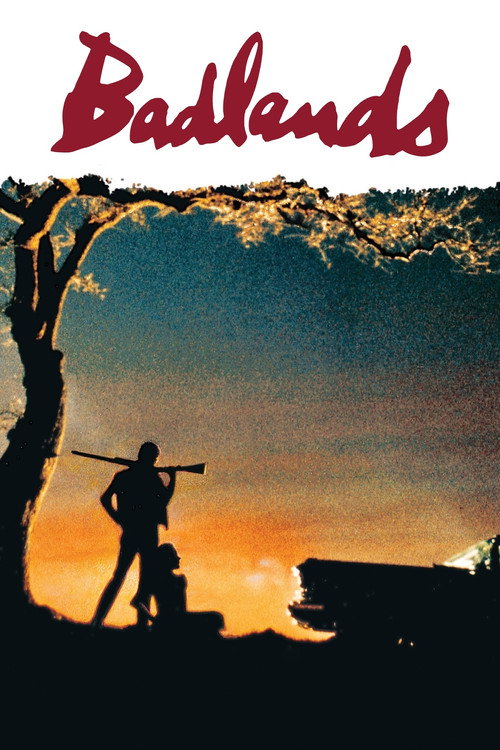
Badlands1973
Malick's poetic take on young lovers on the run shares the anarchic energy and doomed-couple trajectory, but trades transgression for genuine romance and visual rapture. A gentler film, but no less captivating.
But It moves at its own dreamy pace, which some find beautiful and others find glacial. Patience required.
A Prophet2009
Jacques Audiard's prison drama has the same unflinching gaze at male violence and survival instincts, watching men adapt and corrupt themselves within systems designed to contain them. Brilliantly acted and deeply human.
But It's heavy, methodical, and resists catharsis. The world it depicts is relentlessly bleak.

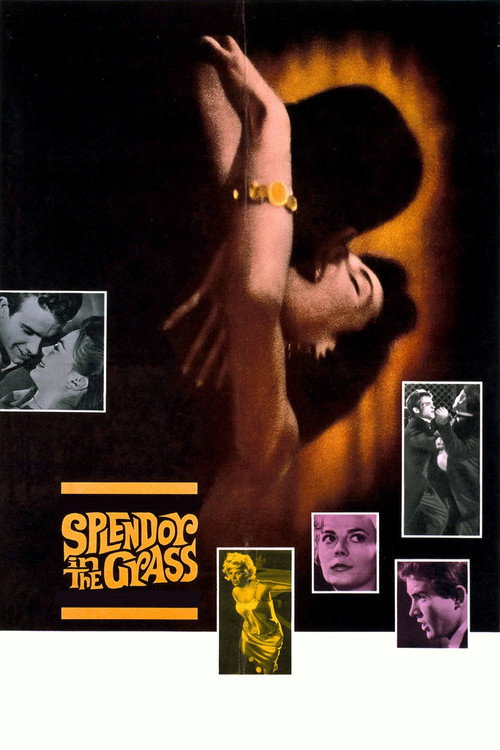
Splendor in the Grass1961
Another film about desire's wreckage in a constrained society. Elia Kazan's melodrama has passion and consequence, tracing how impulse and respectability collide across a lifetime.
But It's earnest where Going Places is flip. The tone is entirely different, even if the themes touch.
Not sure tonight? Get a pick in a minute, starting from Going Places
The wildcard
Something you would not have found on your own.
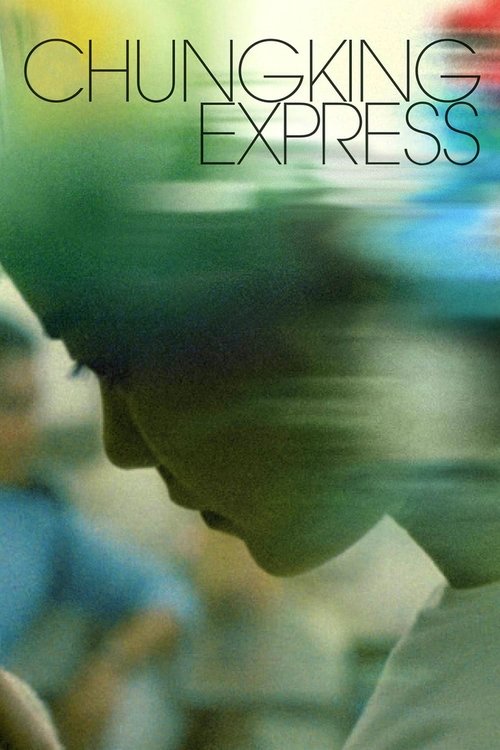
Chungking Express1994
Both refuse to judge their characters' desires or separate crime from romance. Both find the erotic in social transgression and alienation from everyday life.
Wong Kar-wai's neon-soaked romance follows characters adrift in Hong Kong's underworld, searching for connection amid crime and chaos. Like Going Places, it finds beauty in alienation and desire in transgression, but through a completely different register—melancholic, gorgeous, synth-scored.
But It's visually intoxicating but narratively loose. Some find the style overwhelming; others find it indulgent.
More like this (5)
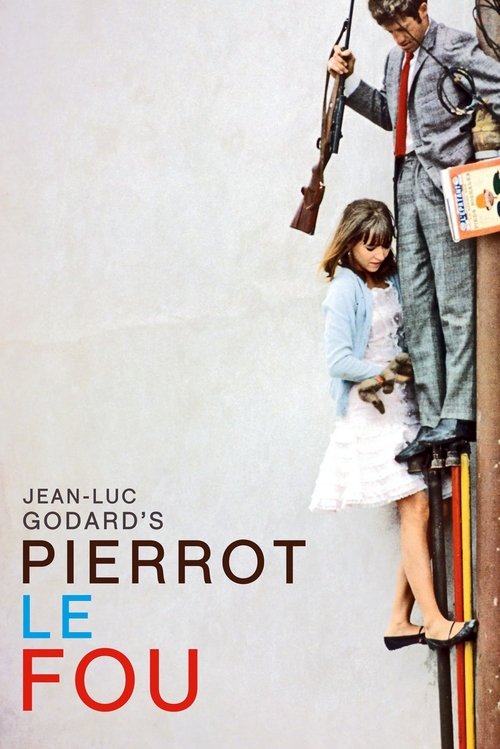
Pierrot le Fou1965
Godard's anarchic lovers-on-the-run film shares the reckless energy and disdain for bourgeois values. Jean-Paul Belmondo and Anna Karina are mesmerizing as they burn through the world around them.
But It's more abstractly playful and less genuinely menacing. The chaos is more formal, less visceral.
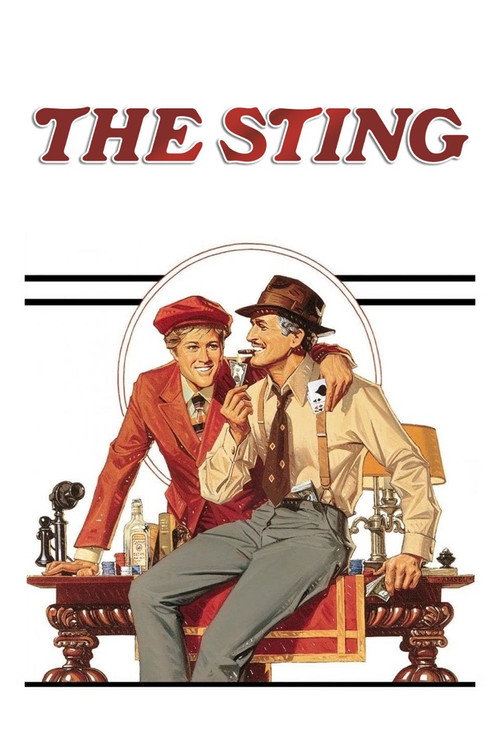
The Sting1973
Newman and Redford's con artists have similar charm and amorality, operating outside law with style and wit. It's the commercial version of the same energy—criminals as anti-heroes we root for.
But It's a heist film, not a character study. The plot machinery matters more than the transgression.
Pandora's Box1929
Pabst's silent masterpiece portrays a woman who leaves devastation in her wake simply by existing and desiring. Louise Brooks is magnetizing; the film understands how sexuality destabilizes society.
But Silent film with intertitles is a significant adjustment. The pacing and acting style feel historical, even if the material doesn't.

Fireworks1997
Both films locate eroticism inside criminality and danger. Both refuse the comfort of moral distance from their characters' worst impulses.
Takashi Ishii's Japanese debut is a graphic, sexually explicit film about yakuza and desire that makes Going Places look almost restrained. Two criminals, sex, violence, and the blurring between humiliation and pleasure—it's transgressive cinema from a different culture, equally fearless.
But Extremely violent, extremely sexual, and made with real depravity. This isn't philosophical transgression—it's ugly, raw, and designed to disgust.

Stalker1979
Both understand desire as the engine of narrative and character. Both show how what people want is often dangerous to them, and how we pursue it anyway.
Tarkovsky's meditative science-fiction film is Going Places' absolute opposite in register—slow, philosophical, obsessed with desire and meaning rather than action. But it shares the same obsession with how desire distorts people and leads them toward what they think they want, knowing it might destroy them.
But Nearly three hours of philosophical science fiction with minimal plot. Demands contemplation; delivers no catharsis or entertainment in the conventional sense.

People
Cast
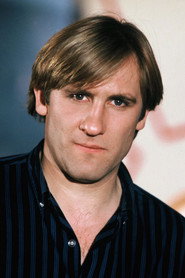 Gérard DepardieuJean-Claude
 Miou-MiouMarie-Ange
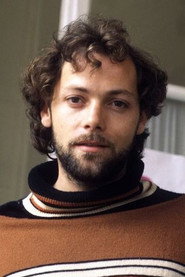 Patrick DewaerePierrot
 Jeanne MoreauJeanne Pirolle
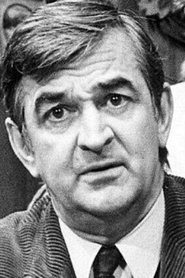 Christian AlersHenri, Jacqueline's father
 Brigitte FosseyWoman on the train
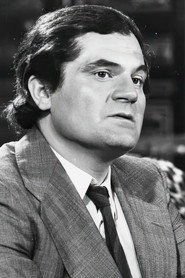 Michel PeyrelonBruno, surgeon
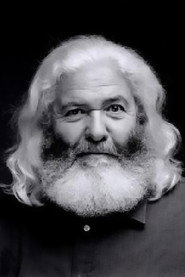 Gérard BoucaronCarnot, mechanic
 Jacques ChailleuxJacques Pirolle
- Eva DamienBruno's wife
 Dominique DavrayUrsula / Suzanne
 Isabelle HuppertJacqueline
Directing
- Bertrand BlierDirector
Writing
- Bertrand BlierNovel
- Bertrand BlierScreenplay
- Philippe DumarçayScreenplay
Production
- Paul ClaudonProducer
Recommended by
Fun with Dick and Jane, Peppermint Soda, My Best Friend's Girl, A Touch of Class, A Simple Story