
Film
Unfaithful
Other titles called Unfaithful: the 2002 film.
A French meta-drama where a controlling director demands increasingly intimate scenes from his actor, blurring the line between performance and violation. Claustrophobic, deliberately provocative, and bracingly honest about power, desire, and the theatre as a space where consent gets dangerously thin. For viewers unafraid of discomfort.
Should you watch it?
Watch it if you like character studies that dig into the ethics of making art, where a single awkward request carries more weight than any plot.
Skip it if you need a clear plot or a lighter touch, since this one stays uneasy and close to its discomfort for most of its runtime, with little relief.
What it asks of you: Under an hour and a half, held in tight, uncomfortable rooms; it moves at a deliberate pace and rewards viewers who stay alert to what goes unsaid.
Not sure? Find tonight's pick in a minute.
If you liked this
La Haine1995
A masterclass in tension and authority dynamics between characters. Mathieu Kassovitz creates unbearable pressure within confined spaces, forcing you to watch power play out in real time with nowhere to hide.
But The 1990s French New Wave aesthetic feels dated now, and the social commentary can feel didactic if you're not patient with it.

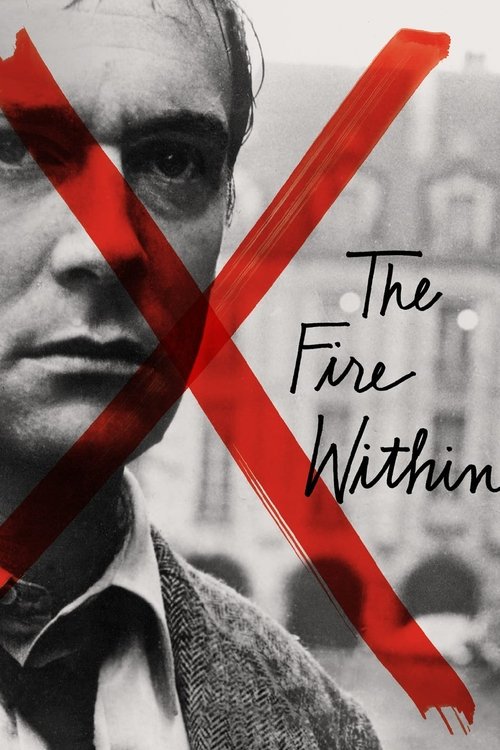
The Fire Within1963
Louis Malle's film examines internal collapse with surgical precision—no melodrama, just the quiet suffocation of a man choosing dissolution. Like Unfaithful, it refuses easy answers about why people hurt themselves and others.
But It's a suicide film, deliberately downbeat, and offers no catharsis. Some will find it punishing rather than illuminating.
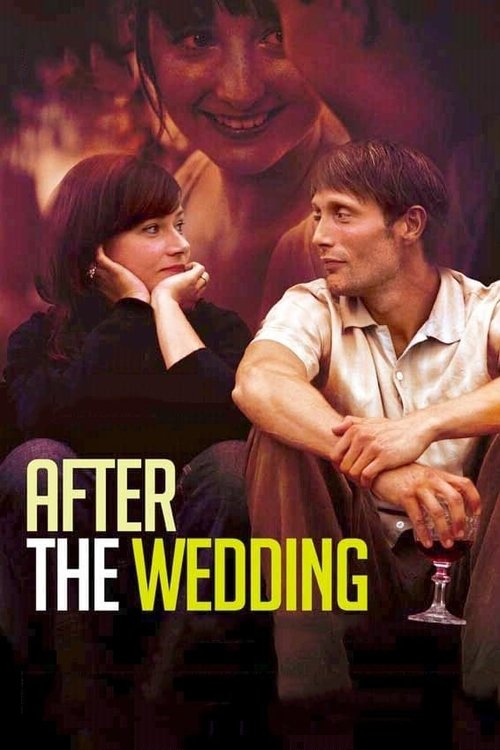
After the Wedding2006
Søren Kragh-Jacobsen dissects manipulation and moral compromise through a similar interrogation structure. Two characters circling each other, each holding secrets, each implicated. Deeply unsettling in quiet ways.
But The pacing is glacial and the emotional stakes are internal. If you need external action, you'll find it slow.
Not sure tonight? Get a pick in a minute, starting from Unfaithful
The wildcard
Something you would not have found on your own.
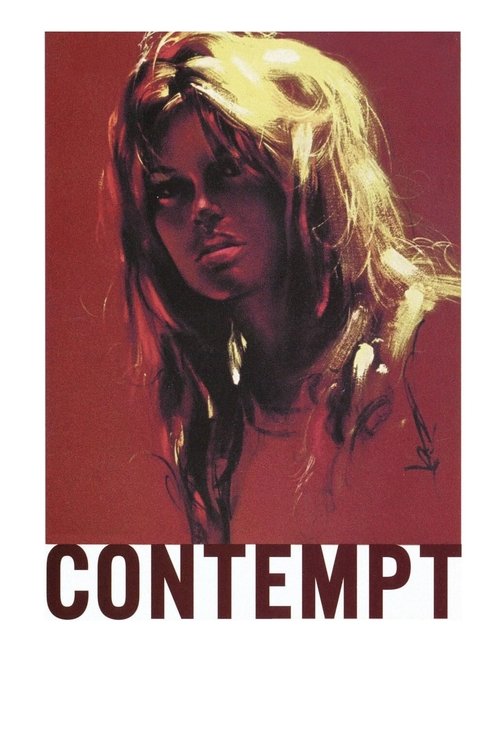
Contempt1963
Both are fundamentally about the impossibility of authentic creation when power and desire twist together. Both use the camera itself as a character in the power dynamic.
Godard's film is about a film being made—a director (Fritz Lang, playing himself) clashing with a producer over artistic vision, with the actor couple caught between them. It's the DNA of Unfaithful's relationship dynamics, but filtered through Godard's radical dissection of cinema itself.
But It's self-reflexive to the point of parody. If you don't find the *idea* of a film about cinema-making interesting, the actual plot feels negligible.
More like this (8)
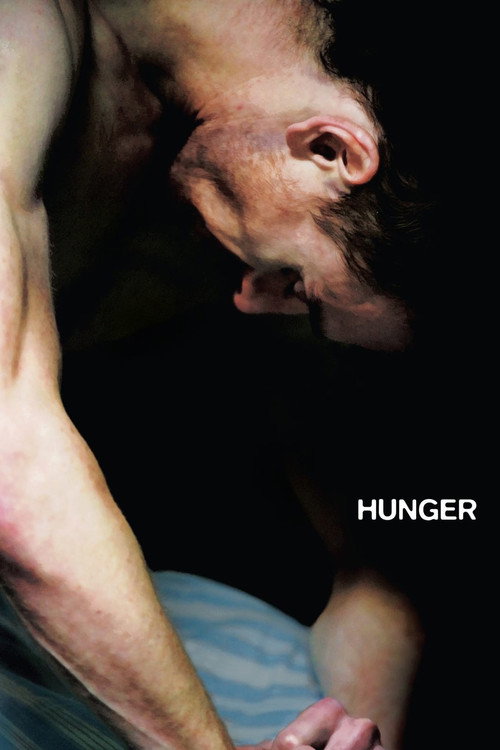
Hunger2008
Steve McQueen's directorial debut examines the relationship between captor and captive—specifically, a British prison warden and an IRA hunger striker. Unflinching about bodies as battlegrounds and power's intimate dimensions.
But Extended scenes of physical degradation. Some viewers will find it exploitative rather than exploratory, and it doesn't flinch from that tension.
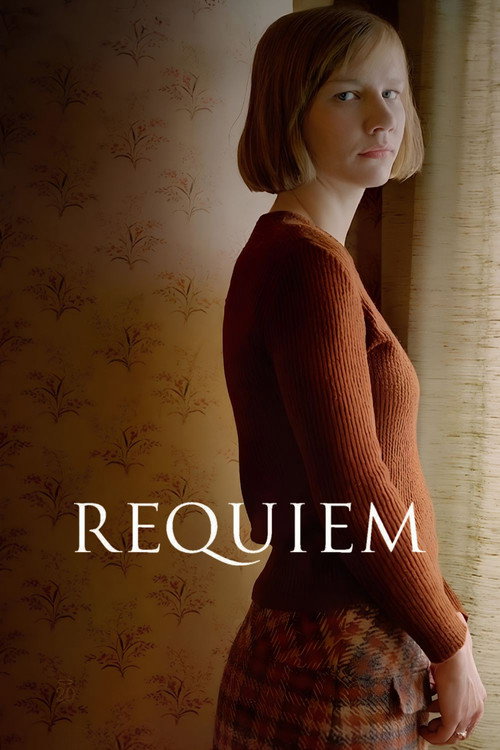
Requiem2006
Hans-Christian Schmid's documentary-style fiction film about exorcism traps you in institutional control and psychological collapse. The relationship between priest and subject parallels the director-actor dynamic: authority disguised as care.
But It's deliberately ambiguous about what's real and what's delusion. If you want clarity, you won't find it.
Possession1981
Andrzej Żuławski's fever-dream of a marriage collapsing in divided Berlin. Chaotic, baroque, deliberately irrational—but profoundly interested in how two people can destroy each other through obsession and refusal to let go.
But It's a mess by design. Incoherent pacing, overwrought acting, and a plot that resists sense. Works as an emotional howl more than a narrative.

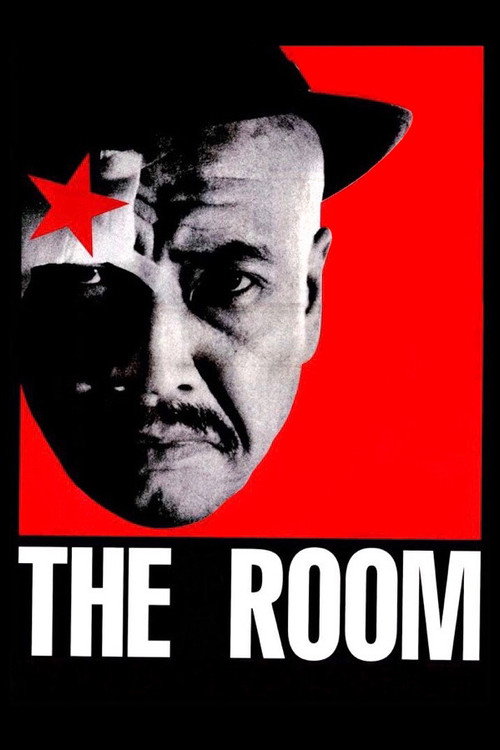
The Room1993
Harald Svendsen's claustrophobic chamber piece about a power struggle in an empty room. Two men, psychological manipulation, shifting ground. Stripped-down and relentless about how authority operates in isolation.
But Very slow, conceptual, and sometimes feels more like a philosophical exercise than a story. You have to meet it halfway.
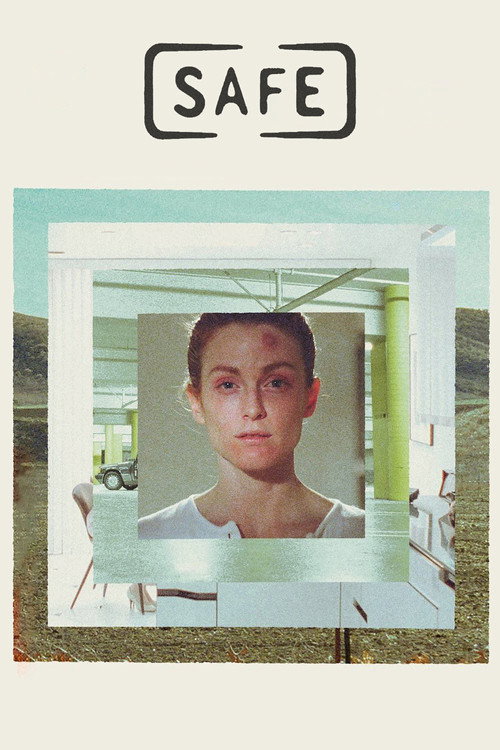
Safe1995
Todd Haynes explores how institutions and authority figures exploit vulnerability. Julianne Moore's slow dissolution in a wellness center becomes a metaphor for how power masquerades as care—the same tension at Unfaithful's core.
But It's deliberately vague about whether the threat is environmental, psychological, or imagined. That ambiguity frustrates some viewers.
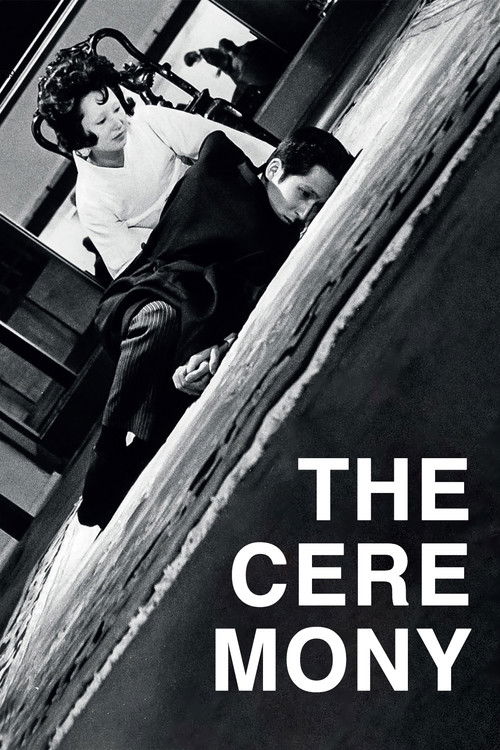
The Ceremony1971
Nagisa Oshima's radical film about ritual, performance, and inherited authority. A family enacts traditions that become increasingly deranged and violent. Interested in how performance and reality collapse into each other.
But It's formally experimental and deeply strange. The allegory can feel obscure, and the violence is transgressive in ways designed to alienate.
Come and See1985
Both films are interested in how someone's consciousness can be colonised by another's will. Both refuse to let you stay comfortable.
Elem Klimov's devastating Soviet war film follows a child's consciousness being systematically destroyed. The relationship between the hardened partisan and the boy mirrors the director-actor dynamic: one person's will consuming another's innocence, justified by ideology.
But This is not entertainment. It's a harrowing document of psychological annihilation. Watching it feels like punishment.

The Turin Horse2011
Where Unfaithful shows power at its most aggressive, Tarr shows what's left when power itself has nowhere to go—the intimacy that remains when all else has failed.
Béla Tarr's final film is apocalyptic and sparse—a man and his servant in declining repetition, power softening into codependency as the world ends. The master-servant dynamic becomes tender and tragic in ways that reframe what control actually means.
But It's extremely slow, visually monotonous, and philosophically bleak. The repetition is the point, but it may feel like punishment rather than insight.

People
Cast
- Claude PérèsThe Director
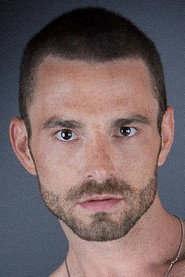 Marcel SchluttThe Actor
Directing
- Claude PérèsDirector
Writing
- Claude PérèsWriter
Production
- Nathalie HazizaExecutive Producer
- Claude PérèsProducer