
Film
Ring of Fire
A 1961 crime thriller where three teenagers overpower sheriff deputies and hold them hostage while forest fires close in around them. It's lean and tense, driven by the claustrophobia of the landscape and the moral weight of ordinary people pushed into extraordinary circumstances. Ideal for fans of early-sixties crime procedurals and survival scenarios.
Should you watch it?
Watch it if you like tight, sweaty B-movie thrillers where a few people are cornered and the danger comes from a closing situation rather than stunts.
Skip it if you need brisk modern pacing or expect the forest fire to dominate, since the talk-heavy stretches run slow and the dialogue feels distinctly of its era.
What it asks of you: At ninety-one minutes it stays mostly inside one tense standoff, so expect slow talk and mounting dread rather than rapid cutting.
Not sure? Find tonight's pick in a minute.
If you liked this
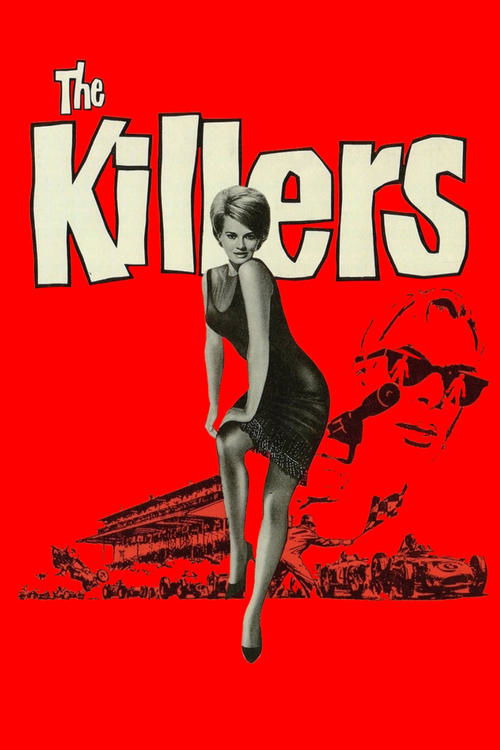
The Killers1964
Siegel's taut thriller about two hitmen tracking their target across a small American town. Like Ring of Fire, it builds terrible momentum through sparse dialogue and inevitability, with strong supporting performances grounding the violence.
But It's deliberately paced and abstract—long stretches with minimal plot movement will test your patience if you want constant action beats.
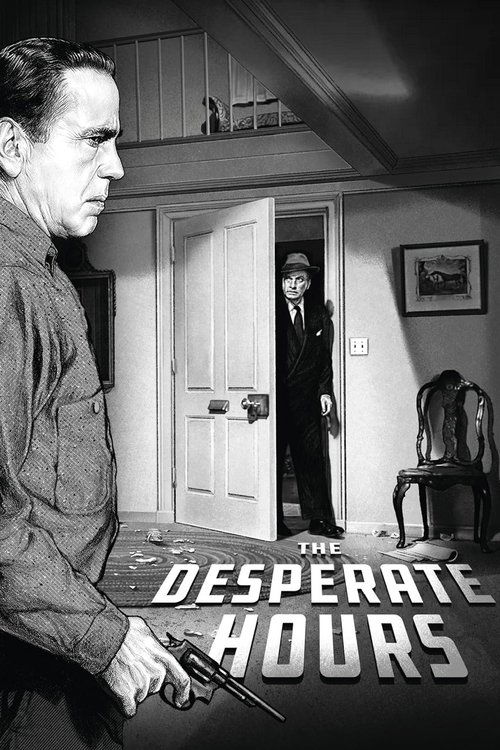
The Desperate Hours1955
Wyler's masterpiece of ordinary people trapped with criminals. Fredric March and Humphrey Bogart in a house under siege; the psychological pressure builds unbearably. The template for every hostage thriller that followed.
But Slow by modern standards, and the family dynamics may feel dated if you're not attuned to 1950s domestic drama beneath the crime.
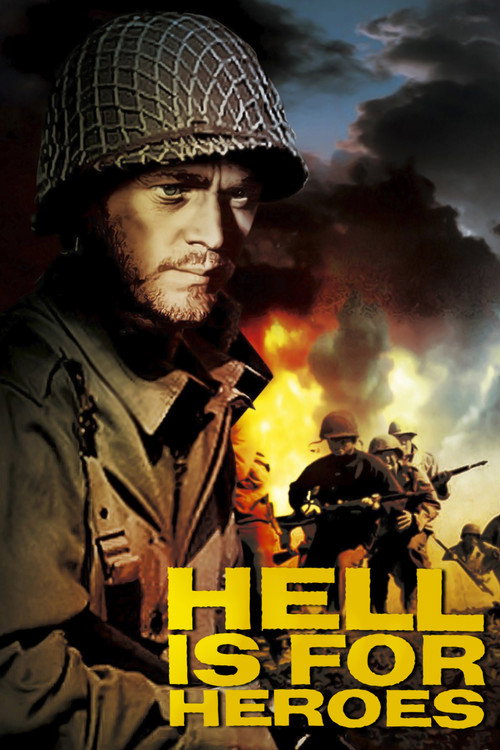
Hell Is for Heroes1962
Another David Janssen role, a war film with the same hardscrabble authenticity. Men under pressure, high stakes, the landscape as antagonist. Shows Janssen's range as an actor carrying serious dramatic weight.
But It's a war film, not a crime thriller, so the tone and setting are completely different—only the actor and mood connect.
Not sure tonight? Get a pick in a minute, starting from Ring of Fire
The wildcard
Something you would not have found on your own.
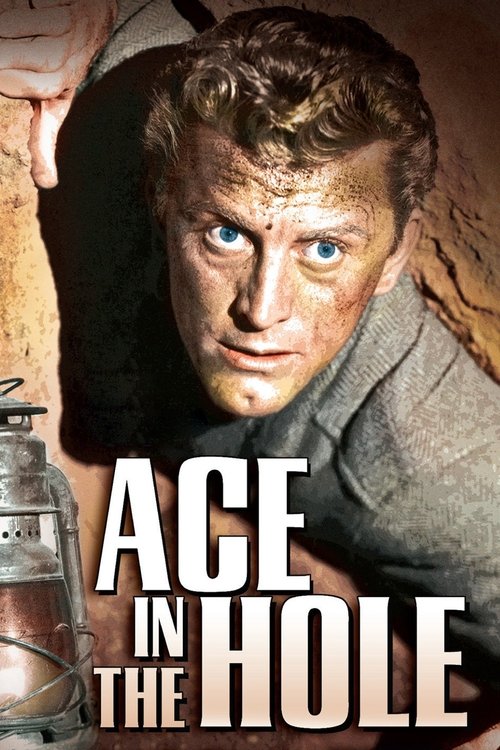
Ace in the Hole1951
Both films ask what violence and desperation reveal about ordinary people. Ring of Fire asks: what makes teenagers into criminals? Ace in the Hole asks: what makes a good man into a monster? Same darkness, opposite angles.
Billy Wilder's acid-black masterpiece about a journalist who deliberately keeps a man trapped in a cave to maintain his story. The hostage scenario inverted: the captor is the one with moral clarity, the free man is the criminal. A moral mirror to Ring of Fire's straightforward hostage crisis.
But It's relentlessly cynical and angry, offering no heroes or moral rest. If you want any character to root for, you'll be frustrated.
More like this (8)
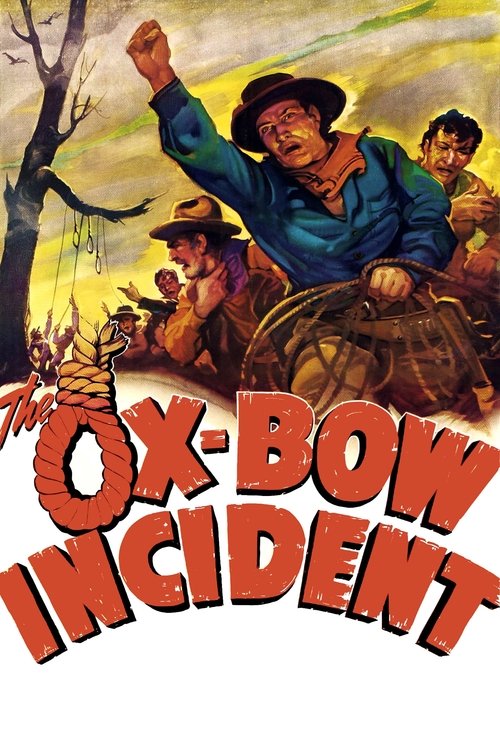
The Ox-Bow Incident1943
A lynch mob in the desert, moral collapse under pressure, ordinary men becoming something terrible. The parallax of Ring of Fire—how good people commit violence when circumstances align. Stunning in its restraint.
But It's a western and a philosophical essay, not an action film. If you want propulsion rather than moral reckoning, this will feel static.
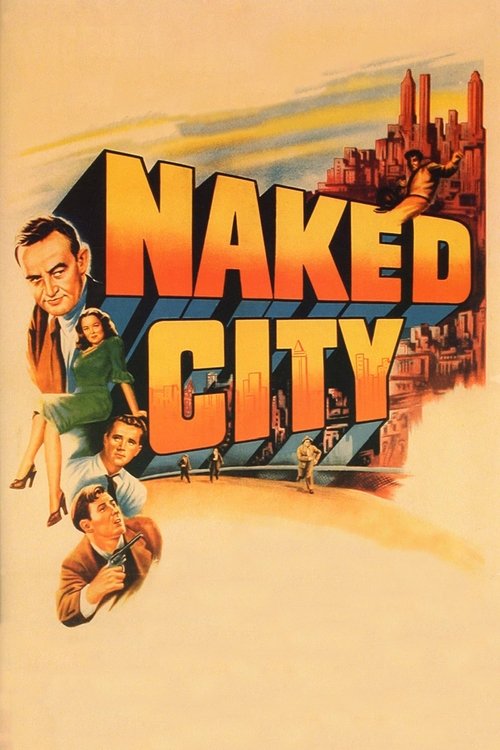
The Naked City1948
Dassin's procedural about cops hunting killers through New York. Grounded, unglamorous police work, location shooting that feels documentary-real. The DNA of every crime thriller that values authenticity over spectacle.
But The pacing is glacial by modern standards, and the plot resolves almost incidentally compared to the atmosphere.
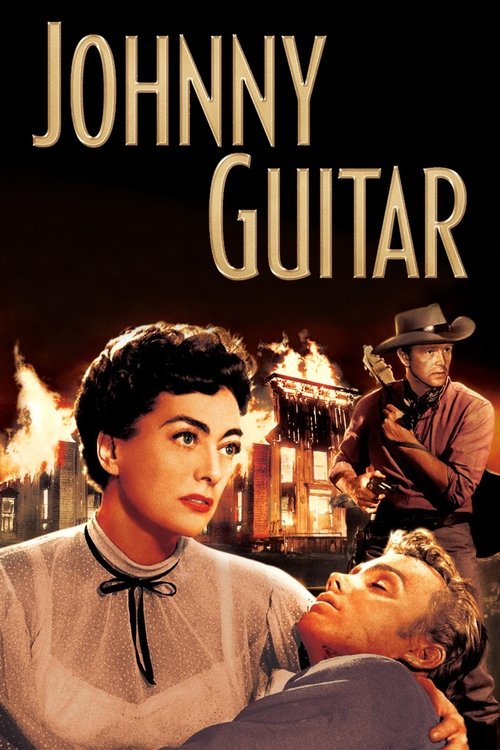
Johnny Guitar1954
Nicholas Ray directing a western with erotic tension and psychological extremity. A hostage situation under siege, loyal henchmen, violence emerging from twisted loyalty and desire. Visual language that predates Ring of Fire's directional approach.
But It's baroque and strange, full of psychological subtext that some viewers find pretentious rather than enriching.
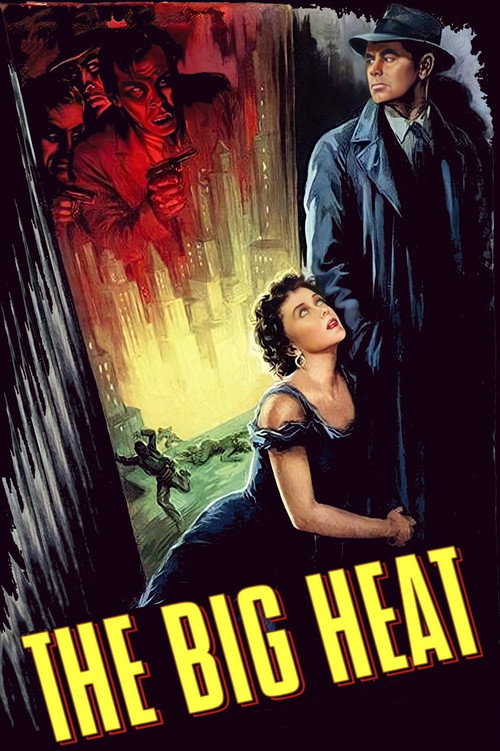
The Big Heat1953
Fritz Lang's revenge noir. A cop's life destroyed, then rebuilt through violence. The moral geometry of a good man forced into crime by circumstance—the inversion of Ring of Fire's scenario.
But It's cynical and brutal, and the female lead suffers terribly. The misogyny isn't subtext; it's the point, which won't sit well with modern audiences.
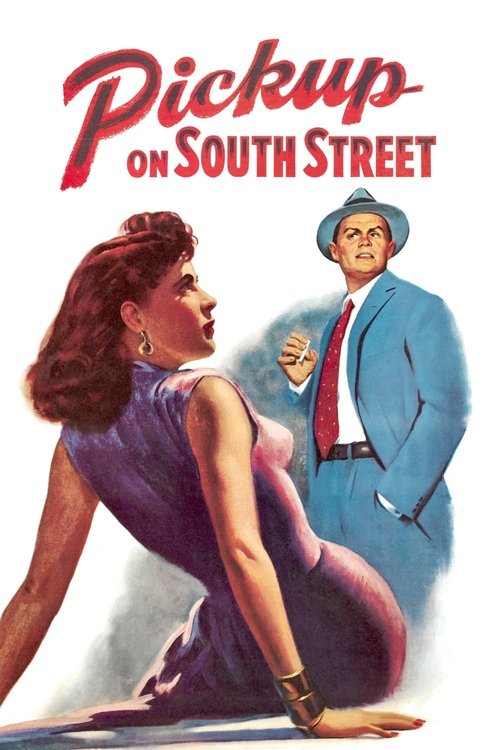
Pickup on South Street1953
Fuller's tight, energetic thriller about pickpockets, spies, and the cold war. Janssen-era character actors anchoring a fast-moving plot with real stakes and moral ambiguity throughout.
But It's short and punchy, which some viewers mistake for thin—there's actual complexity under the pace, but it doesn't announce itself loudly.
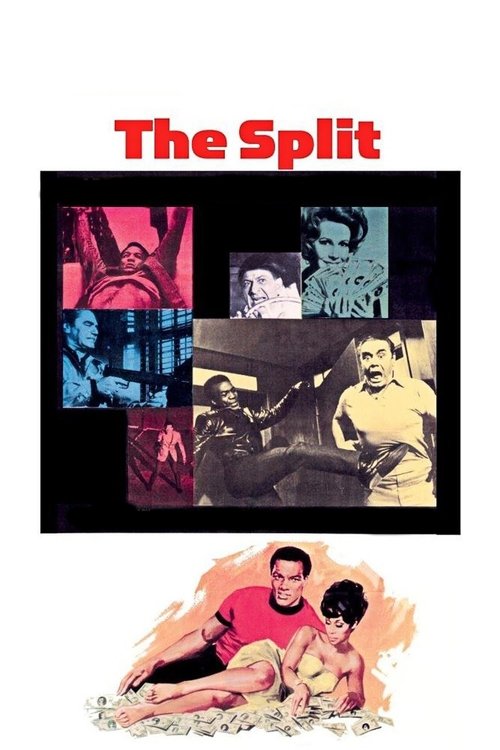
The Split1968
A heist film with Jim Brown and an ensemble cast. The post-Ring of Fire evolution of American crime cinema—faster, funkier, more conscious of race and class. Shows how the genre matured.
But The sixties styling and music will read as dated to some viewers, and the plot is less about moral tension than logistical cleverness.
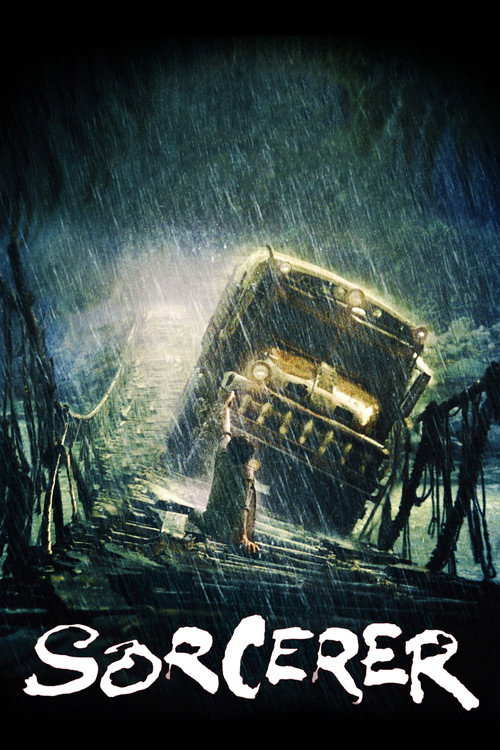
Sorcerer1977
Both films use geography as moral pressure—fire in the mountains, or jungle and river—forcing people into choices they'd never otherwise make. But Ring of Fire is efficient crime procedural; Sorcerer is hallucinatory and baroque, from a completely different directorial era and sensibility.
Friedkin's hallucinating nightmare about four desperate men driving dynamite through a South American jungle. Landscape as active malevolence, desperation breeding terrible decisions, survival an illusion. The prose poem version of Ring of Fire's pulp premise.
But It's nearly two and a half hours of unrelenting pressure and misery. There are no breathers, no jokes, and everyone suffers. Exhausting by design.
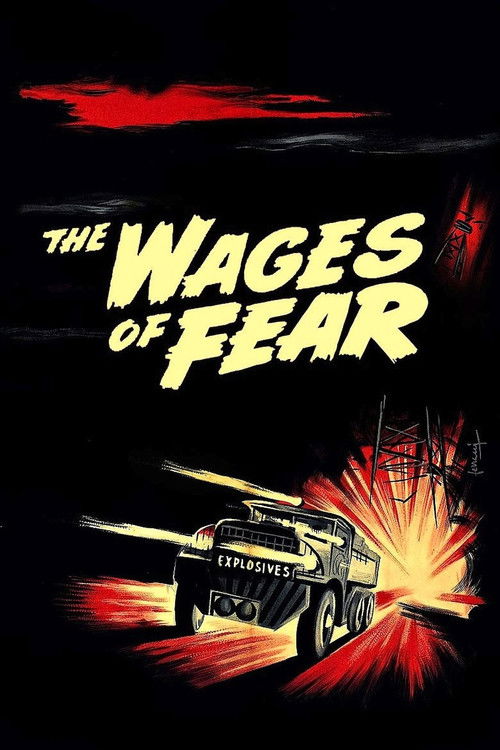
The Wages of Fear1953
Both are about ordinary men pushed by external forces into extreme situations. But Ring of Fire is about crime and law; Wages of Fear is about class and the absurdity of survival itself. One asks 'will they be caught?' The other asks 'why are we alive at all?'
Clouzot's masterpiece. Four men drive trucks full of nitroglycerin across mountain roads to an oil fire. The setup feels like Ring of Fire's setup—men trapped by circumstance and landscape—but it's existential and French, examining how fear and desperation expose class hatred and cowardice. A companion to Ring of Fire rather than a remake.
But It's nearly two and a half hours, subtitled, and European in its refusal to provide emotional release or moral clarity. The pacing will feel glacial to action-film viewers.
People
Cast
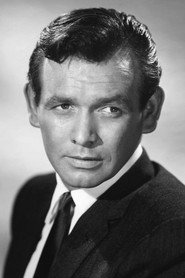 David JanssenSergeant Steve Walsh
 Joyce TaylorBobbie 'Skidoo' Adams
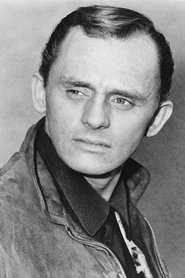 Frank GorshinFrank Henderson
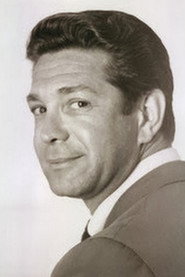 Joel MarstonDeputy Joe Pringle
- James JohnsonRoy Anderson
- Ron MyronSheriff Tom Niles, Mason County
- Marshall KentDeputy
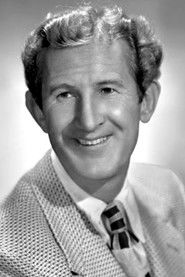 Doodles WeaverMr. Hobart
Directing
- Andrew L. StoneDirector
Writing
- Andrew L. StoneWriter