
Film
The Spirit of St. Louis
Lindbergh's obsession rendered as intimate drama. Wilder watches his hero wrestle with engineering, money, doubt, and the crushing weight of his own ambition. James Stewart carries the entire film with remarkable restraint—this is about the grinding, unglamorous work before glory, not the triumph itself. For those who love character studies and the quiet desperation of dreamers.
Should you watch it?
Watch it if you enjoy a quiet, craftsmanlike portrait of one stubborn person wrestling with logistics and doubt, where the drama lives in engineering problems and solitude rather than big set pieces.
Skip it if you need other characters to carry scenes, because much of the film is one man alone with his thoughts and his drawing board, and the pace is deliberate.
What it asks of you: Settle in for over two hours of patient, mostly solitary work, where the rhythm is steady and unhurried and the light tone comes from dry, gentle humour rather than spectacle.
Not sure? Find tonight's pick in a minute.
If you liked this
The Right Stuff1983
Tom Wolfe's epic of American aviation, from test pilots to astronauts. Same hunger to push beyond limits, same mixture of technical mastery and personal cost, same understanding that heroes are often just stubborn men.
But Considerably longer and more sprawling than Spirit. The tone shifts between reverence and comedy in ways that might feel scattered.
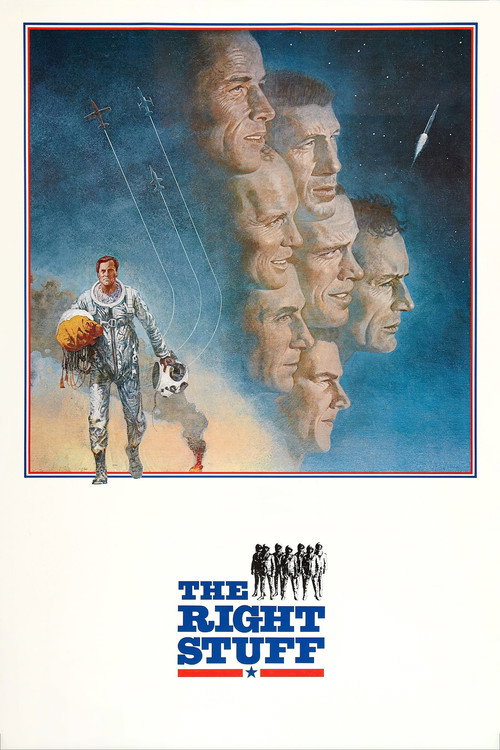
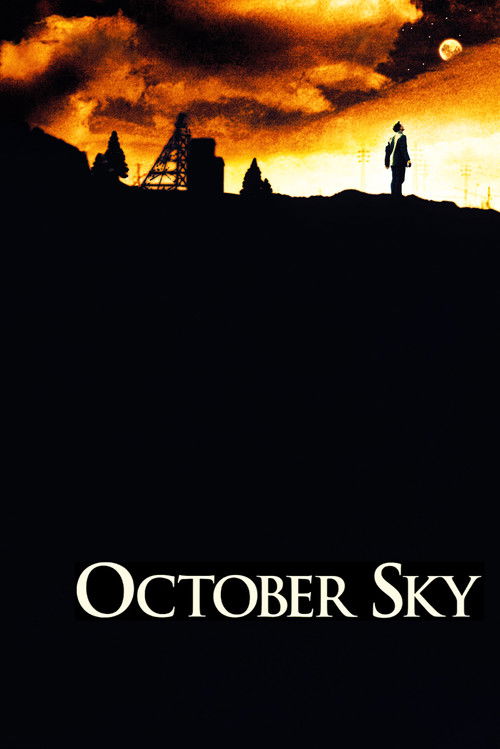
October Sky1999
A boy builds a rocket to escape his small town and prove himself to his father. Same structure as Spirit—the obsession, the setbacks, the makeshift engineering, the dream that sustains you through failure.
But Warmer and more sentimental than Wilder's film. If you want emotional catharsis instead of austere drama, you might find it oversweetened.
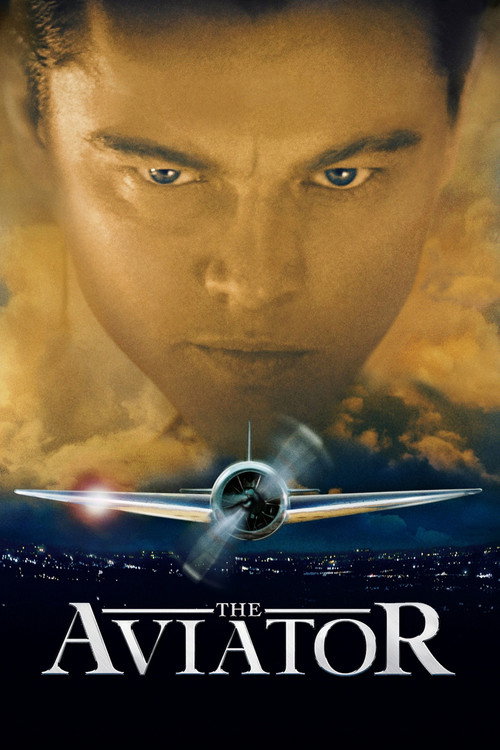
The Aviator2004
Scorsese on Howard Hughes and the fever dream of aviation. Another portrait of a man consumed by technical perfection and the need to be first, though this one descends into obsession and madness.
But Glossier, louder, and far more interested in glamour than Spirit is. The psychological deterioration might overshadow what you're looking for.
Not sure tonight? Get a pick in a minute, starting from The Spirit of St. Louis
The wildcard
Something you would not have found on your own.
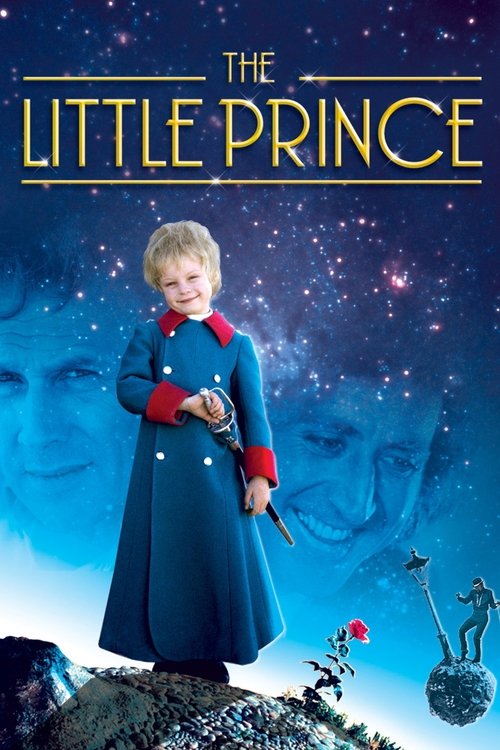
The Little Prince1974
Both center on real pilots whose vision exceeded the available technology, and both films are fascinated by the solitude and poetry of flight. But Demy makes it a myth; Wilder makes it real.
Demy's musical film about Saint-Exupéry, the pilot-poet who flew dangerous routes and wrote The Little Prince. Gorgeously romantic about aviation and the men drawn to it. Completely unlike anything you expect.
But A French musical fantasy, not a biopic. It prioritizes dream-logic and emotion over historical fact. Requires patience with artifice and song.
More like this (6)
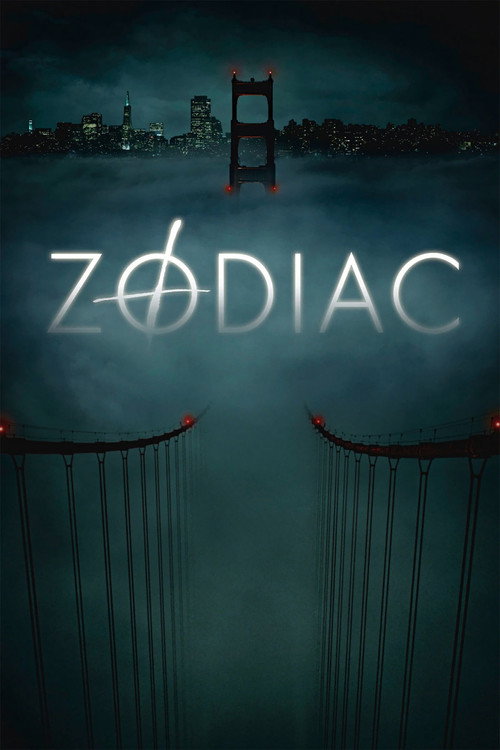
Zodiac2007
Fincher's patient dissection of obsession: men chasing an answer across years, derailing their lives in service of something they may never solve. Methodical, exacting, and utterly gripping.
But A serial killer thriller, not a biopic. The tone is cold and occasionally bleak in ways Spirit never approaches.
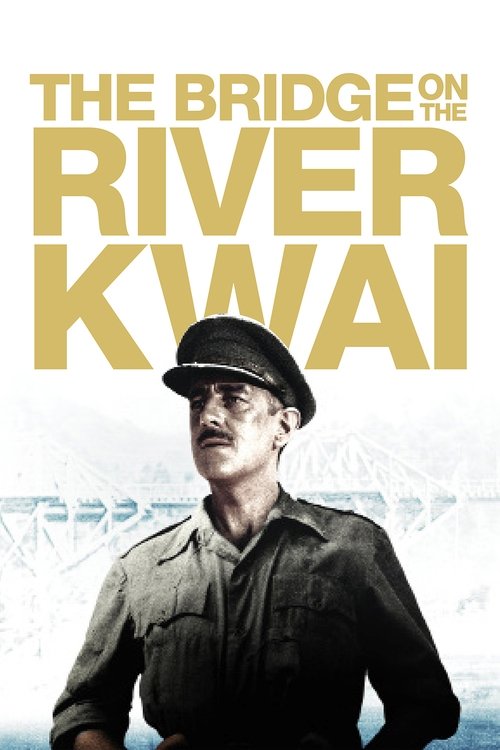
The Bridge on the River Kwai1957
Made the same year, also about a man whose pride and perfectionism drive him toward something that may destroy him. Alec Guinness gives a performance of similar restraint and power.
But A war film with action sequences. If you want the interior study of a single character without external conflict, this broadens the canvas considerably.
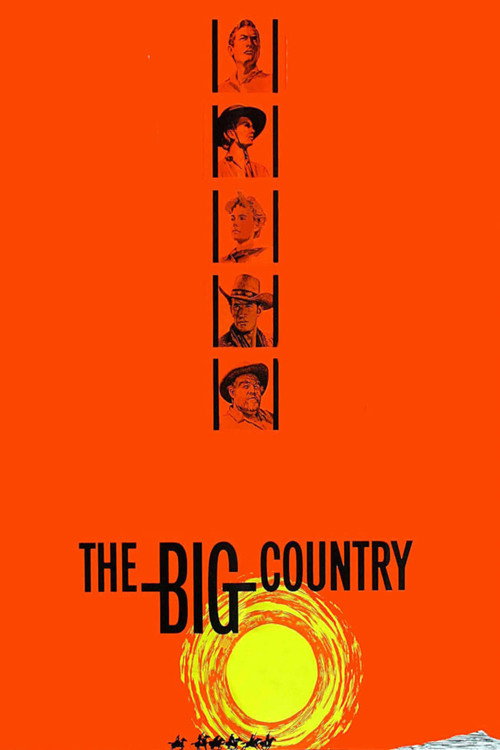
The Big Country1958
Gregory Peck as a man learning to define himself against American myth. Epic in scope but intimate in its character work. Wyler and Stewart's approach to masculine interiority translated to western.
But A western. Even excellent ones ask you to invest in an entire world, not just one man's head.
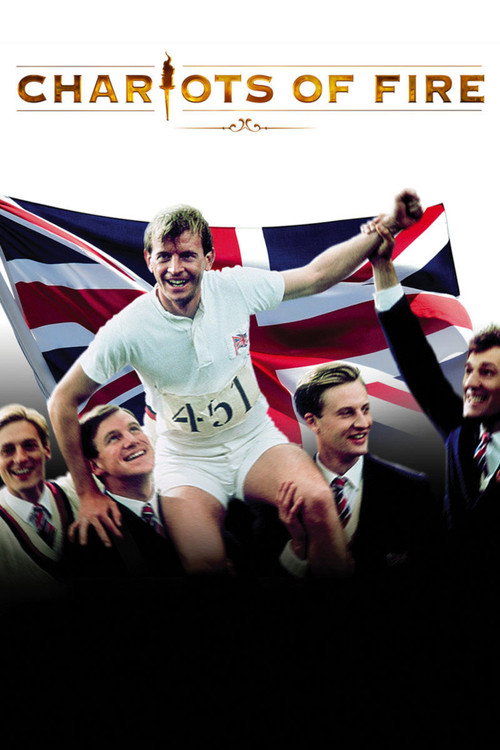
Chariots of Fire1981
Two men driven toward Olympic glory by entirely different engines—faith, nationalism, ambition. Visually stunning and deeply humanizing about what compels us toward the extraordinary.
But Heavily structured around montage and score rather than dialogue and character detail. More inspirational than introspective.
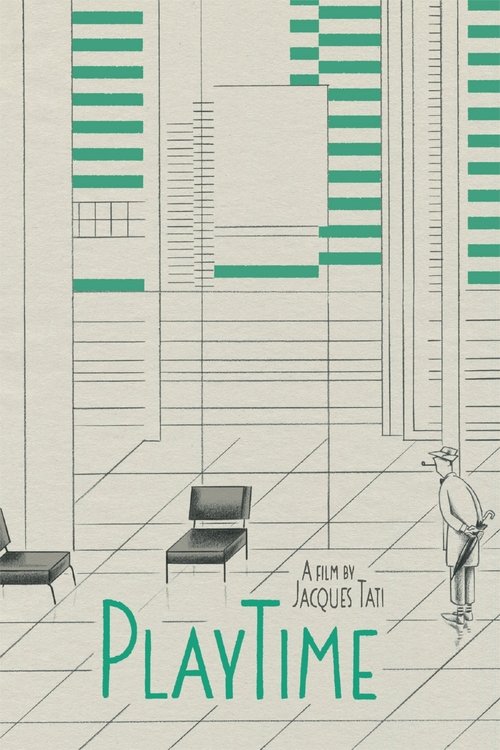
PlayTime1967
Both films find the drama in *how things work*—the nuts-and-bolts obsession with making something function. Tati laughs at it; Wilder reverences it. Both take the subject seriously.
Tati's masterpiece, a sprawling comedy about a man navigating a sterile, hyper-functional world he doesn't belong to. Structurally it's about the *process* of trying to make something work—bureaucracy, design, failure, adaptation.
But Nearly three hours of largely silent observation. No plot, no emotional arc, no music. Tests your patience deliberately.
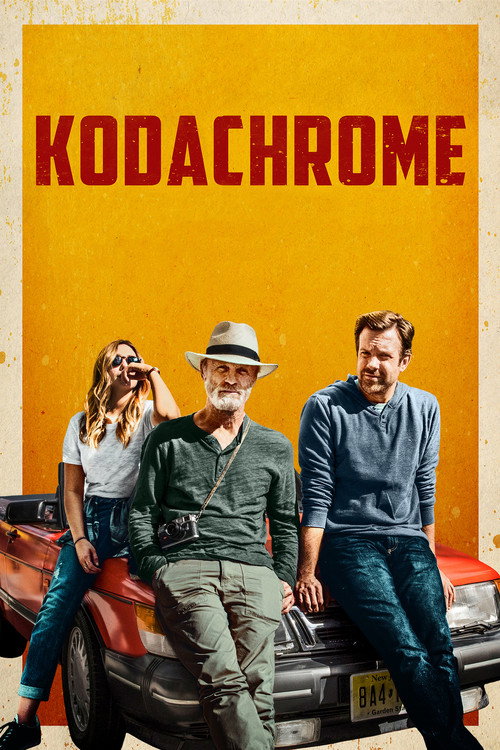
Kodachrome2017
Both are elegies for an era when singular men could achieve singular feats with singular tools. Both ask: what does it mean when the world moves past the thing you've dedicated yourself to mastering?
A documentary about the last roll of Kodachrome film ever made. A man travels to Kansas with his estranged son to photograph with this dying medium before it vanishes. Profound meditation on obsolescence, craft, and what we lose.
But Not a narrative film. It's a real documentary with real people, which changes the texture entirely. Some might find it too gentle or too contemporary.
People
Cast
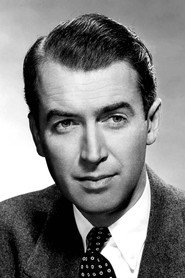 James StewartCharles Augustus 'Slim' Lindbergh
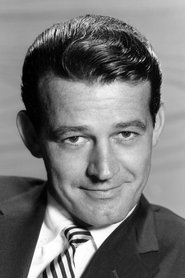 Murray HamiltonBud Gurney
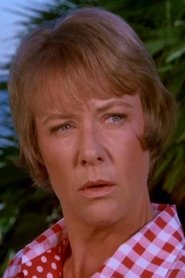 Patricia SmithMirror Girl
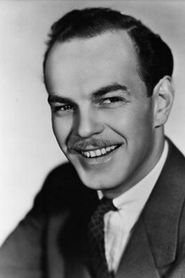 Bartlett RobinsonBenjamin Frank Mahoney, President Ryan Airlines Co.
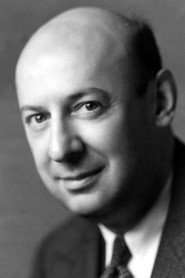 Marc ConnellyFather Hussman
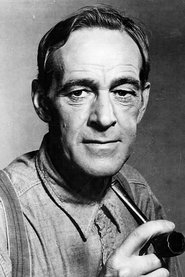 Arthur SpaceDonald Hall, Chief Engineer Ryan Airlines
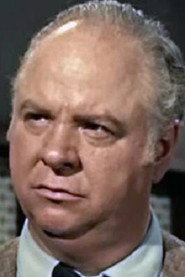 Charles WattsO.W. Schultz, Salesman Atlas Suspender Co.
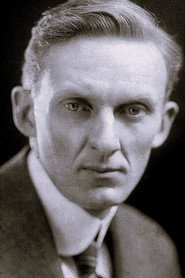 Erville AldersonBurt (uncredited)
- Frances AllenMother from Oklahoma (uncredited)
- David AlpertClerk (uncredited)
- Walter BaconCrowd Member in France (uncredited)
- Gordon BarnesReporter (uncredited)
Directing
- Charles C. ColemanAssistant Director
- Don AlvaradoAssistant Director
- Billy WilderDirector
- James A. RosenbergerSecond Assistant Director
- George VieiraSecond Unit Director
Writing
- Charles LedererAdaptation
- Charles A. LindberghNovel
- Billy WilderScreenplay
- Wendell MayesScreenplay
Production
- Billy WilderProducer
- Leland HaywardProducer