
Film
The Forty-First
A Soviet war film where a Red Army sniper falls for a White Army officer she's been hunting. Shot in 1956, it's a tense, visually striking drama that uses romance to explore the human cost of ideological conflict. Quietly powerful, built on restraint and the weight of impossible choices—for viewers drawn to character-driven wartime cinema.
If you liked this
Come and See1985
A masterpiece of war cinema that, like The Forty-First, refuses to sanitise conflict. It follows a young partisan through the horrors of WWII with unflinching intensity and moral complexity that will shatter you.
But Brutally difficult viewing. The violence is graphic and the emotional toll deliberate—this isn't entertainment, it's a confrontation with what war actually does.

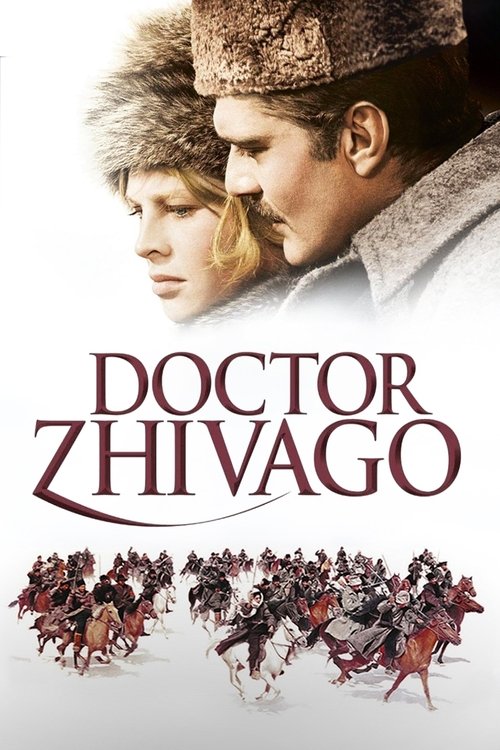
Doctor Zhivago1965
Epic Russian romance set against civil war and revolution. Shares the same collision between personal love and historical forces, with stunning cinematography and a score that haunts you for weeks.
But Runs over three hours and the plot can feel meandering if you're not patient with its unhurried, meditative pace.
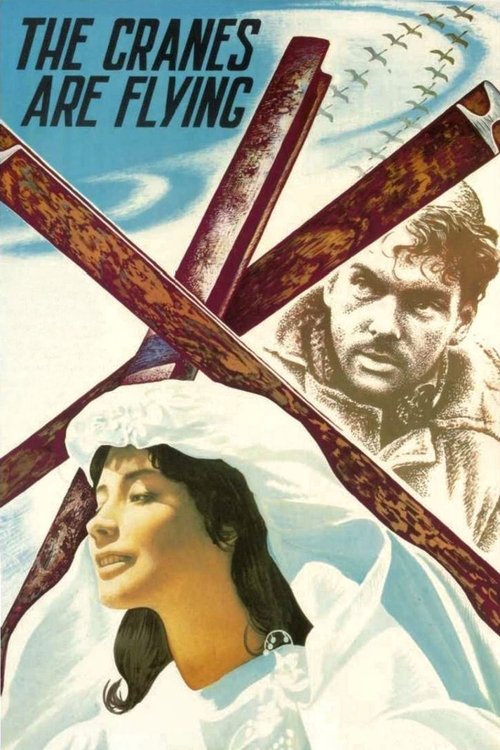
The Cranes Are Flying1957
Another Soviet masterpiece about lovers separated by war. It has the same visual poetry and emotional directness as The Forty-First, with an equally devastating exploration of what love costs when history intervenes.
But The print quality varies depending on where you find it, and the pacing is deliberately slow—modern audiences sometimes find it hard to settle into.
Not sure tonight? Get a pick in a minute, starting from The Forty-First
The wildcard
Something you would not have found on your own.
Brief Encounter1945
Both films are about love as a force that demands everything while guaranteeing nothing. Both find their power in what remains unsaid and what must be sacrificed.
Noël Coward's exquisite study of two strangers discovering they're in love, snatched meetings in a railway café, the knowledge that it can never last. It reverses The Forty-First's formula—not enemies made lovers, but lovers who can't escape being enemies to duty.
But It's resolutely English and buttoned-up. The restraint is almost invisible; some viewers find it frustrating rather than moving.

More like this (7)
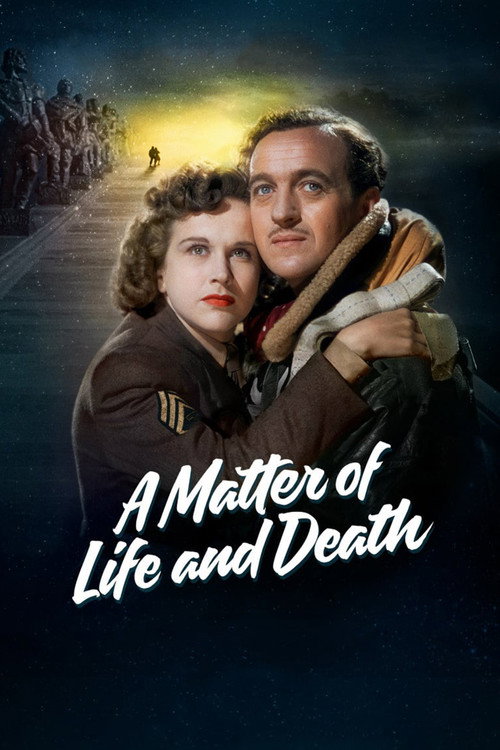
A Matter of Life and Death1946
A British film about a pilot falling in love with an American woman as he faces court-martial and possible execution. It shares the high-stakes intimacy and the question of whether love can survive impossible circumstances.
But It's visually ornate and philosophically abstract in ways that can feel dated or precious if you're in the mood for something grounded.
Stalker1979
Tarkovsky's meditative sci-fi about desire and meaning. Like The Forty-First, it's interested in the spiritual and moral weight of desire—what we want versus what we're willing to pay for it.
But Slow to the point of glacial. If you need plot momentum or action, this will feel interminable.

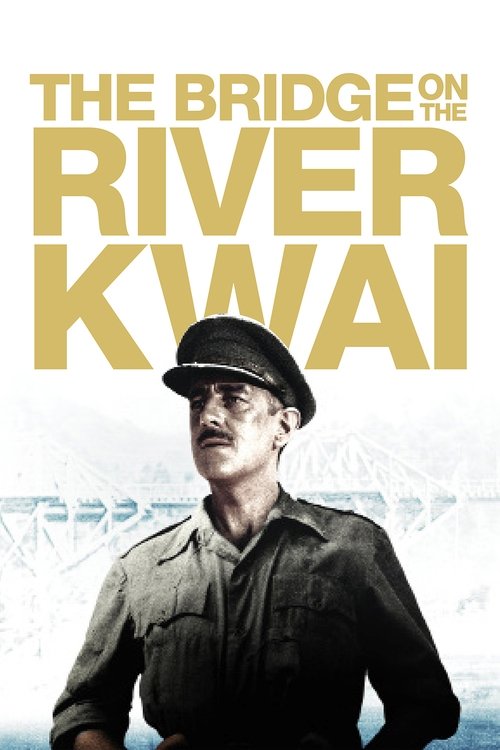
The Bridge on the River Kwai1957
A war film about duty, honour and the impossible choices soldiers face. It has the same moral complexity as The Forty-First—everyone is trapped, and there are no clean answers.
But The 1950s Hollywood sensibility sometimes softens the edges of what could be a harder, stranger film.
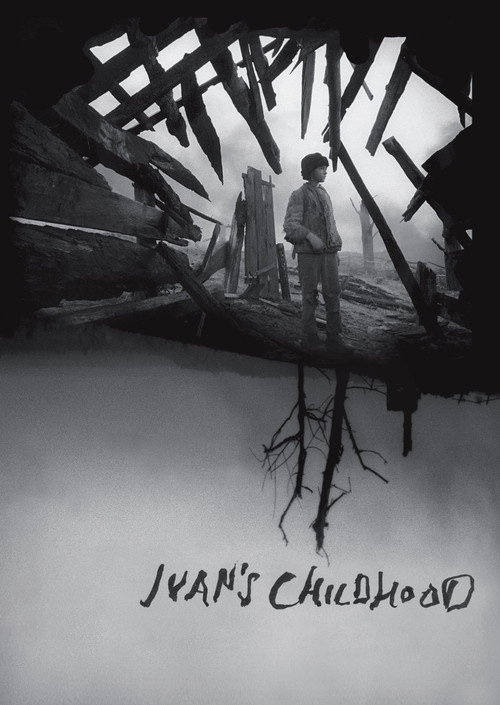
Ivan's Childhood1962
Tarkovsky's first feature follows a boy in WWII Soviet Russia. It shares the Russian sensibility and visual poetry of The Forty-First, with the same unflinching look at war's human cost.
But At 95 minutes it feels even shorter than it is—if you want full immersion, you might find yourself wanting more.
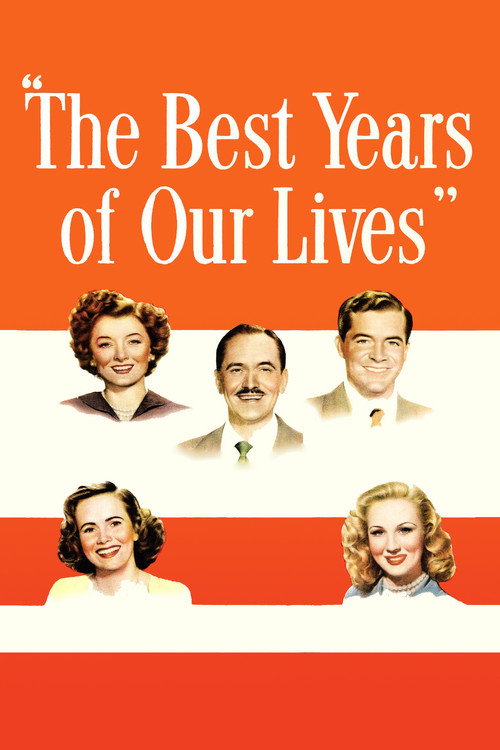
The Best Years of Our Lives1946
About soldiers returning from WWII and trying to rebuild. It captures the same quiet tension between individual happiness and historical forces, with extraordinary restraint and humanity.
But Three and a half hours, and it's very much an American film—the worldview and values are quite different from Soviet cinema.
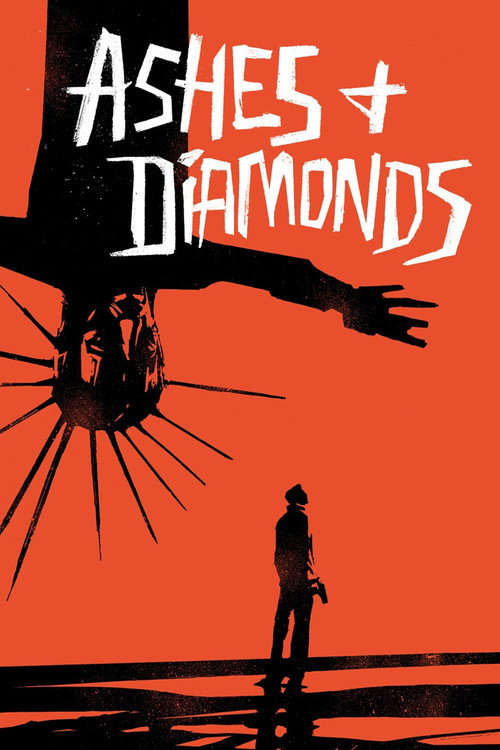
Ashes and Diamonds1958
Polish post-war drama about a resistance fighter in the chaos of 1945. It has the same visual intelligence and moral ambiguity as The Forty-First, asking what loyalty means when everything is falling apart.
But The political context is very specific to Poland and 1958, which can make it feel hermetic if you don't know the history.
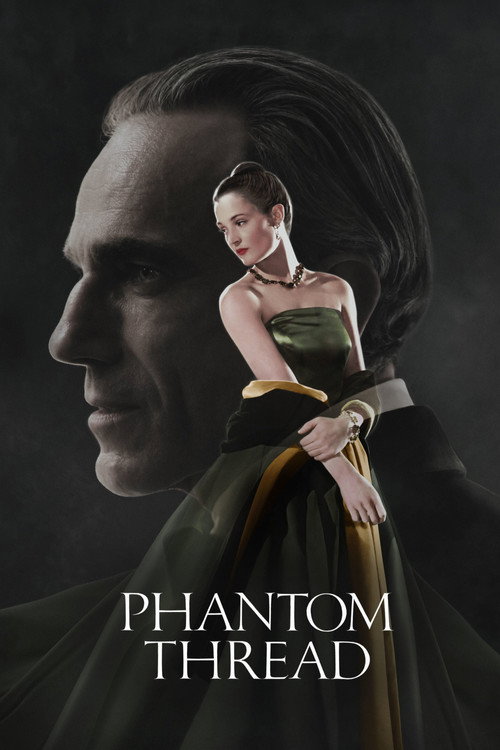
Phantom Thread2017
Both use love as a form of conflict. In The Forty-First, external forces destroy what's between them; in Phantom Thread, love itself is the battlefield.
A modern chamber piece about a fashion designer and his model—a relationship built on obsession, control and a love so consuming it becomes toxic. It's The Forty-First remixed as psychological drama, with the war replaced by the war inside the relationship itself.
But It's slow, the power dynamics are unsettling, and it doesn't resolve in ways that feel comfortable. Some will find it claustrophobic rather than compelling.
People
Cast
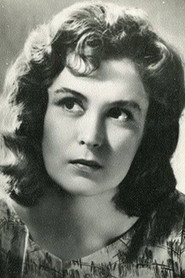 Izolda IzvitskayaMaryutka
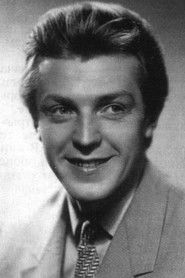 Oleg StrizhenovLieutenant Vadim Govorukha
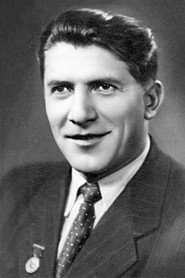 Nikolay KryuchkovCommander Ansenti Yevsyukov
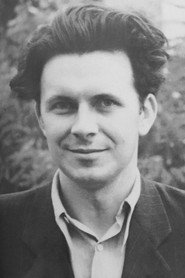 Nikolay DupakSoldier Andrei Chupilko
- Georgi ShapovalovSoldier Terentyev
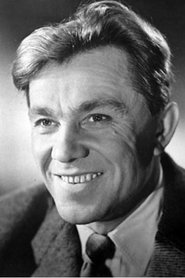 Pyotr LyubeshkinGuzhov
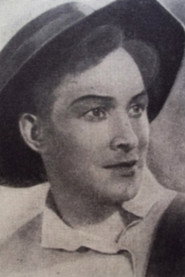 Lev KovylinSoldier Gvozdev
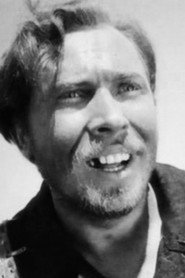 Yuriy RomanovSoldier Vyakhir
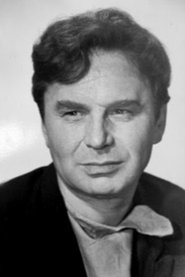 Daniil NetrebinSoldier Semyannin
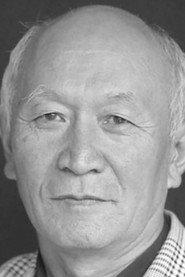 Asanbek UmuralievSoldier Umankul
- Anatoly KokorinSoldier Yegorov
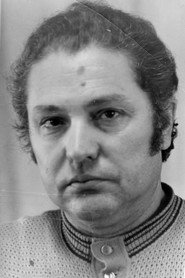 Vladimir SinitsinWounded soldier
Directing
- Aleksei OchkinAssistant Director
- Yuriy DanilovichAssistant Director
- Grigoriy ChukhrayDirector
- Bela FridmanFirst Assistant Director
Writing
- Boris LavrenevNovel
- Marianna RoozScript Editor
- Grigoriy KoltunovWriter
Production
- Grigoriy LukinExecutive Producer