
Film
Privates on Parade
A 1983 British comedy-drama set in 1947 Malaya, where an eccentric Major commands a military song-and-dance unit meant to boost troop morale during communist insurgency. It's theatrical, absurd, and genuinely moving—a film about duty, desire, and how art survives in impossible circumstances. For anyone who loves intelligent comedy with real stakes beneath the laughs.
Should you watch it?
Watch it if you enjoy stage-bound satire where a farce of vanity and repression plays out against a real war, and you like performers who keep their dignity while the joke gets sharper.
Skip it if you need a brisk comedy with steady laughs, because it runs talky and uneven, with jokes arriving in clusters and long stretches of stage routine that drag.
What it asks of you: Settle in for 113 minutes of leisurely, stagy pacing, with tone swinging between broad slapstick and sober unease about the wider conflict; it rewards steady attention.
Not sure? Find tonight's pick in a minute.
If you liked this
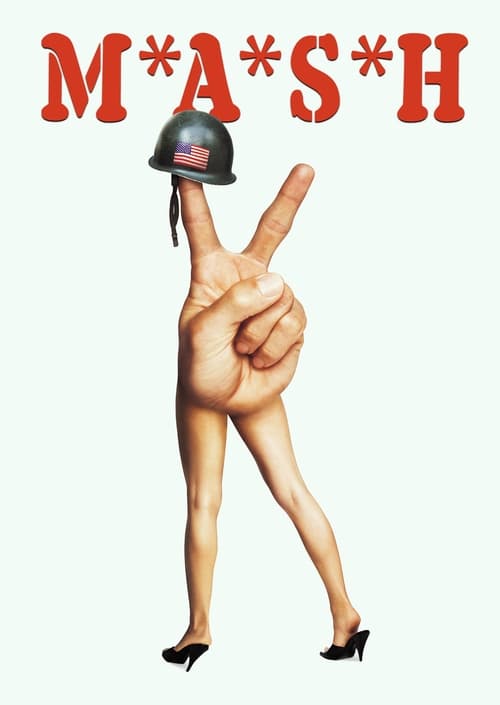
M*A*S*H1970
Robert Altman's masterpiece about military absurdity, where gallows humour and genuine tragedy coexist. Like Privates on Parade, it uses comedy to process the senselessness of war without ever being flippant about suffering.
But At 121 minutes it meanders deliberately; the anarchic style feels dated to modern eyes, and the shift from comedy to heartbreak can feel jarring.
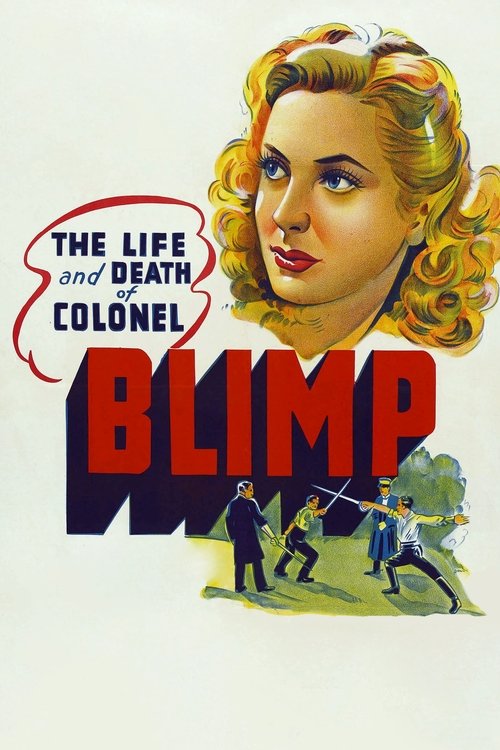
The Life and Death of Colonel Blimp1943
Powell and Pressburger's baroque meditation on British military tradition, duty, and obsolescence. The same DNA as Privates on Parade—camp, colourful, deadly serious underneath about what we preserve and what we lose.
But It's slow, visually ravishing in a way that might feel indulgent, and the politics of empire require patient interrogation rather than easy answers.
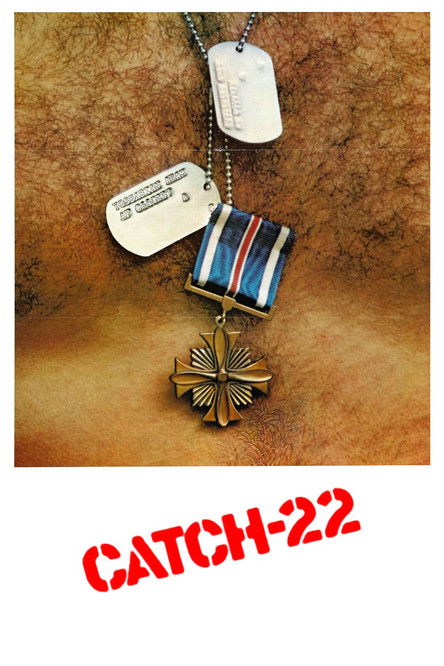
Catch-221970
Mike Nichols adapted Heller's novel into a ferocious black comedy about military bureaucracy eating men alive. The same furious intelligence about how institutions destroy the people inside them, just a different war and a different tone.
But It's relentlessly bleak without much relief, genuinely unpleasant at times, and the sprawling narrative can feel chaotic even when that's intentional.
Not sure tonight? Get a pick in a minute, starting from Privates on Parade
The wildcard
Something you would not have found on your own.
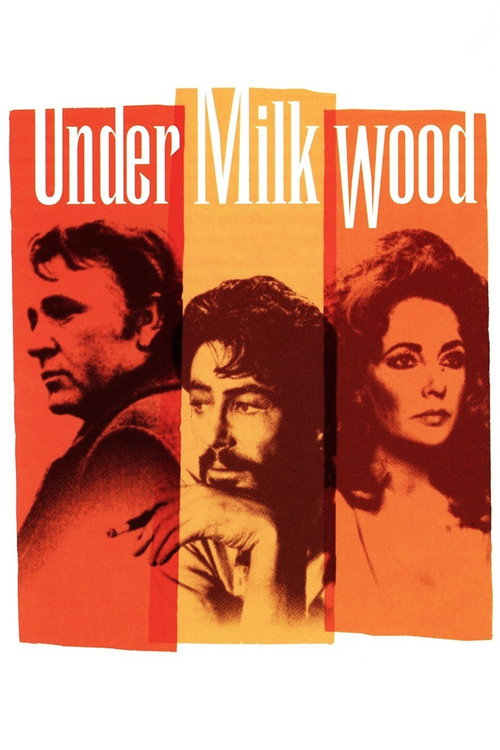
Under Milk Wood1972
Both are celebrations of theatrical, verbally inventive people creating meaning in confined spaces; both find the profound in the eccentric; both understand that art is not a luxury but a form of resistance.
Richard Burton narrates Dylan Thomas's vision of a small Welsh village's secret lives in a single day. Like Privates on Parade, it's a portrait of community held together by performance, eccentricity, and the stories we tell ourselves to survive ordinary existence.
But It's narration-heavy and static; the whimsy can cloy; it requires patience with poetic language and you must accept that nothing 'happens' in conventional plot terms.
More like this (8)
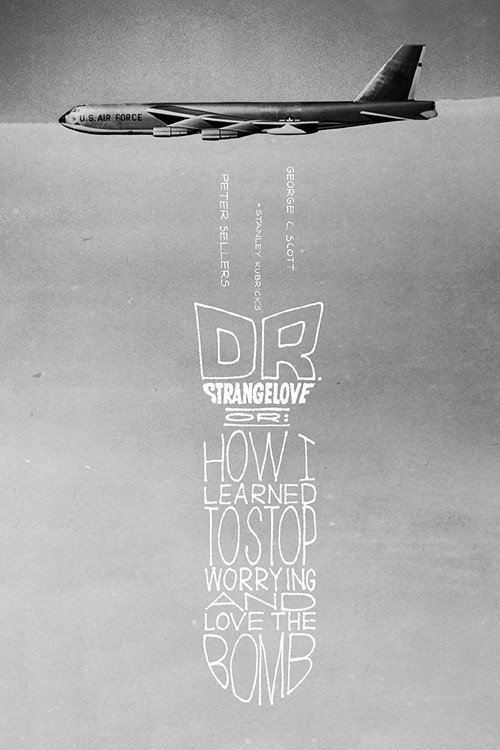
Dr. Strangelove or: How I Learned to Stop Worrying and Love the Bomb1964
Kubrick's nuclear-age satire proves comedy and existential dread are not opposites. It has Privates on Parade's understanding that the most devastating critiques of power come dressed in jokes and song.
But The humour is so dark and the performances so mannered that some people bounce off it as cold rather than cathartic. The genre-blending can feel confused on first watch.
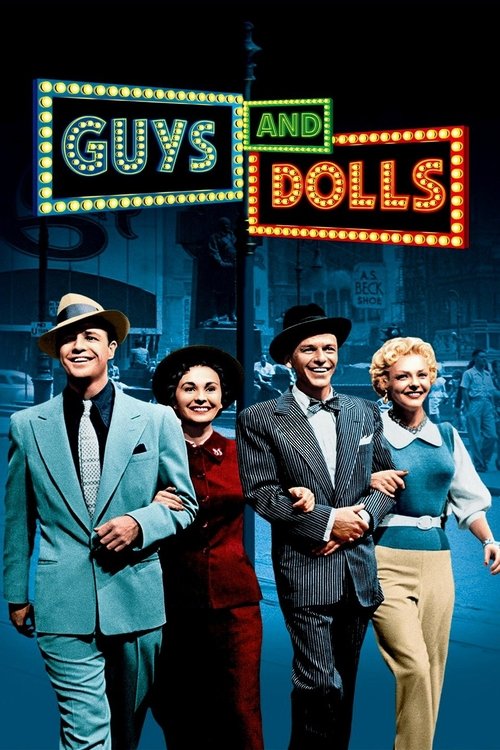
Guys and Dolls1955
Mankiewicz's musical comedy about performance, desire, and masculine theatricality—men in uniform, men in spectacle, men trying to be something other than what the world expects. The same joy in artifice and camp.
But It's opulent and slow, the romance feels dated, and if you don't surrender to the musical-theatre aesthetic, it will feel like watching paint dry in full Technicolor.
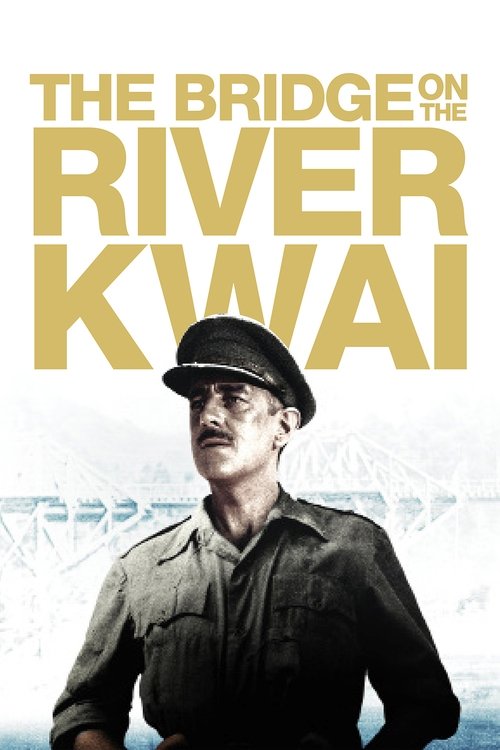
The Bridge on the River Kwai1957
David Lean's vast war epic about duty, obsession, and the corruption of noble ideals. Where Privates on Parade finds absurdity, this finds tragedy in the same soil—but it's about the cost of trying to preserve civilisation under duress.
But Nearly three hours, deeply earnest, structured like a classical drama rather than modern cinema. The romanticism of the conflict will alienate anyone suspicious of that mode.
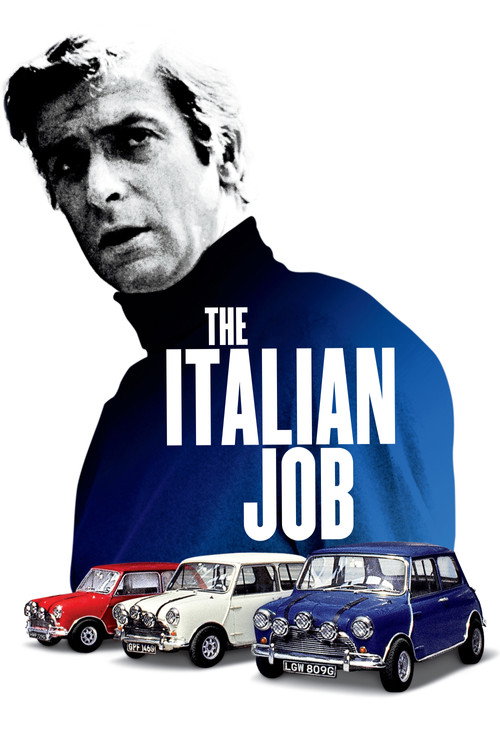
The Italian Job1969
A heist film about teamwork, style, and British charm surviving contact with reality. It shares Privates on Parade's love of performance and camaraderie, its sense that joy and mischief are acts of resistance.
But It's light where you might want depth; the plot is thin; and the famous ending hinges on a gimmick that either delights or annoys you utterly.
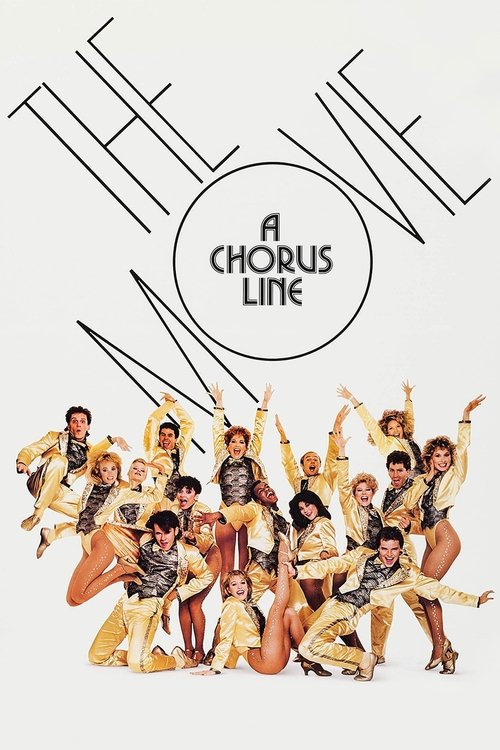
A Chorus Line1985
Zeffirelli's film of the stage musical is about performers, desperation, and the gap between the person and the persona. Like Privates on Parade, it loves theatrical people and asks what we owe to the show.
But The film adaptation is often dismissed as inferior to the stage original, and theatrical musicals in general feel very of-their-moment to modern audiences.
The Red Shoes1948
Powell and Pressburger again, this time about art, ambition, and performance consuming everything. The visual extravagance and emotional devastation mirror Privates on Parade's belief that theatre matters, even—especially—when it shouldn't.
But It's extremely stylised, the melodrama is operatic, and if you're not prepared for that register of emotion expressed through dance and design, it will feel overwrought.

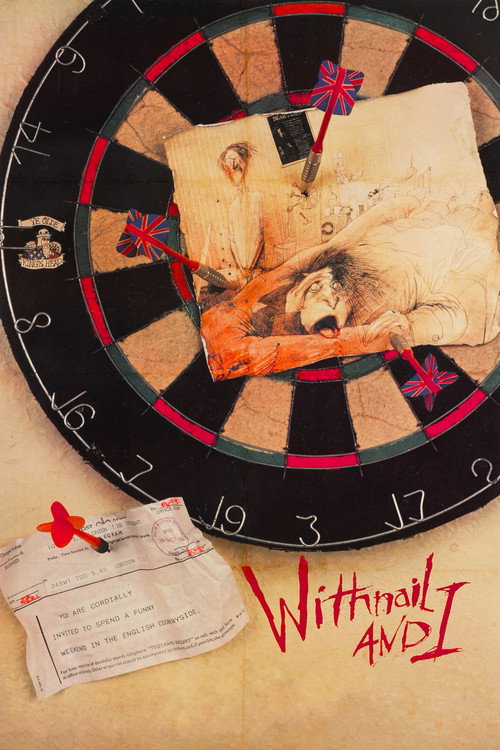
Withnail & I1987
Both centre on performers (failed or circumstantial) who create elaborate verbal and behavioural worlds as a buffer against reality; both are melancholic underneath the comedy; both understand that camp and despair are neighbours.
A British comedy about two unemployed actors on a doomed holiday, all quotable dialogue and performative masculinity and genuine pathos underneath. It has Privates on Parade's understanding that failure and theatricality are often the same thing.
But It's deliberately static and repetitive—the humour comes from language and character rather than plot. If you want things to happen, you'll be frustrated. Also it's very drunk, which is not everyone's frequency.
Come and See1985
Both use war as a setting to interrogate what the military does to the person; both understand that humour and horror can be responses to the same unbearable situation; Come and See is the dark mirror to Privates on Parade's defiant theatricality—the same person, the same war, the opposite outcome.
Elem Klimov's Belarusian masterpiece about a boy conscripted into WWII. It inverts Privates on Parade's premise completely—not a song-and-dance unit but a descent into hell—yet asks the same question: what happens to humanity when institution demands it surrender?
But This is one of the most brutal, images-you-cannot-unsee films ever made. It is not cathartic. It is not entertaining in any traditional sense. You will not enjoy watching it. But you will not forget it.

People
Cast
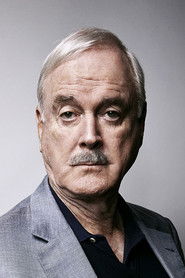 John CleeseMajor Giles Flack
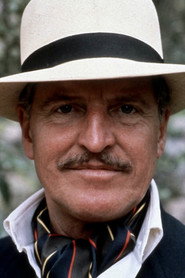 Denis QuilleyActing Captain Terri Dennis
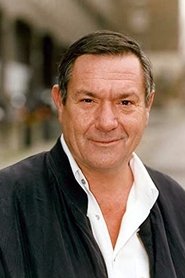 Michael ElphickSergeant Major Reg Drummond
 Nicola PagettActing Lieutenant Sylvia Morgan
- Patrick PearsonSergeant Steven Flowers
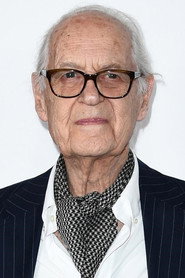 John StandingCaptain Sholto Savory
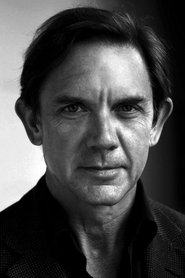 David BamberSergeant Charles Bishop
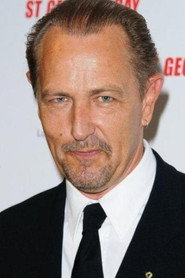 Bruce PayneFlight Sergeant Kevin Cartwright
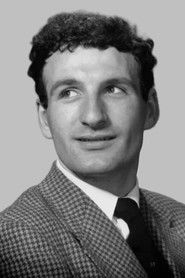 Joe MeliaSergeant Len Bonny
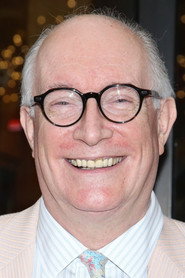 Simon JonesSergeant Eric Young-Love
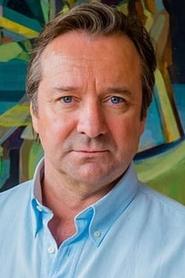 Neil PearsonPianist
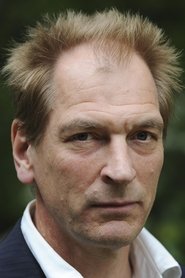 Julian SandsClimbing Sailor
Directing
- Jake WrightAssistant Director
- Michael BlakemoreDirector
- Pamela DaviesScript Supervisor
- Michael ZimbrichSecond Assistant Director
- Christopher FiggThird Assistant Director
Writing
- Peter NicholsLyricist
- Peter NicholsOriginal Story
- Peter NicholsScreenplay
Production
- Derrick NorwoodAssistant Accountant
- Noel DavisCasting Director
- Denis O'BrienExecutive Producer
- George HarrisonExecutive Producer
- Allan JamesLocation Manager
- Simon RelphProducer
- Arthur TarryProduction Accountant
- Vicki DeasonProduction Assistant
- Redmond MorrisProduction Manager
- Kevin WestleyProduction Runner