
Film
Seeing Red: Stories of American Communists
A 1983 documentary featuring interviews with six American Communist Party members reflecting on their political activism from the 1930s through the Cold War. It's a rare, intimate portrait of ordinary people who chose radical commitment during America's most ideologically fractured decades. Patient, human-scaled history told by those who lived it.
Should you watch it?
Watch it if you are drawn to history told through the mouths of ordinary people who lived it, and you like hearing memory argued over rather than lectured at you.
Skip it if you want a tidy, narrated overview of the period; this is built from personal recollections, so the through-line can feel loose and the focus shifts from one life to the next.
What it asks of you: Around a hundred minutes of sitting with talking heads and archive, mostly unhurried, asking you to stay patient while several different lives gradually add up to a picture.
Not sure? Find tonight's pick in a minute.
If you liked this
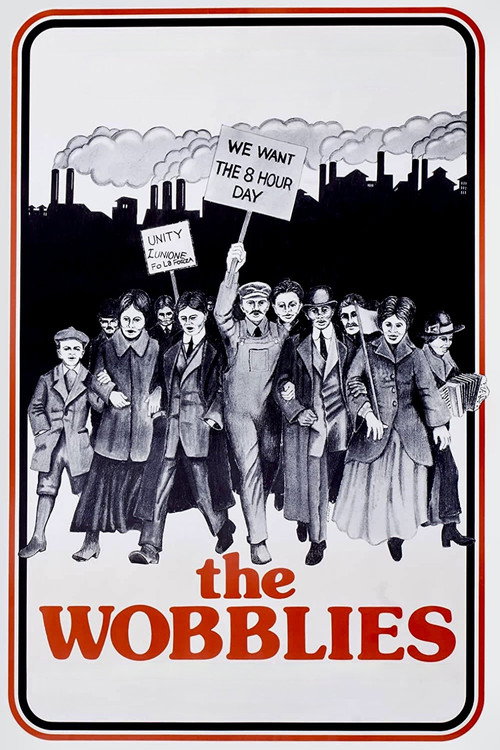
The Wobblies1979
A companion piece documenting the Industrial Workers of the World. Same era of American radical labor history, same intimate interview approach, letting workers speak their own convictions without narration imposing meaning.
But The pacing is leisurely and the film trusts you to find significance in quiet testimony rather than spelling it out. Some will find that frustrating.
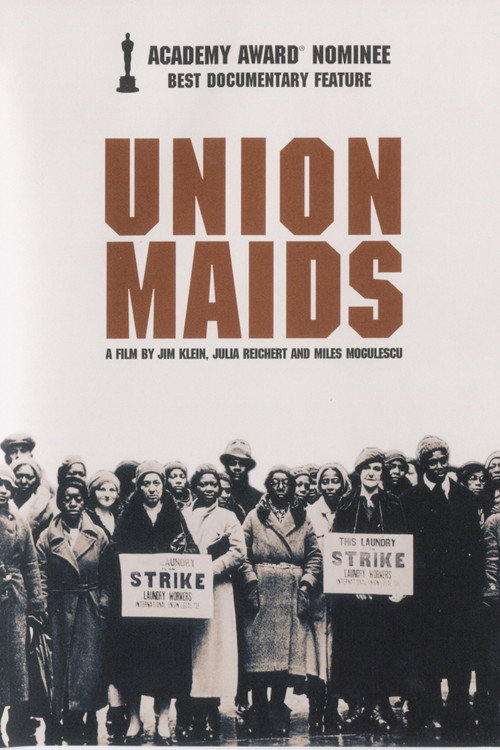
Union Maids1976
Three women labor organizers recount their 1930s activism. Like *Seeing Red*, it's oral history as primary document—no talking heads, just people telling their stories with archival footage woven in. Urgent and tender.
But Made in 1976, it shows its age technically. The production values are modest and some sequences feel repetitive.
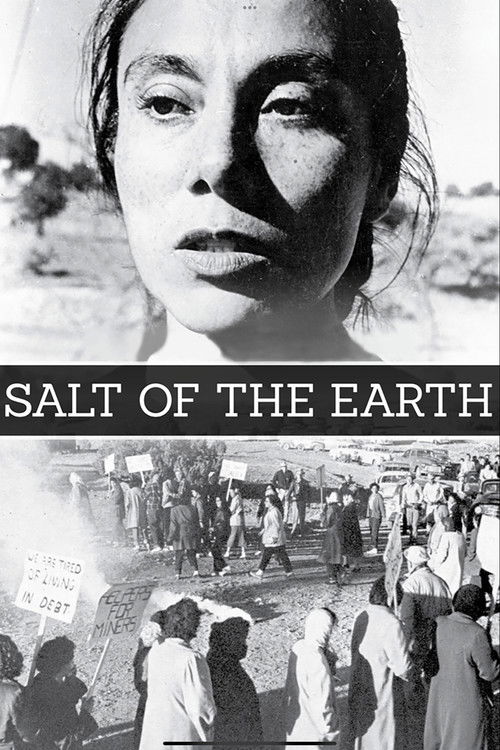
Salt of the Earth1954
A strike drama made by blacklisted filmmakers, featuring actual miners and their families. It's both narrative fiction and a document of communist solidarity in action. Extraordinary formally—nothing quite like it.
But The dialogue can feel stilted and the acting is nonprofessional. It's a period piece about cinema that was itself controversial at release.
Not sure tonight? Get a pick in a minute, starting from Seeing Red: Stories of American Communists
The wildcard
Something you would not have found on your own.
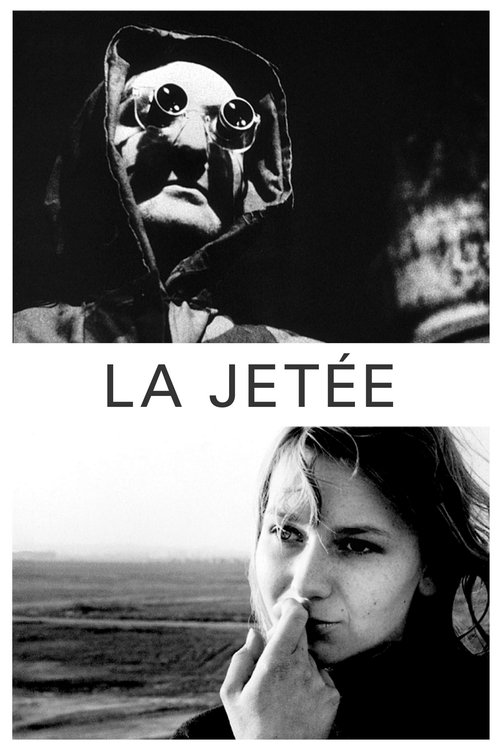
La Jetée1962
Both use testimony and memory to interrogate ideology and history, but *La Jetée* does it through surrealism and fragmentation rather than interview. Different languages describing how we hold on to belief and loss.
A 28-minute science-fiction film made entirely of still photographs about memory, time, and the Cold War. It's formally radical—a poem about history and human attachment made without traditional cinema. Hypnotic and strange.
But It's abstract and dreamlike. There's no plot in the conventional sense. If you want narrative momentum or direct political argument, this will frustrate you.
More like this (4)
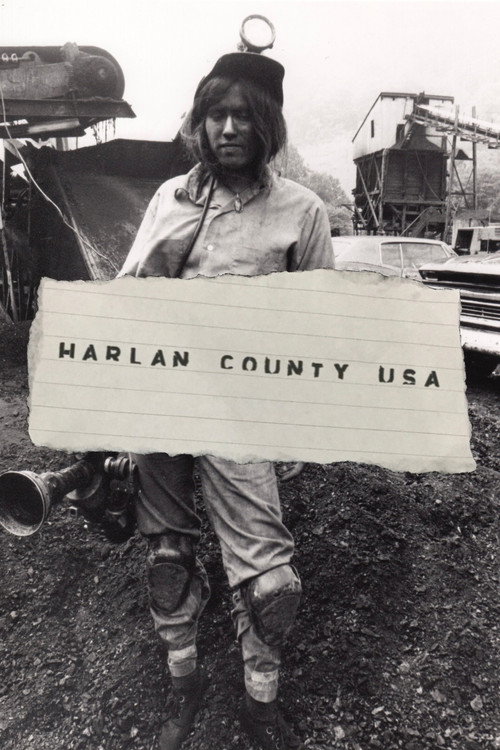
Harlan County U.S.A.1976
Fly-on-the-wall documentary of a coal miners' strike in Kentucky. No editorializing, just presence. Captures the physical and moral reality of labor struggle with unflinching clarity. Savage and beautiful.
But The violence is real and disturbing. It's not a comfortable watch and doesn't resolve neatly. Some sequences are genuinely frightening.
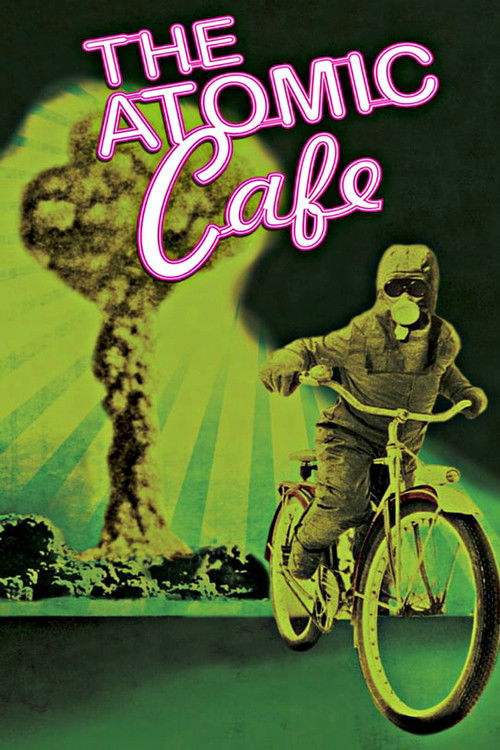
The Atomic Cafe1982
A collage documentary made entirely from archival footage and audio about Cold War anxiety and atomic culture. It captures the paranoia and propaganda *Seeing Red*'s subjects were living through, but from the official perspective.
But It's fragmented and surreal. There's no narrative spine and the tone is deliberately disorienting, which some will find clever and others exhausting.
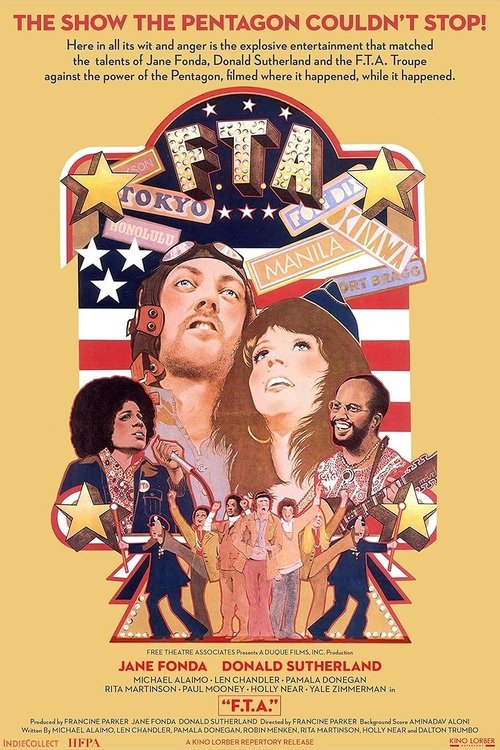
FTA1972
Documentary of an anti-war variety show touring military bases during Vietnam. Captures radical performance art and counterculture political action of the early '70s. Direct, angry, and alive with conviction.
But The humor doesn't age well and the production is scrappy. It can feel dated in ways that distract from the politics.
Come and See1985
*Seeing Red* asks what draws people toward ideology and commitment. *Come and See* asks what ideology does to people who have no choice. Both films are about the personal cost of history's machinery.
A Belarusian film about a boy conscripted into WWII. It's a visceral, almost unbearable portrait of ideological machinery destroying innocence. A counterargument to political commitment made in imagery rather than testimony.
But It's one of the most harrowing films ever made. The violence is graphic. The despair is total. There's no distance between you and suffering.

People
Cast
- Oscar HunterHimself - Printer
- Rose PodmakaHerself - Steel Mill Worker
- Sylvia WoodsHerself - Auto Worker
- Howard 'Stretch' JohnsonHimself - College Professor
 Bill BaileyHimself - Seaman and Longshoreman
- Edna WhitehouseSelf - Legal Secretary
- Ruth MaguireSelf - Program Administrator
- Stanley PostekSelf - Seaman
- Dorothy Ray HealeySelf - Party Leader (as Dorothy Healey)
- Carl HirschSelf - Writer
 Pete SeegerSelf - Folksinger
- Marge FrantzSelf - Southern Activist
Directing
- Jim KleinDirector
- Julia ReichertDirector