
Film
The Devil We Know
A patient, damning documentary about DuPont's decades-long dumping of the chemical PFOA into a West Virginia town's water supply, and the cover-up that followed. Built from farmers' testimony, leaked internal memos, and the scientists who eventually broke it open, it favors procedural dread over outrage theatre. Quietly furious rather than flashy, it's for anyone who wants the unglamorous real machinery behind headlines like Dark Waters.
If you liked this
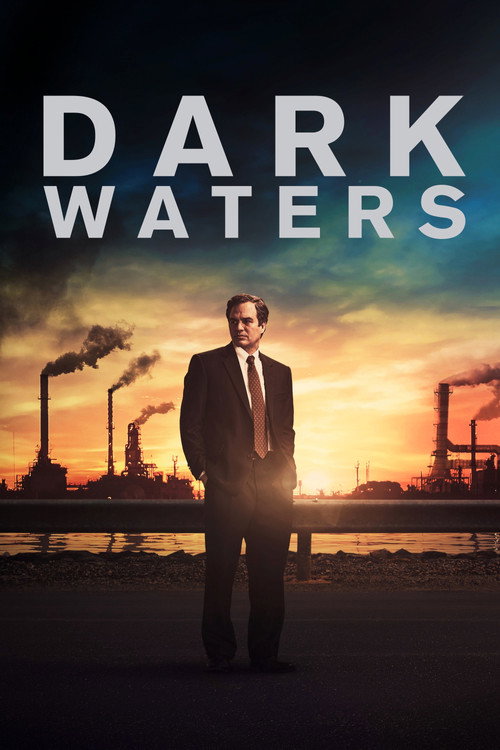
Dark Waters2019
This is the dramatized retelling of the exact case you just watched documented — same lawyer, same lawsuit, same slow-burn dread, but with Mark Ruffalo's exhausted moral fury driving it forward.
But You already know the ending, and courtroom-thriller pacing can feel slow if you're after new facts rather than dramatic reenactment.
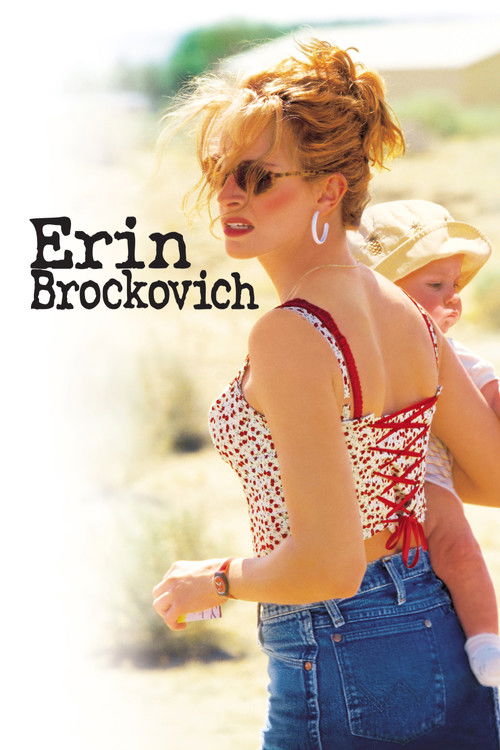
Erin Brockovich2000
The template for this whole genre — one determined non-lawyer drags a utility company's poisoned water into court, and Julia Roberts makes righteous anger look like the most fun anyone's ever had.
But More crowd-pleasing biopic than exposé; the real case gets Hollywood-ized with romance subplots and a tidy triumphant ending.
Merchants of Doubt2014no page yet
Zooms out from one company's water to the entire playbook — how industries hire scientists-for-hire to manufacture doubt about tobacco, climate change, and chemicals exactly like this one.
But More about tactics of denial than any single human story, so it's colder and more abstract than a ground-level fight like DuPont's.
The wildcard
Something you would not have found on your own.
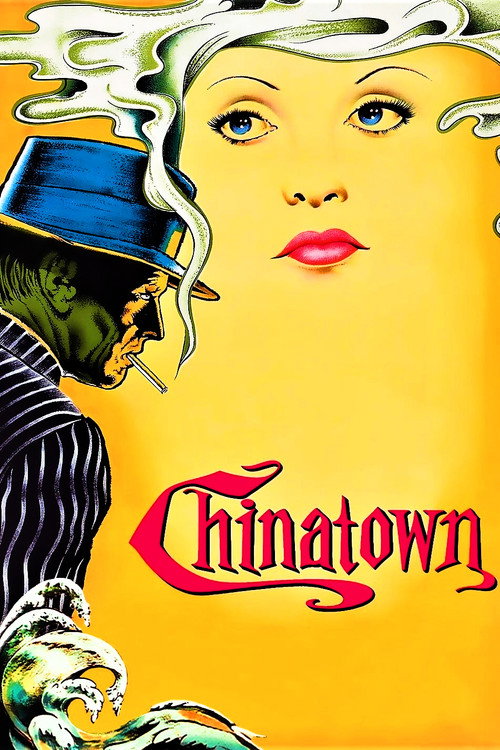
Chinatown1974
Swap DuPont for the LA Department of Water and Power and you get the same architecture — a community's water controlled by people who will never drink from the same tap. Chinatown wrote the blueprint every real-life water scandal since has unknowingly followed.
Nicholson investigates water rights corruption in 1930s LA in one of the greatest films ever made — the 'who profits from poisoned water' story turns out to be old enough to have invented its own genre.
But It's fiction, and the crime is manipulated water rights rather than real chemical dumping — no PFOA, no lawsuits, just a perfect metaphor.
More like this (8)
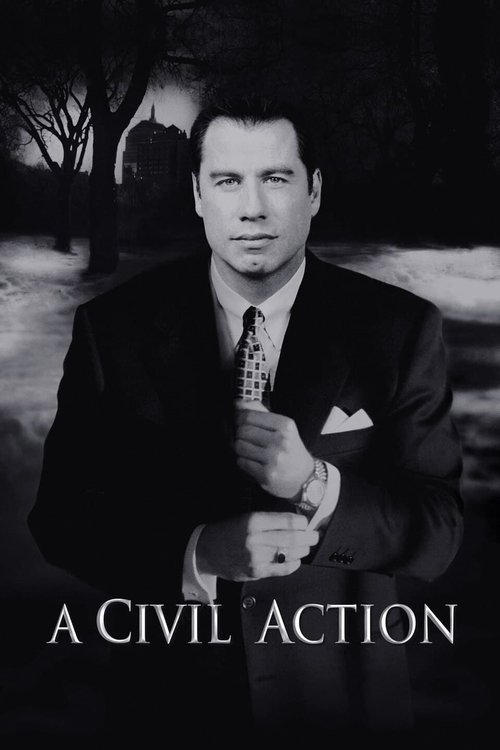
A Civil Action1998
John Travolta plays a lawyer taking on a corporation over contaminated groundwater in Massachusetts — the same grinding legal war of attrition, based on a real case decades earlier.
But Dated 90s courtroom-drama style, and its ambiguous ending refuses the tidy justice you might be hoping for.
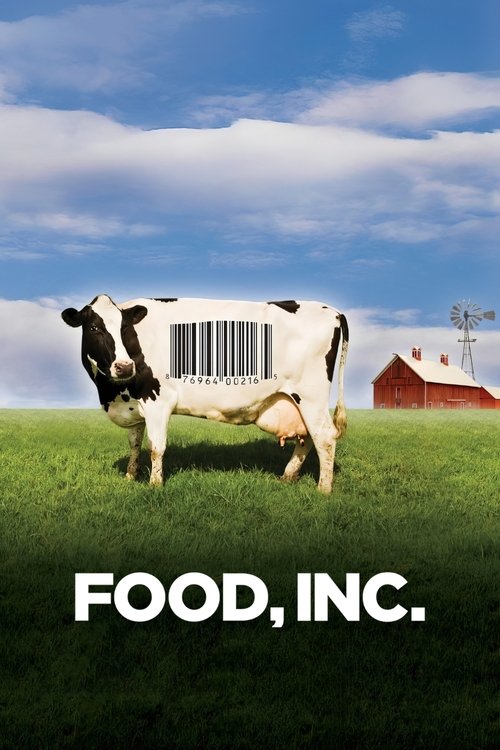
Food, Inc.2008
Same muckraking energy turned on the food industry — corporations hiding what's really in what you eat, and how thin the line is between regulation and rubber-stamping.
But Broader and more scattershot than a single case study; it covers so much ground that nothing gets this film's depth.
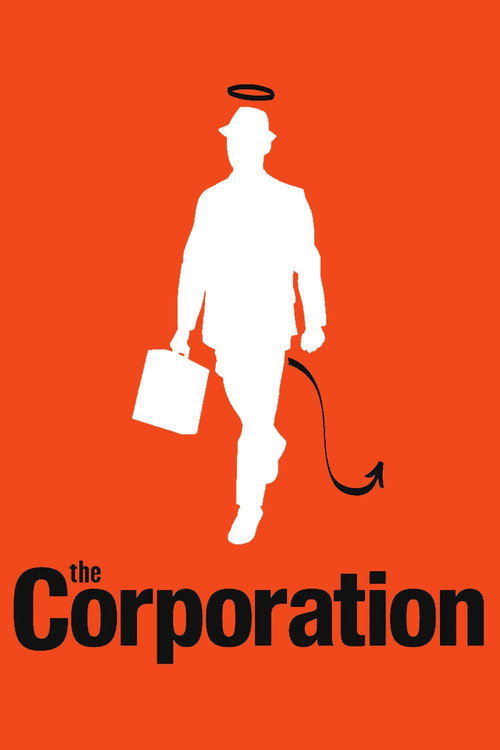
The Corporation2003
A sprawling, blackly funny diagnosis of corporations as legal 'persons,' using case studies eerily similar to DuPont's to argue profit is structurally incapable of caring about a town's water.
But Nearly three hours long and more theory than story; it can feel like a lecture next to this film's intimate small-town focus.
Gasland2010no page yet
Josh Fox's first-person investigation into fracking and flammable tap water carries the same unglamorous, one-man-with-a-camera fury against an industry hiding its own data.
But More scrappy personal-essay in style, with less legal procedure and more raw, occasionally repetitive outrage.
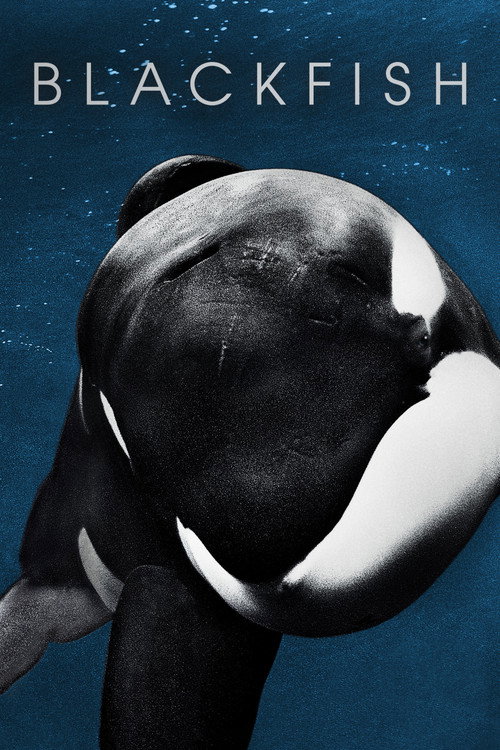
Blackfish2013
Different industry, same shape — a powerful company suppresses what it knows is harmful for decades while employees and whistleblowers slowly build the case that brings it down.
But About captive orcas rather than chemicals, so if you want another poisoned-water story specifically, this is a genre-cousin, not a sequel.
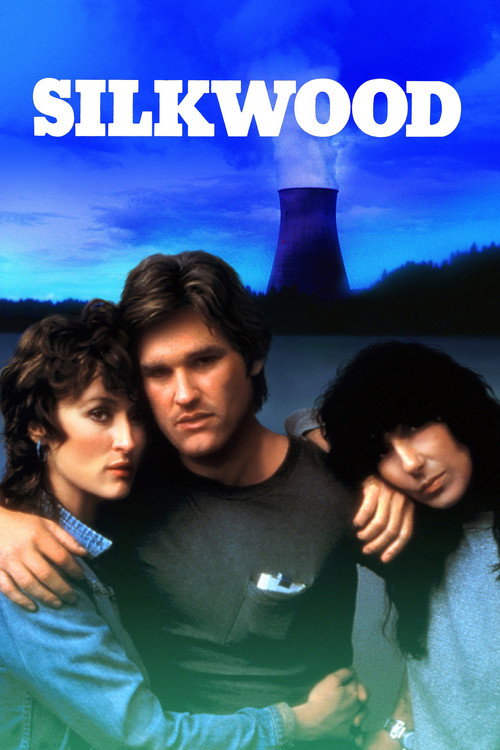
Silkwood1983
Meryl Streep plays a real nuclear plant worker gathering evidence against her employer before her mysterious death — the original one-person-against-a-corporation contamination drama.
But Early-80s pacing and mood are slower and moodier than modern true-crime-adjacent docs; it's a character study first.
The Lorax2012no page yet
It's the exact shape of story — a company profits by destroying what a town needs to survive — turned up to full cartoon volume. Watching it after this documentary works almost like a decompression chamber.
A splashy Dr. Seuss musical about a corporation that clear-cuts a town's trees and bottles its own air for profit — the identical fable, sung by children, if you need a break from grim procedural dread.
But Broad, sugary, and made for kids — there's no science, no lawsuit, no real-world stakes, just a moral delivered in rhyme.
Bhopali2011no page yet
Same machine — a company knows its chemical is hurting people and calculates the cleanup is cheaper than honesty — but here it's an explosion instead of a slow drip, and the cover-up is still ongoing today.
A documentary about the 1984 Bhopal gas leak, still poisoning children born decades later, told through survivors demanding accountability from a company that simply walked away — same fight, different continent, higher stakes.
But Bleaker and angrier than this film, with less legal procedure and more raw grief; the corporation involved never faced real consequences, and the film doesn't pretend otherwise.
People
Directing
- Jeremy SeifertCo-Director
- Stephanie SoechtigDirector
Writing
- Mark MonroeWriter
- Stephanie SoechtigWriter
Production
- Jill Latiano HowertonCo-Producer
- Carly PalmourProducer
- Joshua A. KunauProducer
- Kristin LazureProducer
- Stephanie SoechtigProducer