
Film
Mondovino
Mondovino is a globe-trotting investigation into how wine—and globalization—are reshaping the world. Director Jonathan Nossiter follows money, power, and taste from Bordeaux to Napa to Argentina, asking whether the push toward homogeneity is killing regional character. It's part thriller, part elegy, driven by real stakes beneath the elegance.
Should you watch it?
Watch it if you care about where wine comes from and enjoy a documentary that argues with itself, letting winemakers, critics and consultants bicker over what a bottle should taste like.
Skip it if you want a tidy primer on wine or get restless with talking heads; at 135 minutes it lingers in vineyards and tasting rooms, and its polemic is openly one-sided.
What it asks of you: Settle in for over two hours of slow vineyard walks, long conversations and tasting-room arguments, with a sustained, pointed tone rather than gentle wit.
Not sure? Find tonight's pick in a minute.
If you liked this
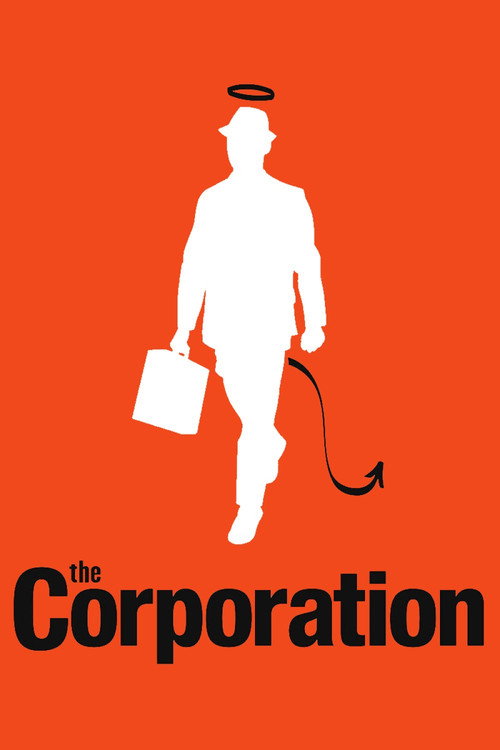
The Corporation2003
A parallel inquiry into how corporate power reshapes industries and regions. Uses similar detective work to trace the influence of megacorporations on communities and culture, with gallows humour and real outrage.
But It's polemical rather than neutral, and long enough that its argument can feel repetitive by the final stretch.
King Corn2007
Two journalists trace a crop from seed to supermarket shelf, discovering how subsidy and economics have hollowed out American agriculture. Same urgent question: who profits, and what do we lose?
But Narrower focus than Mondovino—one commodity in one country—so it lacks the international sweep and visual grandeur.

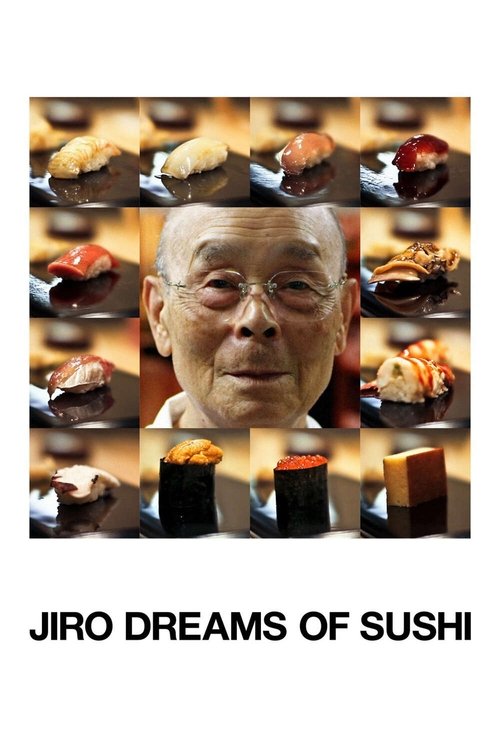
Jiro Dreams of Sushi2011
Obsessive mastery and tradition under pressure from commercialism. Gorgeously shot meditation on craft, excellence, and what it costs to maintain them in a changing world.
But It's almost reverential where Mondovino is critical; less investigation, more portrait. Some find it too slow.
Not sure tonight? Get a pick in a minute, starting from Mondovino
The wildcard
Something you would not have found on your own.
La Haine1995
Both argue that systems of power (whether global capital or structural racism) crush individuality and regional character. Both refuse easy consolation.
Mathieu Kassovitz's film about class, power, and who gets left behind in a globalized economy. Shot in black and white, follows a day in a French banlieue where economic forces have concentrated poverty. Same anger as Mondovino but channeled through narrative fiction instead of documentary investigation.
But It's a work of rage rather than analysis. If you want explanations, this won't give them—only feeling and consequence.

More like this (6)
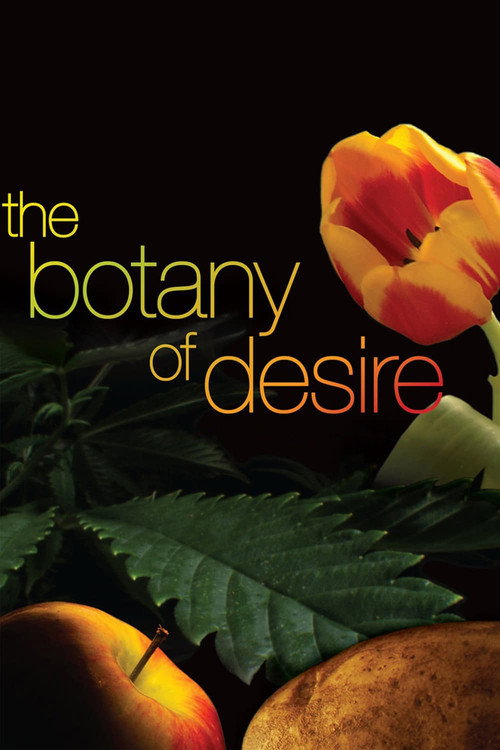
The Botany of Desire2009
Michael Pollan adapts his own book into a four-part inquiry into how plants shape human desire and agriculture. Similar scope—how globalization and market forces reshape what we grow and why.
But More personal essay than detective work; sometimes feels like public television comfort rather than provocation.
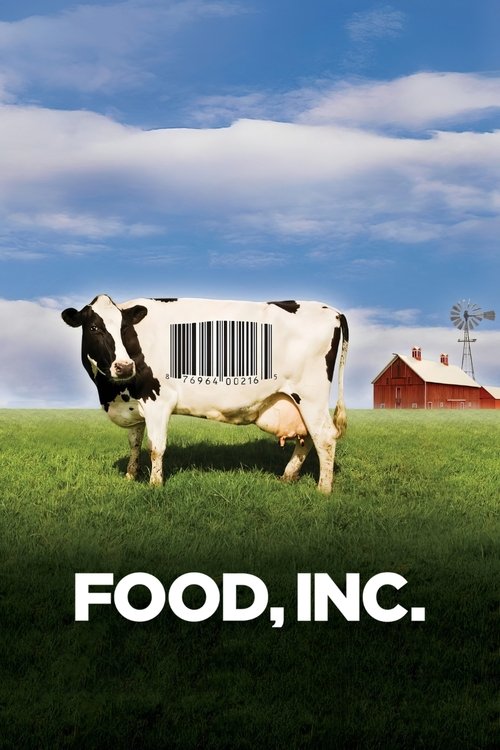
Food, Inc.2008
Robert Kenner maps industrial food production as a system of power and invisibility. Direct descendant of Mondovino's structural questioning, with interviews and archive that build a damning case.
But It's more didactic and less cinematic than Mondovino; the rage is clearer but the mystery is less.
The Act of Killing2012
A radical documentary about genocide in Indonesia that uses reenactment and cinema to confront perpetrators. Asks difficult questions about power, moral accountability, and what gets erased from history.
But It's horrifying and difficult in a different register altogether—not about markets but about atrocity. Requires a very different emotional commitment.

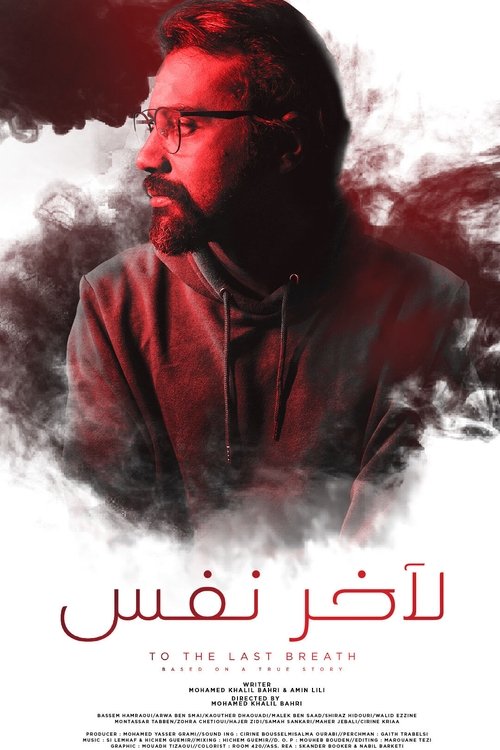
To the Last Breath2020
Explores industrial agriculture and environmental collapse through personal story and archive. Less cerebral than Mondovino but moves similar emotional ground about what we're losing.
But Narrower audience and less cinematically accomplished. The synthesis feels less complete.
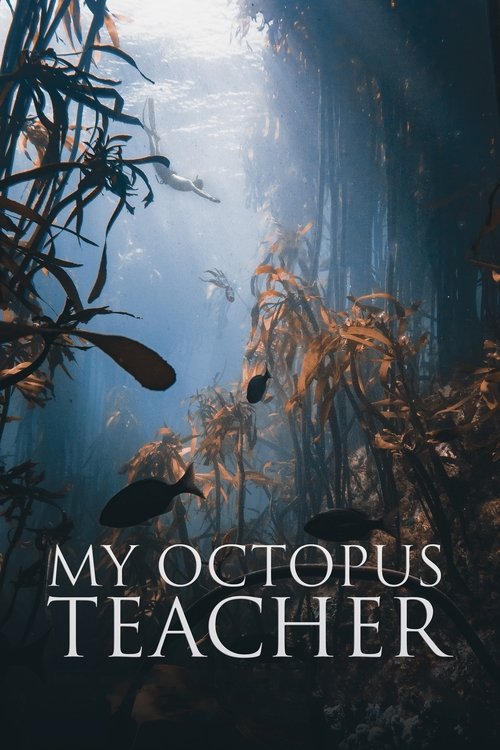
My Octopus Teacher2020
Both mourn the erasure of singular character—whether regional wine or oceanic wildness—by homogenizing forces. Mondovino investigates this abstractly; this one feels it bodily.
A marine biologist develops a year-long relationship with a wild octopus. Sounds gentle; it's actually a profound inquiry into whether we can know the other, and what the ocean loses as human systems expand. Entirely different form from Mondovino but asks what happens to particularity and character under pressure.
But It's intimate and poetic rather than polemical. If you came for investigation, this offers observation and mystery instead. Some find it precious.
Stalker1979
Both are elegies for what gets lost when efficiency and ambition reshape the world. Mondovino documents it; Stalker dreams it. Both say the same thing: something of us dies when uniformity wins.
Andrei Tarkovsky's science-fiction meditation on desire, power, and what we destroy pursuing it. A spiritual journey into a forbidden zone structured as philosophical argument. Glacially paced, hypnotic, about philosophy of value and desire rather than markets—but reaches similar conclusions about what gets hollowed out by ambitious systems.
But It's slow, metaphysical, and Russian sci-fi from the 1970s. Requires willingness to sit with silence and ambiguity. Zero plot momentum.

People
Directing
- Jonathan NossiterDirector
Writing
- Jonathan NossiterWriter
Production
- Ricardo PreveCo-Producer
- Emmanuel GiraudProducer
- Jonathan NossiterProducer