
Television series
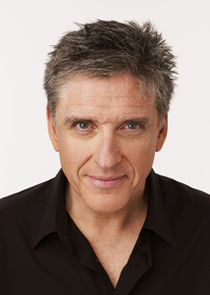
The Late Late Show with Craig Ferguson
- Comedy
- Light-hearted
- Dip in and out
Craig Ferguson's tenure on The Late Late Show (2005-2014) was late-night television unshackled. Unpredictable, genuinely funny, and willing to abandon the format entirely for a rambling conversation or a bit that made no commercial sense. Ferguson brought a Scottish accent, a dark sense of humour, and zero interest in celebrity worship to the graveyard slot. It's for people who find most talk shows insufferably safe.
Should you watch it?
Watch it if you like a talk show run as a loose, chatty hangout, where the host's riffs, digressions and odd tangents matter more than the guest list, and you enjoy one personality carrying the whole room.
Skip it if you want a tight, polished format with a fixed rhythm; the hour runs long and loose, leaning on Ferguson's shaggy, improvised manner more than on sharp structure.
What it asks of you: an hour a night of unhurried, rambling conversation, so it rewards sitting down for a full episode rather than dipping in and out between other things.
Not sure? Find tonight's pick in a minute.
If you liked this
Late Night with Conan O'Brien1993
Conan's surreal comedy sensibility and comfort with awkward silences echo Ferguson's best instincts. Both prioritise weird humour over schmoozing, and both built followings on personality rather than guest lists.
But Conan's earlier work moves faster and more absurdly. Ferguson's show had quieter, conversational moments that might feel slower in comparison.
Arrested Development2003
The same sensibility: rapid-fire jokes, layers of humour that reward attention, characters who behave like real people rather than archetypes. Both understand that comedy lives in behaviour, not punchlines.
But It's scripted rather than live, so it lacks the spontaneity and genuine surprise that made Ferguson's show special. The tone is more cynical.
It's Always Sunny in Philadelphia2005
Shares Ferguson's darkness and refusal to soften for the audience. Both find comedy in discomfort and bad behaviour. The commitment to the bit, no matter how far it goes, is identical.
But It's far crueller and filthier. Ferguson's show had warmth beneath the edge; this rarely does. Not for the easily offended.

Not sure tonight? Get a pick in a minute, starting from The Late Late Show with Craig Ferguson
The wildcard
Something you would not have found on your own.
The IT Crowd2006
Both Ferguson and Linehan are from the British Isles and write comedy that punches from a place of genuine oddness rather than crowd-pleasing. Neither is interested in making everyone comfortable.
Graham Linehan's sitcom shares Ferguson's British/Irish sense of humour: darker, more absurd, willing to let silences exist. Both shows trust the audience to laugh at uncomfortable situations rather than safe punchlines. The comedic timing is impeccable.
But It's a scripted sitcom about tech support workers, not a talk show. If you're here for live celebrity interaction and topical chat, this is entirely different food.
More like this (4)
The Larry Sanders Show1992
A behind-the-scenes look at a talk show that understands the absurdity of the format from within. Like Ferguson, it mixes genuine emotion with comedy and treats late-night as something inherently ridiculous.
But It's a drama about a talk show, not a talk show itself. If you're here for the live spontaneity, scripted fiction won't replicate it.
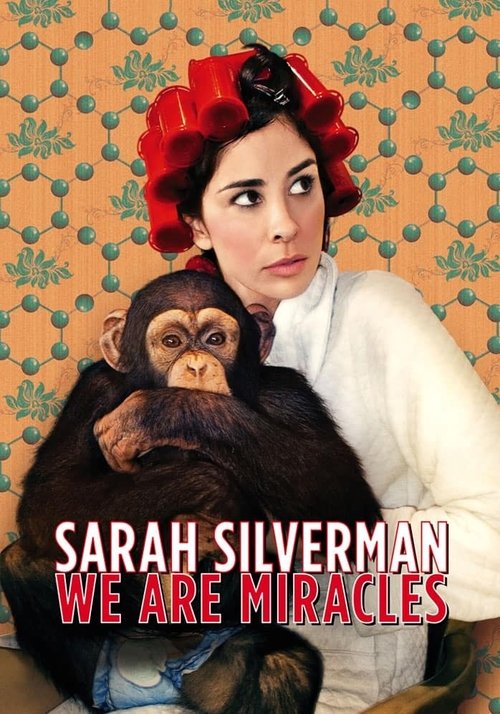
Sarah Silverman: We Are Miracles2013
Silverman's special captures that same unfiltered voice and willingness to make you uncomfortable while also being genuinely warm. Both performers use their personality rather than celebrity to connect with an audience.
But It's a stand-up special, not a talk show. The format is tighter and the persona more consistent, lacking Ferguson's moment-to-moment unpredictability.
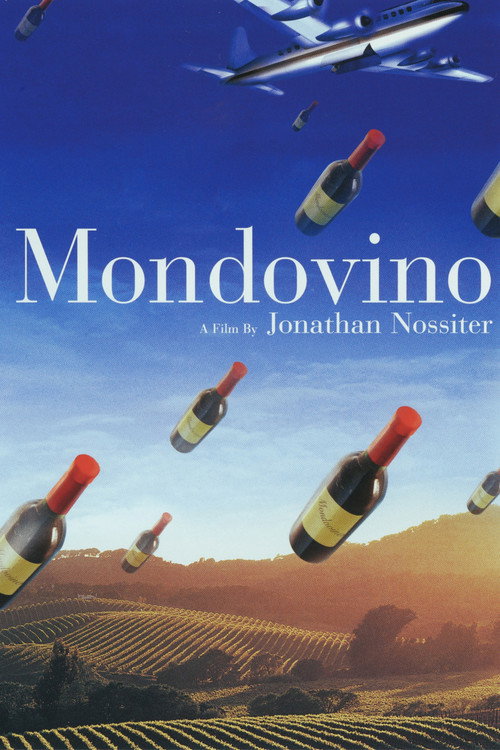
Mondovino2004
Both are deliberately digressive. Ferguson's show often abandoned the format for conversation; Nossiter abandons documentary convention for argument and personality. Both trust that watching a smart person think out loud is entertainment enough.
Jonathan Nossiter's essay documentary rambles, digresses, and trusts the audience. Like Ferguson's best interviews, it abandons structure when the conversation becomes interesting. Conversational cinema that rewards attention and strangeness.
But It's a documentary about wine made by someone with strong opinions and a wandering mind. If you want a focused, conventional documentary, this will frustrate you deeply.
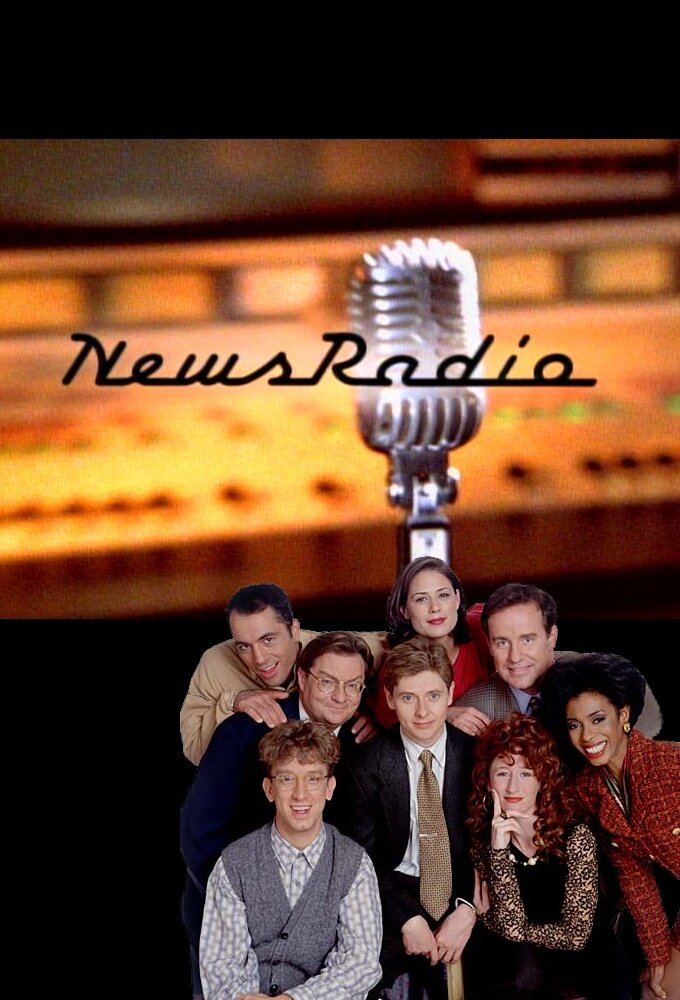
NewsRadio1995
Both shows thrive on casting a group of people you'd actually want to spend time with and letting their personalities generate the comedy. Neither relies on external plot machinery. The ensemble chemistry is everything.
This workplace sitcom about a news radio station has the same ensemble energy and refusal to soften its characters. Sharp, character-driven comedy where people behave badly and remain likeable. Matthew Brock's deadpan delivery echoes Ferguson's dry edge.
But It's a 90s sitcom, which means multi-camera, laugh track, and a pace that feels dated. The format itself will feel alien to late-night television.
People
Cast

Writing
- Craig FergusonCreator
- David LettermanCreator
- Peter LassallyCreator
Production
- Dylan OsbornAssociate Producer
- Erin WillettsAssociate Producer
- Ian KornbluthAssociate Producer
- David LettermanExecutive Producer
- Gary ConsidineExecutive Producer
- Peter LassallyExecutive Producer
- Todd AllanExecutive Producer
- Todd YasuiExecutive Producer
- Cathy HoevenSupervising Producer
Recommended by
The Tonight Show with Jay Leno, Conan, Comedians in Cars Getting Coffee