
Television series
Rotten
Rotten is a Netflix docuseries that investigates corruption, crime, and catastrophe hidden within global food systems. Each episode zeroes in on a different product—honey, garlic, avocados, cheese—and traces how fraud, exploitation, and negligence infect supply chains from farm to table. It's compulsively watchable and occasionally enraging, ideal for anyone who wants to eat with their eyes open.
Should you watch it?
Watch it if you enjoy investigative reporting that follows a single thread from a grocery shelf back toward the farm, the boat, or the lab, and you don't mind being a little angry about what you learn.
Skip it if you want a tidy, data-driven argument, since this one wanders between anecdotes and sometimes leans on alarm more than on hard evidence.
What it asks of you: Roughly an hour an episode, twelve in all across two seasons, with the mood shifting from curious to queasy; it wants steady attention more than binge speed.
Not sure? Find tonight's pick in a minute.
If you liked this
Fyre2019
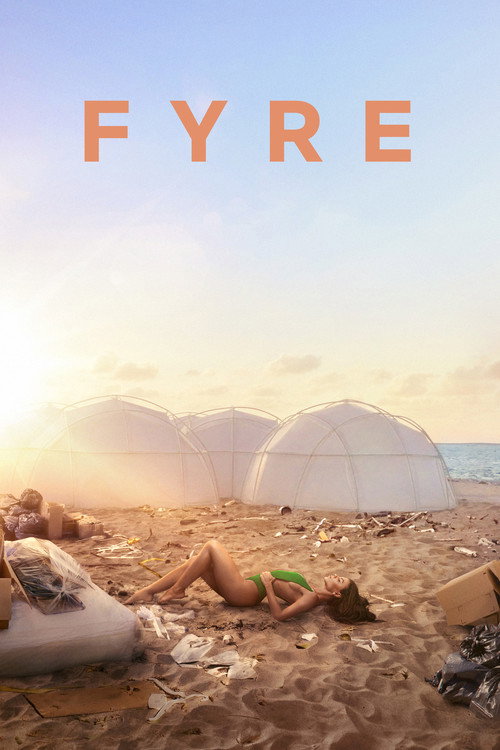
A masterclass in exposing charismatic fraud and systemic failure. Like Rotten, it follows money and deception through layers of complicity, with real consequences for real people caught in the wreckage.
But The subject matter is less immediately relatable than food. If you don't care about music festivals or social media culture, the urgency may not land.
The Toys That Made Us2017
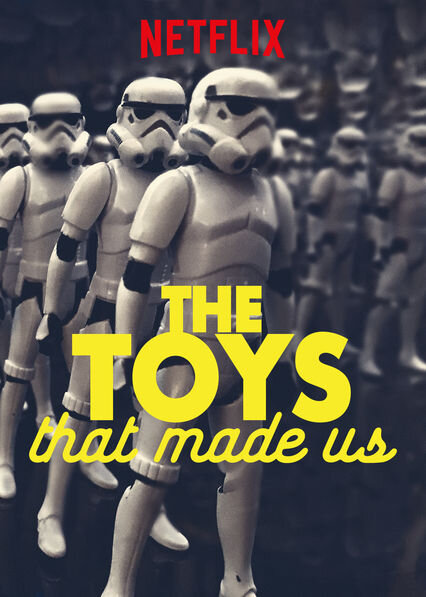
Same DNA as Rotten: industries built on desire, examined from supply chain to consumer. Each episode traces how a beloved product became ubiquitous, revealing the human and ethical costs along the way.
But It's gentler in tone and less forensic. You're celebrating culture as much as interrogating it, which may feel like it lets companies off the hook.
Food, Inc.2008
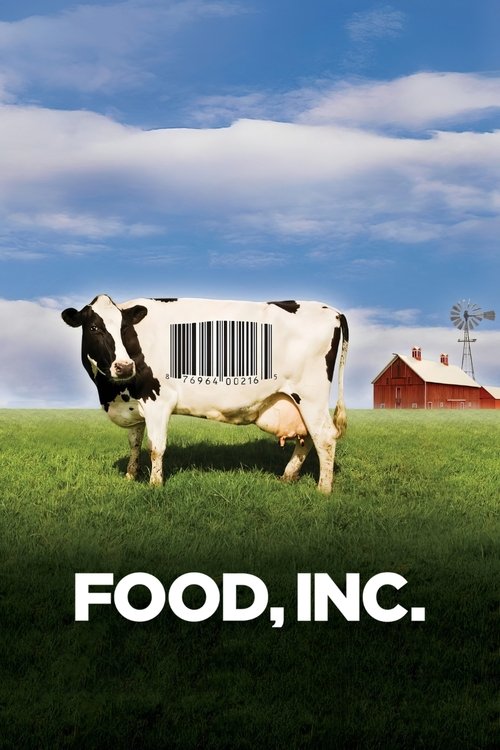
The original investigation into industrial food systems. Pollan and Schlosser guide you through corporate agriculture's dark machinery with clarity and moral weight. Essential viewing if you want deeper context.
But It's fifteen years old and sometimes feels dated. The pacing is slower and less Netflix-slick than Rotten, which can feel didactic.
Not sure tonight? Get a pick in a minute, starting from Rotten
The wildcard
Something you would not have found on your own.
King Corn2007
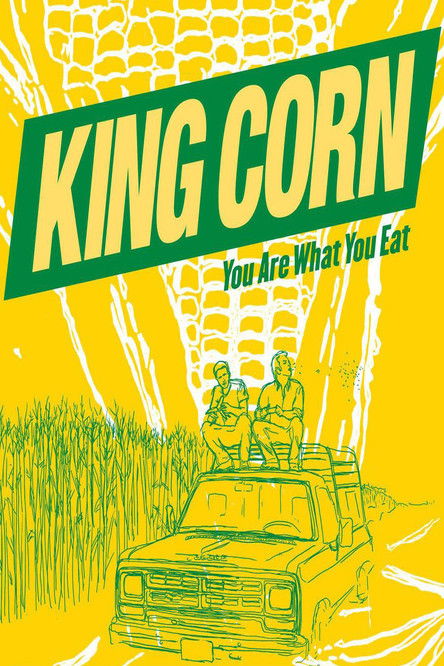
Both trace a single product through hidden networks of corruption and subsidy, but Rotten observes from outside while King Corn lives inside the system and documents their own complicity.
Two filmmakers plant an acre of corn and follow it through the industrial system—a method that's almost like participatory art. You watch food production through their genuine confusion and growing horror, which is more alive than narration alone.
But The personal experiment format means it's slower to build and less narrative than Rotten. If you want maximum information density, this meanders.
More like this (5)
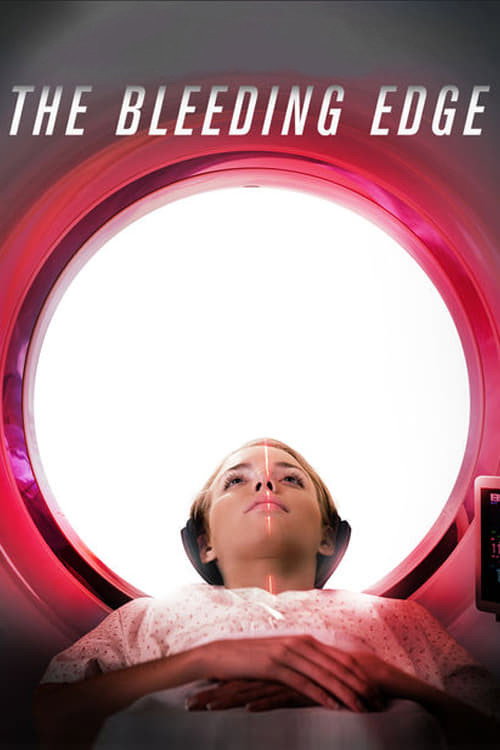
The Bleeding Edge2018
Same investigative energy, different industry: medical devices. Follows victims and whistleblowers exposing how broken regulatory systems allow dangerous products to reach patients.
But It's heavy and genuinely upsetting in ways that can feel unbearable. There's no resolution, just systemic failure you can't unsee.
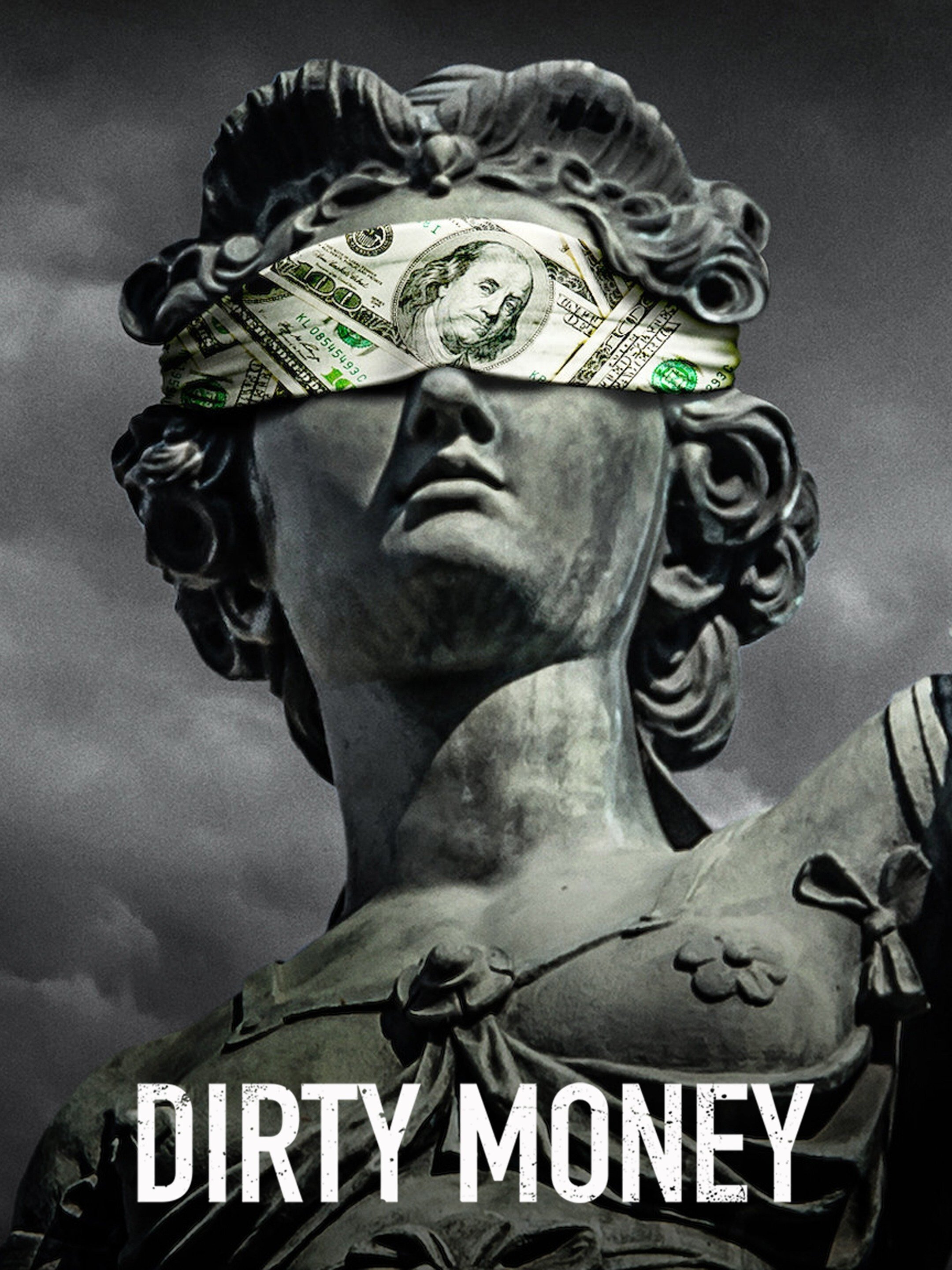
Dirty Money2018
Docuseries following financial crime and corruption across industries. Each episode is a self-contained investigation with the same appetite for exposing networks of fraud and negligence.
But Some episodes land harder than others. A few feel more like crime procedural than moral inquiry, which dilutes the impact.
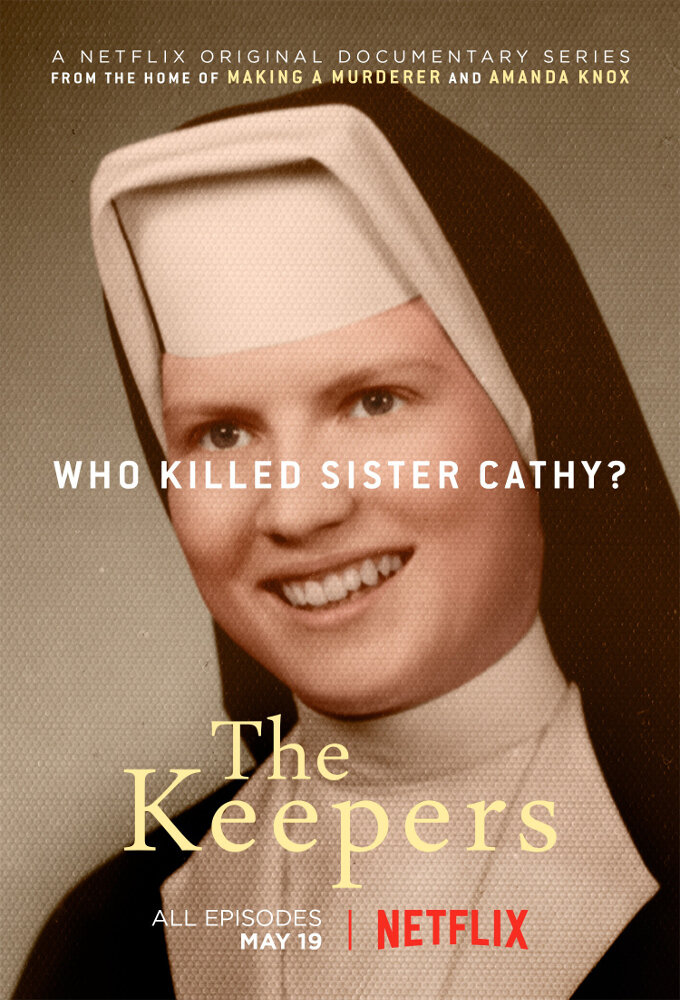
The Keepers2017
Investigative docuseries about institutional cover-up and abuse. Methodical, empathetic, and unsparing in how it documents systems protecting the powerful at the expense of survivors.
But Heavy subject matter that demands emotional labor. If you've watched Rotten for outrage, this requires something closer to grief.
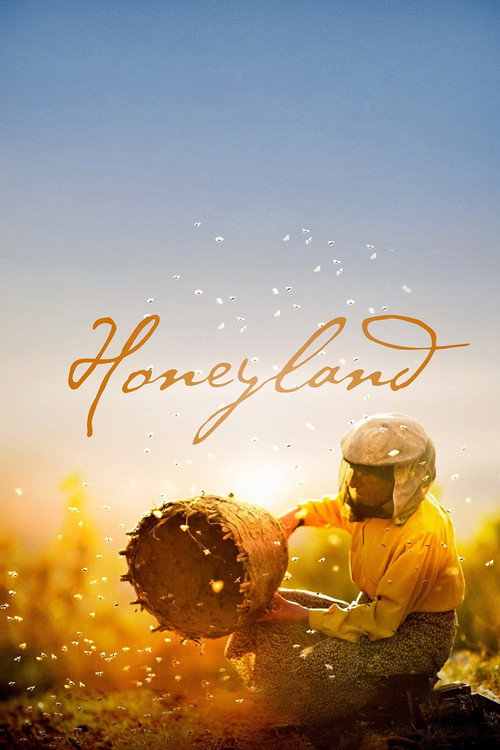
Honeyland2019
One of Rotten's episodes is about honey fraud; this is the inverse—showing what authentic, sustainable practice looks like before it's destroyed. Same ingredient, opposite direction.
A documentary-like narrative film about a Macedonian woman and her bees, watching as a predatory neighbor encroaches on her ecosystem. Shot with such tenderness that ecological devastation becomes intimate and specific rather than abstract.
But It's more art film than investigative documentary. If you want clear villains and systems to blame, the moral ambiguity and poetic approach will frustrate you.
The Act of Killing2012
Both ask: who benefits from hidden crimes, and how do you force power to acknowledge what it's done? But Rotten finds evidence in documents and interviews while this makes perpetrators perform their own guilt, a far riskier documentary strategy.
Indonesian documentary where the filmmaker invites perpetrators of genocide to recreate their crimes on film. It's Rotten's method—follow the chain of command, expose complicity—weaponized as an art form that forces accountability through the perpetrators' own spectacle.
But It's challenging and morally vertiginous. You're watching a filmmaker negotiate with murderers, and it never quite resolve whether he's exposing them or enabling them. Genuinely disturbing.

People
Cast
 Latif NasserNarrator
Recommended by
The Rivals of Amziah King, That Sugar Film, Bizarre Foods with Andrew Zimmern, Fresh