
Film
The Union: The Business Behind Getting High
Adam Scorgie's documentary examines Canada's illegal cannabis industry as an economic engine, interviewing growers, cops, doctors, and economists alongside celebrities like Tommy Chong. It's a straightforward policy argument wrapped in gonzo interviews—half serious analysis, half stoner comedy. For people curious about drug legalization debates or how prohibition actually works in practice.
Should you watch it?
Watch it if you enjoy documentaries that follow the money, where a dry economic argument about prohibition lands with the force of a caper and the interviewees are as entertaining as the subject.
Skip it if you want a tightly reported investigation with hard edges, since this one leans on talking heads, comedic asides and a loose, friendly tone rather than sustained scrutiny of its claims.
What it asks of you: Roughly an hour and forty minutes of mostly seated interviews, cut briskly and lightly, asking you to keep track of economic arguments while staying amused by the company.
Not sure? Find tonight's pick in a minute.
If you liked this
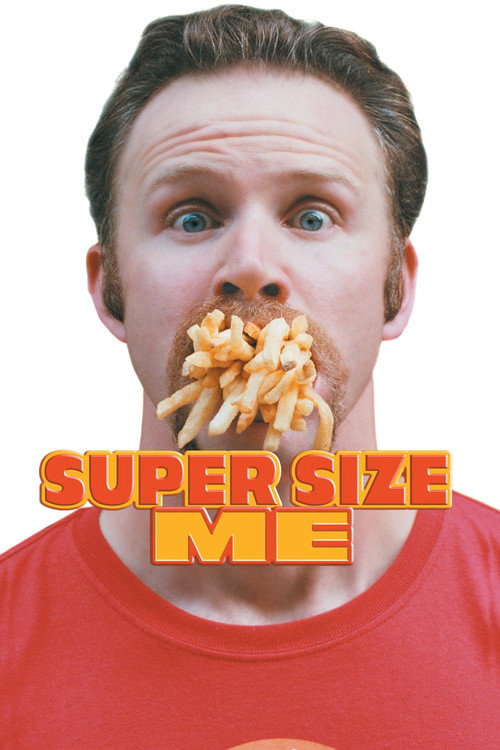
Super Size Me2004
Morgan Spurlock documents a massive industry by embedding himself in it and talking to stakeholders. Like The Union, it uses a charismatic filmmaker and accessible humor to make you rethink something you thought was settled.
But The argument is somewhat one-sided, and the film trusts that outrage will substitute for nuance. It's more provocation than investigation.
The Keepers2017
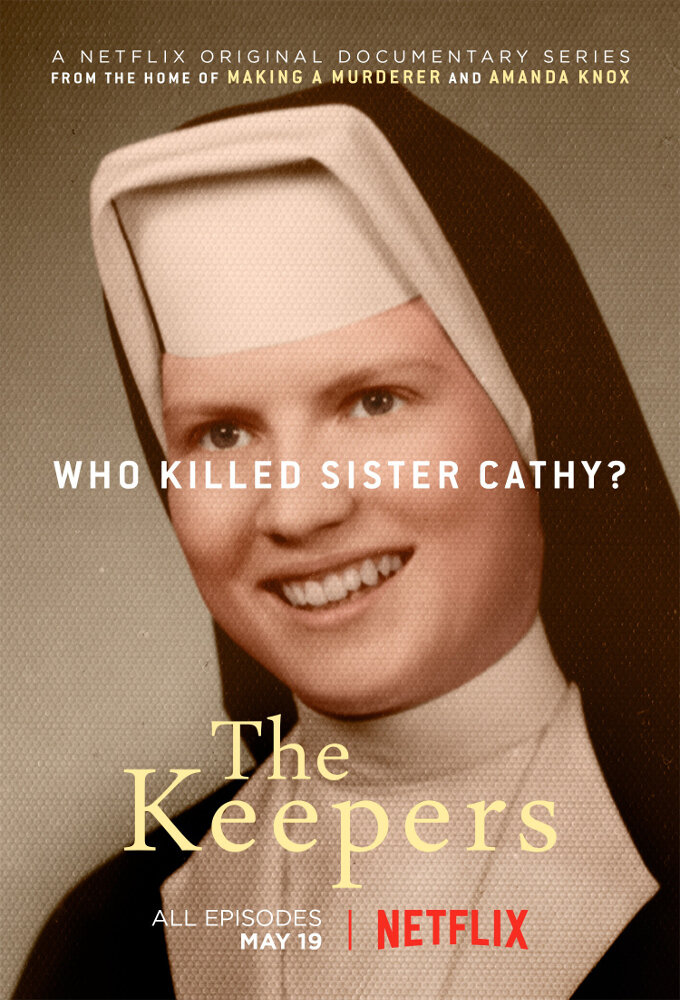
Ryan White's four-part series investigates institutional corruption and cover-ups with rigor and empathy. It has the same DNA as The Union—following a trail of money and power to reveal what authorities don't want examined.
But It's about sexual abuse of children by clergy. The subject matter is traumatic and the resolution incomplete. It will haunt you.
Bowling for Columbine2002
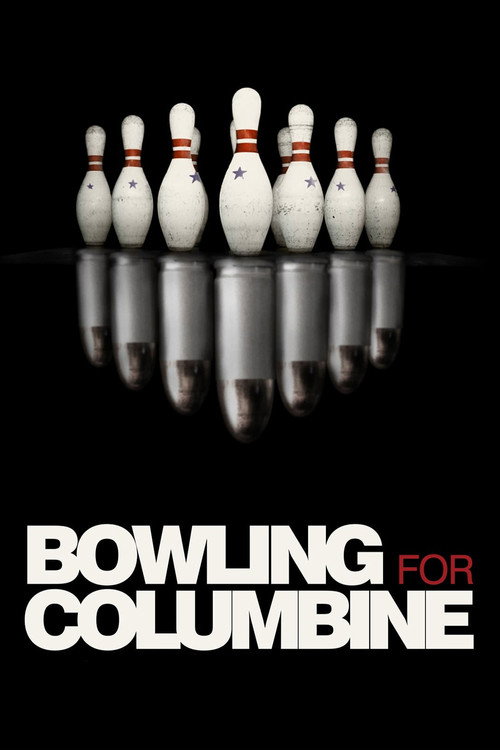
Michael Moore's documentary argues that America's gun problem is really about fear and corporate profit. Like The Union, it's a polemic that uses celebrity cameos and gotcha moments to make you question official narratives.
But Moore's ambush tactics feel dated now, and the logic is sometimes more theatrical than sound. It's propaganda masquerading as journalism.
Not sure tonight? Get a pick in a minute, starting from The Union: The Business Behind Getting High
The wildcard
Something you would not have found on your own.
The Wire2002
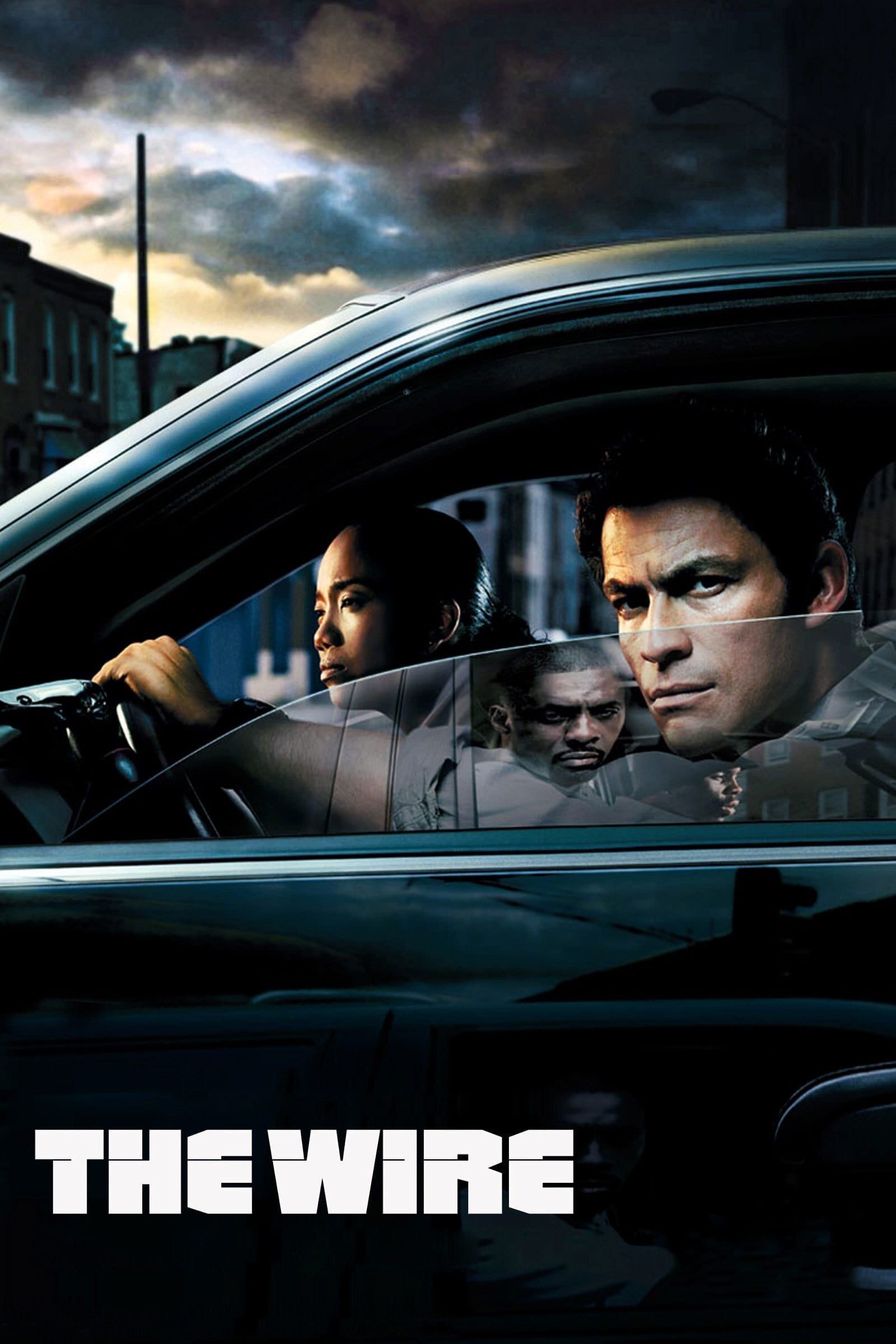
The Union interviews people about the drug trade; The Wire shows you the drug trade operating. Both reject the idea that legality maps onto morality, and both use the drug economy as a lens to examine power and institutional failure.
David Simon's five-season series traces how an illegal drug economy actually functions in Baltimore—the supply chain, the politics, the corruption, the money. It does what The Union does as argument through thousands of hours of narrative: reveal the system.
But It demands real commitment. You need to watch all sixty episodes and track dozens of characters across political, police, and criminal hierarchies. It's work.
More like this (6)
The Social Network2010
Sorkin's drama treats the birth of Facebook as a crime story about ambition and betrayal. Both films explore how enormous profits hide beneath surfaces we thought we understood.
But It's speculative drama, not documentary. What feels true onscreen may have little to do with what actually happened.
Enron: The Smartest Guys in the Room2005
Alex Gibney's documentary reveals how a major corporation got rich by lying. It has the same forensic interest in following money through an illegal system to see how it actually functions.
But The pacing is slow and methodical. There's no Tommy Chong to lighten the mood—this one stays grim.
Manufacturing Consent: Noam Chomsky and the Media1992
Achbar and Wintonick's documentary about Noam Chomsky argues that media and government collude to hide truth. It shares The Union's conviction that official stories are cover-ups worth unpacking.
But It's a slog. The pacing is academic and there's minimal entertainment value if you don't already care about media theory.
The Big Short2015
McKay's film traces how banks got obscenely rich by breaking the system, using stylish editing and celebrity cameos to make fraud entertaining. Both films investigate how legality and profit diverge wildly.
But The tone is flippant about catastrophe. Making the 2008 crisis funny feels like it lets criminals off the hook.
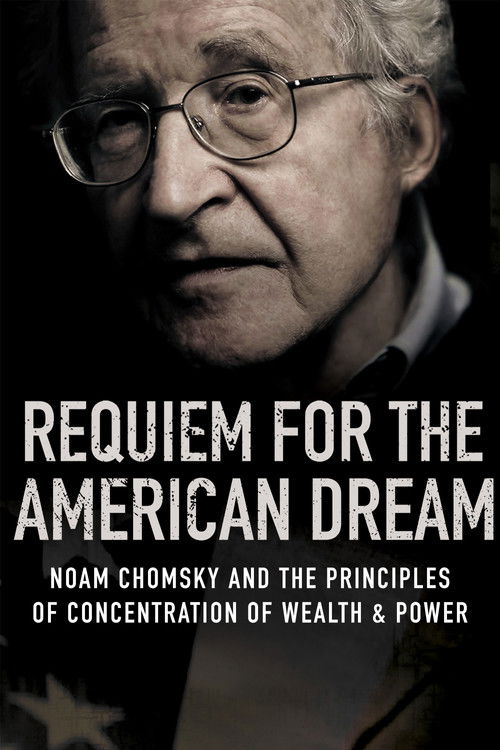
Requiem for the American Dream2015
Peter Joseph's documentary collects Noam Chomsky explaining how wealth and power concentrate. It's conversational and direct about systemic inequality, much like The Union's economic argument.
But Chomsky is a single voice. There's little debate or counter-argument, so it preaches rather than persuades.
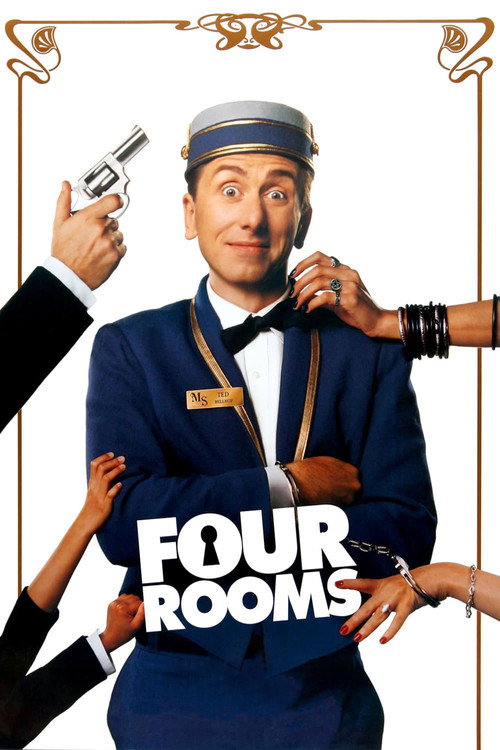
Four Rooms1995
Both treat their subjects with comedic distance rather than outrage. The Union could have been a stern policy documentary but it's funny instead; Four Rooms could have been a normal heist film but it's absurdist instead. Both use comedy to say: look how strange and unsustainable this system actually is.
A surreal, mostly forgotten comedy where nothing is what it seems and the whole system is corrupt in ways nobody discusses openly. It shares The Union's deadpan conviction that everybody's running a scam, just with different stakes—this time it's a New Year's Eve hotel.
But It's weird and aggressively slight. The humor is abstract and it refuses to build toward anything satisfying. Some will find it clever; most will find it irritating.
People
Cast
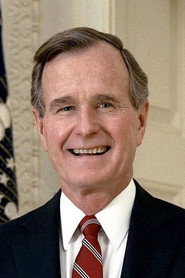 George H. W. BushSelf (archive footage)
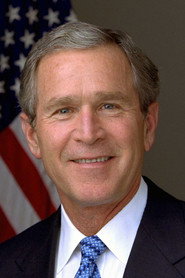 George W. BushSelf (archive footage)
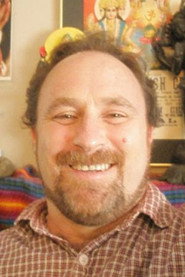 Chris BennettSelf
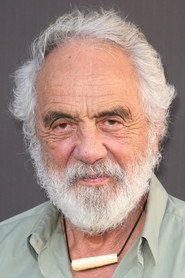 Tommy ChongSelf
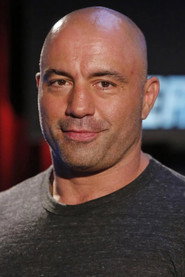 Joe RoganSelf
- Craig X. RubinSelf
 MaestroSelf
Directing
- Brett HarveyDirector