
Film
Dead Presidents
The Huggins Brothers' 1995 crime thriller follows a Vietnam vet returning to the Bronx, where economic desperation and unhealed war wounds push him toward an armored-car heist with fellow soldiers. It's stylish urban noir with real anger beneath the genre mechanics—a film about how America abandons its veterans, told through visceral action and character study.
Should you watch it?
Watch it if you like crime films where the scheming matters less than the men doing it, and where a war's leftover damage sits heavily on ordinary lives.
Skip it if you want a brisk, tightly plotted heist, since its early stretch drifts slowly through postwar disappointment and the tone stays bruised rather than playful.
What it asks of you: Around two hours at a patient pace, it wants you to sit through long stretches of quiet bitterness before the set pieces arrive, with a dark, unshowy mood throughout.
Not sure? Find tonight's pick in a minute.
If you liked this
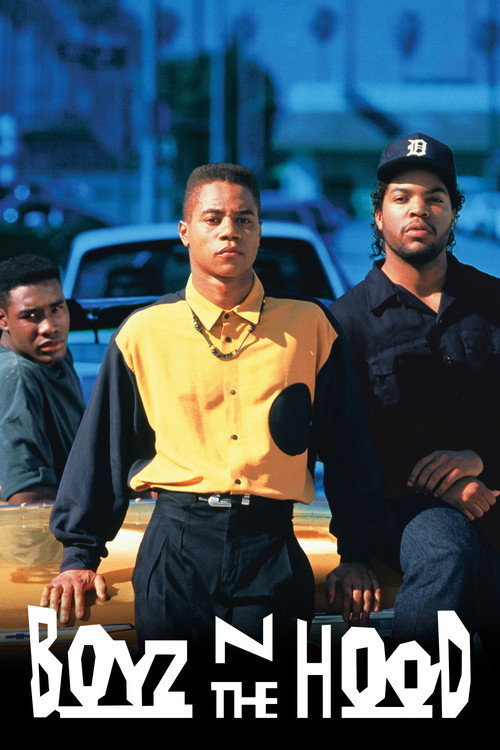
Boyz n the Hood1991
Singleton's debut shares Dead Presidents' unflinching look at how young Black men navigate poverty and violence, grounding genre storytelling in lived social reality and moral complexity.
But The pacing is deliberate and conversational; there are long scenes of characters simply talking, which some find slow.
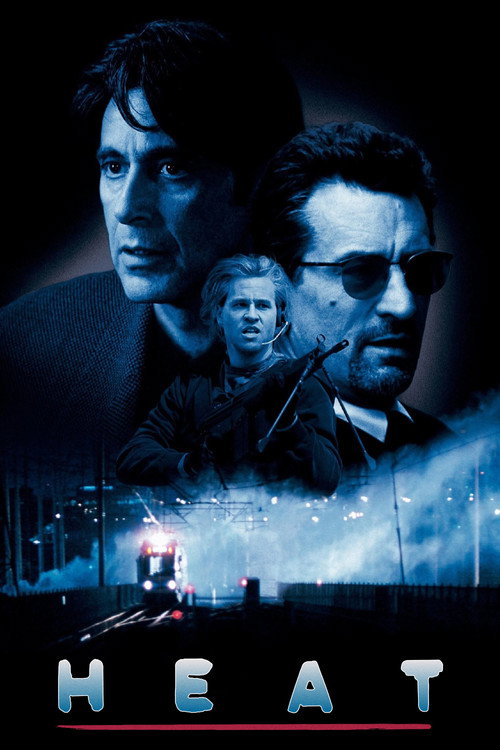
Heat1995
Mann's masterpiece also balances a heist plot with character depth, exploring the psychology of men drawn to dangerous lives and the costs of that commitment. Released the same year but operates at a different scale.
But It's nearly three hours long and the action scenes, while incredible, are noise-heavy in ways that don't suit everyone.
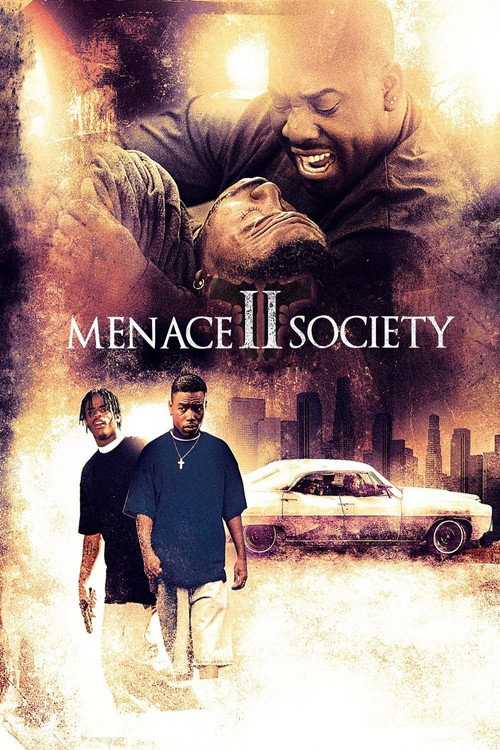
Menace II Society1993
The Hughes Brothers' own early work—a scathing look at cycles of violence and survival in South Central LA, with a similar refusal to make crime glamorous despite the film's formal style.
But It's bleaker than Dead Presidents and offers even fewer redemptive exits; the nihilism will exhaust some viewers.
Not sure tonight? Get a pick in a minute, starting from Dead Presidents
The wildcard
Something you would not have found on your own.
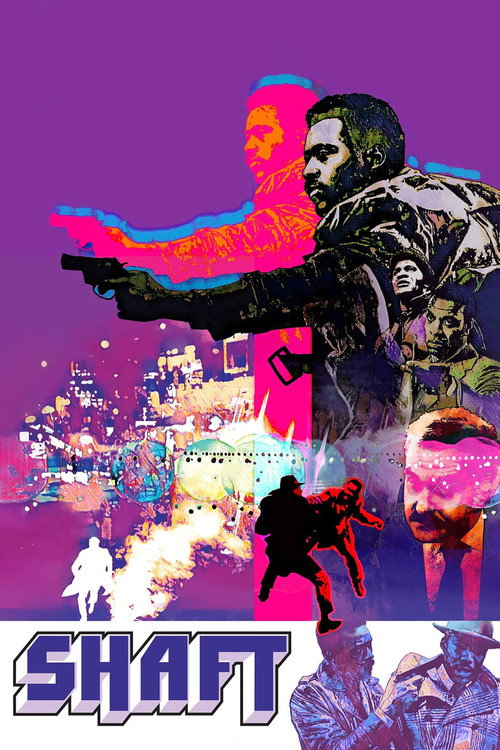
Shaft1971
Both are Black-directed genre films that use heist/crime structures to explore identity, systems of power, and what gets lost when men are pushed outside them.
Parks' original is the template for Black action cinema—a detective noir that transforms genre through cultural specificity, style, and moral ambiguity. The Huggins Brothers are working in a tradition Shaft helped create.
But It's a 1970s blaxploitation film with some deeply dated attitudes toward women; the pacing assumes patience with long dramatic scenes.
More like this (8)
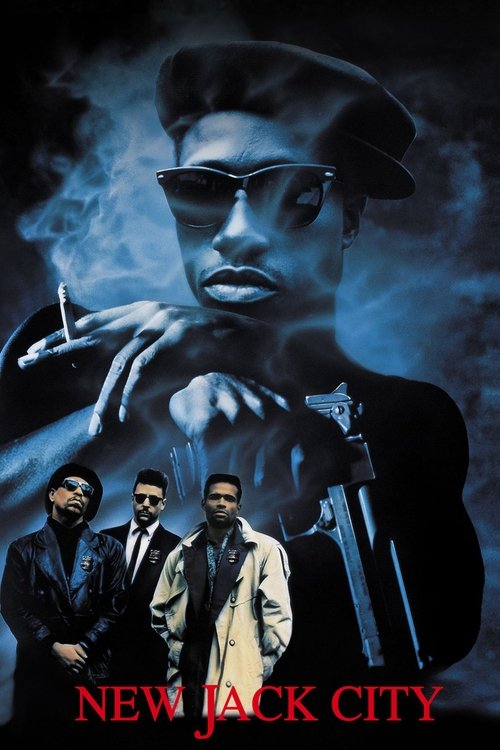
New Jack City1991
Spike Lee's crime drama explores drug economics and institutional corruption through character arcs that feel lived-in rather than plotted. Wesley Snipes gives a magnetic villain turn.
But The film sometimes works at sermon-length; the social commentary can overshadow narrative momentum in the final act.
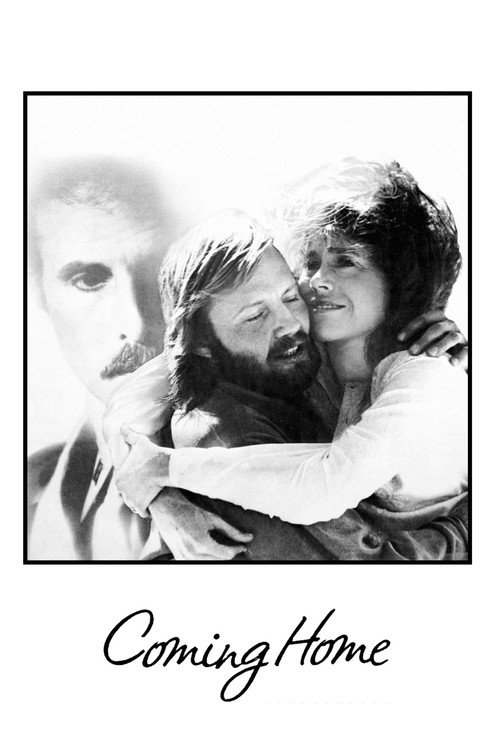
Coming Home1978
Ashby's film is the inverse trauma study—a Vietnam vet returns damaged, but the focus is intimate and emotional rather than action-driven. Essential for understanding the veteran experience Dead Presidents draws from.
But It's a 1970s romance-drama, not a heist film; the pacing and sensibility are entirely different, which distances it.
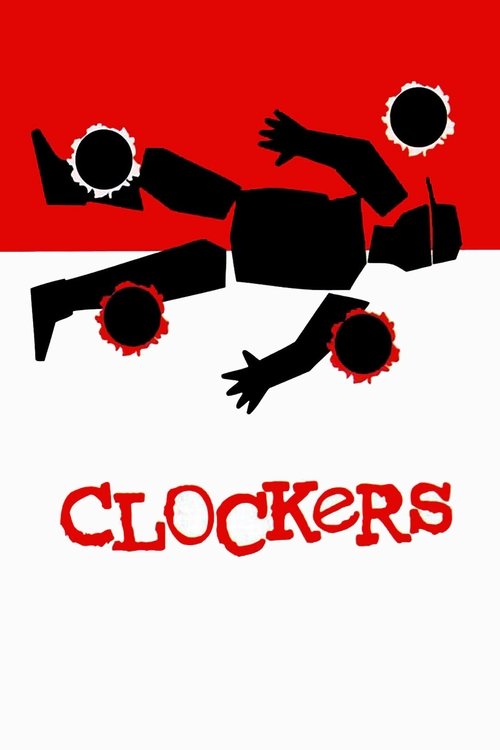
Clockers1995
Spike Lee's same-year release about street-level dealers and the systems that trap them; David Mamet's script brings intellectual rigor to the drug economy and moral compromise.
But It's deliberately unglamorous and can feel more like sociology than cinema; some find that approach cold.
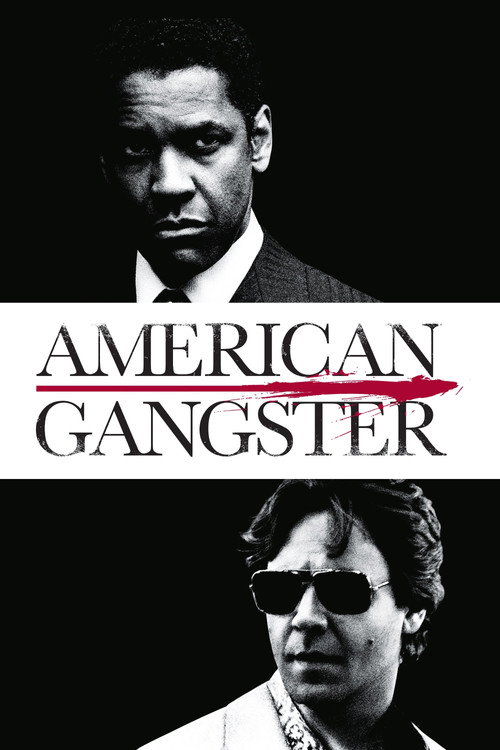
American Gangster2007
Scott's sprawling Harlem saga follows a different generation, but shares Dead Presidents' interest in how systemic exclusion creates criminal opportunity and how personal ambition corrodes loyalty.
But The film is bloated and sometimes inert; Washington and Crowe are on different wavelengths, which creates distance rather than tension.
The Killing1956
Kubrick's proto-heist film is the formal ancestor—a tight, stylish robbery narrative that trusts the audience and moves with propulsive efficiency. Influential on how the genre thinks about planning and execution.
But It's a 1950s B-picture; the gender politics and melodrama feel dated, and the heist itself is relatively modest in scope.

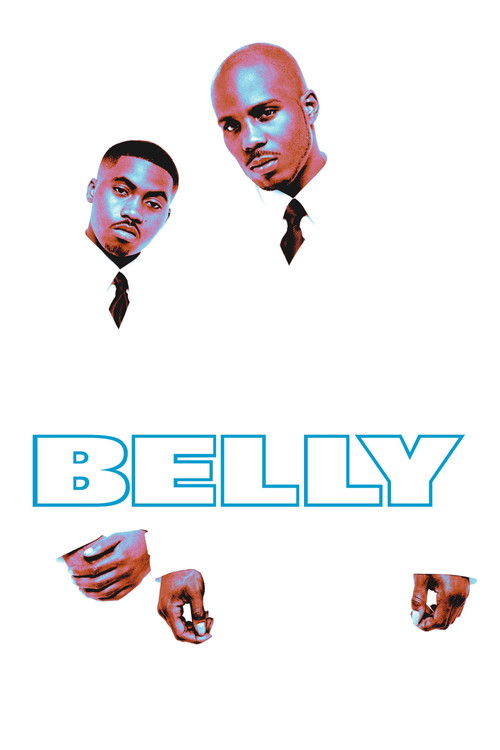
Belly1998
Hype Williams' fever-dream crime epic is all visual excess and surface, but the commitment to style-over-substance and its refusal to explain or judge its characters is genuinely unconventional.
But The plot barely exists; it's essentially a series of images and sounds. If narrative matters to you, this is impenetrable nonsense.
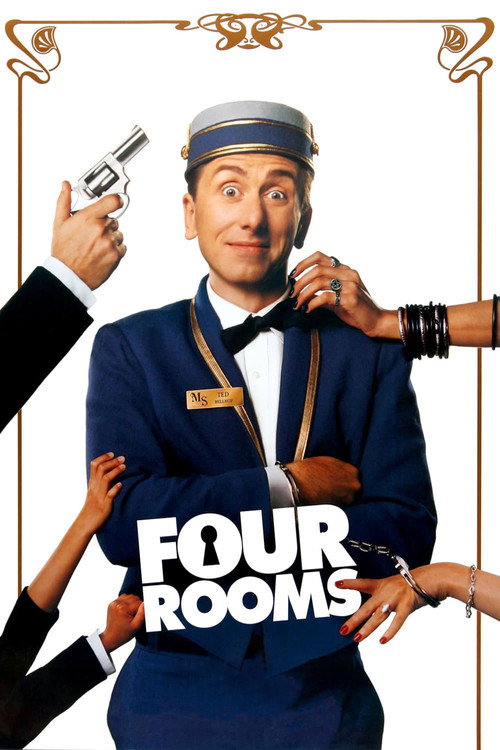
Four Rooms1995
Both 1995 films stage scenarios where men trapped in confined spaces must navigate codes and hierarchies—one tragic, one farcical, but both obsessed with how power operates in close quarters.
A wildly strange locked-chamber comedy written by André Braugher and others, playing with form and time in ways entirely opposite to Dead Presidents' visceral realism. Same year, completely different DNA.
But It's experimental and deliberately slight; the humor is arch and won't land if you're expecting conventional narrative. Some scenes feel like watching someone's writing exercise.
Synecdoche, New York2008
Both films are obsessed with how men reconstruct identity after trauma, and how planning and performance become ways to avoid the unbearable present. The tone is different, but the emotional architecture is parallel.
Kaufman's apocalyptic masterpiece is also about a veteran of urban decay, performance, and the gap between the life you planned and the one you're living. Structurally and tonally it's maximalist where Dead Presidents is direct, but the wound is the same.
But It's deliberately confusing, long, and committed to a register of existential dread that offers no catharsis. Some viewers find it exhausting rather than moving.

People
Cast
 Larenz TateAnthony Curtis
 Keith DavidKirby
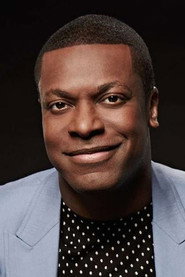 Chris TuckerSkip
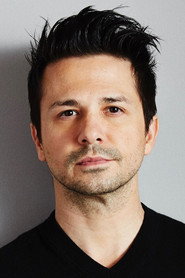 Freddy RodríguezJose
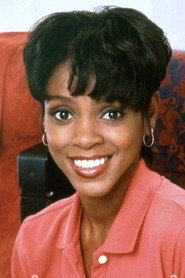 Rose JacksonJuanita Benson
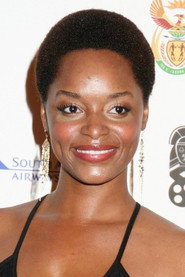 N'Bushe WrightDelilah Benson
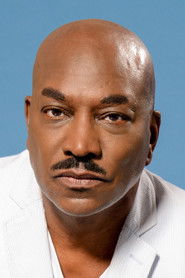 Clifton PowellCutty
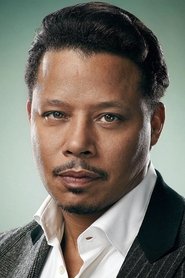 Terrence HowardCowboy
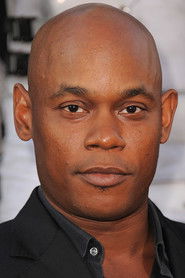 Bokeem WoodbineCleon
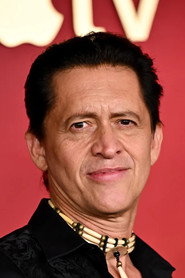 Clifton Collins Jr.Betancourt
 Elizabeth RodriguezMarisol
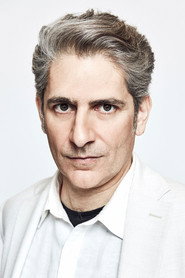 Michael ImperioliD'ambrosio
Directing
- Albert HughesDirector
- Allen HughesDirector
- H.H. CooperFirst Assistant Director
- Joseph RayFirst Assistant Director
- Barbara TussScript Supervisor
- Dale M. NielsenSecond Assistant Director
- H.H. CooperSecond Assistant Director
- Heidi McGowenSecond Second Assistant Director
- Jeff WardSecond Unit Director
- Ed DessissoSecond Unit First Assistant Director
Writing
- Michael Henry BrownScreenplay
- Albert HughesWriter
- Allen HughesWriter
Production
- Barbara HarrisADR Voice Casting
- Bryan ScottADR Voice Casting
- Victoria Brown McCreadyAssistant Accountant
- Dale WatkinsAssistant Location Manager
- R.W. DixonAssistant Location Manager
- Mary VernieuCasting
- Risa Bramon GarciaCasting
- Ángela NúñezCasting Associate
- David VaccariCasting Associate
- Ria PaviaCasting Associate
- Darryl PorterExecutive Producer
- Winsome SinclairExtras Casting
- J. Max RuschakFirst Assistant Accountant
- Tracey HindsKey Production Assistant
- Charles E. YatesLocation Assistant
- Jay HorneLocation Assistant
- Maria Christina WilliamsLocation Coordinator
- Brent OwensLocation Manager
- Joe BudaPayroll Accountant
- Albert HughesProducer
- Allen HughesProducer
- Mike PhillipsProduction Accountant
- Phillipa DavisProduction Coordinator
- Katreniah L. WashingtonProduction Secretary
- Dwight WilliamsUnit Production Manager
- Randy OstrowUnit Production Manager