
Film
Jungle Fever
Spike Lee's 1991 examination of infidelity, race, and addiction in New York City. A successful Black architect's affair with his white colleague shatters his marriage and exposes fractures in his family, his faith, and his community. Visceral and uncomfortable by design—this is Lee at his most direct, wrestling with desire and consequence without easy answers.
Should you watch it?
Watch it if you want a Spike Lee film that argues with itself about race, sex and family loyalty, with messy, talky scenes that refuse to hand you a verdict.
Skip it if you need a tidy, sympathetic protagonist or a story that stays out of the family kitchen, since much of it is loud, long and tangled with ugly arguments.
What it asks of you: Over two hours and twelve minutes of dense dialogue, shifting perspectives and sudden flares of anger, so it rewards patience and full attention rather than background viewing.
Not sure? Find tonight's pick in a minute.
If you liked this
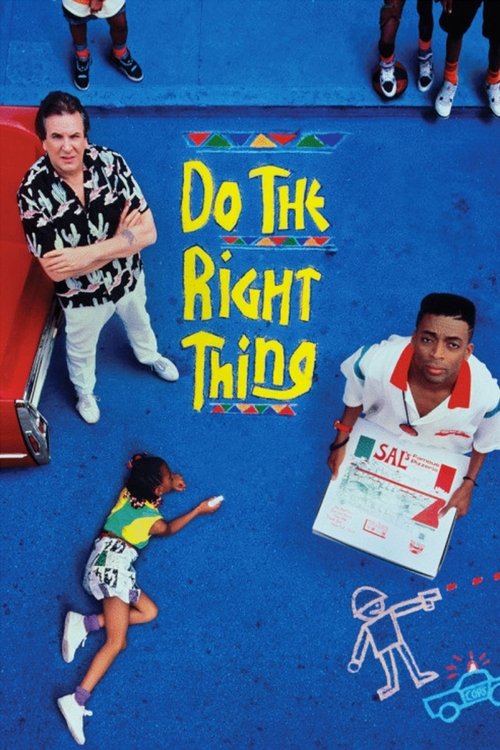
Do the Right Thing1989
Lee's earlier masterpiece about racial tension simmering through a single sweltering day in Brooklyn. It has the same moral urgency and refusal to let anyone off the hook; characters you disagree with are never simple.
But It's relentlessly confrontational and the ending is deliberately abrupt. There's no catharsis, only the heat and the inevitability of collision.
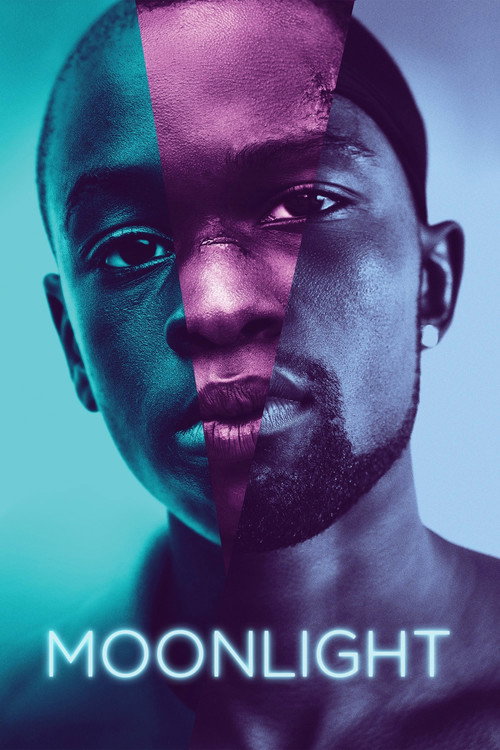
Moonlight2016
A quiet, luminous meditation on Black masculinity, desire, and the spaces between what we show and what we feel. Like Jungle Fever, it understands that intimacy and identity are tangled together in ways we don't always have words for.
But It's slow and impressionistic. If you want plot momentum or dialogue explaining feelings, this will frustrate you.
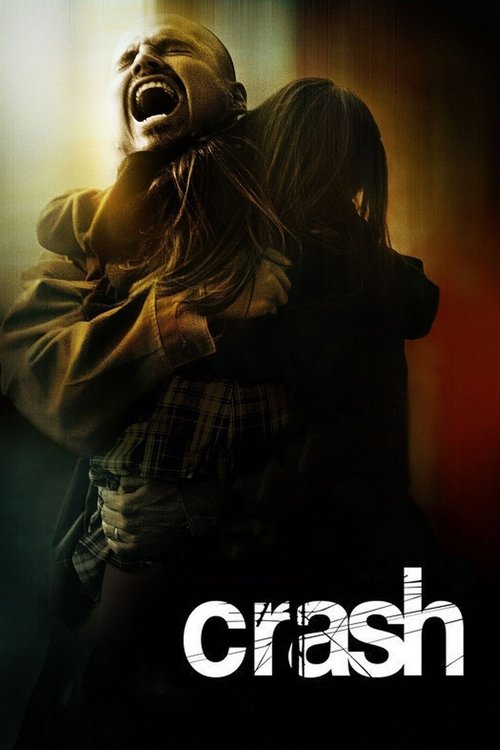
Crash2005
Paul Haggis tackles race in Los Angeles through interlocking stories that collide and reveal buried prejudices. It's also interested in how assumptions about race corrode relationships and destroy families.
But It's become a critical punching bag for its heavy-handedness and neat resolutions. Many feel it exploits racial trauma for redemption arcs that don't earn themselves.
Not sure tonight? Get a pick in a minute, starting from Jungle Fever
The wildcard
Something you would not have found on your own.
In the Mood for Love2000
Both films are about how an affair cracks open a life and exposes what was always fragile underneath. But where Lee is raw and angry, Wong Kar-wai is poetic and resigned. The same catastrophe told in different languages.
Wong Kar-wai's Hong Kong film about two neighbors who discover their spouses are having an affair. It's achingly beautiful and indirect—told through color, choreography, and music rather than confrontation. Infidelity, but as a kind of tragedy rather than moral failing.
But The pacing is glacial and the camera moves are so stylized they can feel mannered. If you want realism or emotional directness, this is the opposite.

More like this (6)
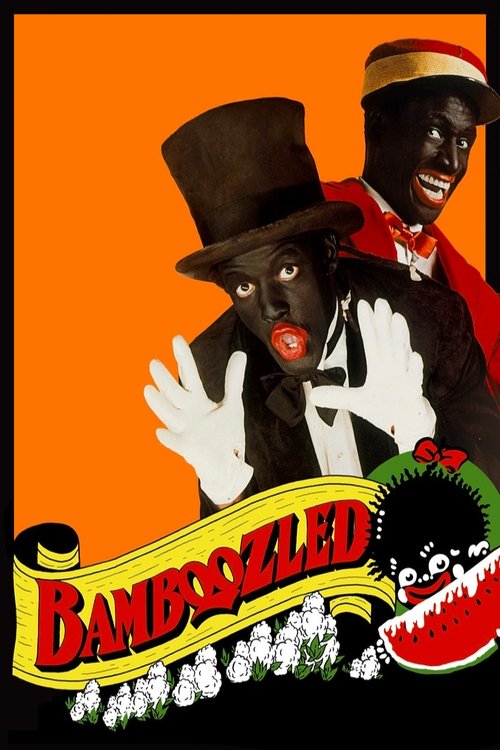
Bamboozled2000
Lee's savage indictment of racism in entertainment, told through a Black TV producer pitching a modern minstrel show. It has the same fury as Jungle Fever, but turned outward at systems and complicity instead of inward at desire.
But It's deliberately ugly and satirical in ways that can feel didactic. The entertainment industry satire sometimes overwhelms the character work.
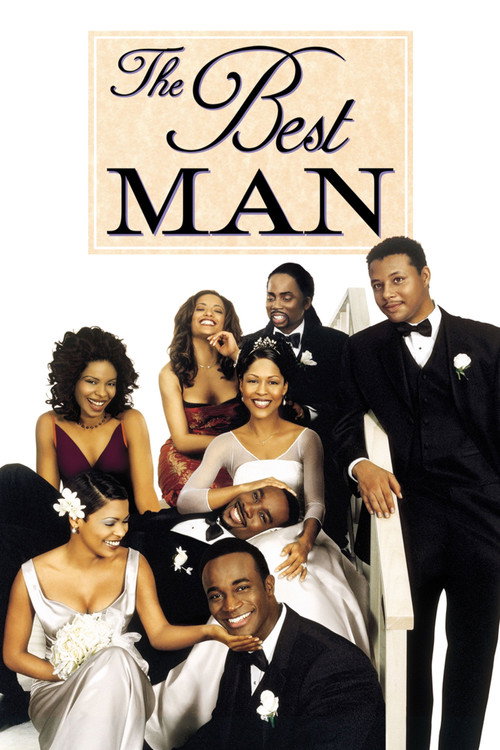
The Best Man1999
Malcolm D. Lee's examination of infidelity, ambition, and loyalty among a group of successful Black professionals. It's warmer than Jungle Fever but asks similar questions about what we owe each other and ourselves.
But It can feel like a well-made sitcom at times. The ensemble cast and lighter tone deflate some of the moral weight.
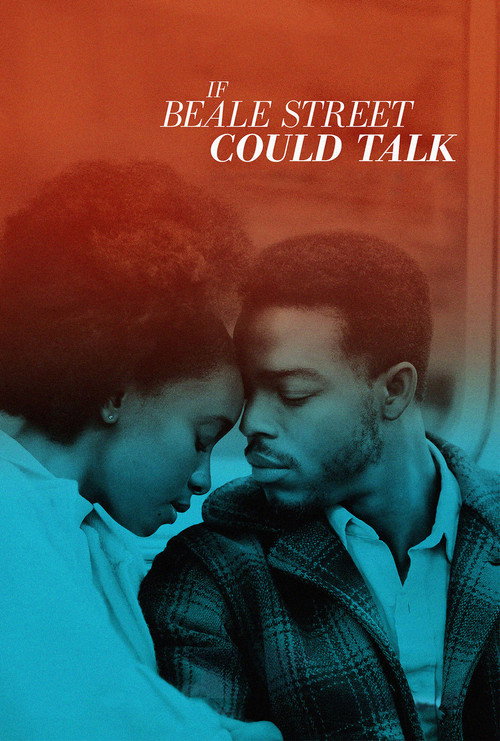
If Beale Street Could Talk2018
Barry Jenkins' adaptation of Baldwin's novel is a love story under siege—a Black couple navigating injustice with tenderness and rage. It's about how structural racism invades the most intimate spaces.
But The pacing is measured and the film refuses drama for its own sake. Some find it contemplative to the point of stillness.
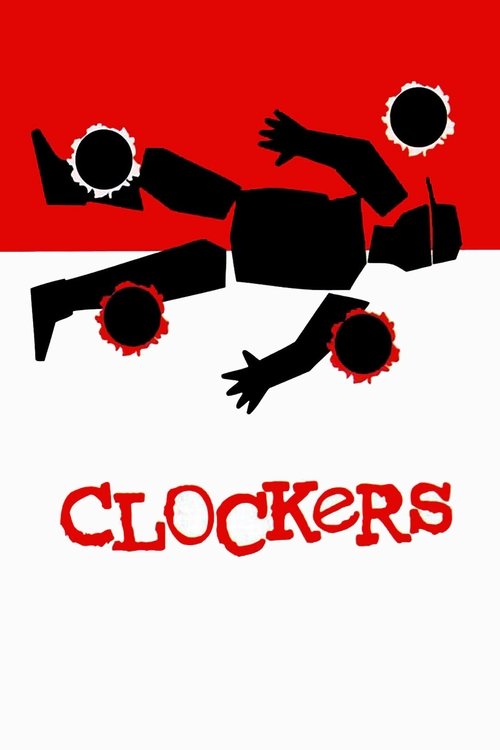
Clockers1995
Spike Lee adapts David Simon's novel about drug dealers and detectives in Brooklyn. It has Jungle Fever's interest in how desperation and choice fracture families and communities.
But It's dense with plot and characters, and the tonal shifts between crime drama and family tragedy can feel abrupt.
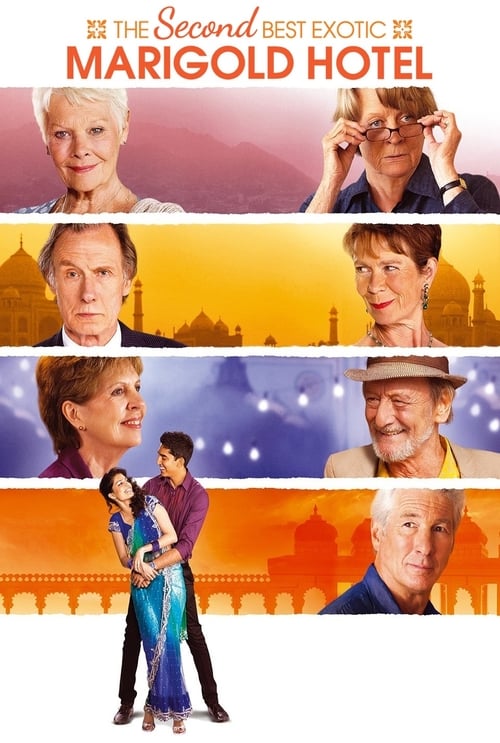
The Second Best Exotic Marigold Hotel2015
Both films are interested in how people compartmentalize their lives—the version they want to be versus the version they are. Jungle Fever tears open that compartment; this one suggests we all live in several places at once.
A British ensemble comedy that's unexpectedly intelligent about aging, displacement, and what happens when you try to run from yourself across continents. It has depth beneath the charm.
But It's lightweight and whimsical in a way that can feel saccharine. The sentiment is real but the package is very fluffy.
Chungking Express1994
Both use a major city as a character in its own right—New York and Hong Kong as places where strangers collide and lives intersect. But where Jungle Fever sees the city as a moral landscape, Chungking Express sees it as a kind of ballet where longing is choreographed into architecture and neon.
Wong Kar-wai's earlier film about two Hong Kong cops processing heartbreak and loneliness through the city around them. It's about desire and disconnection, shot with such visual jazz that the camera becomes the emotional center.
But The plot is slight and the film is more interested in mood than narrative. Subtitled, deliberately fragmented, and more interested in aesthetic than clarity.

People
Cast
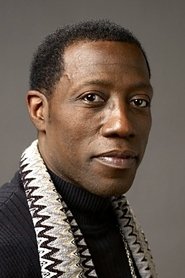 Wesley SnipesFlipper Purify
 Annabella SciorraAngie Tucci
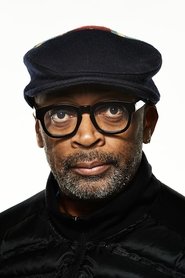 Spike LeeCyrus
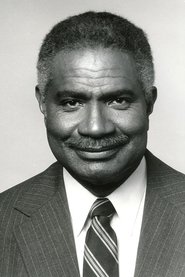 Ossie DavisReverend Purify
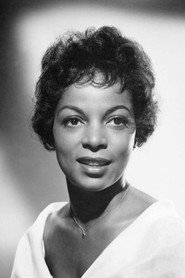 Ruby DeeLucinda Purify
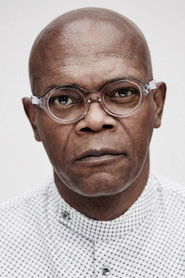 Samuel L. JacksonGator Purify
 Lonette McKeeDrew
 John TurturroPauline Carbone
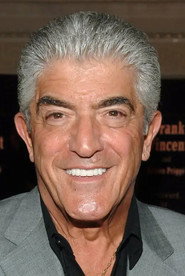 Frank VincentMike Tucci
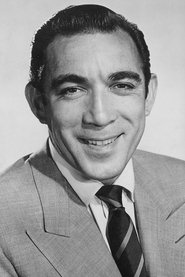 Anthony QuinnLou Carbone
 Halle BerryVivian
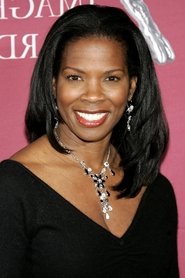 Tyra FerrellOrin Goode
Directing
- Shari L. CarpenterContinuity
- Spike LeeDirector
- Randy FletcherFirst Assistant Director
- Dale Pierce-JohnsonSecond Assistant Director
- H.H. CooperSecond Assistant Director
Writing
- Spike LeeWriter
Production
- Dale WatkinsAssistant Location Manager
- Eric KleinAssistant Location Manager
- Robi ReedCasting
- Carl Anthony LeeCasting Associate
- Monty RossCo-Producer
- Andrea ReedExtras Casting
- Tracy VilarExtras Casting
- Jon KilikLine Producer
- Brent OwensLocation Manager
- Spike LeeProducer
- Susan D. FowlerProduction Coordinator
- Debra D. JeffreysProduction Office Coordinator
- Sherri G. SneedProduction Secretary
- Preston L. HolmesProduction Supervisor
- Brent OwensUnit Manager
Recommended by
Guess Who's Coming to Dinner, Higher Learning, Boomerang, Livin' Large!, House Party 2, Mississippi Masala