
Film
We Are the Lambeth Boys
A landmark 1959 documentary about working-class teenagers at a South London youth club, shot with the observational intimacy that would define the New Wave. It captures the texture of ordinary adolescent life—boredom, friendship, mild rebellion, small dreams—with complete absence of sentimentality. Essential viewing for understanding how cinema learned to look at real people.
If you liked this
Kes1970
Ken Loach's portrait of a working-class Sheffield boy and his relationship with a kestrel. It has the same unflinching eye for how class shapes childhood, the same refusal to make poverty picturesque or noble.
But Slow in places and relentless in its bleakness. There's a genuinely difficult scene near the end that stays with you for the wrong reasons.

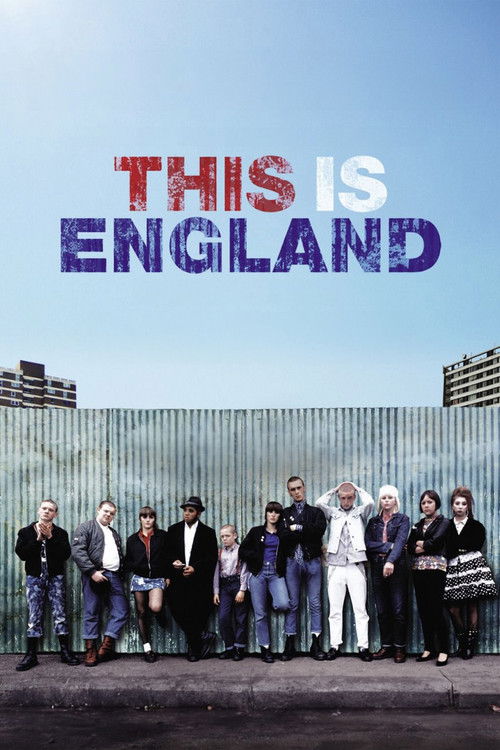
This Is England2007
Shane Meadows captures the texture of youth-gang life in 1980s Midlands with the same ethnographic precision Reisz brought to the Lambeth Boys. Funny, painful, utterly alive to what kids actually think and feel.
But The second half veers into territory that's unsettling by design. Some viewers find the tonal shift jarring.
Moonlight2016
Three acts following a Black boy through childhood, adolescence and young adulthood in Miami. The same quiet attention to interiority and friendship, the same belief that observing is enough.
But Very little happens in the conventional sense. If you need plot momentum or dialogue-driven drama, this will feel glacial.

Not sure tonight? Get a pick in a minute, starting from We Are the Lambeth Boys
The wildcard
Something you would not have found on your own.
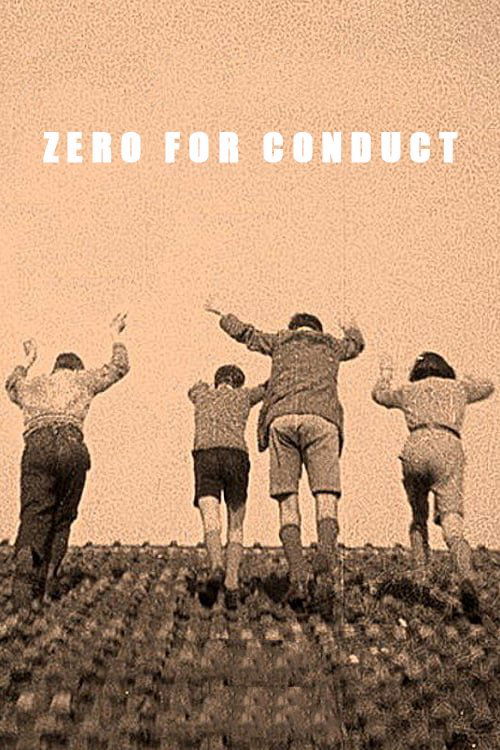
Zero for Conduct1933
Both films understand that youth culture has its own logic and beauty. Both refuse to patronize or preach. Vigo did it with artifice; Reisz did it with a camera and time.
Jean Vigo's surrealist film about boys rebelling in a boarding school. Predates cinema-vérité by decades, but it captures the same energy: the texture of adolescent friendship, the absurdity of adult authority, rebellion as a form of poetry.
But Thirty minutes, highly stylized, sometimes more dream than documentary. The surrealism can feel dated or self-conscious to modern eyes.
More like this (7)
La Haine1995
Mathieu Kassovitz's 24 hours with three friends in the Paris banlieue. Raw, contemporary, structured like a day in the life rather than a story. The social observation is as acute as anything Reisz made.
But Punchy and restless rather than meditative. Some scenes of violence are brief but intense. Subtitles required.

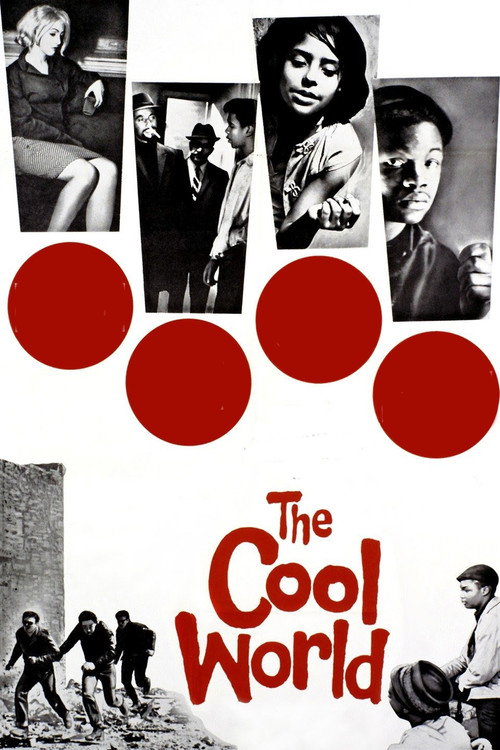
The Cool World1964
Shirley Clarke's documentary-fiction hybrid about a Harlem gang. It operates in the same register as Lambeth Boys—fly-on-the-wall authenticity mixed with a playwright's structure.
But The hybrid form can feel uncertain. The pacing is genuinely odd, and it's a film that demands patience without always rewarding it immediately.
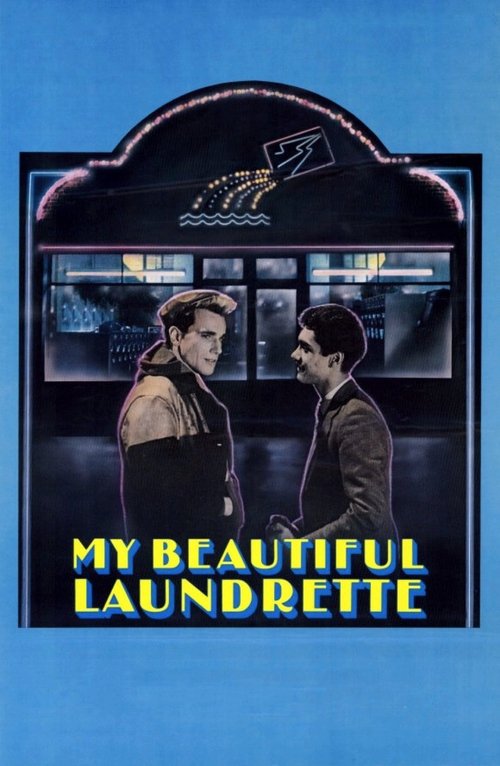
My Beautiful Laundrette1985
Stephen Frears and Hanif Abdurrakhman examine working-class London life, masculinity and race through two young men and a laundrette. Vivid, specific, unsentimental in exactly the way Reisz would approve.
But Uncomfortable power dynamics and class politics are baked in. It's not a comfortable watch, and some find the ending ambiguous in frustrating ways.
Under the Skin2014
Jonathan Glazer's observation of an alien in human form moving through Glasgow. Strange as it sounds, it shares Lambeth Boys' commitment to watching how people actually exist in space and time.
But Deliberately opaque and slow. Long sequences with minimal dialogue. The final act is genuinely difficult. This is very much an acquired taste.

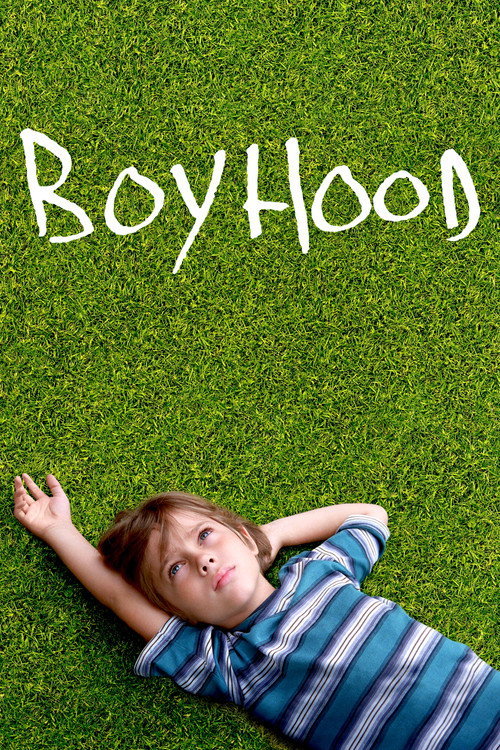
Boyhood2014
Richard Linklater follows one boy from age six to eighteen, shot over twelve years. The same faith in the poetry of ordinary time, the same quiet attention to how we become ourselves.
But Three hours long and almost nothing dramatic happens. If you need conflict and resolution, this will feel like watching paint dry.
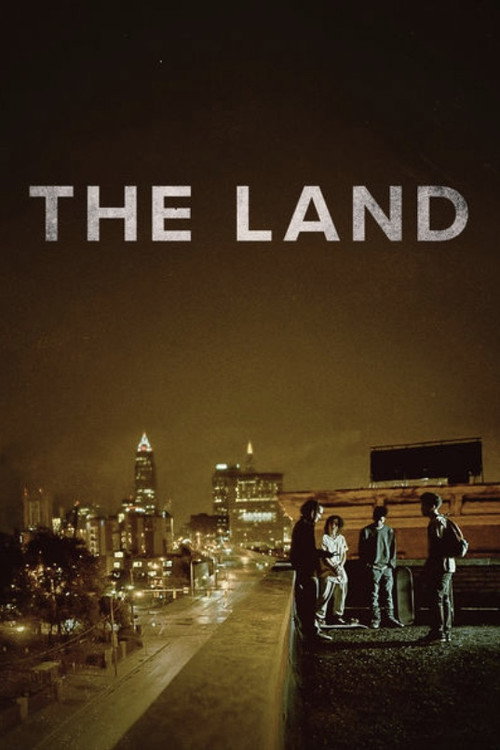
The Land2016
Bill and Turner Ross's observational documentary about four boys navigating poverty and danger in rural Ohio. Contemporary and specific, with deep roots in the Reisz tradition.
But Extremely bleak. Some scenes of real jeopardy feel irresponsible. Not for viewers seeking hope or resolution.
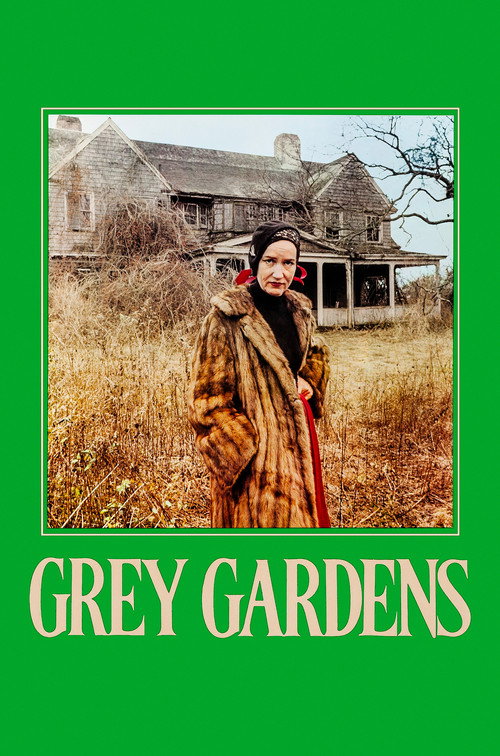
Grey Gardens1976
Both are masterclasses in observational filmmaking that trust duration and specificity over narrative. Both believe that watching is a form of respect.
The Maysles brothers' documentary about two reclusive women in a decaying East Hampton mansion. Not about youth, but uses the same observational method: patient, unsensational, trusting the viewer to find meaning in how people live.
But Deeply sad in ways that aren't comfortable. Some viewers feel the filmmakers exploit their subjects' vulnerability. It's confronting rather than cathartic.
People
Cast
 Jon RollasonCommentator (voice)
Directing
- Karel ReiszDirector
Production
- Leon CloreProducer