Film
Safe Journey
- Musical
- Slow-burning
A wordless musical journey tracing Romani culture and music across continents, from India through the Middle East to Europe. Director Tony Gatlif lets instruments and landscapes speak instead of narration, creating something between concert film and anthropological odyssey. For anyone moved by music as a living, breathing record of a people's history.
If you liked this
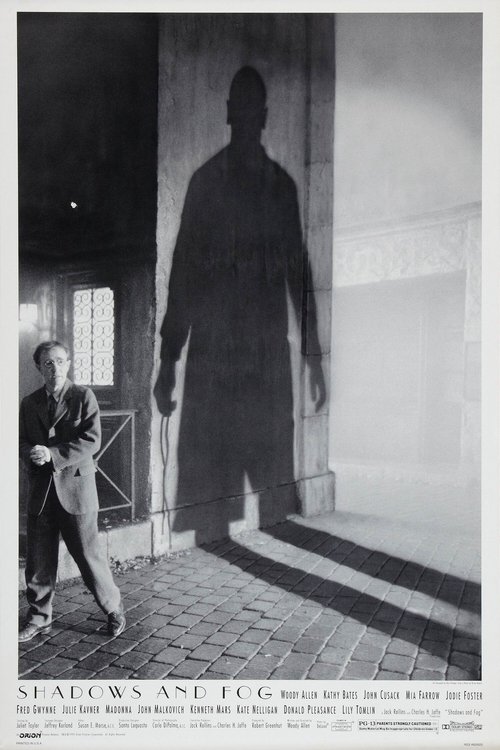
Shadows and Fog1991
Gatlif's companion piece uses similar visual poetry to explore Romani life in Eastern Europe. Haunting black-and-white cinematography and a wandering structure that privileges mood and music over conventional narrative drive.
But The pacing is deliberately slow and elliptical. If you need plot or dialogue to stay engaged, this will test your patience.
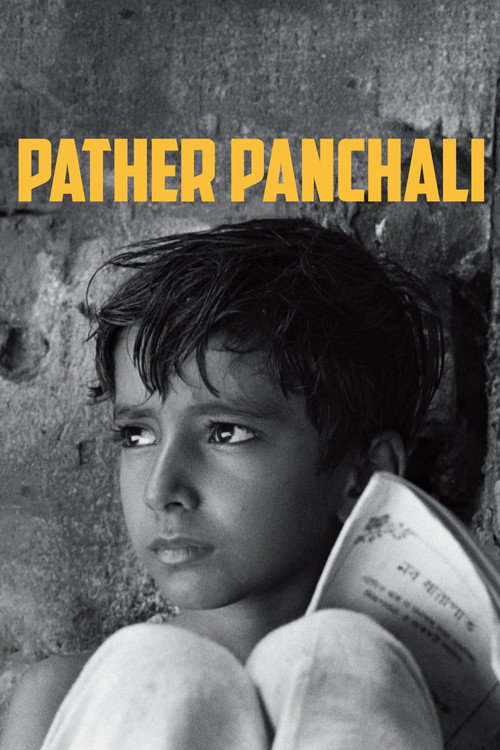
Pather Panchali1955
Satyajit Ray's debut shares Gatlif's belief that everyday life and landscape contain profound beauty. A film about observation and migration that respects silence and lets camera work do the storytelling.
But Shot in 1950s India on a tiny budget, the image quality varies considerably. Some find its deliberate pacing glacial rather than meditative.
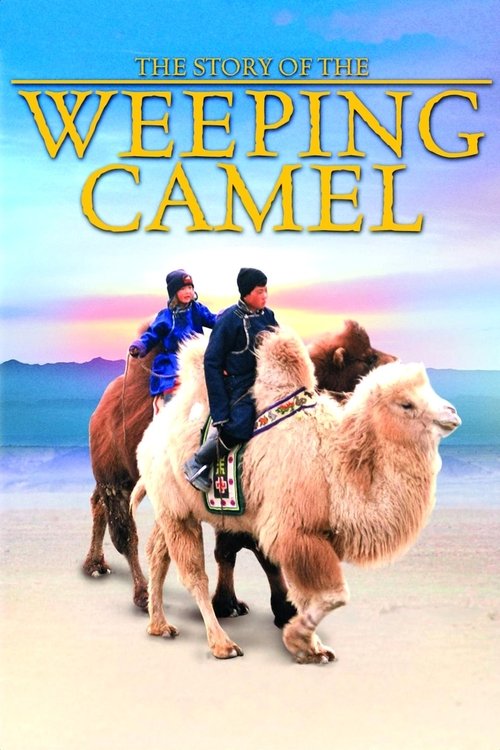
The Story of the Weeping Camel2004
A Mongolian film that uses music, landscape, and daily rituals to reveal culture from within rather than explaining it. Like Latcho Drom, it trusts the viewer to find meaning in what unfolds without interference.
But Almost no plot. The film is genuinely interested only in atmosphere and the textures of nomadic life. Most mainstream cinema this is not.
Not sure tonight? Get a pick in a minute, starting from Safe Journey
The wildcard
Something you would not have found on your own.
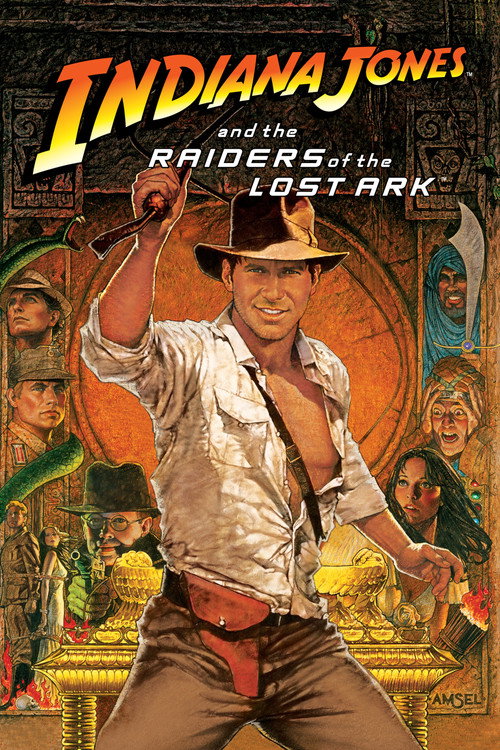
Raiders of the Lost Ark1981
Both are Gatlif films wrestling with how cinema captures lived culture; one through music and landscape, the other through street-level narrative and song.
A raw fiction film about Algerian street youth, shot with documentary urgency and built almost entirely around music. Gatlif directed this too—the companion piece that shows his narrative approach to similar themes of marginalized culture and sound.
But It's rougher and angrier than Latcho Drom, with a plot that some find derivative. The acting is intentionally non-professional, which registers as either authentic or amateurish depending on your tolerance.
More like this (6)
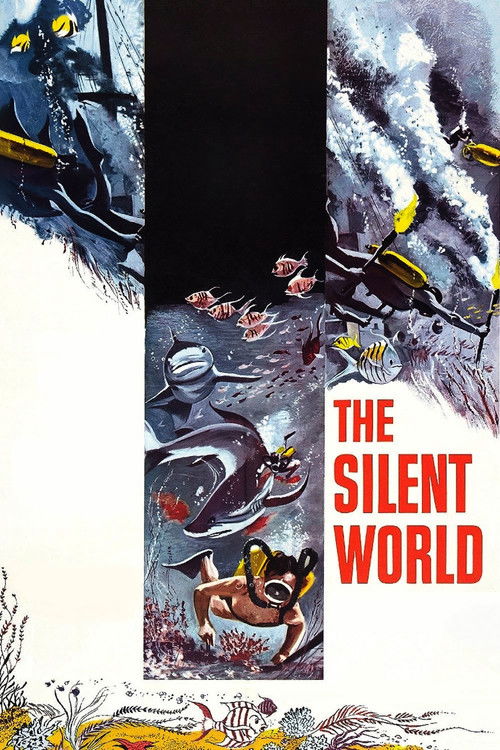
The Silent World1956
Cousteau's underwater documentary established that you could make profound visual cinema without narration. A template for letting sensory experience replace exposition—what Gatlif does with music and migration.
But The romance of early diving footage has faded. By modern standards, the pacing feels stagy, and the humanism can seem patronizing.
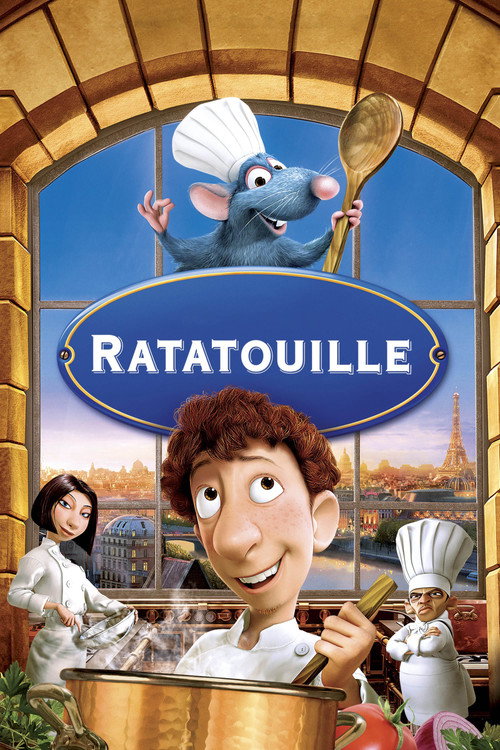
Ratatouille2007
A film that uses music and sensory experience—eating, tasting, the pleasure of craft—as its primary language. Pixar's commitment to showing rather than telling echoes Gatlif's visual poetry.
But It's a children's film dressed up as adult cinema. The emotional intelligence is real, but the subject matter may feel lightweight after Latcho Drom.
The Holy Mountain1973
Jodorowsky's surrealist odyssey shares the episodic, journey-based structure and refusal of conventional narrative. Both films use landscape, music, and ritual as their grammar.
But Deeply weird and sometimes pretentious. The connections aren't always clear, and some sequences feel deliberately obscure rather than meaningful.

Stalker1979
Tarkovsky's meditation on desire and journey uses landscape and silence as active storytelling. The film moves at its own rhythm, trusting viewers to find resonance in longing and landscape.
But Over three hours and almost entirely dialogue-free. The glacial pacing will bore anyone expecting traditional drama or momentum.

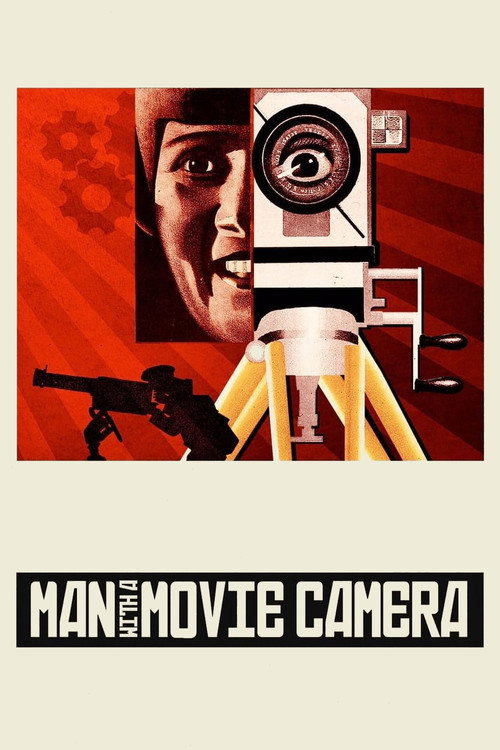
Man with a Movie Camera1929
Dziga Vertov's experimental documentary about Soviet urban life pioneered the use of editing and music to capture collective experience. A proto-musical documentary that influenced everyone who came after.
But Silent-era avant-garde. The form itself—rapid montage, no narrative—can feel exhaustingly modernist rather than poetic to contemporary viewers.
Amelia2009
Both mourn and celebrate the continuity of musical tradition across generations and geography—they're elegies dressed as travelogues.
A rare Portuguese documentary that follows aging folk musicians and traditional singers as their world vanishes. Shot with tenderness and technical sophistication unusual for 1960s nonfiction, it archives culture through music the way Latcho Drom does—as genealogy.
But Obscure even among festival programmers. Poor prints exist; the only surviving versions vary in quality and may include Portuguese text without subtitles.

People
Cast
- La CaitaLa Caita