
Film
Shadows and Fog
Woody Allen's love letter to German Expressionism and film noir, wrapped around a frantic bookkeeper stumbling through a fog-shrouded town of murder, philosophy, and vaudeville. It's deliberately theatrical, visually stunning, and concerned less with plot than mood—a fever dream made of shadows, jokes, and existential dread. For Allen devotees and anyone who loves cinema that prioritizes atmosphere over narrative sense.
If you liked this
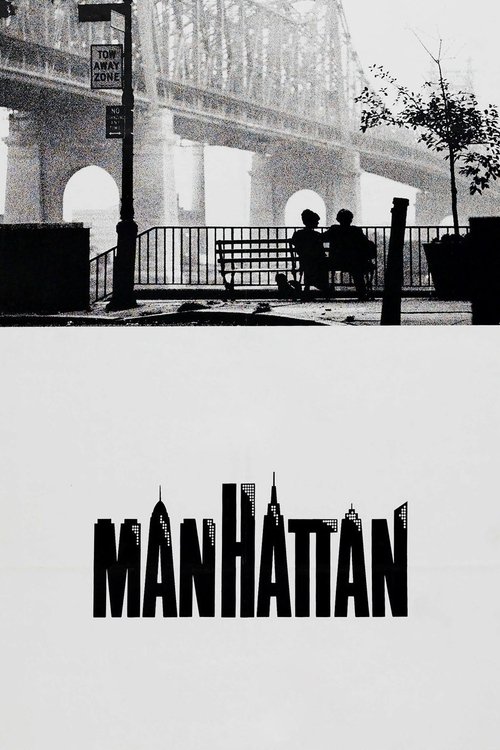
Manhattan1979
Allen at his most formally ambitious, using monochrome New York as both character and canvas. Romantic, funny, and shot like a love letter to the city itself. If you loved the visual obsessiveness of Shadows and Fog, this is essential.
But It's glacially paced in places, and the plot mechanics matter less than the mood. Also: the relationship dynamics haven't aged well and feel uncomfortable now.
The Seventh Seal1957
Bergman's masterpiece about mortality, meaning, and a knight playing chess with Death. The DNA of Shadows and Fog runs directly back to this—the fog, the carnival, the absurdist reckoning with the void. Genuinely haunting.
But It's slow, deliberately philosophical, and requires you to sit with dread. If you want plot momentum, you won't find it here.

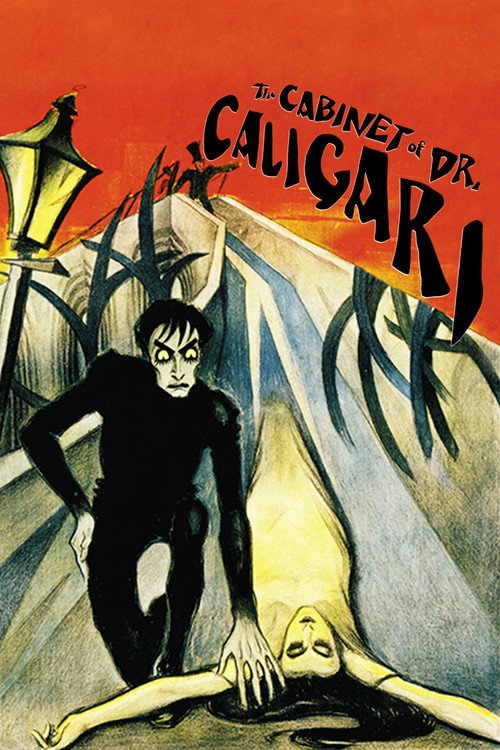
The Cabinet of Dr. Caligari1920
The original Expressionist nightmare—warped sets, shadows, a somnambulist, a killer on the loose. Allen is remixing this film directly. Seeing the source material explains why Shadows and Fog feels like a hallucination come alive.
But It's silent and from 1920. If you need naturalistic acting and legible storytelling, this will feel like watching a fever dream in a foreign language.
Not sure tonight? Get a pick in a minute, starting from Shadows and Fog
The wildcard
Something you would not have found on your own.
The Third Man1949
Both use a fog-bound European city as a character, both lean on German Expressionist visual language, both see the city itself as a maze of moral confusion. But The Third Man is the sleek version; Shadows and Fog is the jazz-hands version.
Carol Reed's Vienna-set noir is the shadow Shadows and Fog is reaching toward. A morally ambiguous city, fog-wreathed streets, a mystery that keeps unraveling wrong. But where Allen is theatrical and loose, this is architecturally perfect—every shot is composed like a master class.
But It's a conventional thriller underneath the visuals. If you want Allen's deliberate narrative messiness and philosophical wandering, this is too tightly wound.

More like this (8)
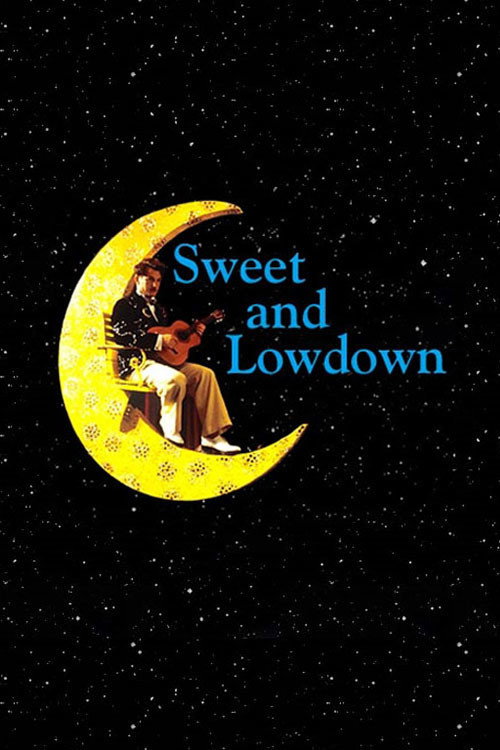
Sweet and Lowdown1999
Allen's jazz-age romance has similar atmospheric concerns—period detail, philosophical meanderings, the romance of artistic struggle. It's lighter than Shadows and Fog but shares that obsession with mood and milieu over tight plotting.
But It meanders. If you're looking for dramatic payoff or character arcs that resolve, you'll find neither.
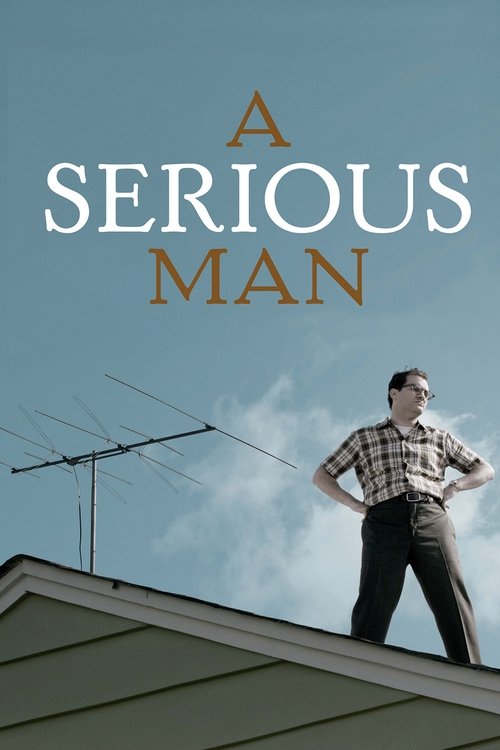
A Serious Man2009
The Coen Brothers doing their own Allen—a man spiraling through absurdity and dread in a heightened world where nothing quite makes sense. Jewish anxiety, philosophical despair, dark comedy, and visual precision. It's Shadows and Fog's closest American cousin.
But It's bleak and the ending offers no comfort. The tone can feel like cruelty if you're not in the right mood.
Stalker1979
Tarkovsky's long, meditative journey through a mysterious zone. Like Shadows and Fog, it's more interested in what it *feels* like to move through an unknowable space than in explaining the mystery. Hypnotic and strange.
But 163 minutes of very slow cinema. It demands patience and rewards it only if you're already inclined toward philosophical science fiction.

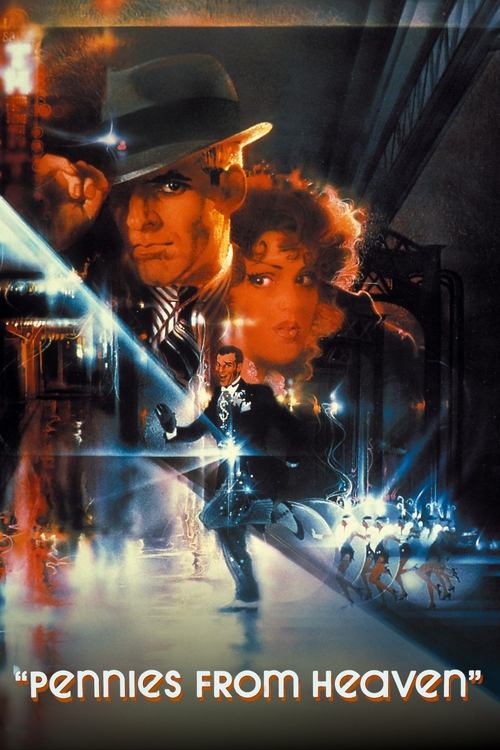
Pennies from Heaven1981
Herbert Ross's Depression-era musical-drama hybrid, mixing the theatrical with the brutally real. It has Shadows and Fog's tonal ambition—shifting between song, farce, and genuine sadness—but grounded in actual human stakes.
But The tone whiplash is genuinely destabilizing, and not everyone finds it moving rather than alienating.
The Killers1946
A noir about a boxer, a contract killing, and the unraveling of a life. It's where Allen gets his visual playbook—shadows, rain-slicked streets, the fatalism of being caught in forces bigger than you.
But It's a conventional noir underneath the style. If Shadows and Fog felt too mannered, this won't change your mind.

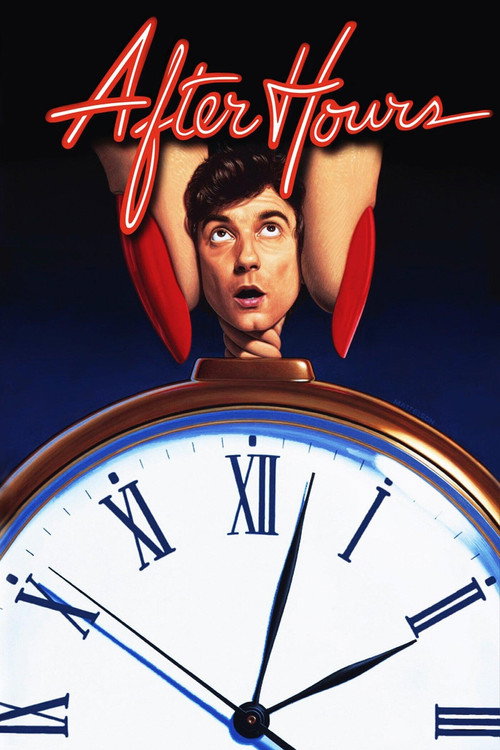
After Hours1985
Scorsese's only comedy: a man trapped in a nightmarish SoHo after dark, spiraling through absurd encounters. Like Shadows and Fog, it treats the mundane world as expressionist fever dream, where nothing is quite real.
But The relentless misanthropy can feel exhausting. There's no warmth here, just cringe and dread.
A Ghost Story2017
Both films use genre trappings (murder mystery, ghost story) to explore existential terror. Both prioritize mood over plot. But where Allen is antic and verbal, Lowery is silent and meditative—the inverse emotional register.
David Lowery's meditation on time, loss, and a man (under a sheet) watching the world move on. It's formally strange, uses repetition and silence instead of jokes, and builds dread from philosophical horror rather than plot. Genuinely transcendent.
But It's spare and slow and often boring in a deliberate way. If you want narrative propulsion, this will feel like punishment.

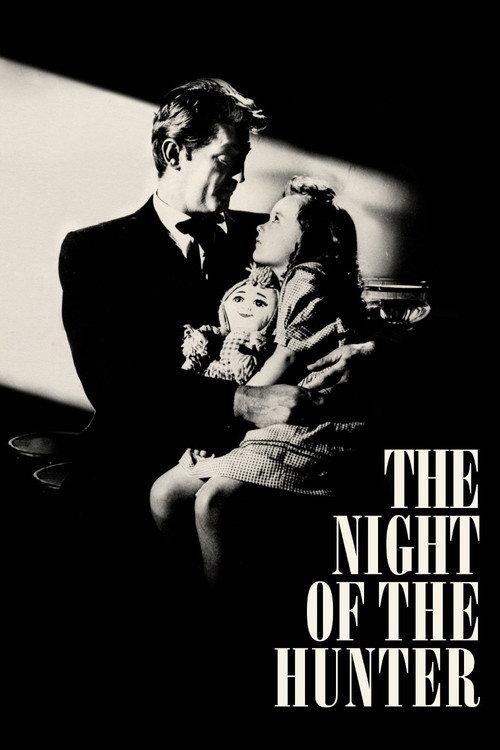
The Night of the Hunter1955
Both films use Expressionist visual language to turn a genre story into something dreamlike and philosophical. Both feel like fever dreams rather than conventional narratives. But Hunter is pulp rendered transcendent; Shadows and Fog is intellectual comedy rendered visual.
Charles Laughton's only film is a nightmare in Southern Gothic drag—a preacher-killer, children on the run, visuals that owe everything to German Expressionism. It's theatrical and arch and genuinely terrifying, mixing fairy tale with dread.
But The gender politics are retrograde and uncomfortable. Also: it's genuinely unsettling in ways that feel nastier than Shadows and Fog's lighter darkness.
People
Cast
 Woody AllenKleinman
 Mia FarrowIrmy
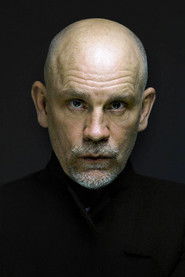 John MalkovichClown
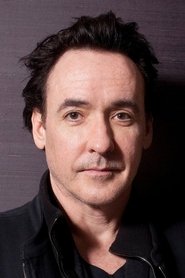 John CusackStudent Jack
 MadonnaMarie
 Kathy BatesProstitute
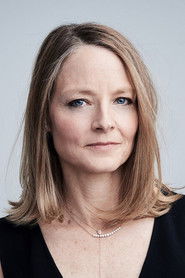 Jodie FosterProstitute
 Lily TomlinProstitute
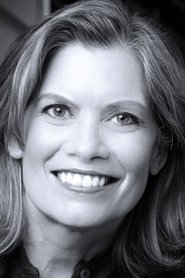 Anne LangeProstitute
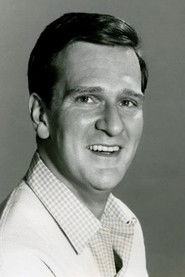 Kenneth MarsMagician
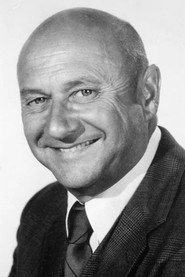 Donald PleasenceDoctor
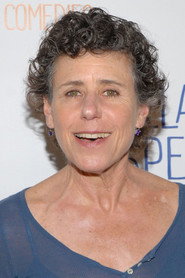 Julie KavnerAlma
Directing
- Woody AllenDirector
- Thomas A. ReillyFirst Assistant Director
- Kay ChapinScript Supervisor
- Richard PatrickSecond Assistant Director
Writing
- Woody AllenTheatre Play
- Woody AllenWriter
Production
- Judie FixlerAdditional Casting
- Todd M. ThalerAdditional Casting
- Ilyse A. ReutlingerAssistant Production Coordinator
- Thomas A. ReillyAssociate Producer
- Juliet TaylorCasting
- Laura RosenthalCasting Associate
- Helen RobinCo-Producer
- Joseph HartwickCo-Producer
- Charles H. JoffeExecutive Producer
- Jack RollinsExecutive Producer
- James A. DavisLocation Manager
- Robert GreenhutProducer
- Danielle RigbyProduction Assistant
- Justin MorittProduction Assistant
- Robert C. AlbertellProduction Assistant
- Helen RobinProduction Coordinator
- Joseph HartwickProduction Manager