
Film
A Great Day in Harlem
- Musical
- Light-hearted
In 1958, photographer Art Kane assembled fifty-seven jazz legends on a Harlem stoop for a single photograph. This 1994 documentary reunites surviving musicians to recall that electric day, weaving their memories with original footage into an intimate portrait of jazz's golden age and a community at its peak.
Should you watch it?
Watch it if you love jazz as a living community of rivals, friends and eccentrics, and enjoy hearing players tell their own stories about who was in the room and what it felt like.
Skip it if you want a tightly plotted film with a hard narrative drive; this is an hour of reminiscence stitched around one morning, with the rhythm of recollection rather than of argument.
What it asks of you: Sixty minutes of unhurried talk, with old photographs and grainy footage carrying much of the weight, so settle in and let the anecdotes arrive at their own pace.
Not sure? Find tonight's pick in a minute.
If you liked this
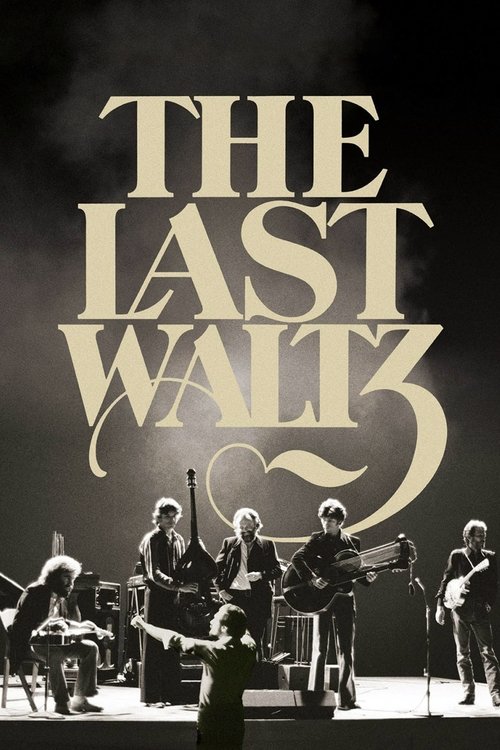
The Last Waltz1978
Scorsese films The Band's farewell concert with the same sense of occasion and ritual that Kane brought to his photograph. It's about legacy, community, and artists acknowledging their own moment passing.
But It's a rock documentary, not jazz, so the music won't scratch the same itch. Some find it self-indulgent.
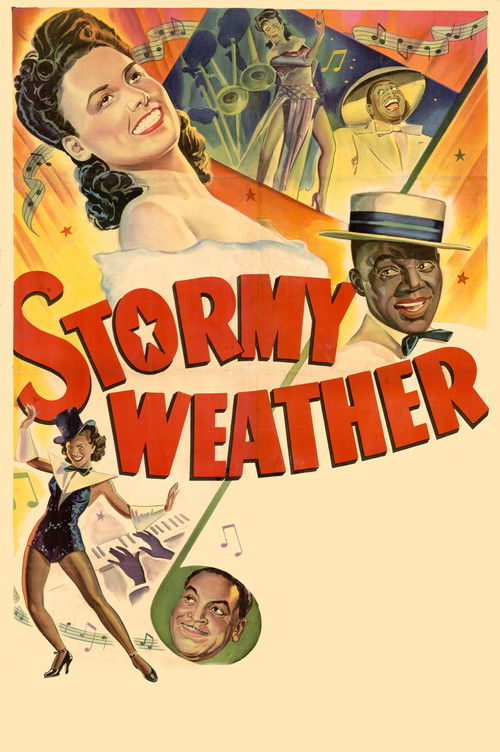
Stormy Weather1943
A glittering Hollywood musical built around Black jazz and blues artists, featuring many performers Kane would later photograph. It's gorgeous, energetic, and a direct window into that era's entertainment landscape.
But It's deeply a product of its time—the narrative is thin and some racial politics feel dated. The glamour can overshadow the music.
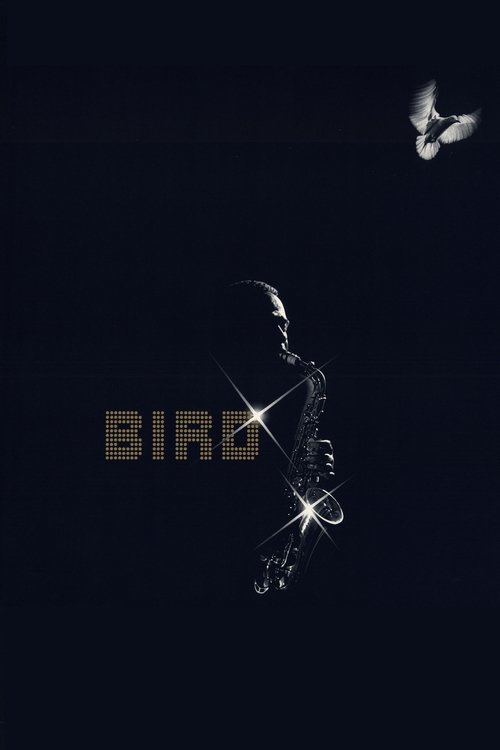
Bird1988
Eastwood's Charlie Parker biography captures the chaotic brilliance of bebop's greatest innovator. It has the darkness and self-destruction that Kane's sunlit photograph couldn't show.
But It's relentlessly bleak and Parker is unsympathetic for much of it. The film sacrifices nuance for dramatic intensity.
Not sure tonight? Get a pick in a minute, starting from A Great Day in Harlem
The wildcard
Something you would not have found on your own.
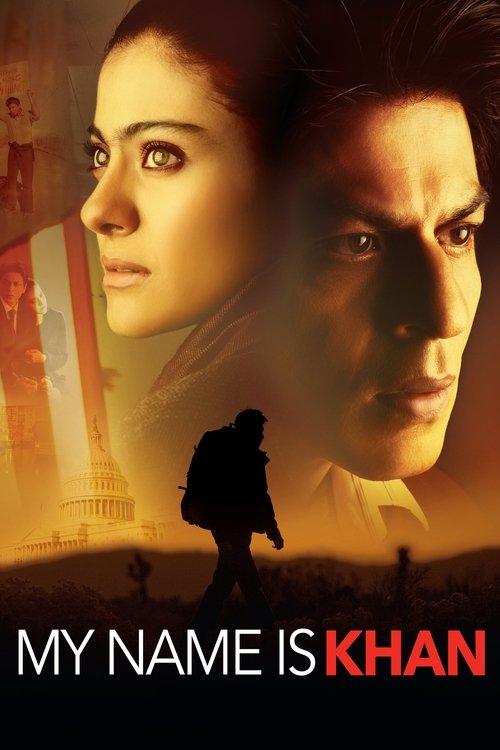
My Name Is Khan2010
Both are about a moment designed to prove something—that a community exists, that it matters, that it's worth documenting. Kane said the photo was meant to show that jazz had become big enough for all these ego-driven artists to sit still together.
A Hindi-language drama about an Indian Muslim man in post-9/11 America, structured as a road movie toward a moment of witness and community. Like Kane's photograph, it's about showing up, being seen, and the power of a gathering.
But It's a mainstream Bollywood film, emotional and melodramatic. The connection to jazz history is thematic, not obvious, and that might feel like a stretch.
More like this (6)
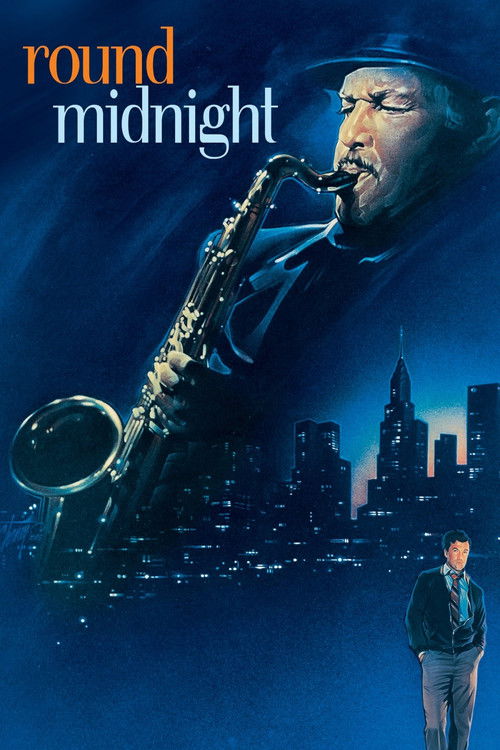
'Round Midnight1986
Dexter Gordon's only starring role, playing a saxophonist in decline in Paris. It's tender and elegiac, exploring what happens to jazz musicians as they age—the flip side of Kane's vital snapshot.
But The plot is slim and the mood is melancholic throughout. It moves slowly and asks patience.
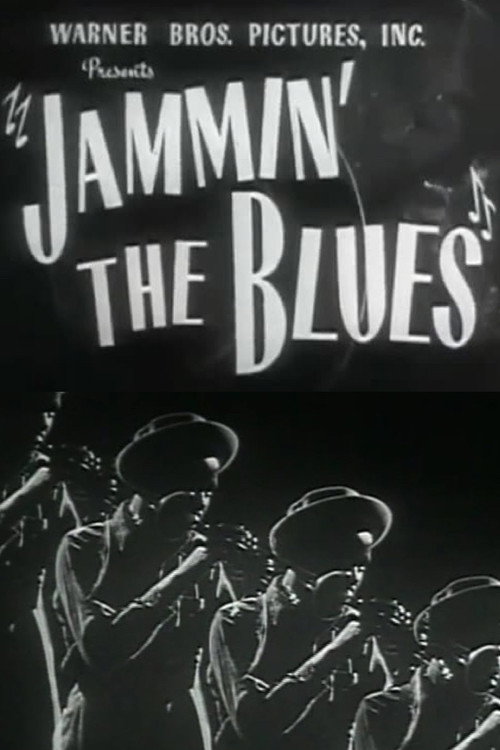
Jammin' the Blues1944
A short film of Lester Young, Teddy Wilson, and others in a jam session, shot in luminous black-and-white. It captures the spontaneous joy of musicians playing together with no agenda but the music.
But At fifteen minutes it's barely a feature. The sound recording is period-authentic but muddy by modern standards.
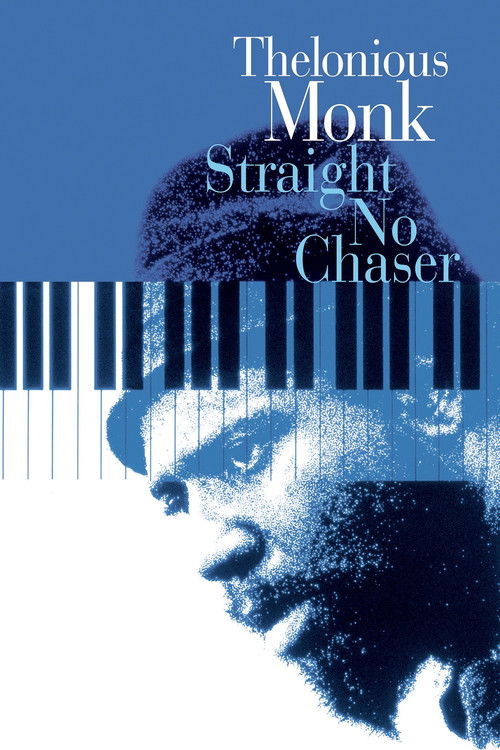
Thelonious Monk: Straight, No Chaser1988
Clint Eastwood documents Thelonious Monk through archival footage and interviews, building a portrait of a genius outside the mainstream. It's about artistic integrity and the cost of being irreplaceable.
But Monk's music is challenging and the film doesn't simplify it. Some find it frustratingly fragmented.
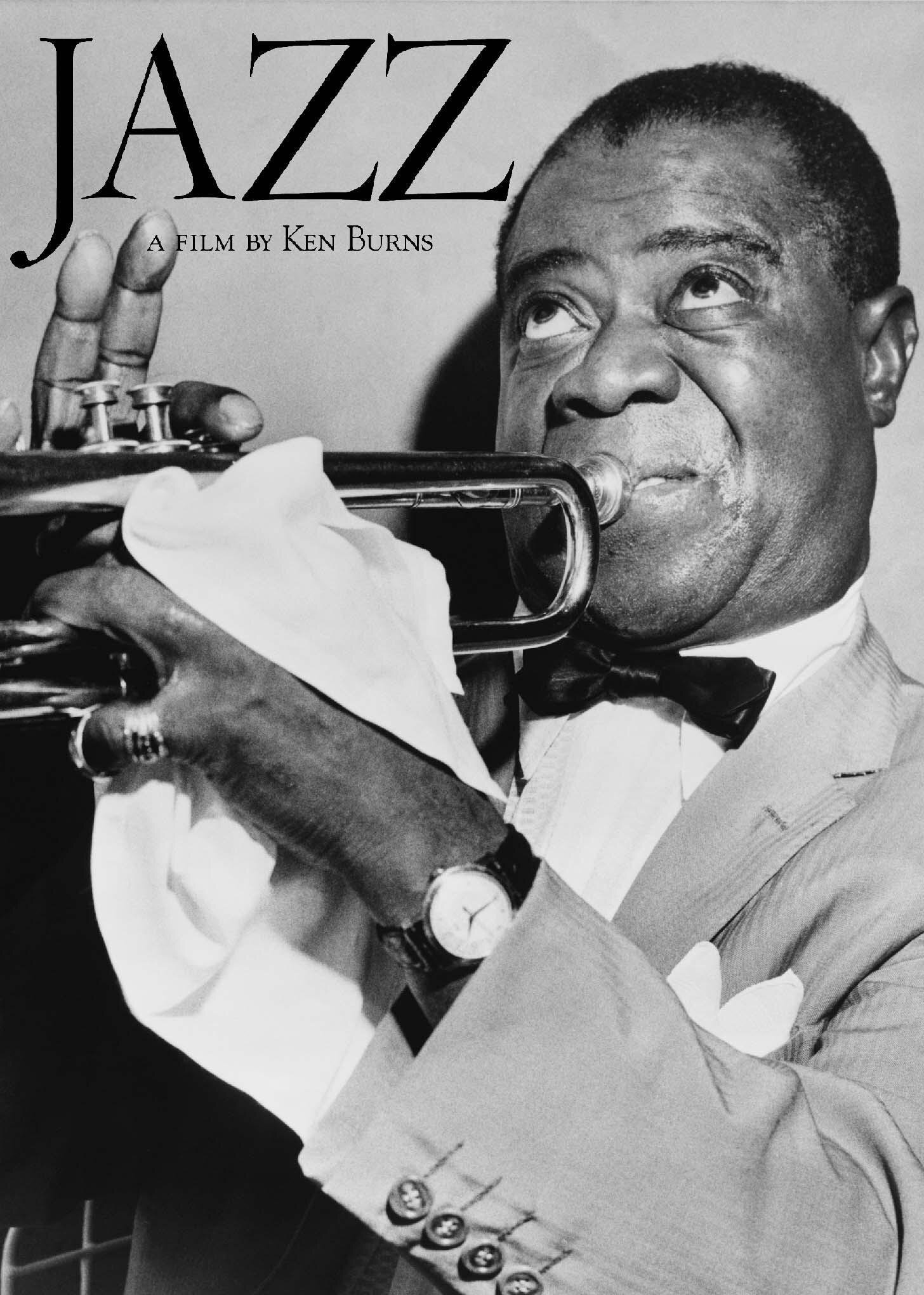
Jazz2001
A more focused documentary series than Burns' longer work, exploring specific jazz eras and figures. Nimble where Burns is comprehensive, it captures particular moments with fresh energy.
But Being a distillation means something is always left out. Jazz devotees may find it too streamlined.
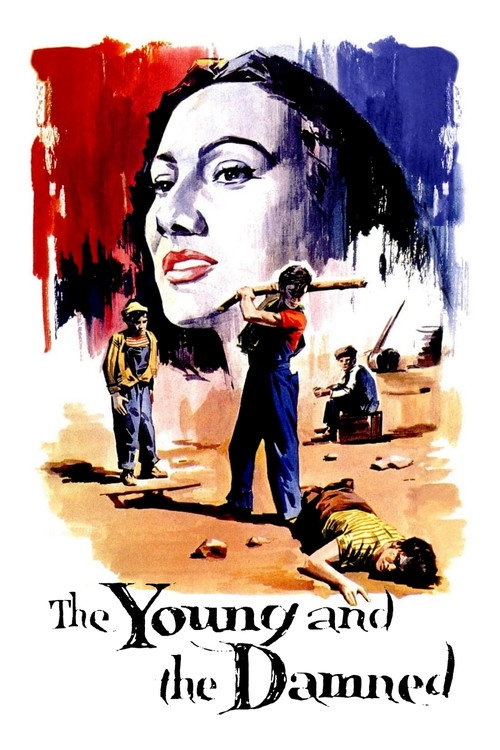
The Young and the Damned1950
Both directors point a camera at a real place and real people and say: *this* is worth seeing. Both refuse to sentimentalize. Kane found glory in his moment; Buñuel found pain in his. They're opposite expressions of the same documentary faith.
Buñuel's unflinching portrait of poor children in Mexico City. It has the documentary eye Kane brought to his photograph—observing a community and a moment with absolute clarity, but far darker and more complicated than celebration allows.
But It's bleak and sometimes brutal. There's no warmth in it. Some sequences are graphically difficult to watch, and the film offers no comfort.
Synecdoche, New York2008
Kane froze a moment that could never happen again. Kaufman obsesses over the impossibility of doing that. One celebrates the miracle of capturing it; the other mourns that the moment is always already gone. Together they ask: what does it mean to document? What survives?
Kaufman's baroque masterpiece about a theatre director building an impossible art project that becomes a metaphor for life, memory, and the futility of trying to capture anything true. It's about the gap between the photograph and the moment, between what you want to document and what actually remains.
But It's deliberately confusing, deliberately exhausting. The tonal shifts are vertiginous. Many find it self-pitying and inaccessible, and it asks for multiple viewings to parse.

People
Cast
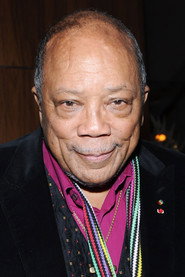 Quincy JonesSelf - Narrator
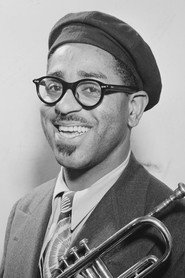 Dizzy GillespieSelf
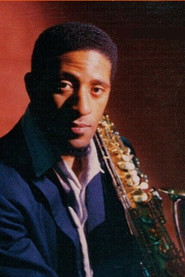 Sonny RollinsSelf
- Buck ClaytonSelf
Directing
- Jean BachDirector
Production
- Matthew SeigProducer
- Stuart SamuelsProducer
- Terrell BralyProducer