
Film
The History of Mr. Polly
A 1949 British comedy-drama about a man stumbling through inheritance, marriage and shopkeeping until he burns it all down—literally—to start over. John Mills is wonderful as someone too decent to be truly reckless but too restless to stay put. Gentle, funny, and unexpectedly moving about second chances and the courage to choose a different life.
Should you watch it?
Watch it if you enjoy a gentle, sidelong portrait of an ordinary man who never quite fits his life, with a wry eye for small-town fuss and the comedy of getting things wrong.
Skip it if the pace is unhurried and the mood often wistful, so if you need momentum or a clear destination from the first reel, this will test your patience.
What it asks of you: Settle in for ninety-five minutes of episodic drifting, where the story follows its hero's restlessness rather than a tight plot, and let the quieter scenes do their slow work.
Not sure? Find tonight's pick in a minute.
If you liked this
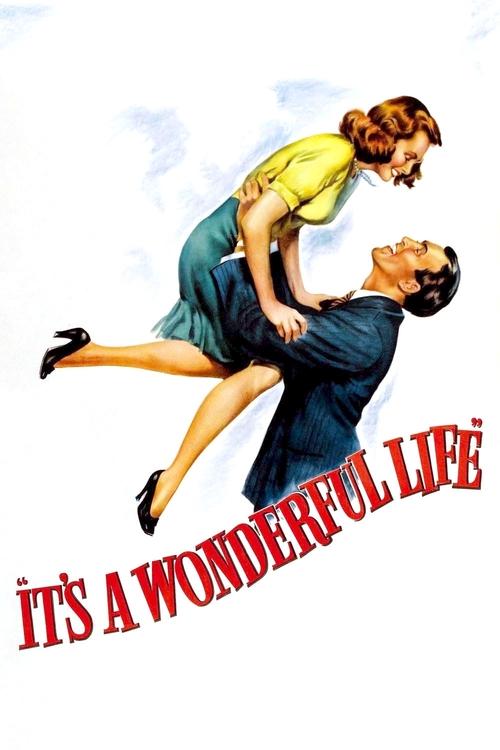
It's a Wonderful Life1946
A man overwhelmed by small-town life and limited prospects gets shown what his world would be without him. Both films find profound humanity in quiet desperation and celebrate the value of ordinary lives, but this one does it with Capra's warmth.
But The sentimentality is layered thick, and the framing device can feel heavy-handed if you're not in the mood for a lesson about your own existence.
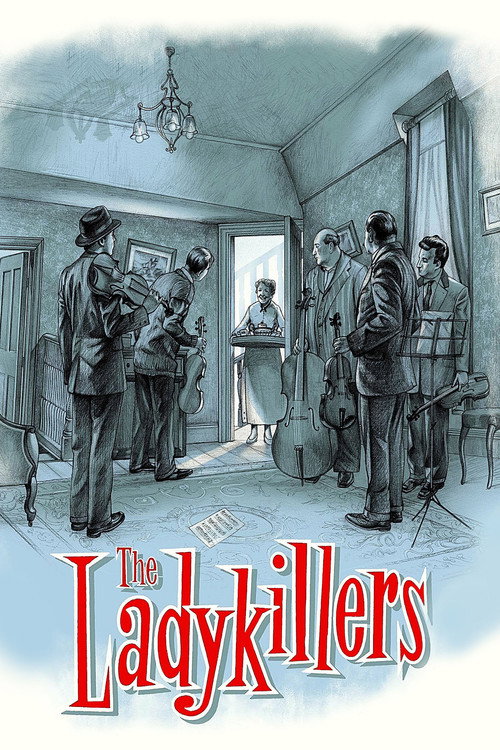
The Ladykillers1955
Ealing Studios at its peak: criminals pretending to be musicians while renting from an old landlady who slowly dismantles their plans. The same dry British humour and affection for eccentric characters, but sharper and funnier about the gap between intention and reality.
But The pacing is theatrical rather than cinematic, and the gender politics haven't aged as gracefully as the jokes.
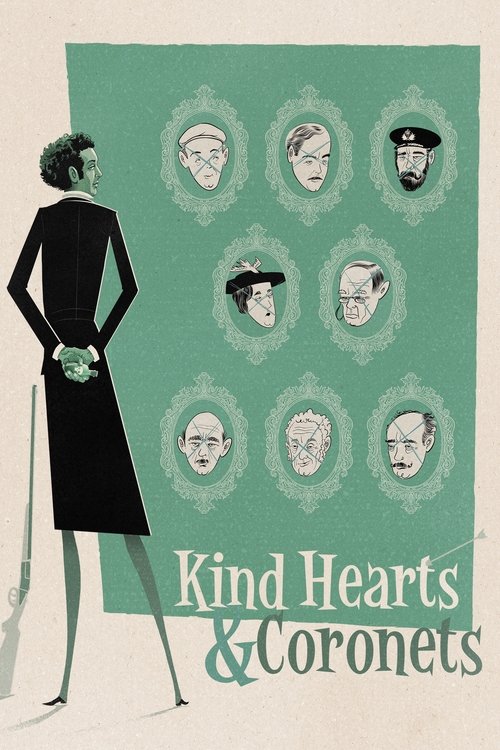
Kind Hearts and Coronets1949
Released the same year, another Ealing masterpiece about a man using wit and deception to escape his circumstances. Black comedy about ambition, inheritance, and morality with Alec Guinness playing eight roles. Darker than Polly but cut from the same cloth.
But The tone shifts between tragedy and farce can feel uneven; some will find that unsettling rather than clever.
Not sure tonight? Get a pick in a minute, starting from The History of Mr. Polly
The wildcard
Something you would not have found on your own.
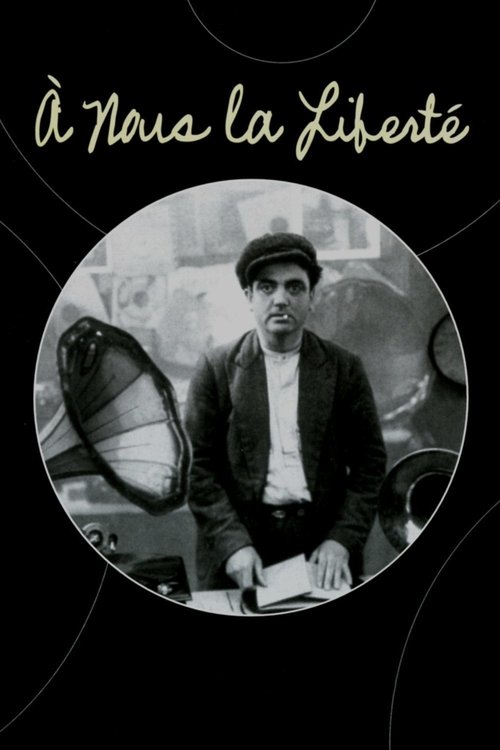
À Nous la Liberté1931
Both are about men trapped by respectability who burn down their old lives in hopes of becoming someone else—but where Polly finds peace in acceptance, this film suggests all escape is temporary and the system always wins.
A French silent film about a man escaping a factory prison and a friend who takes his place—then they trade lives in an ironic twist. The same engine of liberation through deception and reinvention, but made twenty years earlier and in a completely different tradition. Stunning photography, Chaplin's influence, and a philosophy that work is a kind of death.
But Silent film requires patience and a different kind of attention; the pacing is deliberate, and there's no comfort in the ending, only a shrug at the absurdity of it all.
More like this (8)
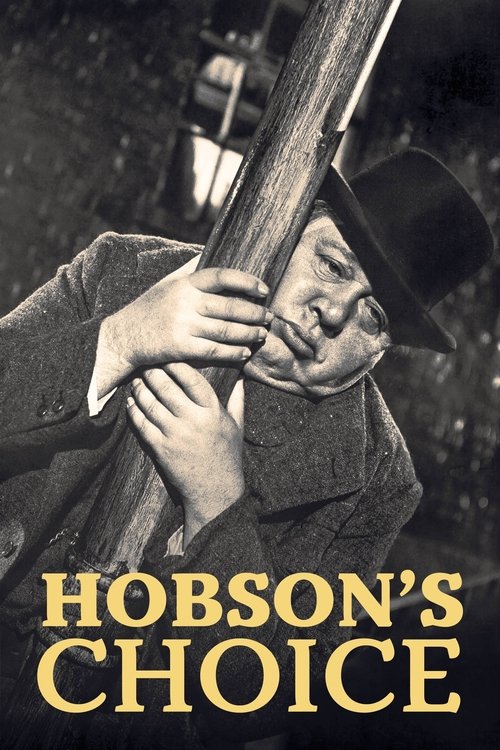
Hobson's Choice1954
Charles Laughton dominates as a boot-maker whose daughter decides to run his life and her own future. Same era, same gentle social observation, same belief that ordinary people are remarkable if they claim their own agency.
But The courtship subplot is schmaltzy, and Laughton's performance occasionally bullies the other actors off screen.
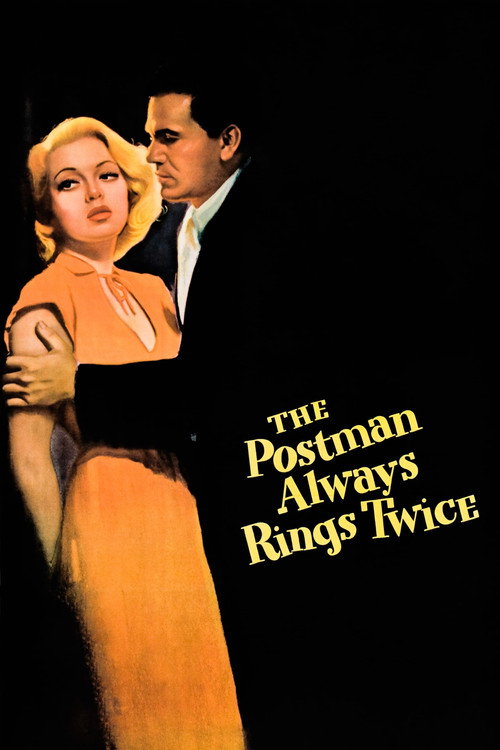
The Postman Always Rings Twice1946
A drifter trapped by circumstance in a small-town job until temptation and passion offer a way out—or ruin. The dark underside of what Polly contemplates. Same restlessness, same moment of decision, opposite genre and outcome.
But It's a noir thriller, so violence and betrayal are the language; if you're expecting warmth, you'll be shocked and possibly alienated.
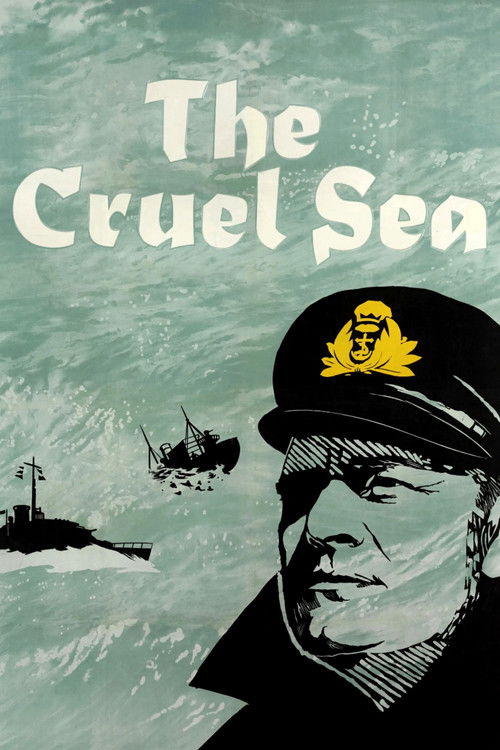
The Cruel Sea1953
Jack Hawkins in a disciplined, unsentimental British war film. Like Polly, it finds heroism in ordinary men pushed into extraordinary situations, but trades whimsy for docudrama realism and the weight of actual consequence.
But It's methodical and grey, with real deaths treated as tragedy rather than plot points. Not escapist, and not interested in making you comfortable.
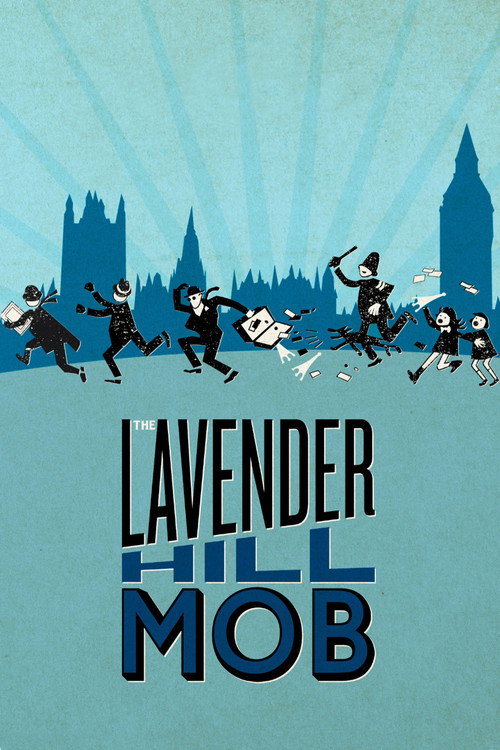
The Lavender Hill Mob1951
Alec Guinness again, this time as a bank clerk who orchestrates a heist. The same Ealing sensibility: little men achieving something they never thought possible, with charm and ingenuity and just enough roguish humour.
But The theft plot is the whole film; there's no depth beyond the mechanics of how they pull it off, which some will find thin.
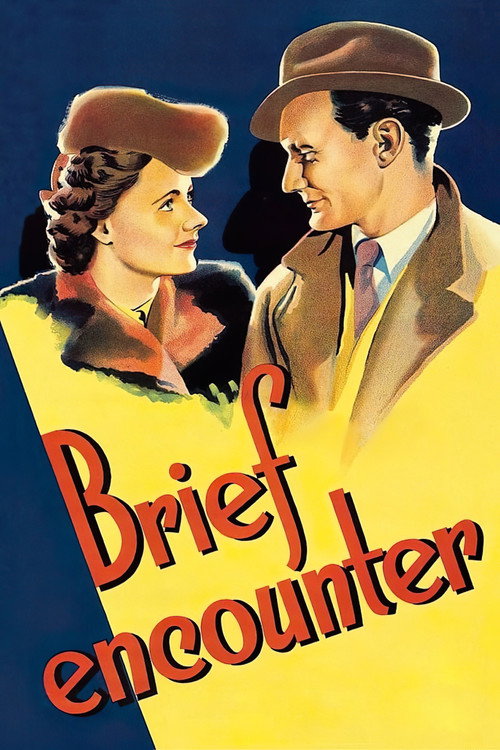
Brief Encounter1945
Two ordinary people in a small English town recognise something in each other they can't have, and must choose between duty and desire. Noël Coward on passion and restraint. Quieter than Polly but wrestling with the same impossible choices.
But The emotional restraint is the point, but if you need more plot momentum or external drama, it will feel static and mournful.
The Third Man1949
Released the same year, set in the same post-war Britain. A man adrift in Vienna searching for truth among old friends and lies. Carol Reed's direction and the zither score are brilliant, and the moral ambiguity is sharper than anything Polly attempts.
But It's a thriller first, and the ending requires accepting that goodness and happiness are not the same thing. That's a tougher pill than Polly offers.

The Remains of the Day1993
Both explore the cost of living within imposed structures—marriage, social class, respectability—but while Polly finds courage to break free and start over, this film asks what happens if you don't, and contemplates that reckoning with unbearable clarity.
Anthony Hopkins as an aging butler realising that a lifetime of duty and repression has cost him everything that mattered. Beautifully made, emotionally devastating. The inverse of Polly: a man who never took the chance, who kept choosing the safe path, now confronting what that choice meant.
But It's a slow meditation on regret and shame. There's no redemption, no second act, no cosy resolution—just the weight of a life lived in service to the wrong things.

Stalker1979
Both ask the same question: if you could remake your life, would you? And both find the answer more complicated than a simple yes or no.
Andrei Tarkovsky's science-fiction meditation on desire and meaning: a guide leads two men through a mysterious zone to a room that allegedly grants wishes. Slow, hypnotic, visually ravishing, and absolutely about what happens when you finally have the chance to change your life—and what you discover about yourself in that moment.
But At 163 minutes, it moves at a pace closer to painting than cinema. Long takes, minimal plot, Russian philosophical density. If you want narrative momentum or explanation, you'll be frustrated.

People
Cast
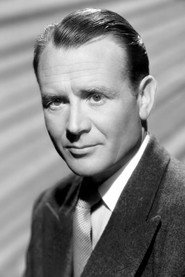 John MillsAlfred Polly
 Betty Ann DaviesMiriam Larkins Polly
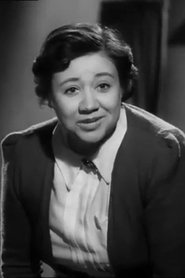 Megs JenkinsThe Innkeeper
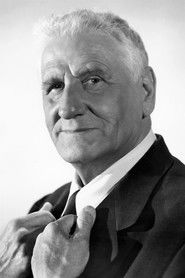 Finlay CurrieUncle Jim
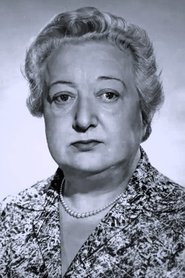 Gladys HensonAunt Larkins
 Diana ChurchillAnnie Larkins
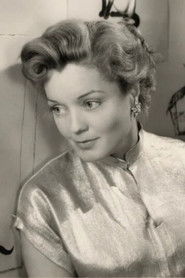 Shelagh FraserMinnie Larkins
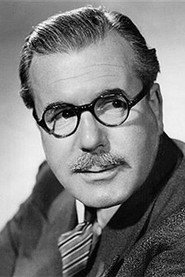 Edward ChapmanMr. Johnson
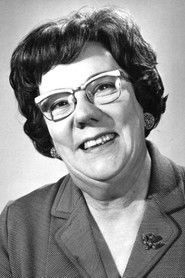 Dandy NicholsMrs. Johnson
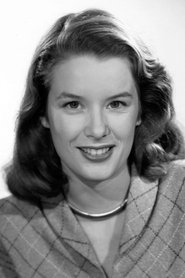 Sally Ann HowesChristabel
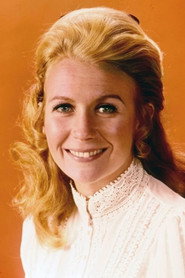 Juliet MillsLittle Polly
- Laurence BaskcombMr. Rumbold
Directing
- Anthony PelissierDirector
Writing
- Anthony PelissierAdaptation
- H. G. WellsWriter
Production
- Herbert SmithProduction Manager