
Film
Seven Keys to Baldpate
A writer seeking solitude to finish his novel checks into the isolated Baldpate Inn, only to find himself caught in an escalating mystery as strange visitors arrive, secrets multiply, and nothing—including his fellow guests—is quite what it seems. It's a brisk, clever stage-adaptation romp, all plot and wisecracks, built on the locked-room principle.
Should you watch it?
Watch it if you enjoy old-fashioned whodunit comedy where a stubborn hero keeps getting tangled in a locked-room puzzle and wisecracks his way through it, in the spirit of classic screwball mysteries.
Skip it if you want a tight, modern thriller; this one is brisk but creaky in places, with stagey staging and a plot that leans on coincidence and cheerful implausibility more than suspense.
What it asks of you: It runs a compact eighty minutes and wants you to keep up with a crowded, twisty plot, so expect quick dialogue and a steady stream of comic bluster rather than slow atmosphere.
Not sure? Find tonight's pick in a minute.
If you liked this
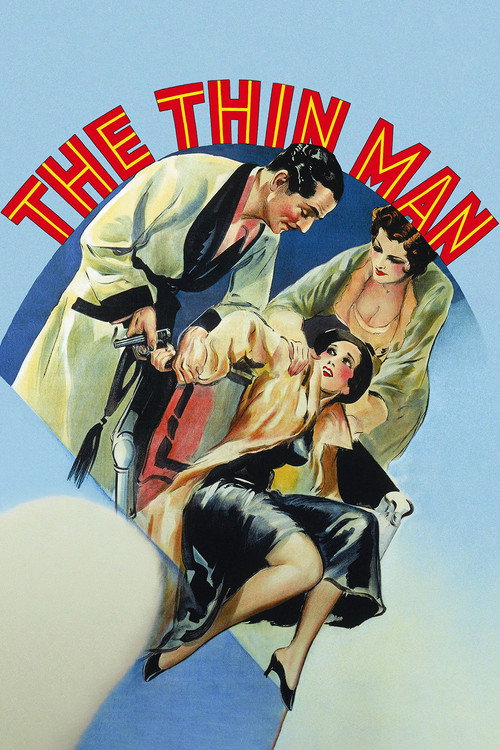
The Thin Man1934
The perfect comparison: urbane, funny mystery with a married couple navigating danger together. Same era, same lightness of touch, same sense that a good quip matters as much as a good clue.
But The sophisticated-drunk routine that's charming in small doses runs long, and the mystery itself is almost beside the point—if plot matters to you, this will frustrate.
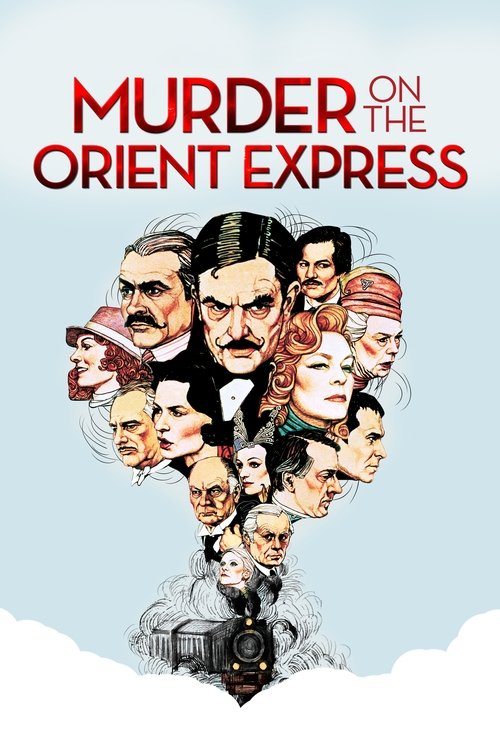
Murder on the Orient Express1974
A locked-room mystery where everyone's a suspect and the fun comes from watching an expert detective untangle competing lies. Agatha Christie's puzzle-box plotting has the same DNA as Baldpate's chaos.
But It's a more serious exercise in deduction. If you want screwball speed and comedy over meticulous whodunit logic, this will feel stately and slow.
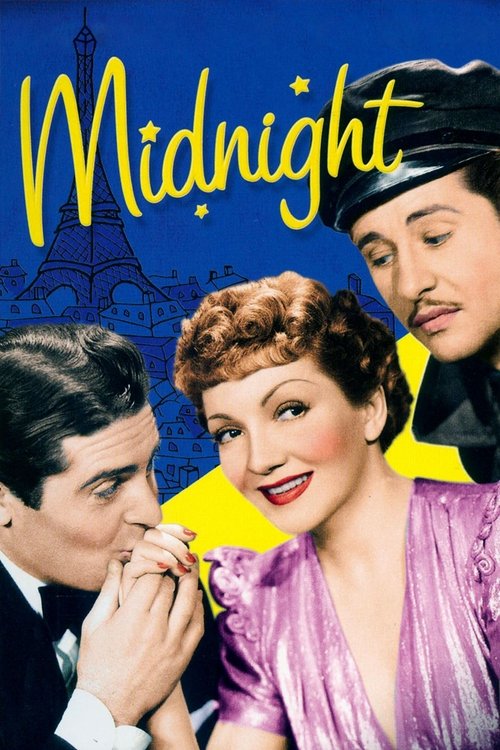
Midnight1939
Billy Wilder's masterpiece of mistaken identity and escalating absurdity. Same era, same mad-dash pacing, same sense that the plot is partly an excuse for the characters to say funny things to each other.
But It's more polished and romantic than Baldpate, which has a slightly rougher, vaudeville energy. If you want that specific 1935 scrappiness, this is too refined.
Not sure tonight? Get a pick in a minute, starting from Seven Keys to Baldpate
The wildcard
Something you would not have found on your own.
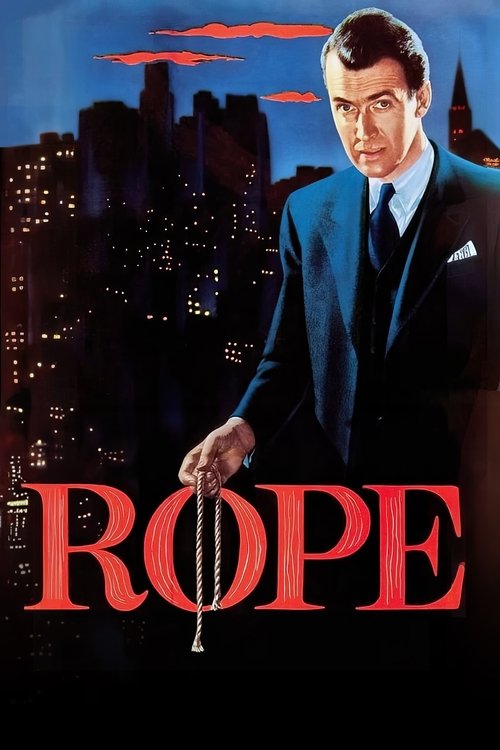
Rope1948
Both trap their characters in a single location where layers of deception must be maintained, but Hitchcock uses that to create horror where Baldpate uses it to create farce—the architecture is the same, the emotional temperature is opposite.
Hitchcock's real-time locked-room thriller where two men commit murder and must keep up appearances. Like Baldpate, it's confined to one space, has a ticking-clock urgency, and builds on secrets and lies—but it's remorseless about darkness and consequence.
But It's genuinely unsettling. The comedy is gallows-dark, the atmosphere is suffocating, and there's no winking at the audience. If you loved Baldpate for its lightness, this will feel punishing.
More like this (8)
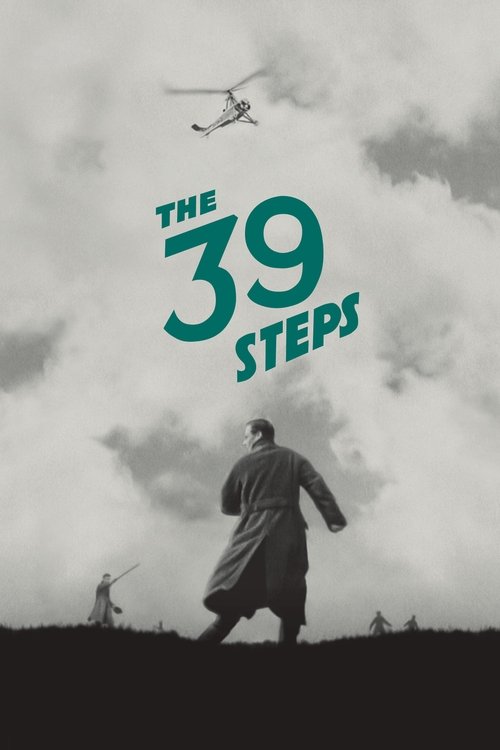
The 39 Steps1935
Hitchcock's chase film where an ordinary man is swept into a mystery that escalates beyond his control. Same year as Baldpate, same momentum, same blend of danger and absurdity.
But It's genuinely suspenseful—more interested in danger than jokes. Baldpate is a comedy first, which this isn't.
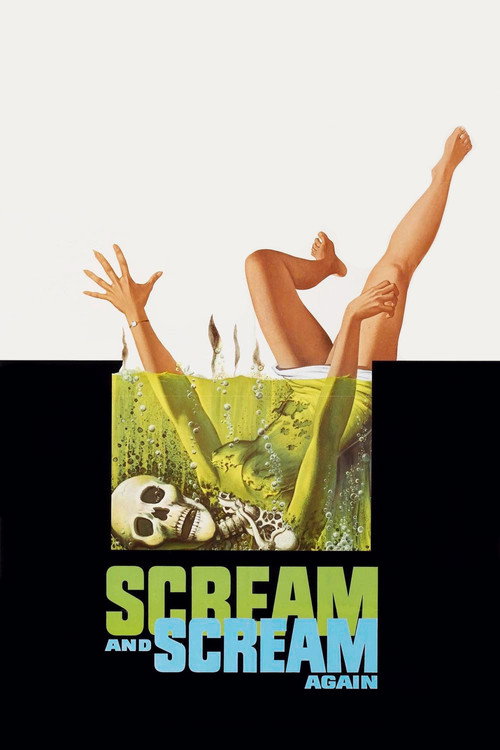
Scream and Scream Again1970
A mystery thriller with competing plot threads, surreal atmosphere, and the sense that the mystery itself is more fun than the solution. Odd and wayward in a way that rewards a second viewing.
But It's much darker and weirder, even campy. The tone is Gothic sci-fi pastiche, not cozy 1930s scramble. Hard to follow, and deliberately so.
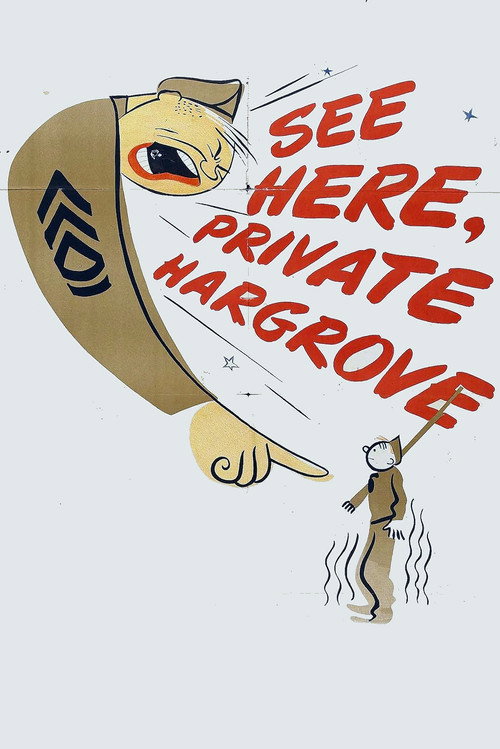
See Here, Private Hargrove1944
A comedy about an ordinary guy thrust into absurd circumstances, escalating chaos, and the film trusting you to enjoy the momentum without worrying too much about logic. Pure entertainment in Baldpate's spirit.
But It's broader and less clever. Baldpate has more wit in its dialogue; this one leans harder on physical comedy and good humor than intelligence.
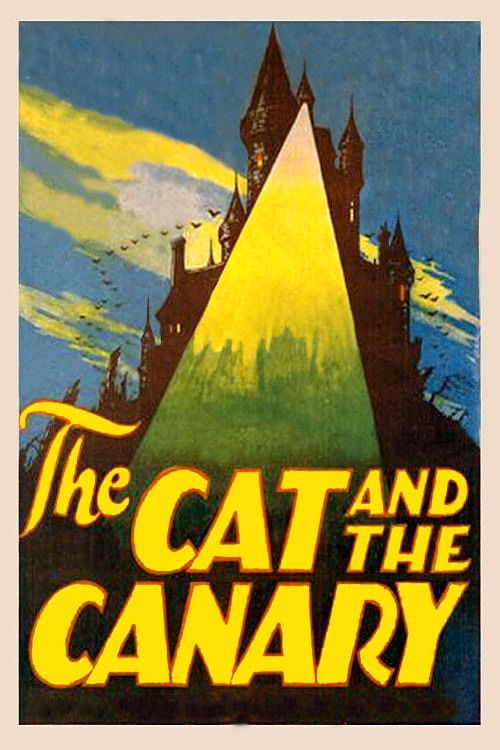
The Cat and the Canary1927
Silent-era locked-room mystery-comedy with the same premise (strangers trapped, secrets everywhere, the comedy comes from watching it all unravel). Bob Hope later did a talkie remake, but this 1927 original is snappier.
But It's silent, which means you're reading titles and watching pantomime. If you want the pleasure of good dialogue delivery, you won't get it here.
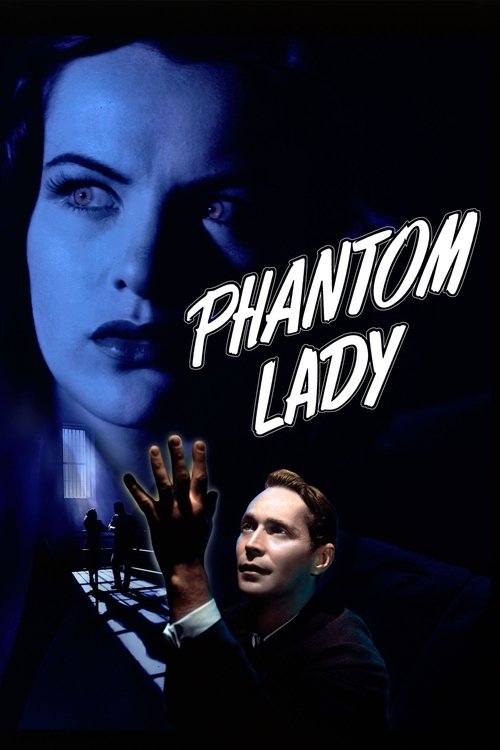
Phantom Lady1944
A mystery where nothing is quite as it seems, the camera loves playing tricks, and the plot keeps finding new ways to complicate itself. Same puzzle-box structure, much darker execution.
But It's film noir, moody and sometimes grim. Baldpate is a light scramble; this one takes its danger seriously, which changes the whole flavor.
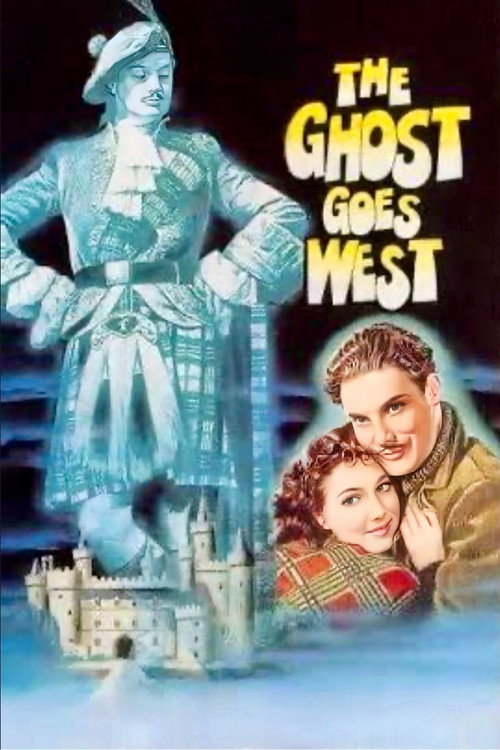
The Ghost Goes West1935
Released the same year, another comedy about a man in an impossible situation spiraling into chaos. The setup is different—a ghost, not a mystery—but the DNA is identical: brisk, fun, utterly unconcerned with plausibility.
But It's a bit creaky, and the special effects are 1935-primitive. If you want sophistication or modern pacing, it feels quaint almost immediately.
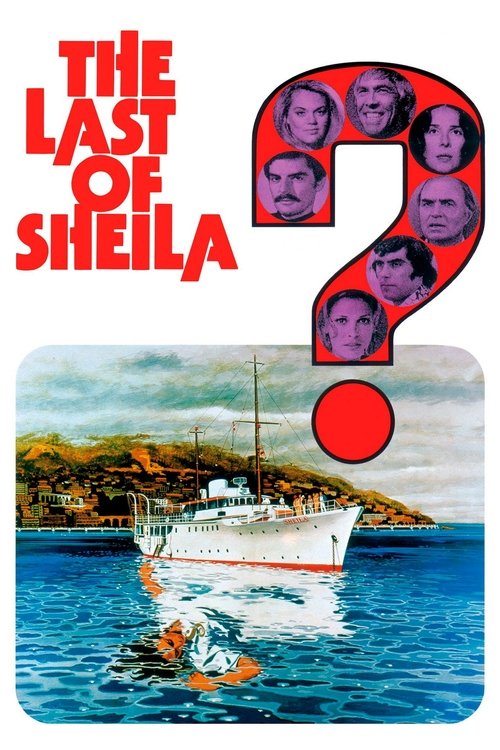
The Last of Sheila1973
Both are essentially game structures where the pleasure is watching the mechanics work—the mystery is not the point, the construction of the mystery is. Baldpate does it for laughs; Sheila does it for brilliance.
A mystery thriller where Hollywood types play games on a yacht, clues are scattered like Easter eggs, and you're meant to feel like you're in on the joke. Sophisticated, clever, endlessly rewatchable. It respects the audience's intelligence without ever stopping being fun.
But It's cerebral. If you just want to watch chaos unfold without having to think, this will feel like homework. Also, it's about cinema people, not innkeepers, which changes the register entirely.
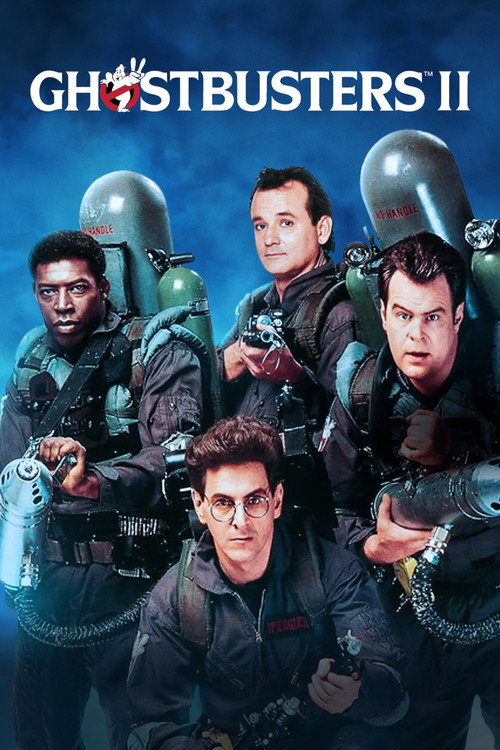
Ghostbusters II1989
Both films understand that comedy from chaos comes from velocity and refusal to let the audience catch their breath—keeping things moving fast enough that logic never catches up is the whole trick. Same engine, totally different era.
Pure escalating chaos played completely straight by the cast. A sequence of increasingly impossible events piles on top of each other, each one prompting the characters to deadpan their way through absurdity. The comedic structure is Baldpate's: don't slow down, don't explain, just keep it coming.
But It's from 1989 and shows it. The effects are dated, the humor sometimes lands on ethnic stereotypes, and it's a sequel that nobody asked for. The nostalgic charm doesn't work if you weren't there when it came out.
People
Cast
 Gene RaymondWilliam Magee
 Margaret CallahanMary Norton
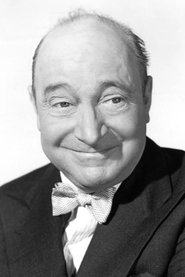 Eric BloreProf. Harrison Boulton
 Grant MitchellThomas Hayden
 Moroni OlsenMayor Jim Cargen
 Erin O'Brien-MooreMyra Thornhill
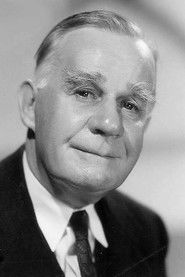 Henry TraversLem Peters
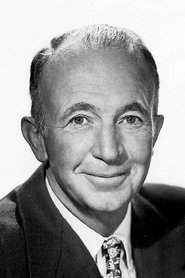 Walter BrennanStation Agent
- Ray MayerMr. Bland
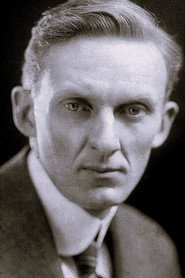 Erville AldersonPolice Chief Roberts
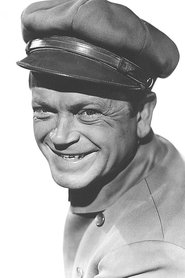 Murray AlperMax
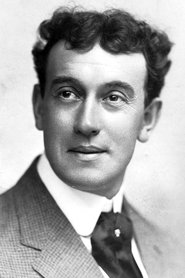 Harry BeresfordElijah Quimby
Directing
- Charles KerrAssistant Director
- William HamiltonDirector
Writing
- Earl Derr BiggersNovel
- George M. CohanTheatre Play
- Anthony VeillerWriter
- Wallace SmithWriter
Production
- William SistromAssociate Producer