
Film
A Foreign Affair
A Foreign Affair is a Billy Wilder postwar comedy-drama set in occupied Berlin, where moral ambiguity and sexual tension collide. Jean Arthur and Marlene Dietrich circle a charming army captain as he navigates between duty and desire. It's wickedly smart about power, complicity, and how easily we rationalize what we want to believe.
If you liked this
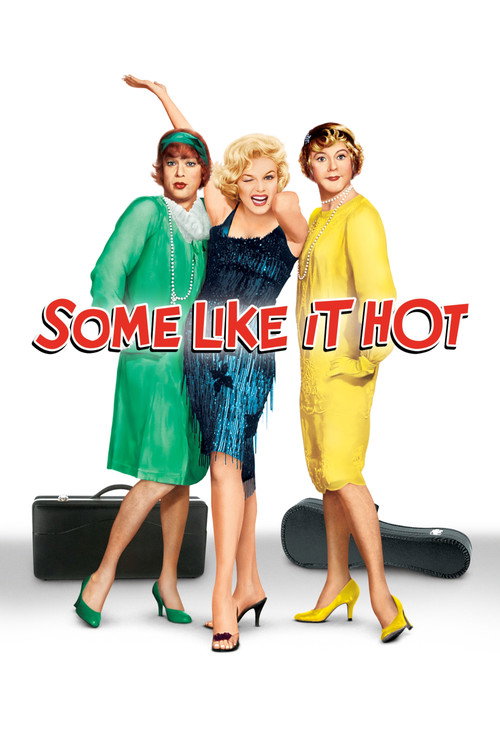
Some Like It Hot1959
The Wilder touch at peak form: screwball plotting, sexual innuendo wrapped in wit, and a cast firing on all cylinders. If you loved the romantic chaos of A Foreign Affair, this is Wilder turning up the speed.
But It's been canonized to death. Sometimes cultural classics feel more like homework than fun.
The Third Man1949
Carol Reed's postwar Vienna is every bit as morally fractured as Wilder's Berlin. Orson Welles, Joseph Cotten, and that zither score make this a lean, perfect thriller about betrayal in ruins.
But It moves like a ghost—oblique, shadowy, hard to pin down. If you want clarity, look elsewhere.

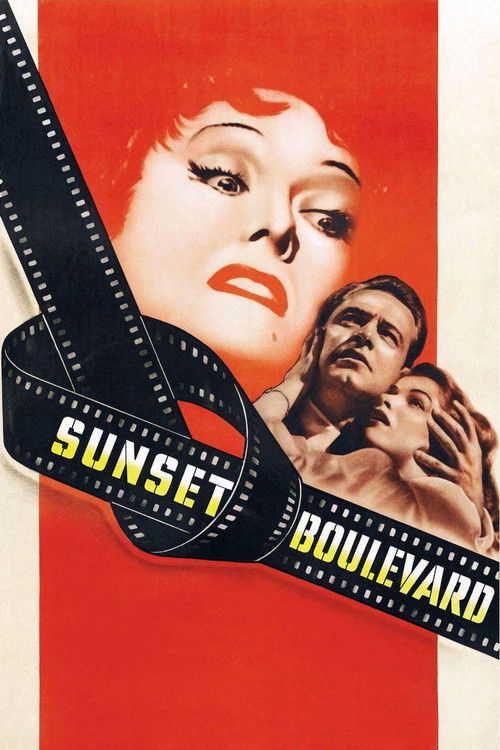
Sunset Boulevard1950
Wilder again, this time anatomizing Hollywood's cruelty with Bill Holden and Gloria Swanson. The same dark comedy, the same eye for how people lie to themselves about who they are.
But It's slow-moving and genuinely depressing. The joke is the darkness, not relief from it.
Not sure tonight? Get a pick in a minute, starting from A Foreign Affair
The wildcard
Something you would not have found on your own.
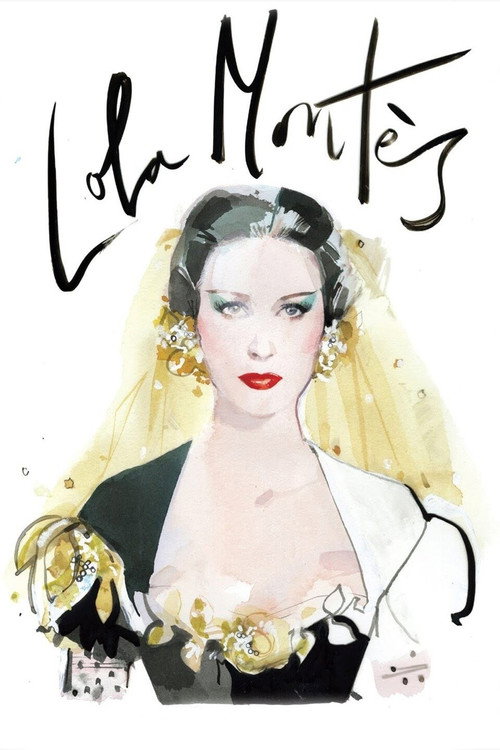
Lola Montès1955
Both films use a fascinating woman caught between nations and powerful men as a mirror for postwar moral collapse, but where Wilder's Berlin is crisp and sardonic, Ophüls' circus is operatic and broken. The same darkness, different temperature.
Max Ophüls' fever dream of a woman's life told through circus ringside—a role Marlene Dietrich might have played if she'd had this director ten years earlier. It's baroque, doomed, dazzling: capitalism and desire in constant motion, visually ravishing in ways Hollywood never quite attempted.
But It's deliberately artificial and episodic. The plot doesn't build—it cascades and repeats. Some find it suffocating rather than elegant.
More like this (7)
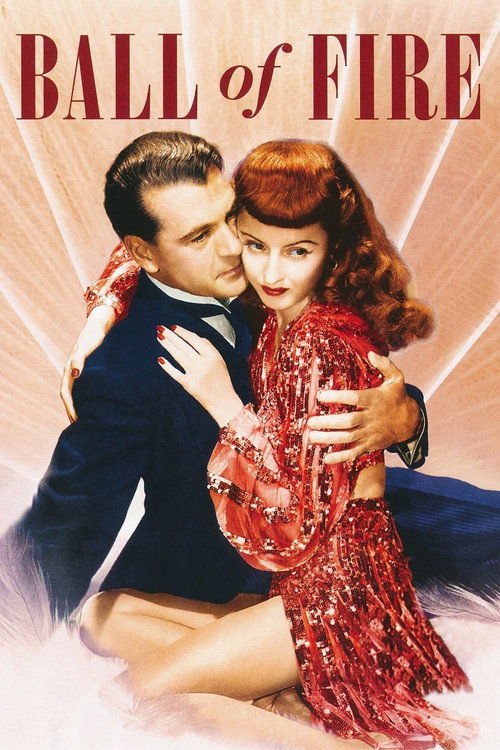
Ball of Fire1941
Howard Hawks directing Barbara Stanwyck and Gary Cooper in a romantic comedy about a gangster's moll and a linguistics professor. Fast, flirty, and built on real chemistry and sudden reversals.
But The slang and patter feel period-locked. Some jokes about 'coolness' landed better in 1941.
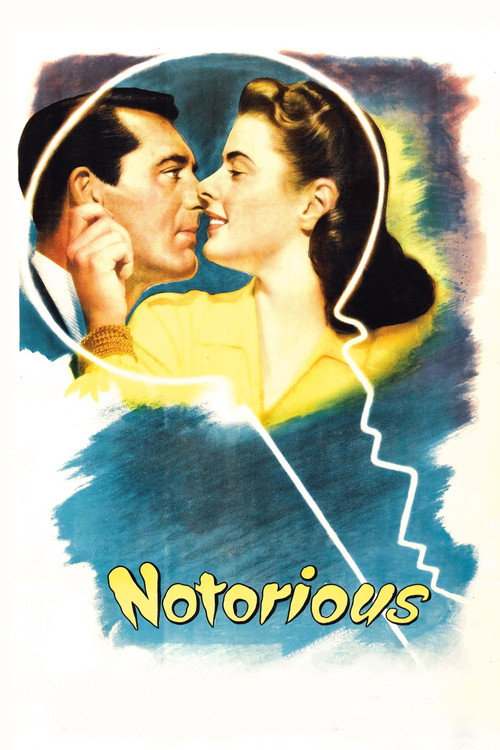
Notorious1946
Hitchcock's espionage romance: Cary Grant and Ingrid Bergman in postwar Rio, with betrayal and desire tangled so tight you can't separate them. The moral ambiguity will feel familiar.
But It's heavier on suspense than comedy. If you wanted more wit, you'll find less here.
The Philadelphia Story1940
Cukor, Cary Grant, Katherine Hepburn, and James Stewart: a comedy that actually earns its sophistication. Character-driven, sexually frank for its time, and genuinely funny.
But The gender politics lean toward redemption through marriage. Some of it hasn't aged as well as it thinks.

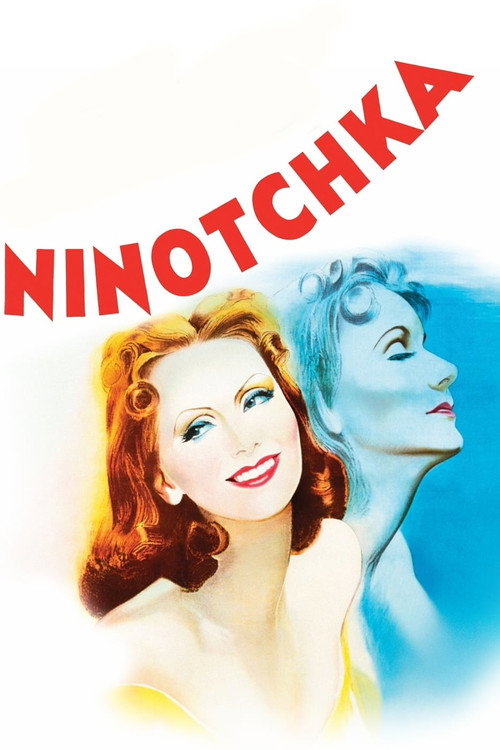
Ninotchka1939
Ernst Lubitsch's Soviet envoy-meets-Paris romance with Greta Garbo and Melvyn Douglas. Lighter than Wilder, sharper than it appears. A masterclass in romantic comedy as a form of espionage.
But It's a bit precious and dated in its Cold War assumptions. The satire lands gently, not with teeth.
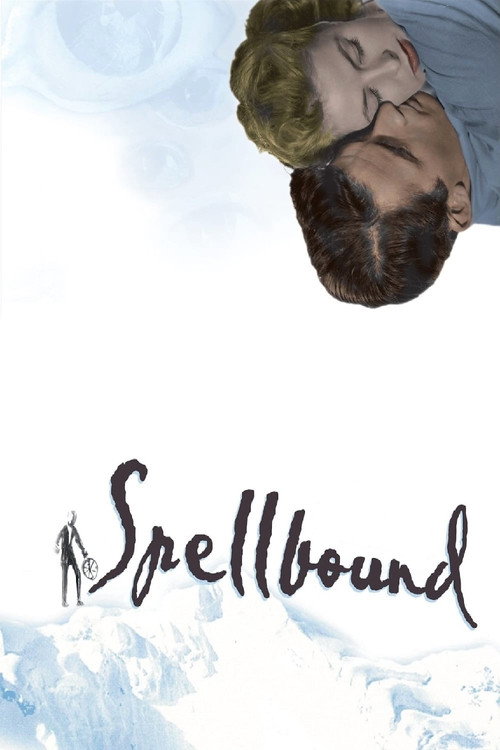
Spellbound1945
Hitchcock and Dali on psychoanalysis, guilt, and love. Gregory Peck and Ingrid Bergman navigating trauma and trust. Visually stunning and morally complicated in ways that linger.
But The plot mechanics creak a bit. The psychology is more 1945 Freud than anything credible.
The Asphalt Jungle1950
John Huston's heist noir prototype: hard-boiled, ensemble-driven, and built on the idea that every criminal is someone's tragedy. The visual language is pure noir authority.
But It's bleak and procedural. If you want romance or humor, this isn't it.

M1931
Both are Berlin stories about what happens when order collapses and people reveal what they actually are. Wilder watched this city become this film, and made his own comedy-tragedy out of it. One is tragedy trying to be comedy; the other is comedy trying to be honest about tragedy.
Fritz Lang's Berlin before the war: a city hunting a child murderer, and in doing so, hunting itself. Peter Lorre's face carries the weight of moral horror. It's the origin point of every morally ambiguous character study that followed.
But It's grim, slow, and German Expressionist in register—shadow and dread rather than wit. The sound design can feel primitive by modern ears.

People
Cast
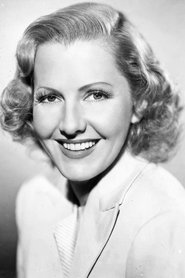 Jean ArthurCongresswoman Phoebe Frost
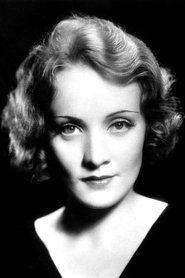 Marlene DietrichErika Von Schlüetow
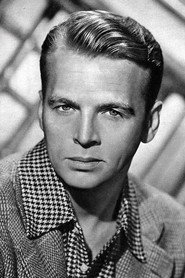 John LundCaptain John Pringle
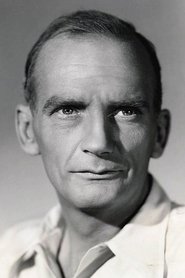 Millard MitchellCol. Rufus J. Plummer
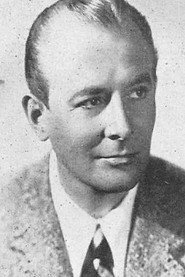 Peter von ZerneckHans Otto Birgel
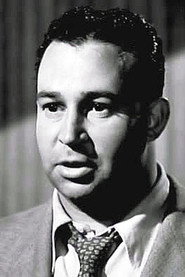 Stanley PragerMike
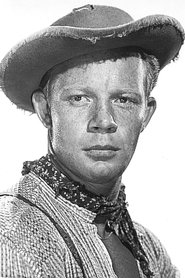
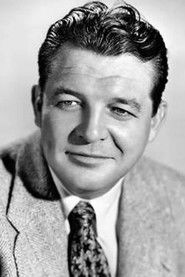 Gordon JonesMilitary Police
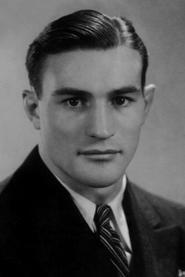 Freddie SteeleMilitary Police
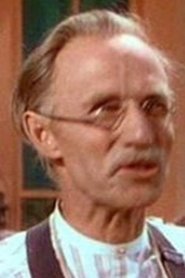 Raymond BondPennecot
- Boyd DavisGiffin
- Robert MalcolmKramer
Directing
- C.C. ColemanAssistant Director
- Billy WilderDirector
- Harry HoganScript Supervisor
- Gerd OswaldSecond Assistant Director
Writing
- Robert HarariAdaptation
- David ShawOriginal Story
- Billy WilderScreenplay
- Charles BrackettScreenplay
- Richard L. BreenScreenplay
Production
- Charles BrackettProducer
- Hugh BrownProduction Manager