
Film
I Love You Again
- Screwball comedy
- Light-hearted
A 1940 screwball comedy where a dull businessman recovers from amnesia to find he's actually a charming con artist—and madly in love with the wife he was divorcing. William Powell and Myrna Loy crackle with chemistry through zippy dialogue and increasingly absurd situations. It's pure escapist fun: witty, fleet-footed, built for people who think fast and laugh faster.
If you liked this
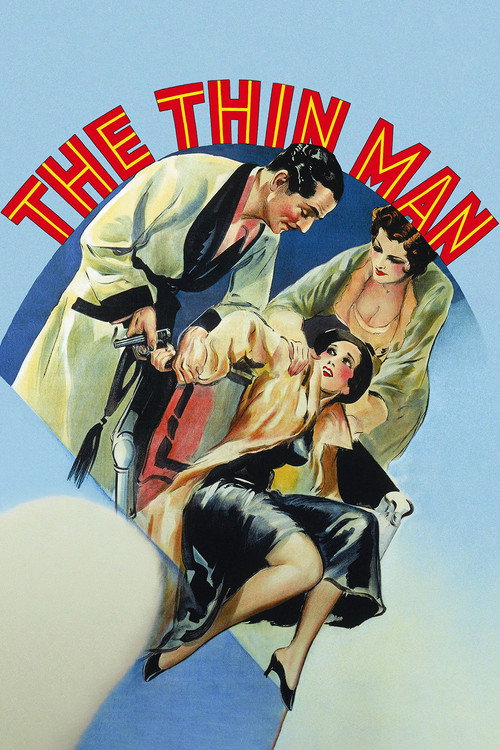
The Thin Man1934
Powell and Loy's definitive pairing: a married detective duo solving crimes with quips, cocktails, and genuine affection. If you loved their rhythm in I Love You Again, this is the template that made them irresistible.
But It's a 1930s mystery, so the plot mechanics feel a touch creaky now. The pacing assumes patience for exposition.
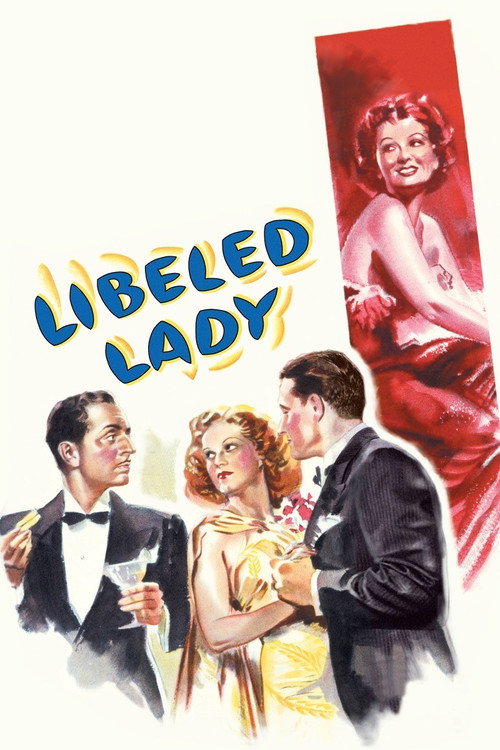
Libeled Lady1936
Powell leads a screwball ensemble (Jean Harlow, Myrna Loy, Spencer Tracy) through a wildly plotted newspaper scheme. Rapid-fire dialogue, romantic tangles, and nobody plays comedy quite like Powell in his prime.
But It moves so fast the plot becomes almost incidental. If you need clarity over chaos, you'll be lost.
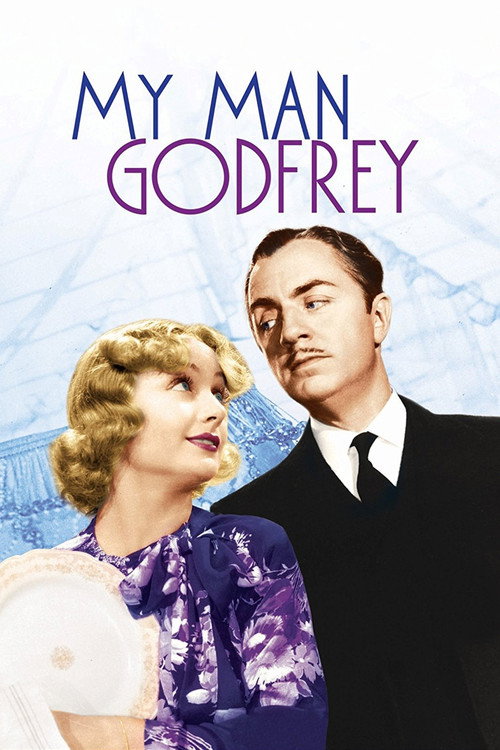
My Man Godfrey1936
Carole Lombard and Powell spark in this Depression-era comedy about a screwball heiress and a mysterious drifter. Smart, funny, and genuinely touching—proof that 1930s Hollywood knew how to do comedy.
But Screwball energy can feel manic if you're not in the mood. Some jokes land on outdated assumptions.
Not sure tonight? Get a pick in a minute, starting from I Love You Again
The wildcard
Something you would not have found on your own.
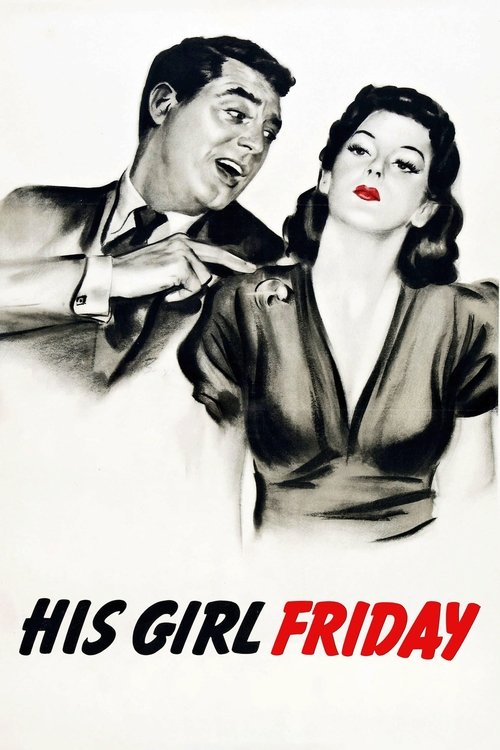
His Girl Friday1940
Both turn on a couple realizing they belong together despite (or because of) chaos and deception. The pace and verbal wit are nearly identical; the setting is the only difference.
Rosalind Russell and Cary Grant in a newspaper office, overlapping dialogue at machine-gun speed. It's the same screwball DNA as I Love You Again but in a different costume—a remake of The Front Page that's actually better than the original.
But The rapid-fire overlapping dialogue is exhausting if you're not locked in. If you want to relax, this demands focus.
More like this (8)
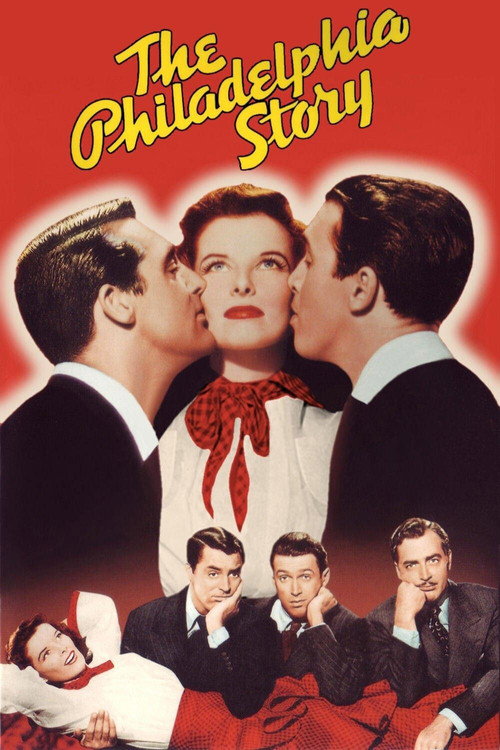
The Philadelphia Story1940
Cary Grant, Katherine Hepburn, James Stewart: a masterpiece about love, remarriage, and people who say brilliant things under pressure. Same year as I Love You Again but operating at peak sophistication.
But It's more elegant than funny. If you want jokes over feeling, this will feel slow.
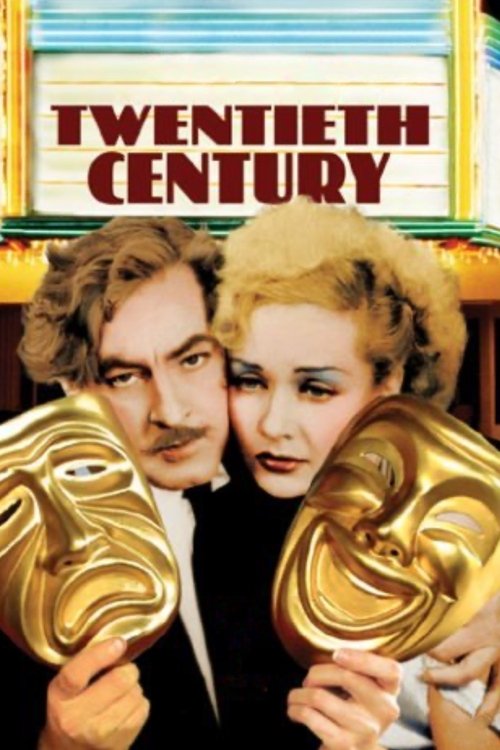
Twentieth Century1934
John Barrymore and Carole Lombard trade insults on a cross-country train. It's controlled chaos—theatrical, witty, a direct ancestor to screwball's best moments.
But Barrymore's hamming can feel excessive. The theatrical zaniness won't appeal to everyone.
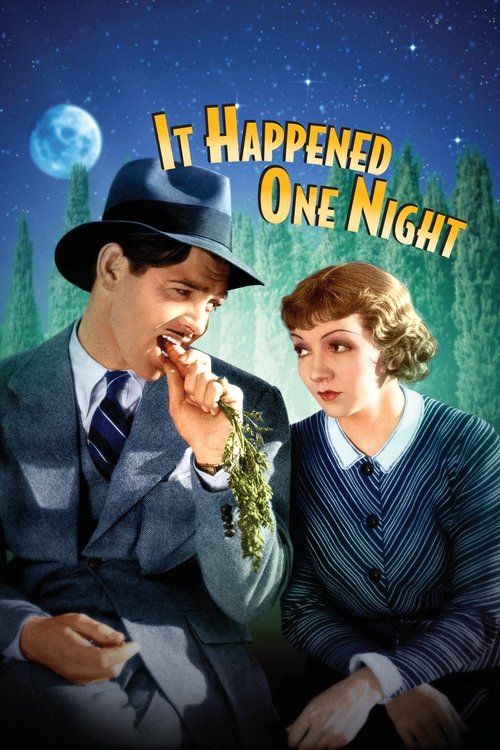
It Happened One Night1934
Clark Gable and Claudette Colbert on a road trip, sparring and falling for each other. The template for romantic comedy itself: warm, funny, genuinely inventive.
But It's foundational, which means it feels familiar now. You might feel like you've seen it before you watch it.
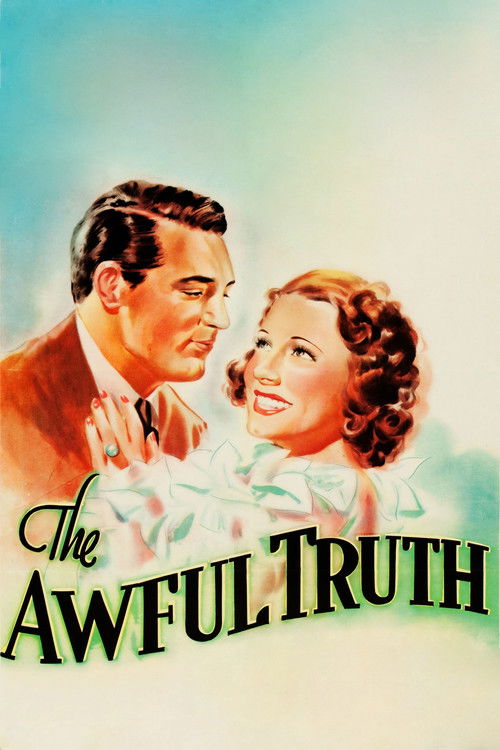
The Awful Truth1937
Cary Grant and Irene Dunne as a divorcing couple sabotaging each other with charm and scheming. The emotional heart beneath the chaos—separation and second thoughts, played as high comedy.
But Some plot elements haven't aged gracefully. The dog-centered subplot will test your patience.
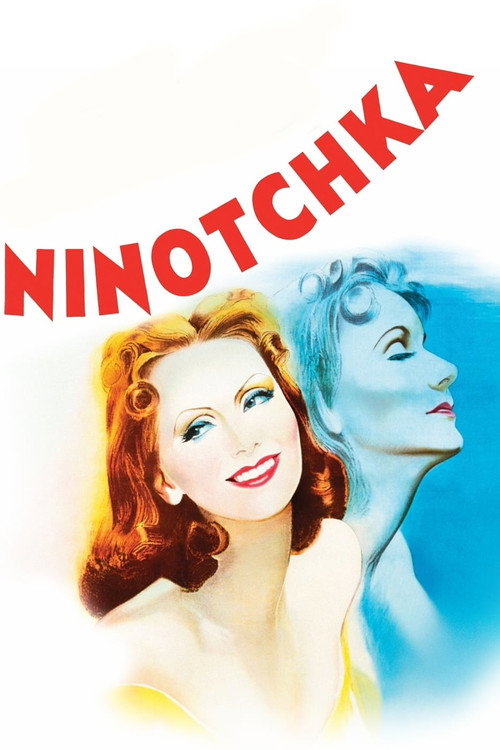
Ninotchka1939
Greta Garbo, rarely heard to laugh, plays a Soviet agent undone by Paris and Melvyn Douglas. Elegant, smart, funny in a way that feels effortless. Political and romantic at once.
But It's glacial compared to American screwball. If you want pace over subtlety, it'll feel slow.
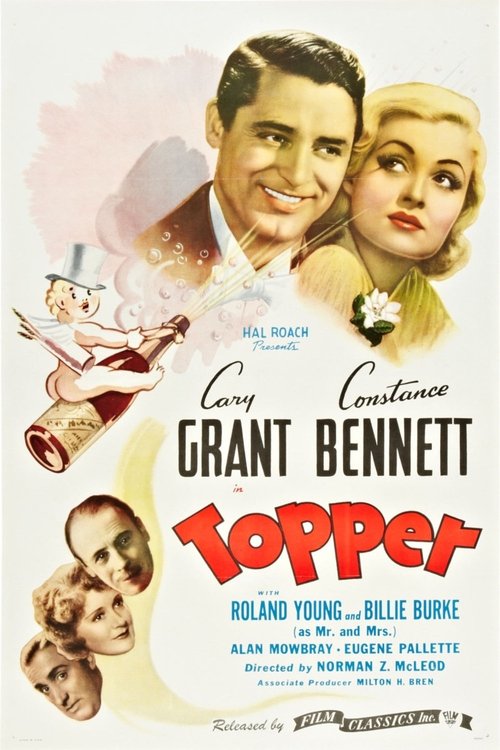
Topper1937
Cary Grant and Constance Bennett as ghosts haunting Cosmo Topper. High-concept comedy done with charm and genuine wit; a ghost story that's actually funny.
But The supernatural premise is underbaked. It has charm but not much substance beneath it.
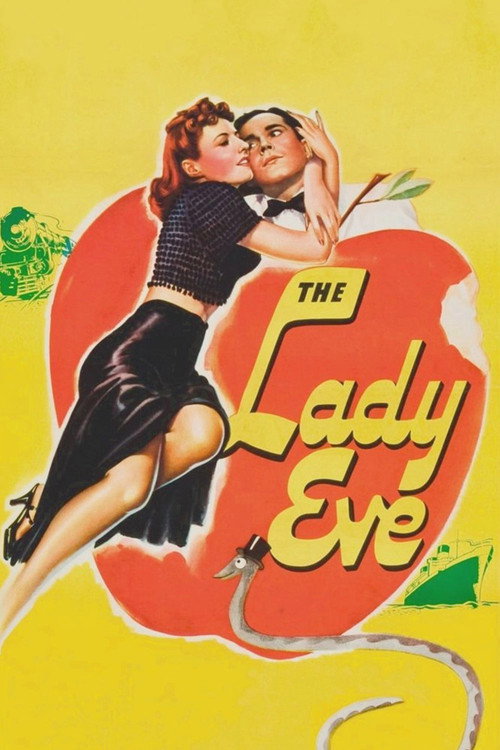
The Lady Eve1941
Both stories pivot on the same mechanism: a charming deceiver reveals themselves to someone they love, only to find the love was real all along. Same emotional architecture, higher comic stakes.
Barbara Stanwyck cons a naive millionaire played by Henry Fonda. Preston Sturges at peak form: the plot flips halfway through, the con becomes love becomes con again. Dazzling.
But It's more structurally complex than I Love You Again. If you want straightforward, this layers twist onto twist.
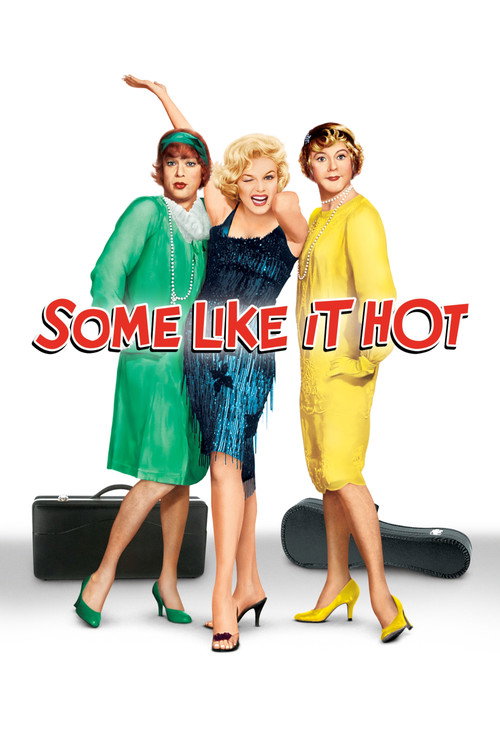
Some Like It Hot1959
Takes the screwball premise—create a false identity to escape consequences, fall in love anyway—and makes it existential. I Love You Again asks 'what if you forgot who you were?' Some Like It Hot asks 'what if you became someone else entirely?' Same question, different century.
Tony Curtis, Jack Lemmon, Marilyn Monroe on the run from gangsters in drag. Possibly the funniest film ever made. Screwball logic pushed to its logical extreme: identity, desire, romance, and impeccable comic timing.
But It's almost twenty years later and feels like a different world. The gender-play premise, while brilliant, lands differently now.
People
Cast
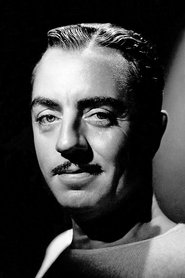 William PowellLarry Wilson aka George Carey
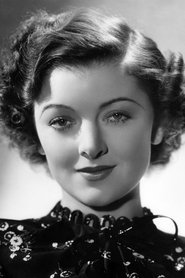 Myrna LoyKay Wilson
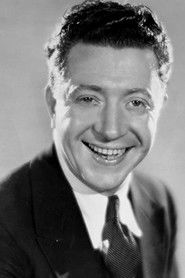 Frank McHugh'Doc' Ryan
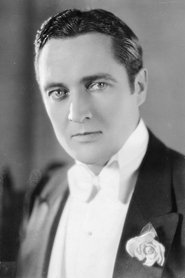 Edmund LoweDuke Sheldon
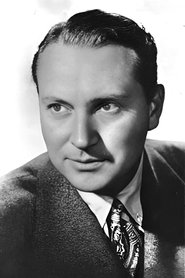 Donald DouglasHerbert
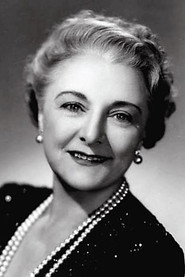 Nella WalkerKay's Mother
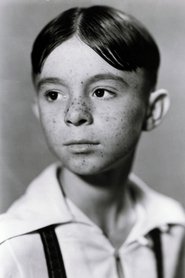 Carl SwitzerLeonard Harkspur Jr.
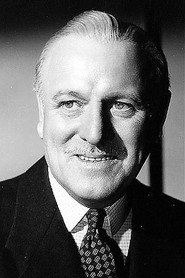 Pierre WatkinMr. W.H. Sims
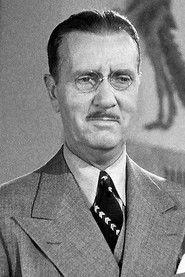 Paul StantonMr. Edward Littlejohn Sr.
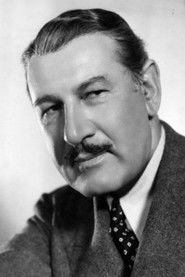 Morgan WallaceMr. Phil Belenson
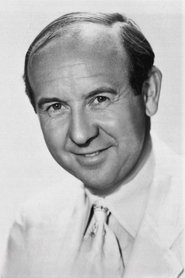 Charles ArntMr. Billings
- Donnie AllenJunior Ranger (uncredited)
Directing
- W.S. Van DykeDirector
Writing
- Octavus Roy CohenNovel
- Charles LedererScreenplay
- George OppenheimerScreenplay
- Harry KurnitzScreenplay
- Leon GordonStory
- Maurine Dallas WatkinsStory
Production
- Lawrence WeingartenProducer