
Film
The Last of Mrs. Cheyney
- Con-artist caper
- Light-hearted
A stylish American con artist working London high society falls for one of her targets. Breezy 1930s comedy-drama built on charm, mistaken identity, and the frisson of a woman outmaneuvering men in tuxedos. For anyone who loves screwball energy and the particular glamour of pre-war sophistication.
If you liked this
Breakfast at Tiffany's1961
Audrey Hepburn as a charming drifter navigating Manhattan wealth with style and moral ambiguity. Same DNA of elegance masking deeper schemes, same fun in watching someone play a role.
But The tone is lighter, almost whimsical where Cheyney has dramatic weight. Some find Hepburn's character frustratingly passive by modern standards.

The Philadelphia Story1940
Three stars in perfect comic sync, jewels and estates, the clash between old money and new charm. Screwball timing and the pleasure of watching characters scheme and spar across class lines.
But It's longer and more convoluted. The gender dynamics, though progressive for 1940, may feel dated depending on your patience for romantic obligation.

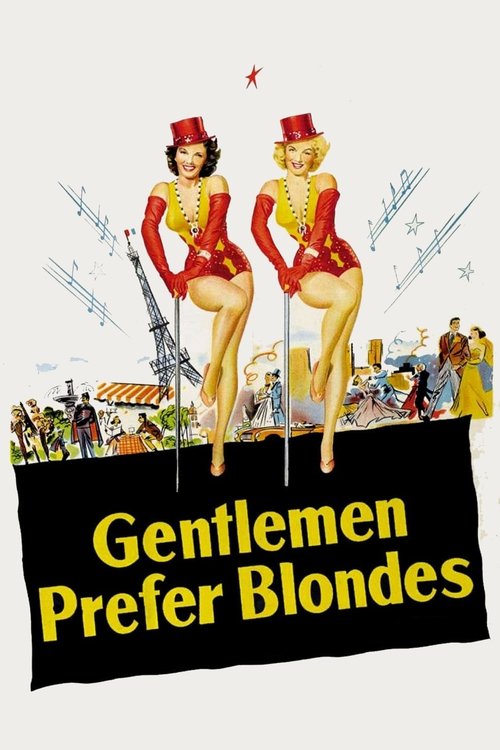
Gentlemen Prefer Blondes1953
Marilyn Monroe and Jane Russell as performers and con artists working the same wealthy landscape. Same wink at the audience, same understanding that charm and wit are currency.
But The tone is campy and self-aware in a way Cheyney plays straighter. Monroe's performance overshadows everything; some find the film more about spectacle than character.
Not sure tonight? Get a pick in a minute, starting from The Last of Mrs. Cheyney
The wildcard
Something you would not have found on your own.
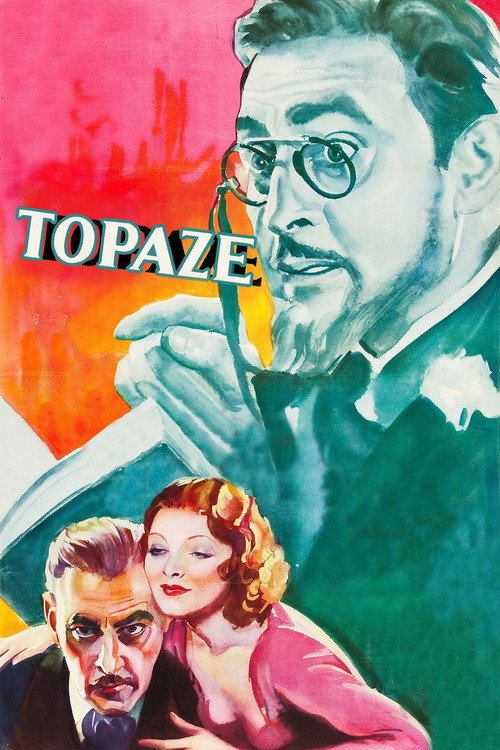
Topaze1933
Both are stories about performance and authenticity in high society, but Topaze shows the cost of the lie that Cheyney treats as a dance.
A schoolteacher is corrupted by a con artist and society wealth, his character fundamentally changing. Takes the con-artist premise seriously as moral tragedy, not comedy. What happens to your soul if you have to keep pretending?
But It's bleak and ends badly. If you want Cheyney's lightness and the satisfaction of a romantic resolution, you'll find this punishing instead.
More like this (8)
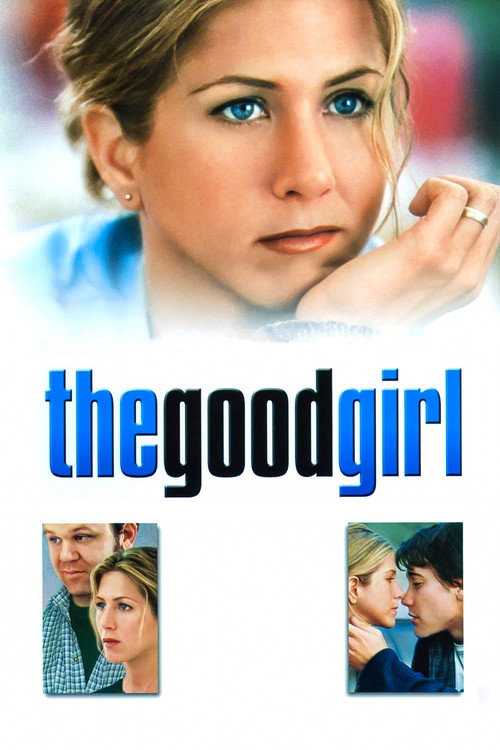
The Good Girl2002
A woman working in a small town leads a secret double life. Similar architecture—performance, deception, the gap between who she is and who people think she is.
But It's a indie drama, not a society comedy. The mood is anxious and ironic rather than chic, and the stakes feel smaller and meaner.
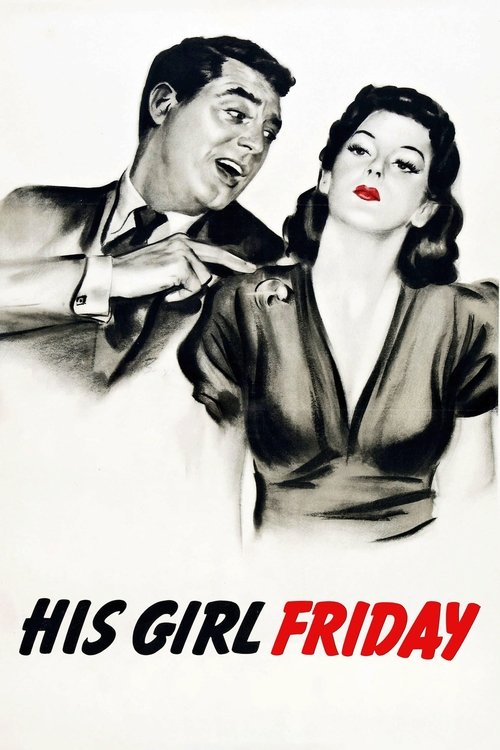
His Girl Friday1940
Cary Grant and Rosalind Russell trading verbal jabs at breakneck speed. The pleasure is entirely in the talk and the sparring; the plot barely matters.
But No romantic subplot to balance the aggression. If you want emotional stakes alongside the wit, you'll find yourself wanting more.
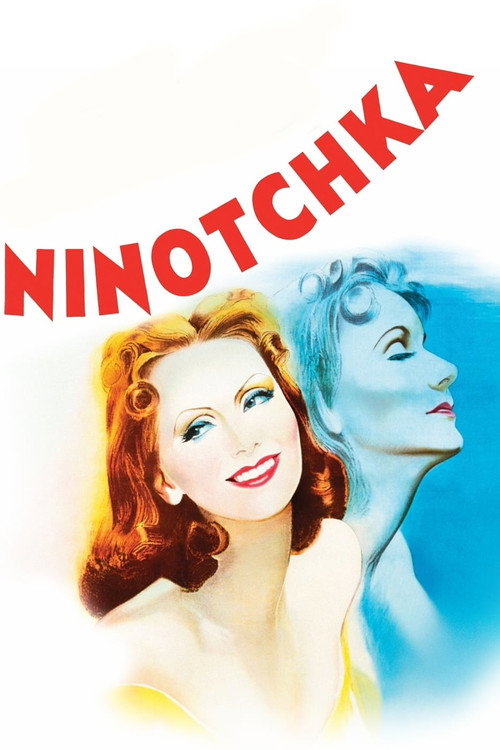
Ninotchka1939
Greta Garbo as an icy Soviet envoy seduced by Paris glamour and a charming Frenchman. A con of sorts, a woman whose identity shifts, and Garbo at her most radiant.
But The political satire is very much of its moment and plays as dated now. Garbo's persona can feel remote; some need warmer chemistry to invest.
The Asphalt Jungle1950
A heist film that treats the crime and the criminals seriously. If you loved the con-artist plotting beneath Cheyney's surface, this gives you the machinery stripped of glamour.
But It's entirely in noir register: gray, violent, hopeless. There's no charm to soften it, and the tone is the opposite of what makes Cheyney fun.

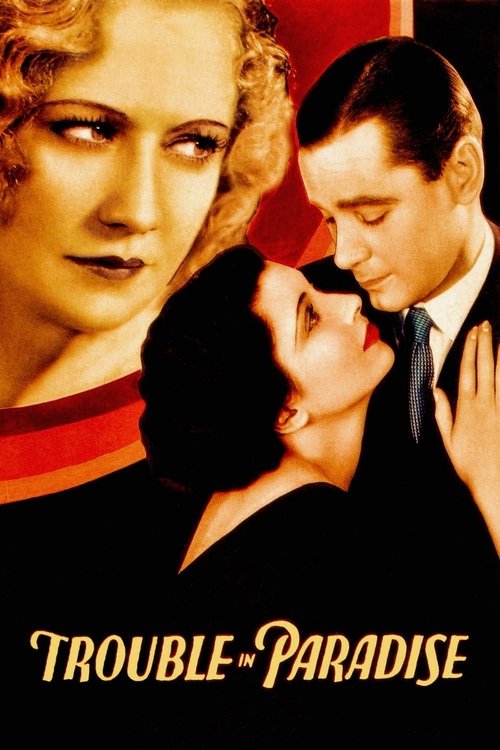
Trouble in Paradise1932
Ernst Lubitsch on jewel thieves in European capitals; wit so fast and layered you'll want to rewatch. The spiritual ancestor of everything Cheyney does, only more ingenious.
But It's in black and white and moves at 1932 pace. Some of the verbal sophistication assumes knowledge of European geography and social codes that feels remote now.
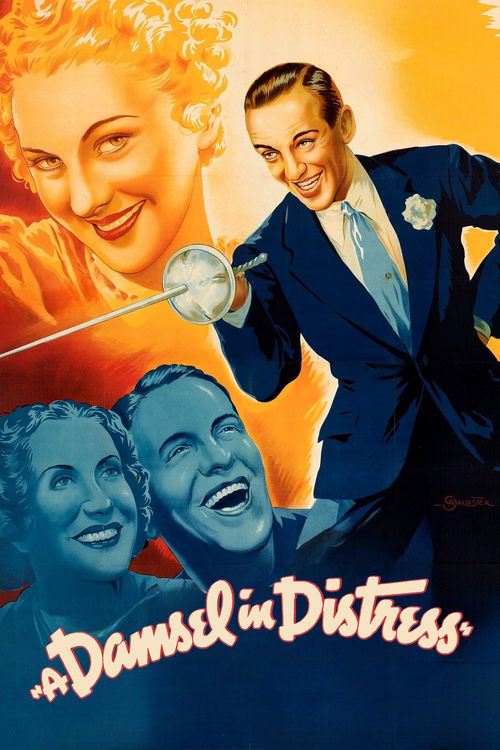
A Damsel in Distress1937
Fred Astaire and George Burns; lighter than Cheyney but set in the same world of English estates and romantic mixup. Released the same year, same sensibility.
But There's less plot than Cheyney and more filler. If you don't care about Astaire's dancing for its own sake, long stretches will feel padded.
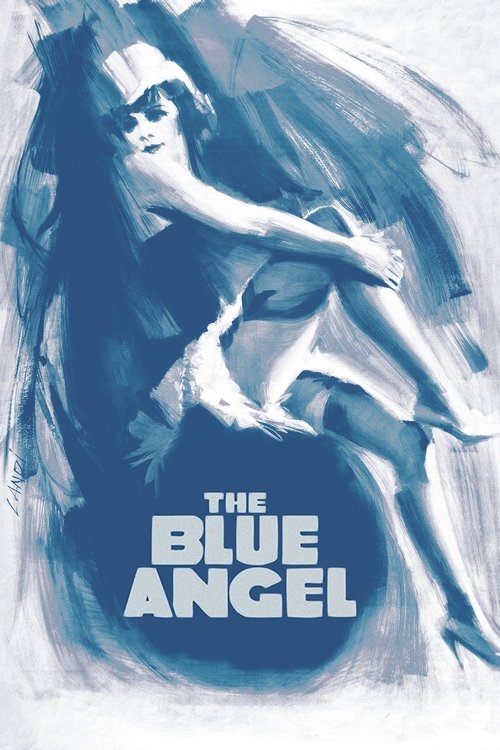
The Blue Angel1930
Both hinge on a powerful woman's performance and a man's desire to believe in it, but Cheyney is about the lie ending in love, while Blue Angel is about the lie consuming everything.
Marlene Dietrich as a cabaret performer who destroys a respectable man by being exactly what she is. Sung partly in German; sensual, dark, hypnotic. A woman using charm as weaponry, but with real consequences.
But It's a silent-era-style melodrama with subtitles. The mood is perverse and tragic; you're watching a man's humiliation, not a romance. Dietrich in no way 'needs rescuing' by love.
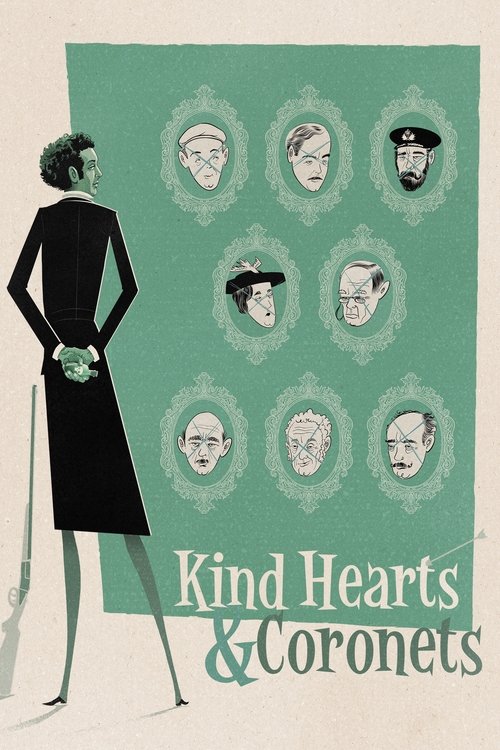
Kind Hearts and Coronets1949
Both are about outsiders exploiting English class hierarchies for gain, but where Cheyney negotiates with the system, Kind Hearts obliterates it.
Alec Guinness playing eight family members while Dennis Price murders his way up the peerage. Murder comedy set in the English aristocracy Cheyney moves through. Outrageous, clever, murderous charm.
But It's a black comedy about serial killing. If you want romance and reconciliation, this goes the opposite direction into calculated cruelty dressed as wit.
People
Cast
 Joan CrawfordMrs. Fay Cheyney
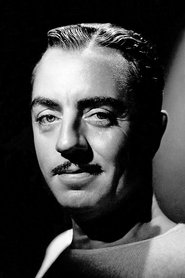 William PowellCharles
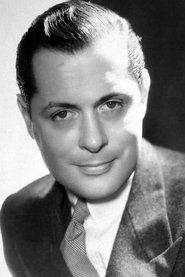 Robert MontgomeryLord Arthur Dilling
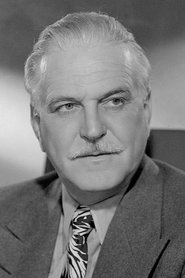 Frank MorganLord Francis Kelton
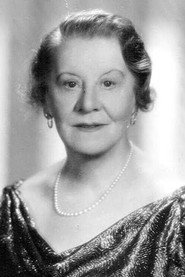 Jessie RalphThe Duchess of Ebley
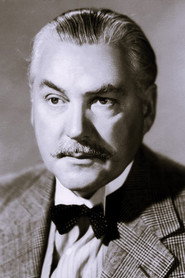 Nigel BruceLord Willie Winton
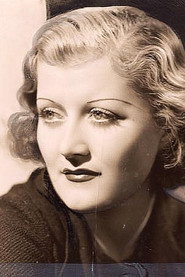 Colleen ClareJoan
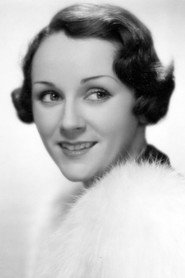 Benita HumeLady Kitty Winton
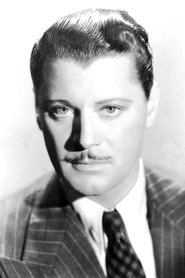 Ralph ForbesCousin John Clayborn
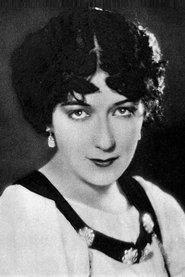 Aileen PringleLady Maria Frinton
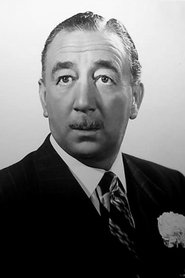 Melville CooperWilliam
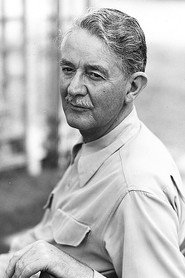 Leonard CareyAmes
Directing
- Edward WoehlerAssistant Director
- Richard BoleslawskiDirector
Writing
- Leon GordonScreenplay
- Monckton HoffeScreenplay
- Samson RaphaelsonScreenplay
- Frederick LonsdaleTheatre Play
Production
- Irving ThalbergProducer
- Lawrence WeingartenProducer