
Film
Marshland
A Spanish police procedural set in the oppressive heat of Andalusia in 1980, where two detectives with nothing in common hunt a serial killer in a forgotten town. Marshland is slow-burn and atmospheric, built on tension and regional decay rather than action. It's for viewers patient with dread and willing to sit with moral ambiguity in a story where everyone's compromised.
Should you watch it?
Watch it if you like slow-burn crime films where the pleasure lies in two mismatched men grinding against each other and a landscape that seems to hold its breath, rather than in clue-chasing puzzles.
Skip it if you want the mystery to be cleanly solved or need a brisk pace; this one lingers on heat, silence and friction between its investigators, and the murders themselves sit in the background.
What it asks of you: it asks for patience and a tolerance for bleakness, running about 104 minutes at a deliberate pace, with a dusty, dark tone and close attention to what the characters don't say.
Not sure? Find tonight's pick in a minute.
If you liked this
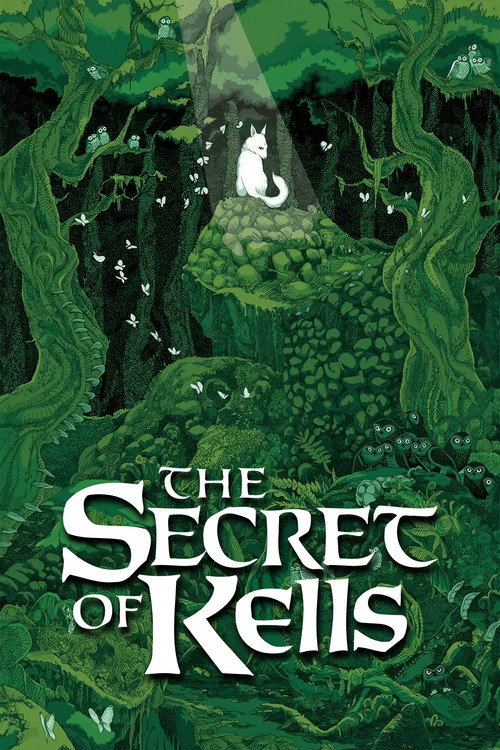
The Secret of Kells2009
A visually ravishing animated film that captures the same mood of isolation and mystery, where beauty and danger coexist in a gorgeously rendered world that feels completely lived-in.
But It's animation aimed at younger audiences, which may feel like a tonal departure if you're expecting live-action realism and police procedural weight.
Come and See1985
Elem Klimov's unflinching Soviet war film shares Marshland's refusal to look away from human cruelty and corruption. Brutally immersive, shot with the same patient dread and documentary-like authenticity.
But It's an ordeal. Genuinely difficult to watch—much bleaker and more violent than Marshland, and considerably more physically demanding on the viewer.

The Girl in the Spider's Web2018
A Scandinavian crime thriller with the same air of institutional rot and moral compromise. Dark, methodical, and grounded in a sense of place where corruption runs deep and nobody's hands are clean.
But The plot twists occasionally strain credibility, and the pacing can feel uneven compared to Marshland's steadier tension.

Not sure tonight? Get a pick in a minute, starting from Marshland
The wildcard
Something you would not have found on your own.
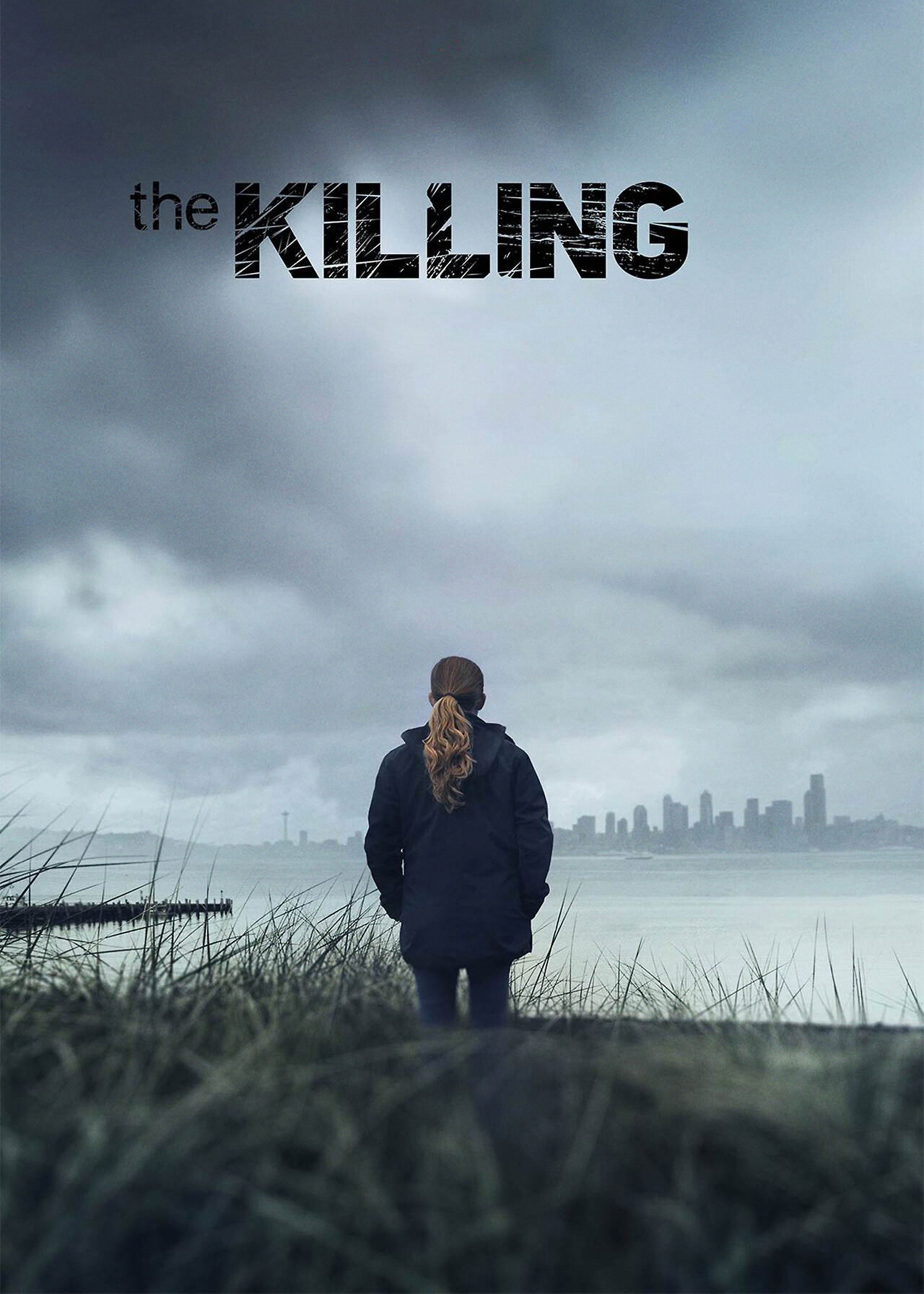
The Killing2011
Both use meticulous investigation as a container for exploring institutional failure and the wearing effect of moral compromise on people trying to do their jobs.
A Danish police procedural where a single murder investigation unfolds across twenty episodes. It matches Marshland's commitment to procedural detail and atmospheric dread, and shows how television can sustain what cinema compresses.
But The pacing requires real patience—some plot threads deliberately lead nowhere, which feels naturalistic but can exhaust viewers expecting plot momentum.
More like this (8)
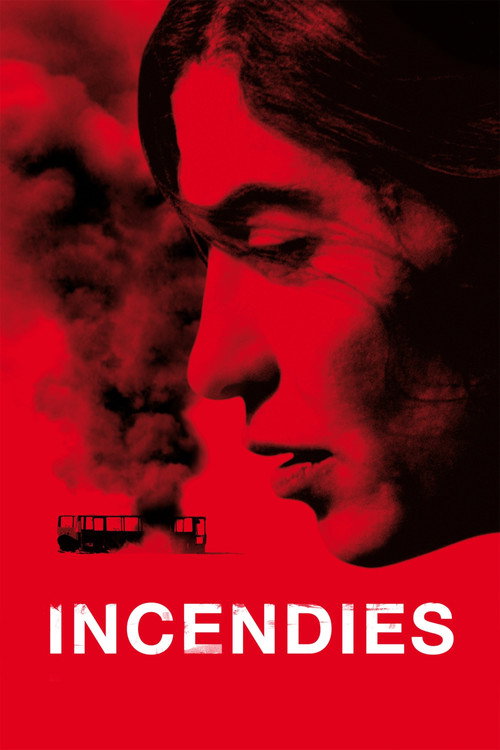
Incendies2010
Denis Villeneuve craft a mystery across time and geography, building toward revelations that recontextualize everything you've watched. It shares Marshland's patience with dread and its interest in how the past corrupts the present.
But It's emotionally punishing. The final act contains revelations so devastating that some viewers find the experience too heavy to enjoy.
The Wailing2016
A Korean thriller about murder and investigation that deliberately resists easy answers. Like Marshland, it's more interested in moral uncertainty and paranoia than in solving the puzzle cleanly.
But Nearly three hours long, and it actively refuses to resolve its central mystery in a way that provides closure. Some find this liberating; others deeply frustrating.

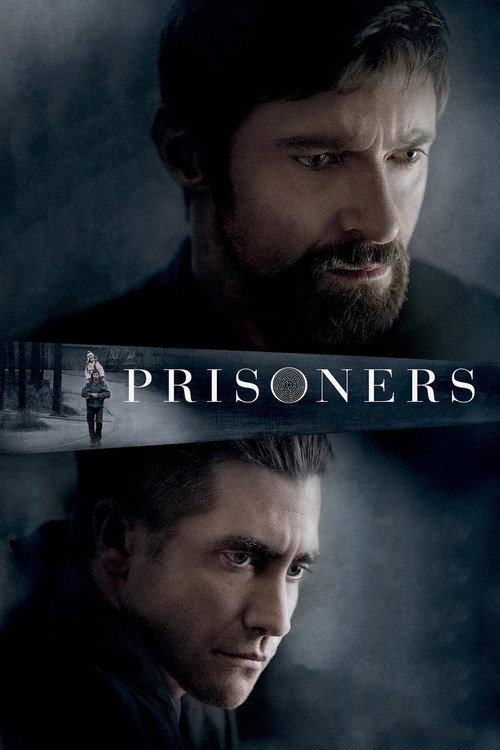
Prisoners2013
Denis Villeneuve's grim procedural about kidnapping and investigation, where the search for truth becomes morally corrosive. The same sense of men grinding against each other and circumstance in the dark.
But Heavy on violence and suffering, with a deeply uncomfortable moral centre that some viewers experience as exploitative rather than meaningful.
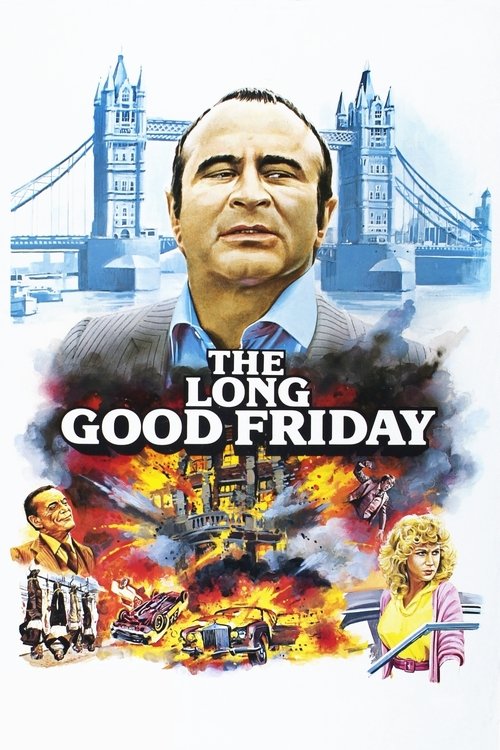
The Long Good Friday1980
Bob Hoskins commands a noir-tinged crime thriller set over one Easter weekend in London. Like Marshland, it's a study of power structures and institutional violence, shot with dark wit and real menace.
But The ending is abrupt and offers no catharsis or neat resolution, which leaves some viewers feeling cheated rather than contemplative.
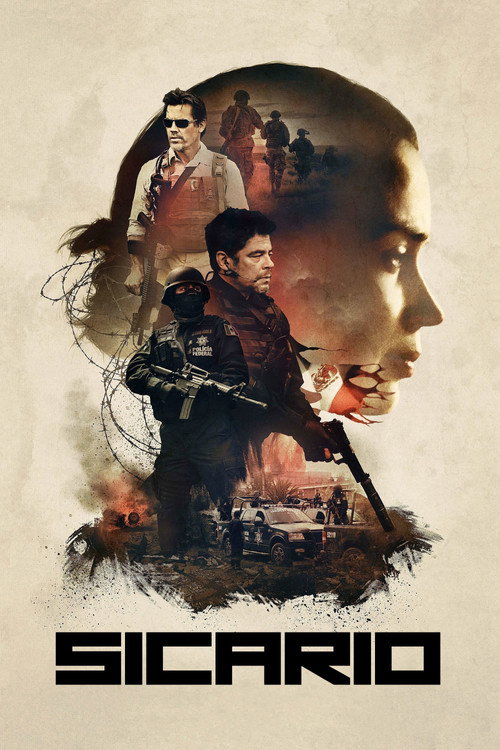
Sicario2015
Another Denis Villeneuve masterclass in moral compromise and institutional corruption. A woman drawn into the machinery of a world she doesn't understand—the same sense of helplessness and dread that defines Marshland.
But It's deliberately opaque about whose side anyone is on, which some experience as either brilliant ambiguity or frustrating obscurity depending on temperament.
The Third Man1949
A post-war thriller about investigation and betrayal in a ruined city. Carol Reed's shadow-laden cinematography and William Holden's moral confusion anticipate Marshland's exploration of corruption and institutional decay.
But It's in black and white and moves at 1940s pacing. The romantic subplot can feel underdeveloped or sentimental to modern eyes.

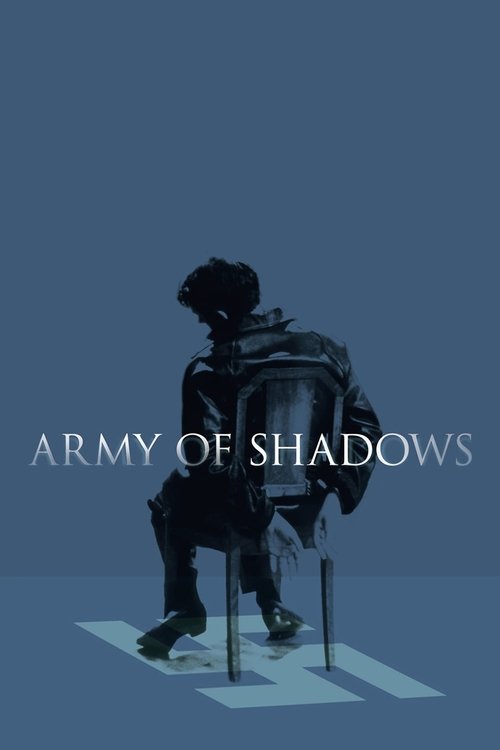
Army of Shadows1969
Both films are fascinated by men performing duty in corrupt systems, where loyalty and morality constantly collide and there's no clean way out.
Jean-Pierre Melville's French Resistance thriller is methodical, cold, and morally ambiguous. Shot in muted colours with the same sense of paranoia and the human cost of fighting in darkness, institutional or otherwise.
But It's nearly two and a half hours of deliberately restrained emotion and sparse dialogue. The payoff is philosophical rather than dramatic—some find it a slog.
Memories of Murder2003
Both use the hunt for a serial killer to examine how power structures and institutional failure corrupt individual men trying to find truth in systems designed to obscure it.
Bong Joon-ho's Korean serial killer procedural set in the 1980s. It captures the same regional shame and institutional dysfunction as Marshland, with a final scene that recontextualizes the entire investigation with devastating simplicity.
But It's in Korean with subtitles, and the tonal shifts between darkly comic and brutally violent may feel inconsistent if you're not aligned with that register.

People
Cast
 Javier GutiérrezJuan
 Raúl ArévaloPedro
- María VarodTrinidad
- Perico CervantesPadre Trinidad
- Jesús OrtizAndrés
 Jesús CarrozaMiguel
 Salva ReinaJesús
 Antonio de la TorreRodrigo
 Nerea BarrosRocío
 Ana TomenoMarina
- Paula PalaciosNiña 1
- Claudia UbrevaNiña 2
Directing
- Adán BarajasAssistant Director
- David IglesiasAssistant Director Trainee
- Juan RivadeneyraAssistant Director Trainee
- Alberto RodríguezDirector
- Paco R. BañosScript Supervisor
- Adrián OrrSecond Assistant Director
- Paco R. BañosSecond Unit Director
- Beatriz MateosThird Assistant Director
Writing
- Alberto RodríguezScreenplay
- Rafael CobosScreenplay
Production
- Eva LeiraCasting
- Yolanda SerranoCasting
- Hugo BaenaCasting Assistant
- Laura AlveaCasting Assistant
- Gervasio IglesiasExecutive Producer
- José Antonio FélezExecutive Producer
- Ricardo García ArrojoExecutive Producer
- Iván Benjumea-ReyPost Production Coordinator
- José Antonio FélezProducer
- José Sánchez-MontesProducer
- Mercedes CanteroProducer
- Mercedes GameroProducer
- Mikel LejarzaProducer
- Manuela OcónProduction Director
- Paco AlmazoUnit Production Manager