
Film
Argentina 1985
Argentina, 1985 dramatizes the real trial that put the country's former military dictators in the dock for mass disappearance and murder. Ricardo Darín anchors it as the wry, exhausted prosecutor assembling a team of untested young lawyers, and the film moves with the nervy pace of a heist film wearing courtroom clothes. It's for anyone who wants history to feel urgent, and dares to be occasionally funny about it.
Should you watch it?
Watch it if you love courtroom stories where the drama comes from careful preparation and stubborn belief, and you don't mind a warm, wry streak running beside the anger.
Skip it if you want a tight, fast thriller; this is a long, deliberate film that spends real time on paperwork, persuasion and the ordinary grind of building a case.
What it asks of you: It runs just over two and a half hours and settles into a steady, methodical rhythm, so it rewards patience and asks you to stay with the small details.
Not sure? Find tonight's pick in a minute.
If you liked this
Spotlight2015
Same DNA: a small, unglamorous team building an airtight case against an institution everyone insisted was untouchable, told with procedural patience and quiet, controlled outrage.
But No courtroom fireworks here—it's phone calls and filing cabinets, which some will find gripping and others will find slow.

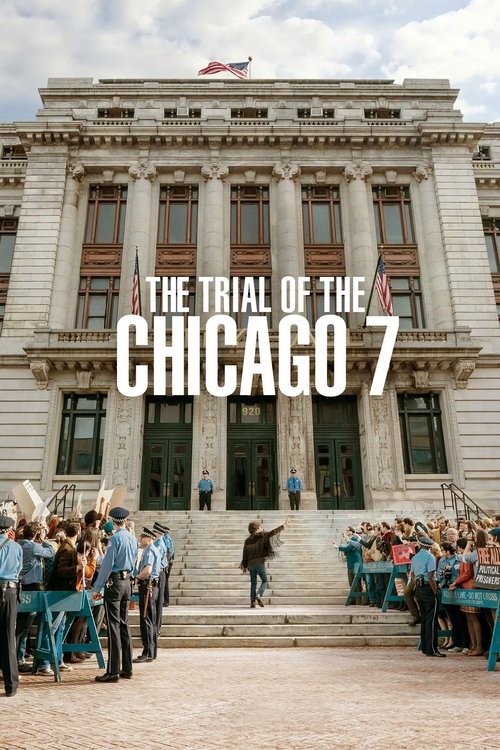
The Trial of the Chicago 72020
Sorkin's dialogue crackles where Argentina, 1985 is quieter, but it's the same underdog-lawyers-versus-the-state engine, with the courtroom as battleground for a country's soul.
But Sorkin's showiness and starry ensemble make it flashier and less grounded than the film that sent you here.
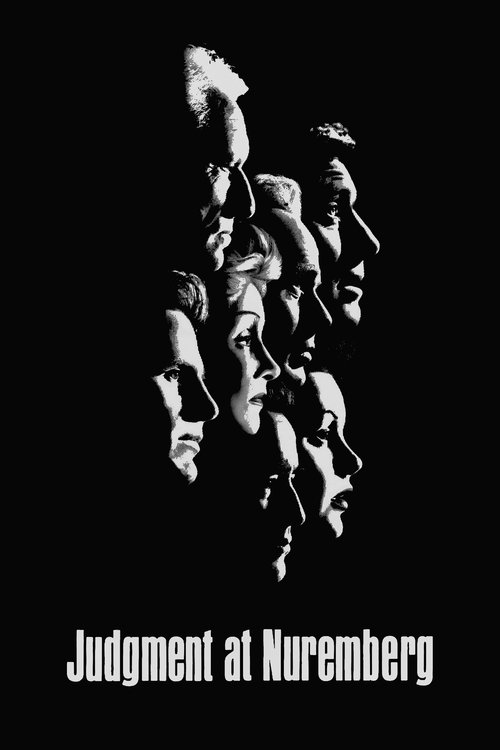
Judgment at Nuremberg1961
The direct ancestor: a 1961 courtroom epic asking whether following orders is a defense, and whether a nation can convict its own recent past.
But Three hours of black-and-white legal argument, deliberately talky and stagey by design—patience required.
Not sure tonight? Get a pick in a minute, starting from Argentina 1985
The wildcard
Something you would not have found on your own.
The Act of Killing2012
Argentina, 1985 is about what happens when a state's crimes finally reach a courtroom; this documentary shows what happens when they never do—the same moral question from the uglier side.
The perpetrators of a real genocide reenact their killings for the camera, cheerfully, in whatever film genre they fancy—it's the most disturbing and essential documentary about impunity you'll ever see.
But It offers no prosecution, no verdict, no catharsis—only the queasy sight of murderers proud of themselves, which some viewers will find unbearable.

More like this (8)
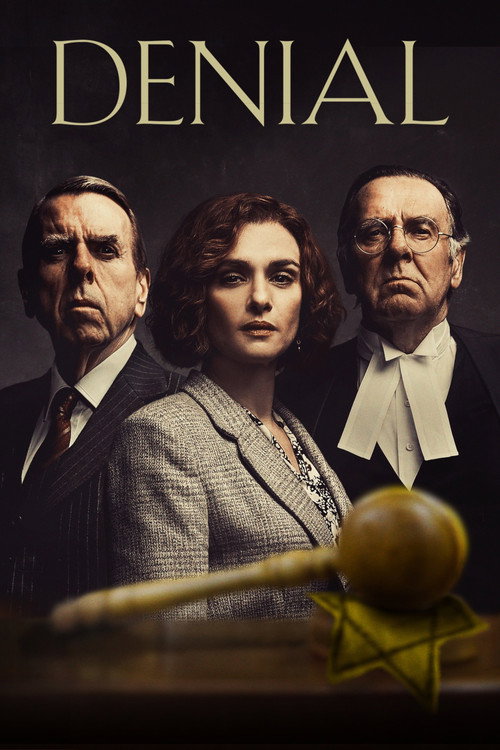
Denial2016
A quieter, more contained version of the same fight: a historian must prove the Holocaust happened in a British courtroom, against a denier who knows how to exploit doubt.
But Less momentum than a full trial narrative—much of the drama is legal strategy rather than testimony.
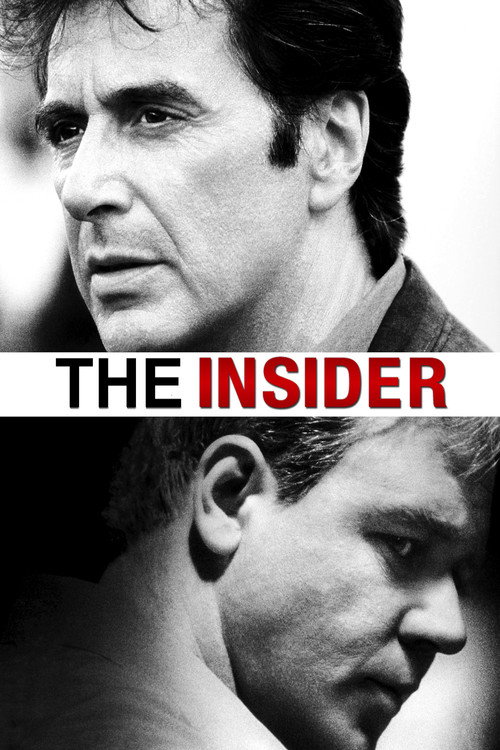
The Insider1999
Swap juntas for tobacco executives and you get the same nerve-shredding standoff between one person's conscience and an institution's machinery for making trouble disappear.
But Corporate malfeasance is a different scale of stakes than state terror—don't expect the same weight.
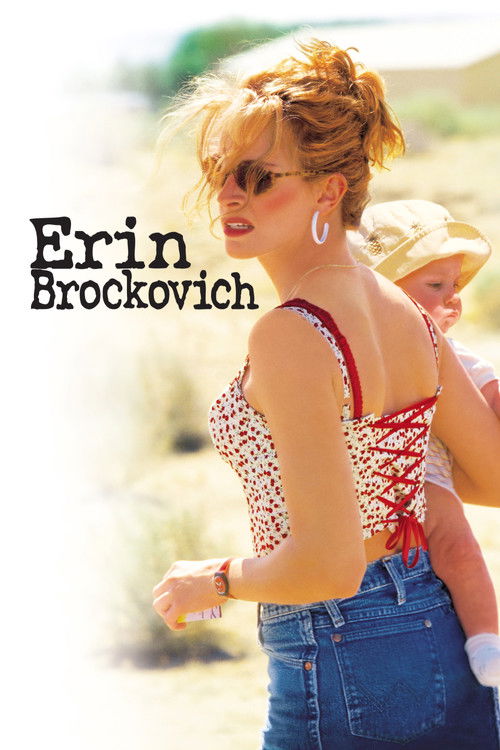
Erin Brockovich2000
Underdogs again, except this time it's a paralegal with no law degree taking on a utility giant—the same pleasure of watching outmatched people out-prepare everyone in the room.
But Julia Roberts brings movie-star charisma and a much lighter, crowd-pleasing tone than Argentina, 1985's sober history.
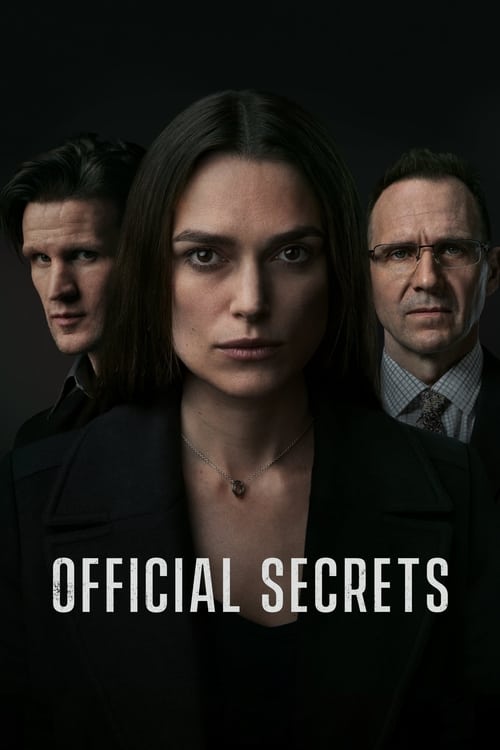
Official Secrets2019
A British intelligence whistleblower and the lawyers scrambling to defend her make a tighter, more claustrophobic cousin of the same institutional-courage story.
But The scale is smaller—one leaked memo rather than a nation's reckoning with mass murder.
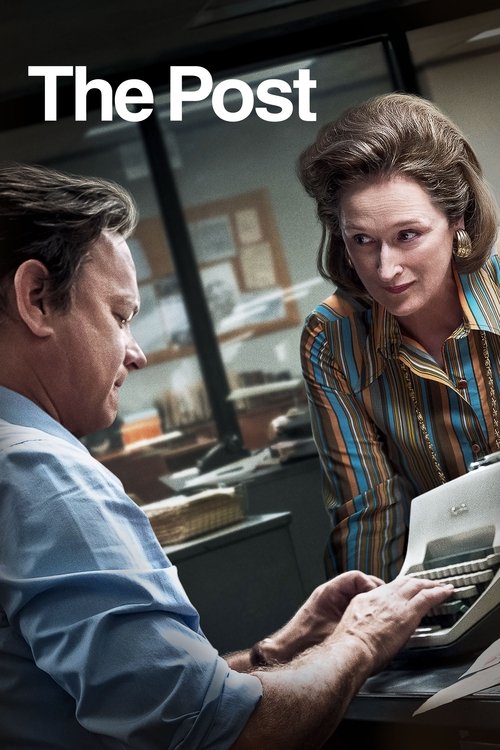
The Post2017
Streep and Hanks fight a different battle—publishing the Pentagon Papers—but it's the same question of what an institution owes the truth when the truth is dangerous.
But It's about the press, not the courtroom, so the confrontation is with editors and lawyers rather than judges and generals.
The Conspirator2011
A less famous history lesson: the 1865 trial of a woman accused in Lincoln's assassination, and a young lawyer forced to defend her against a public baying for blood.
But Robert Redford's direction is stiffer and more conventional, without the verve Argentina, 1985 brings to similar material.

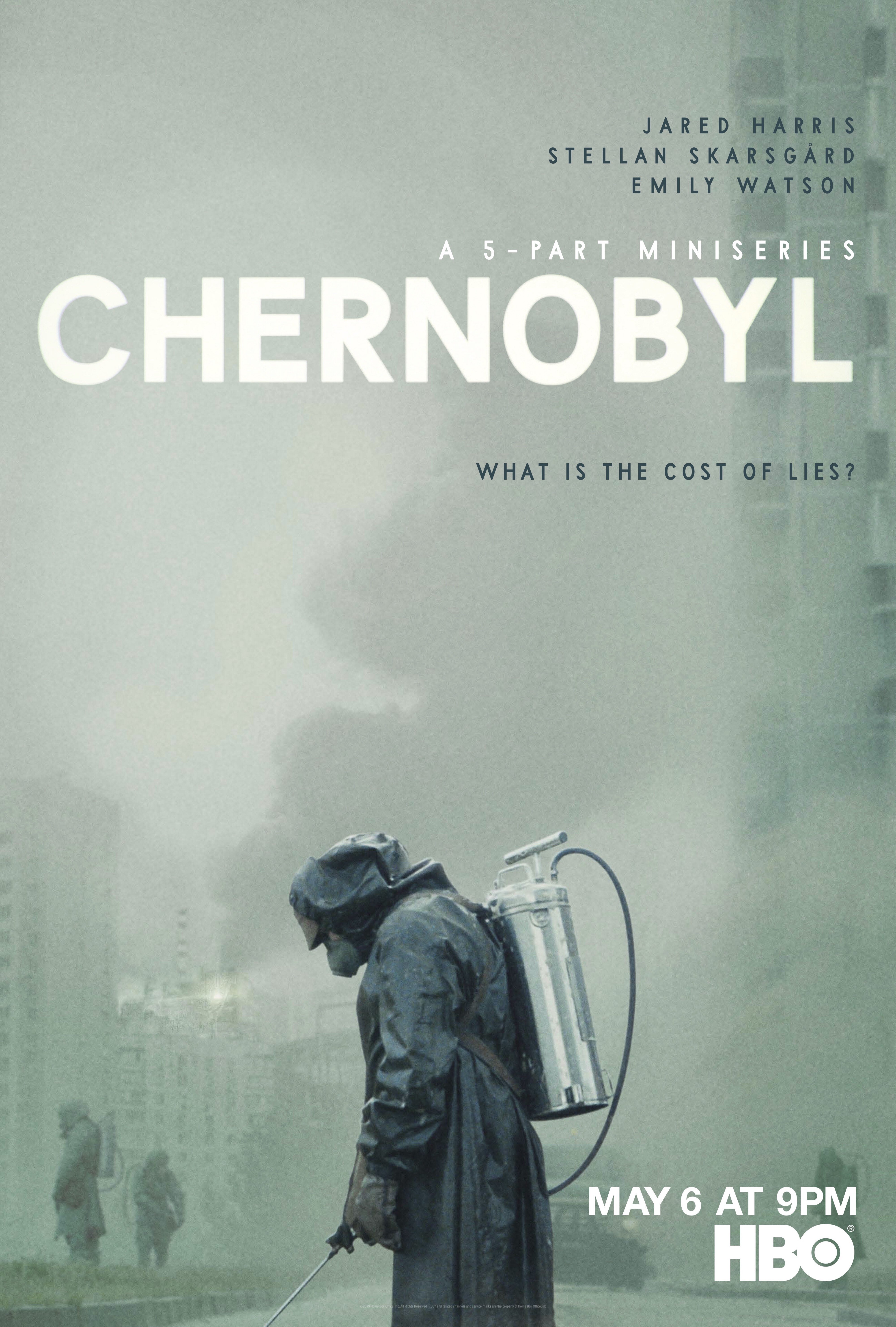
Chernobyl2019
Same engine as Argentina, 1985: unglamorous professionals assembling an unanswerable case against a lying institution, at real personal risk, dressed in totally different clothes.
A disaster-thriller in five hours that turns out to be a courtroom drama in disguise—ordinary scientists and bureaucrats gathering evidence a terrified state desperately wants suppressed.
But It's a nuclear catastrophe rather than a genocide trial, and the horror is more scientific than human—a genuinely different kind of dread.
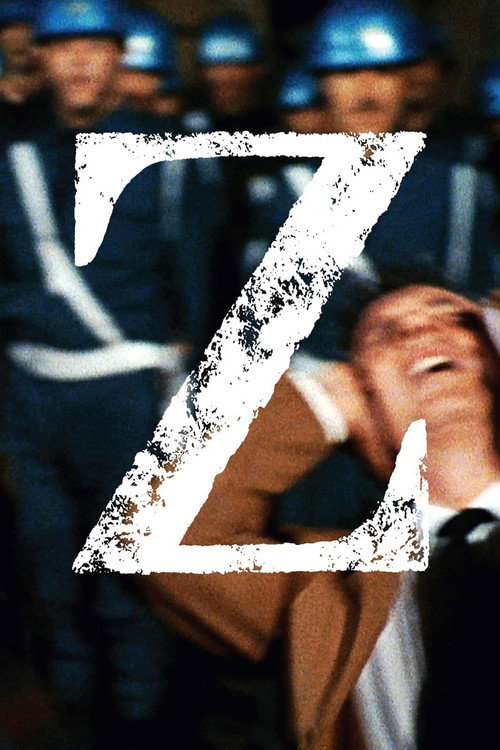
Z1969
It's the film's grandparent: the same fear of men in uniform, the same insistence that the paperwork of justice can be a weapon, made years before Argentina's own dictatorship even fell.
Costa-Gavras's furious, Oscar-winning political thriller—about the investigation into a real assassination under a right-wing junta—basically invented the genre Argentina, 1985 belongs to.
But The style is jagged, jump-cut sixties political cinema, closer to a thriller than a considered legal drama, and it demands some patience with its era.
People
Cast
 Ricardo DarínJulio Strassera
 Peter LanzaniLuis Moreno Ocampo
 Alejandra FlechnerSilvia
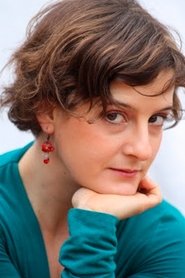 Paula RansenbergSusana
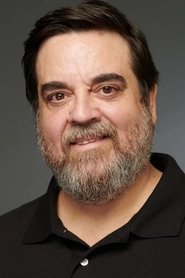
 Antonia BengoecheaMaria Eugenia
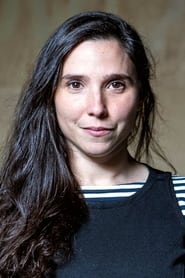 Laura ParedesAdriana Calvo de Laborde
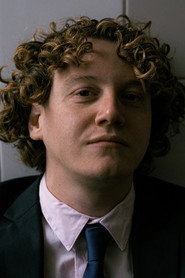 Brian SichelFederico Corrales
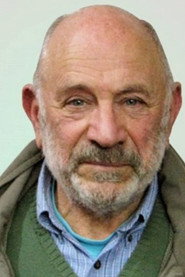 Norman BriskiRuso
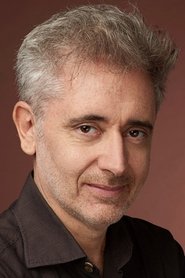 Héctor DíazBasile
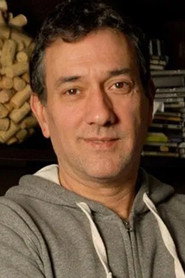
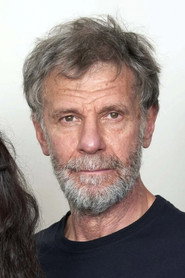
Directing
- Fernando AlcaldeAssistant Director
- Santiago MitreDirector
- Cintia MartínezFirst Assistant Director
- Katia SzechtmanFirst Assistant Director
- Gwenn JoyauxScript Supervisor
- Ana Diaz VelezSecond Assistant Director
- Florencia OrceSecond Assistant Director
- Andrés Pepe EstradaSecond Unit Director
- Micaela SaieghSecond Unit Director
Writing
- Ignacio SeligraDialogue
- Mariano LlinásWriter
- Santiago MitreWriter
Production
- Caroline ThorndykeAccountant
- Carolina González DiezAdministration
- Florencia GorbaczAdministration
- Desireé LehnerAssistant Location Manager
- Pablo BrowneAssistant Location Manager
- Mariana MitreCasting
- Katia SzechtmanCasting Assistant
- Delfina MontecchiaDevelopment Manager
- Tom RichardsDevelopment Manager
- Cindy TepermanExecutive Producer
- Phin GlynnExecutive Producer
- Stephanie BeauchefExecutive Producer
- Josh LowdenGeneral Manager
- Jon NullHead of Production
- Robert BernacchiHead of Production
- Félix GretherLocation Manager
- Marcelo MartinezLocation Manager
- Julia Alexandra LarsonPost Production Coordinator
- Agustina Llambi CampbellProducer
- Ana TalebProducer
- Axel KuschevatzkyProducer
- Chino DarínProducer
- Federico PosternakProducer
- Ricardo DarínProducer
- Santiago CarabanteProducer
- Santiago MitreProducer
- Victoria AlonsoProducer
- Felipe MedinaProduction Assistant
- Martín NegriProduction Assistant
- Nicolas MollisProduction Assistant
- Pablo CantosProduction Assistant
- Lucila de ArizmendiProduction Coordinator
- Verónica Torres OroscoProduction Coordinator
- Axel LinariProduction Manager
- Barbara VolpattiProduction Trainee
- Guido BatageljProduction Trainee
- Iván JuliáProduction Trainee
- Manuel BoyeProduction Trainee
- Maria KantorProduction Trainee
- Marianela MennelliProduction Trainee
- Federico SciglianoResearcher
- Martín RodríguezResearcher
- Laura SegattaUnit Production Manager