
Film
The Battle of Chernobyl
- Thriller
- Very dark
A methodical, gripping account of the 500,000 Soviet workers deployed to contain the Chernobyl disaster after the 1986 reactor explosion. Combining archival footage, firsthand testimony, and Gorbachev himself, it traces the desperate engineering and political decisions made in real time. Essential viewing for anyone interested in how societies respond to catastrophe.
Should you watch it?
Watch it if you want the human and bureaucratic machinery of a disaster told through the people who actually ran the response, and you don't mind archive footage that looks its age.
Skip it if you need a slick, fast-cut account with dramatized reconstructions, since this leans on talking heads and an unhurried retelling of logistics, meetings and engineering.
What it asks of you: Ninety-four minutes of attention to committees, decisions and interviews rather than spectacle, with a measured narrator guiding you from one step of the response to the next.
Not sure? Find tonight's pick in a minute.
If you liked this
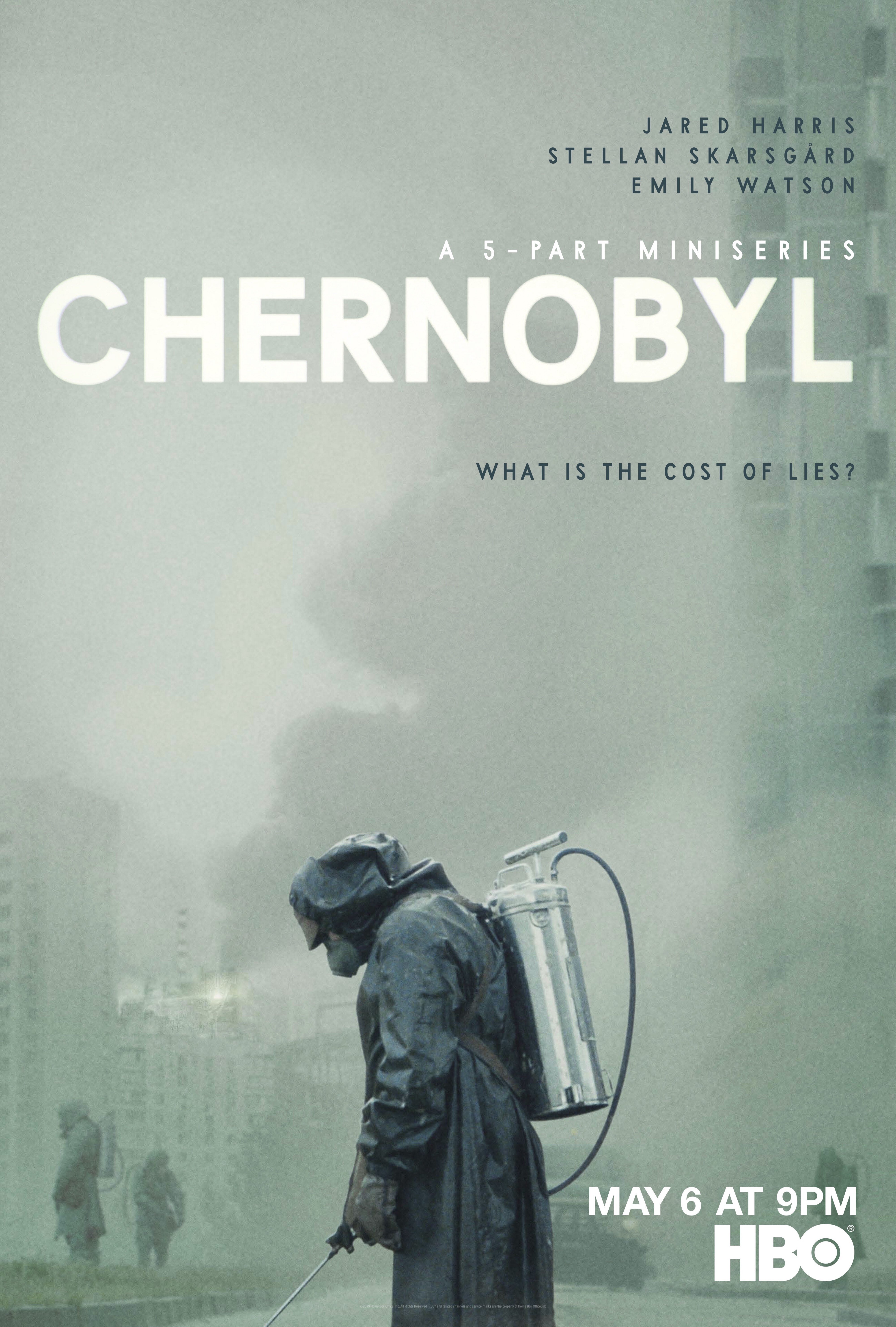
Chernobyl2019
HBO's five-part dramatization brings the same events to vivid, harrowing life with meticulous attention to detail. If you want the human story behind the numbers, this is essential companion viewing.
But It's heavy, relentlessly bleak, and designed to horrify rather than inform. Some scenes are deliberately difficult to watch.
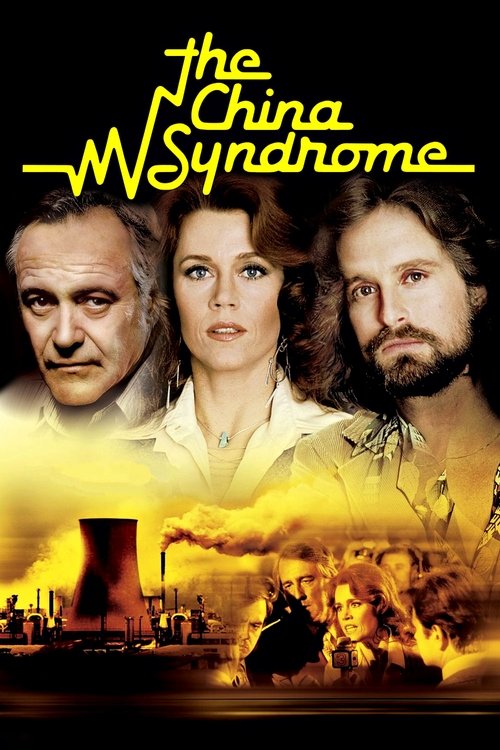
The China Syndrome1979
A prescient thriller about nuclear meltdown released just weeks before Three Mile Island. It captures the same tension between institutional denial and physical reality that Chernobyl explores, but through drama.
But The politics are visible and deliberate; it's not trying to hide its anti-nuclear message. Feels dated in places.
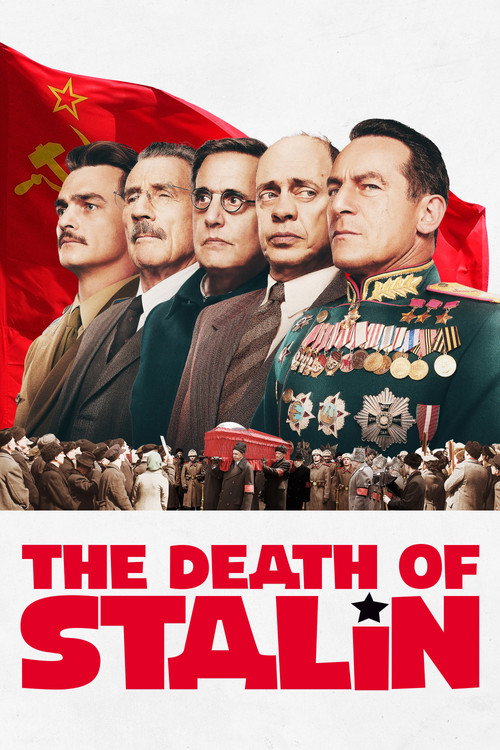
The Death of Stalin2017
A dark comedy about Soviet bureaucracy at a moment of supreme crisis—similar stakes, similar machinery of power, but told with black humour. Armando Iannucci directs with brilliant control of tone.
But The absurdist tone will feel jarring if you're looking for another solemn account. Political in-jokes require some USSR history to land.
Not sure tonight? Get a pick in a minute, starting from The Battle of Chernobyl
The wildcard
Something you would not have found on your own.
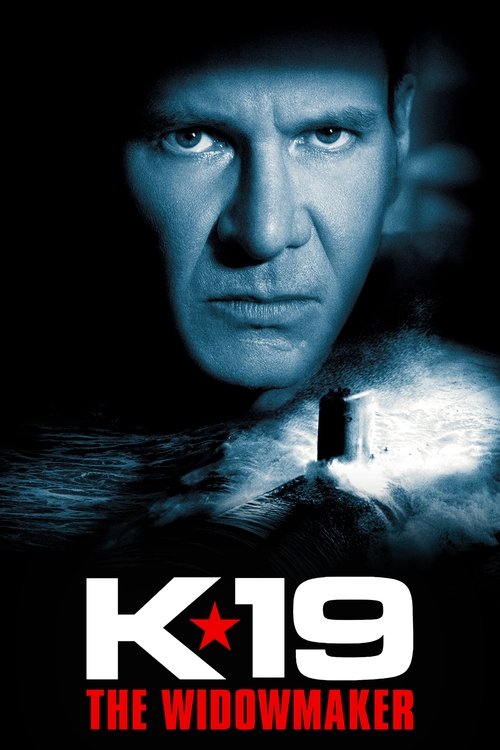
K-19: The Widowmaker2002
Both are about Soviet institutions racing against nuclear physics, with individual courage and engineering ingenuity as the only defense.
Harrison Ford commands a Soviet nuclear submarine whose reactor fails. It's a tense procedural about containment and sacrifice—same structure as Chernobyl, but confined to a single vessel and compacted into two hours. Submarine claustrophobia becomes metaphor for Soviet pressure.
But The geopolitical elements are oversimplified; the submarine-thriller format means it prioritizes spectacle over the historical complexity you get in the documentary.
More like this (5)
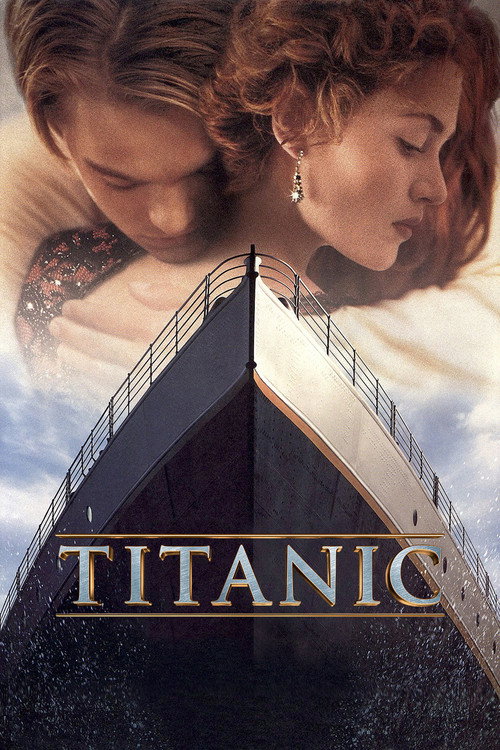
Titanic1997
Hear us out: both are about disaster prevention systems failing catastrophically, followed by desperate improvisation. Cameron's film uses the wreck as a framework for exploring bureaucracy, pride, and the cost of failure.
But It's a three-hour romance that uses disaster as backdrop. The emotional centre won't be what drew you to Chernobyl.
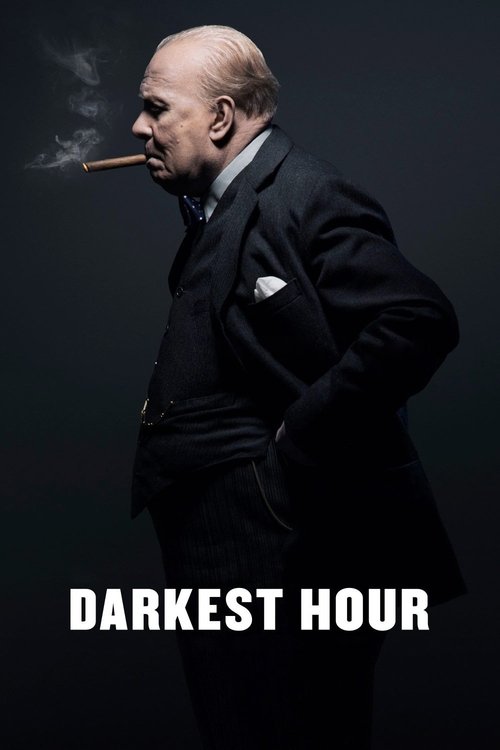
Darkest Hour2017
Churchill facing existential threat to the nation. Like Chernobyl, it's about leaders making impossible decisions under pressure, with real stakes and incomplete information.
But It's more interested in personal drama than geopolitical consequence. The stakes feel smaller and more theatrical.
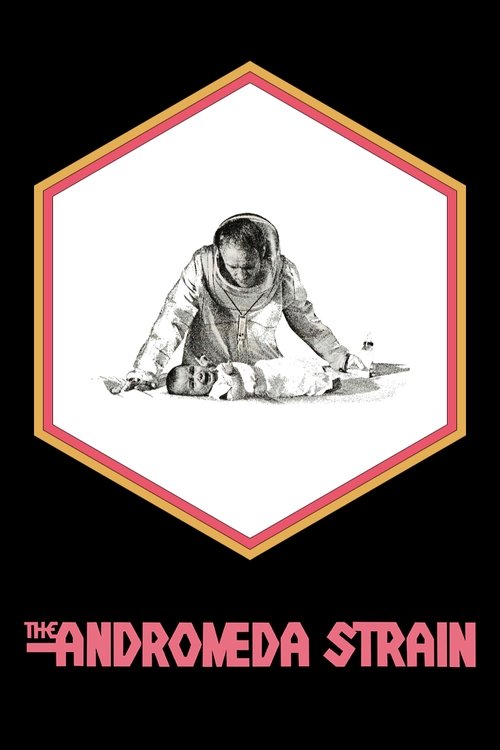
The Andromeda Strain1971
Spielberg's procedural sci-fi about scientists racing to contain an organism that could destroy humanity. Same DNA as Chernobyl—expertise, protocol, the margin between success and annihilation.
But It's speculative fiction, not documentary; the tone is clinical to the point of coldness.
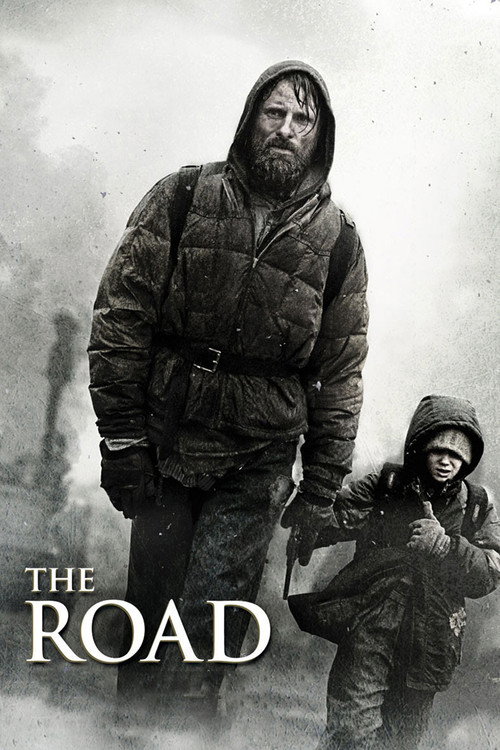
The Road2009
Both ask what happens to humanity when the environment becomes lethal. Chernobyl is the historical precedent; The Road is its emotional and imaginative aftermath.
McCarthy's post-apocalyptic novel adapted into a film about survival in a poisoned world. It captures the existential horror that Chernobyl created—the invisible contamination, the dead landscapes, the question of whether life is worth living in a ruined world.
But It's bleaker and more philosophical than Chernobyl; it offers no heroes or victories, only endurance. The pacing is glacial and deliberately difficult.
Stalker1979
Stalker imagined the Zone as a psychological and spiritual space. Chernobyl made it real. The film becomes a premonition watched in retrospect.
Tarkovsky's science-fiction masterpiece about a guide leading two men through a mysterious sealed zone to reach a wish-granting room. Made seven years before Chernobyl, it prophesies the Zone itself—an excluded area, dangerous, forbidden, haunting the Soviet imagination. Slow, hypnotic, unforgettable.
But It's abstract and philosophical, not narrative-driven; 163 minutes of deliberately slow cinema. No plot to speak of, only mood and metaphor.

People
Cast
- Tim BirkettNarrator
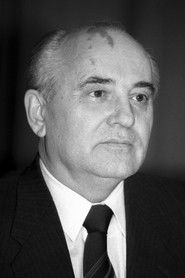
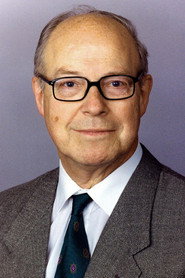 Hans BlixSelf
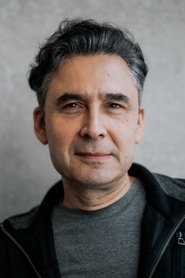 Oleg MirochnikovSelf - Translator
Directing
- Thomas JohnsonDirector
- Tom JenningsDirector
Writing
- Olivier JulienWriter
Production
- Guillaume ValabrègueCo-Producer
- Hind SaïhProducer