Television series
Horizon
- Mystery
- Dip in and out
Horizon is BBC's flagship science documentary series that's been running since 1964. Each standalone episode investigates a scientific puzzle, discovery, or phenomenon with clarity and wonder. It's for anyone curious about how the world works—you need no background knowledge, just willingness to be amazed. The best episodes feel like being let in on secrets.
If you liked this
Cosmos1980
Neil deGrasse Tyson guides you through 13.8 billion years of cosmic history with stunning visuals and genuine awe. Each episode opens a door to a different corner of the universe. It captures Horizon's spirit of making the vast understandable.
But Tyson's presenting style is very specific and not for everyone; some find him a touch too casual for serious subjects.
The Elegant Universe2003
Brian Greene makes string theory—one of physics' thorniest ideas—accessible and magnetic across three hours. It's exactly what Horizon does best: take something impossible-seeming and show why people have devoted their lives to it.
But Even with Greene's clarity, the concepts are genuinely complex; you'll need to concentrate and may want to rewatch.
Planet Earth II2016
Four-part dive into how our world works, from extreme environments to the creatures that thrive there. Combines Attenborough's narration with the same investigative wonder that drives Horizon, but focused entirely on terrestrial science.
But If you've seen the original 2006 series, this feels familiar; the new footage doesn't always justify watching again.
Not sure tonight? Get a pick in a minute, starting from Horizon
The wildcard
Something you would not have found on your own.
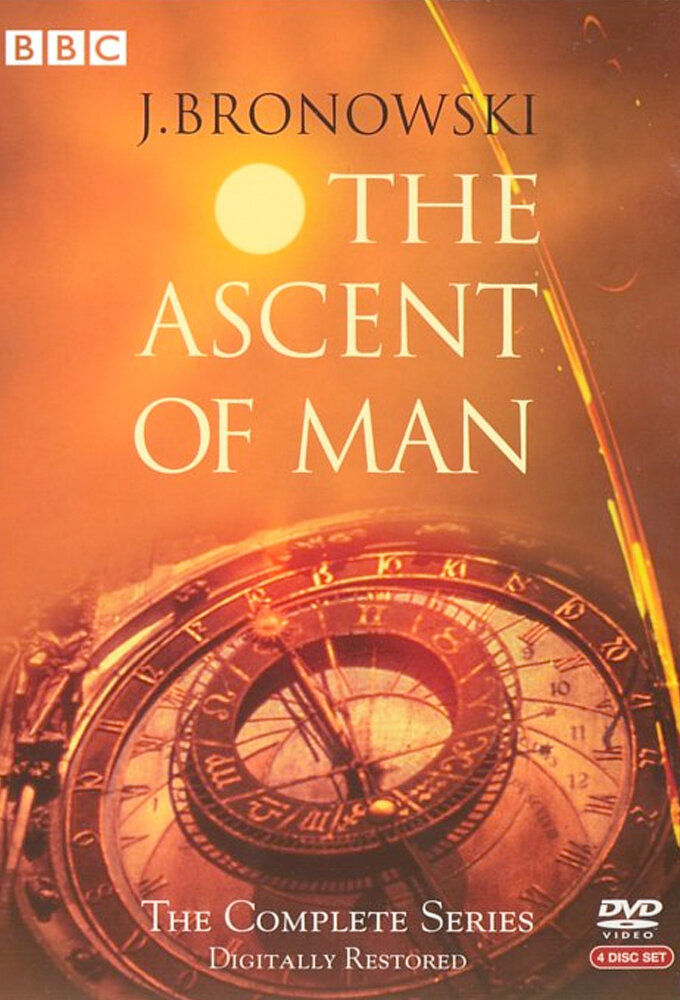
The Ascent of Man1973
The ancestor. Bronowski established the template that Horizon perfected: one brilliant mind, one big question, the space to explore it properly.
Jacob Bronowski's 13-part series on the history of human discovery and culture. Made a generation before modern Horizon, but it *invented* this form—the thoughtful, ambitious science documentary aimed at general audiences. A masterpiece that will make you understand why Horizon exists.
But Broadcast in 1973 and it shows; the production values are period and some arguments feel dated by modern understanding.
More like this (7)
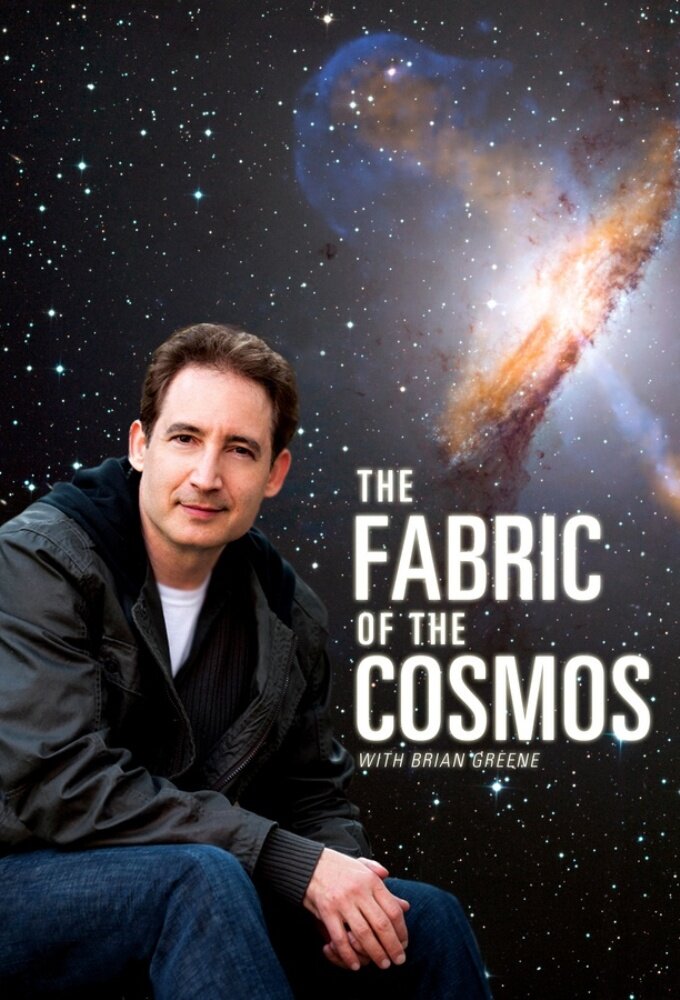
The Fabric of the Cosmos2011
Greene returns with four chapters on space, time, quantum mechanics and the universe's ultimate nature. Matches Horizon's mix of accessibility and intellectual ambition—makes you feel clever for understanding it.
But Some episodes lean heavily on thought experiments that don't quite land; pacing occasionally drags.
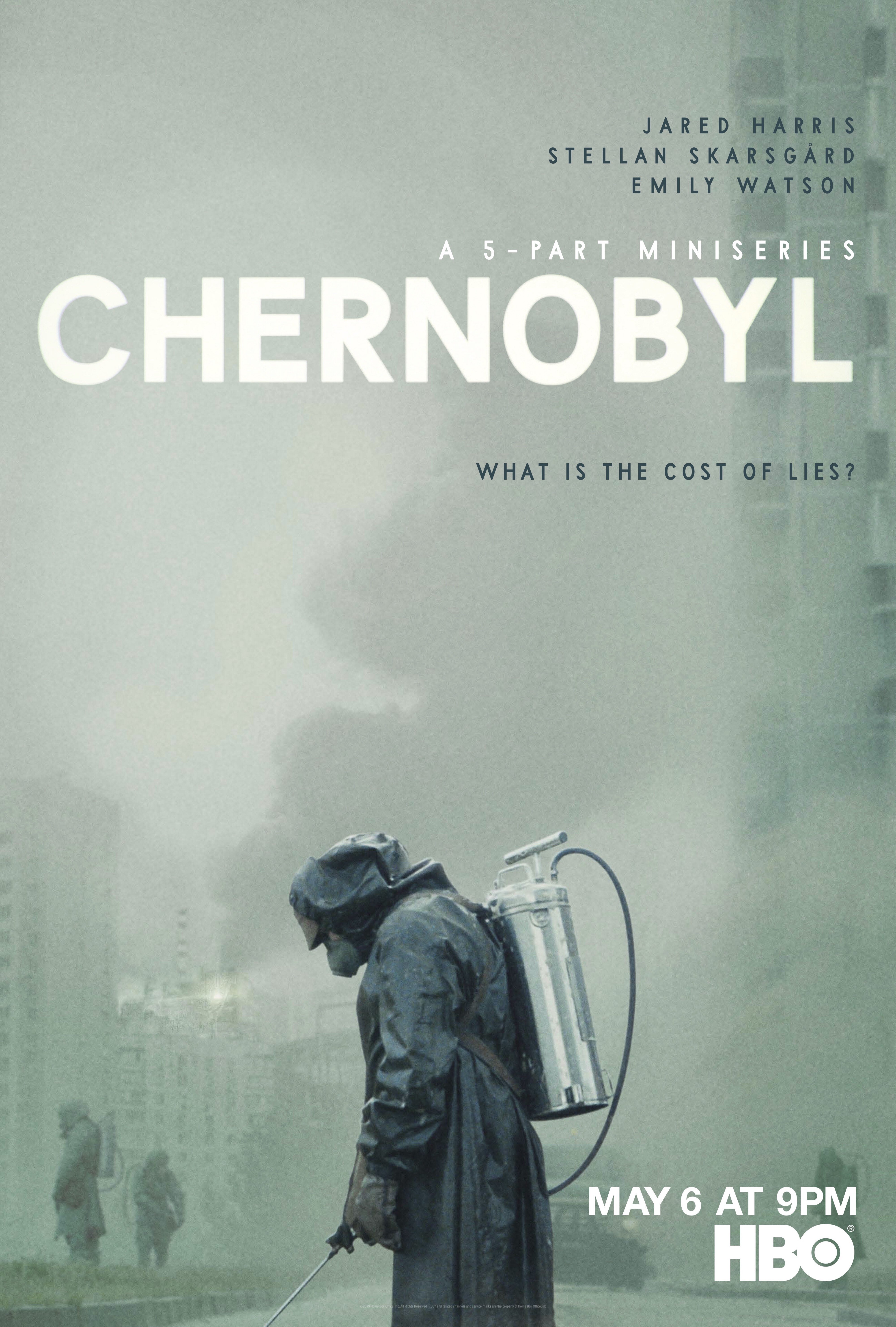
Chernobyl2019
Documentary that investigates the nuclear disaster with newly declassified Soviet footage and fresh testimony. It has Horizon's investigative DNA: a mystery, new evidence, and the slow unfurling of what really happened.
But The subject matter is genuinely distressing; this isn't lightweight viewing and some scenes are uncomfortable.
My Brother, My Brother and Me2017
Ava DuVernay documents three brothers wrongfully convicted and exonerated, examining how science and evidence got tangled in the justice system. Shares Horizon's focus on uncovering hidden truths through investigation.
But The emotional weight is heavy; it's about real suffering and systemic failure, not the abstract puzzles Horizon usually favors.

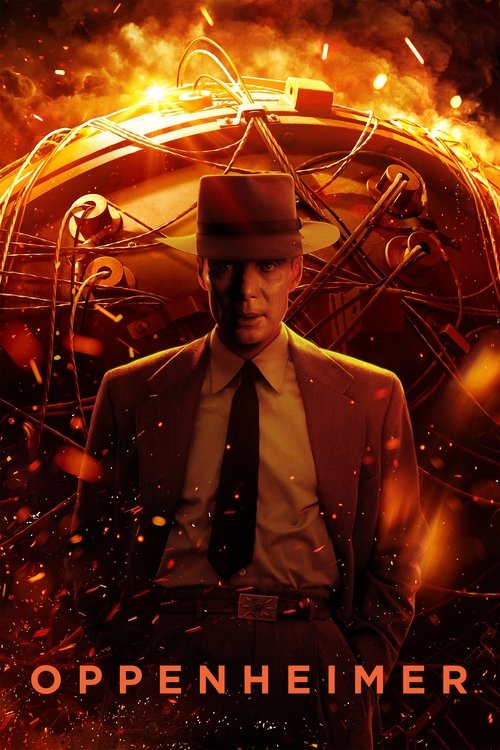
Oppenheimer2023
Three hours on the physicist who built the bomb, examining the collision between scientific ambition and moral consequence. It's Horizon's sensibility stretched to feature length—how does genius arise, and at what cost?
But Dense, talky, and assumes you know some history; the non-linear editing occasionally obscures more than it clarifies.
Secrets of the Museum2020
Six episodes investigating how museums preserve and understand their collections. Quieter and more focused than Horizon, but the same patient curiosity about how we know what we know.
But Slower paced and lower-stakes than Horizon's best work; appeals more to museum enthusiasts than general science fans.

The Act of Killing2012
Both use the documentary form to investigate something hidden—but where Horizon reveals the hidden workings of nature, this reveals hidden conscience, or the lack of it.
Joshua Oppenheimer's extraordinary documentary asks Indonesian death-squad leaders to stage recreations of their murders. It's an investigation into truth, memory and denial that unfolds through an almost unbearable formal experiment. Horizon-like in its refusal to look away.
But Extremely disturbing; the re-enactments are nightmarish and the film doesn't offer catharsis or closure. One of the most difficult watches in documentary.

Knives Out2019
The architecture of both is identical: a mystery, an investigation, and the deep satisfaction of learning how something intricate actually functions. The subject is crime instead of physics, but the methodology is pure Horizon.
A murder mystery built like a Horizon episode: layer by layer, each revelation reframing what you thought you knew. Rian Johnson structures the whole film around investigation and the pleasure of discovering how something actually works. It's science fiction for detectives.
But It's deliberately a puzzle-box; if you need emotional stakes or character depth over mechanism, this will feel cold.