
Television series
Painkiller
Painkiller dramatizes how Purdue Pharma turned OxyContin into a national catastrophe, threading Richard Sackler's boardroom denial through the ground-level wreckage it caused. Uzo Aduba anchors it as a composite investigator piecing the cover-up together. It's angry, propulsive, occasionally blunt with its metaphors, and unafraid to name names. Watch it for the fury, not the subtlety — this is advocacy filmmaking wearing prestige-TV clothes, and it knows it.
If you liked this
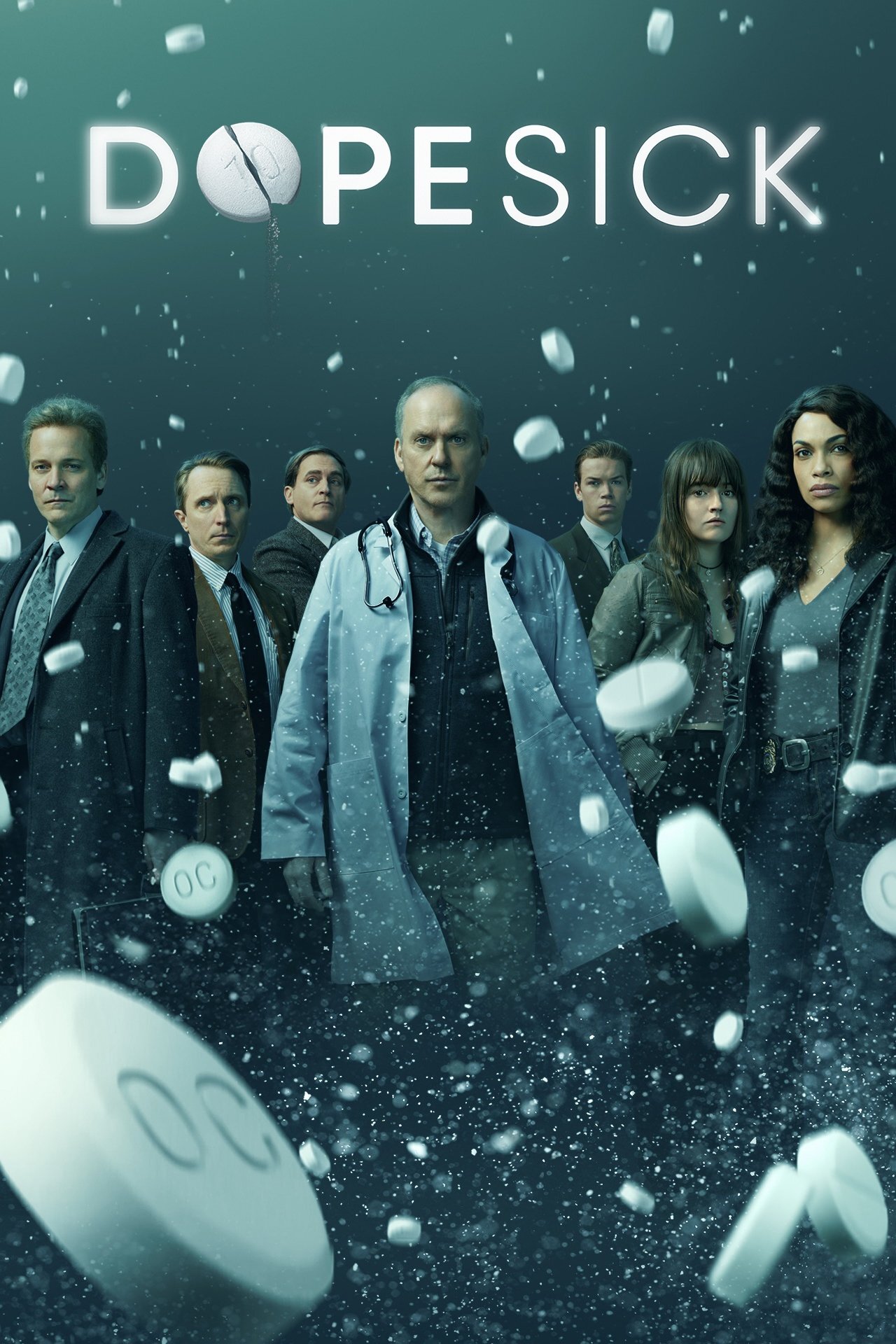
Dopesick2021
Covers the same true story from a different angle — the doctors, patients, and DEA agents chasing Purdue years earlier — with Michael Keaton devastating as a small-town doctor swallowed by his own prescriptions.
But It's essentially the same ground you just walked, and the grief hits just as hard the second time.
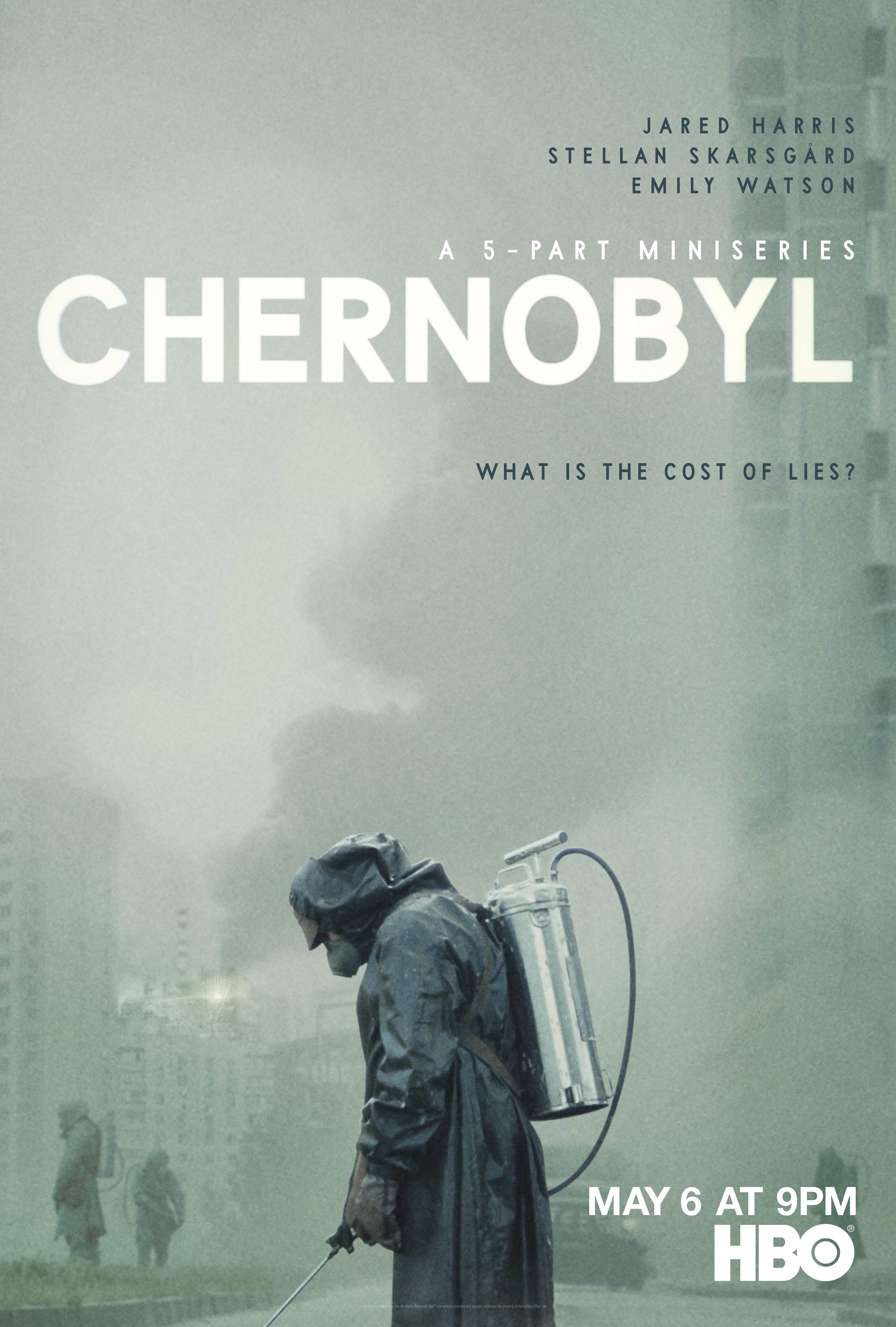
Chernobyl2019
Another slow-motion institutional catastrophe where the people at the top knew, lied, and let the damage compound — bureaucratic denial rendered as terrifying as the disaster itself.
But It's unrelentingly bleak and technical, with barely a lighter moment to break the dread.
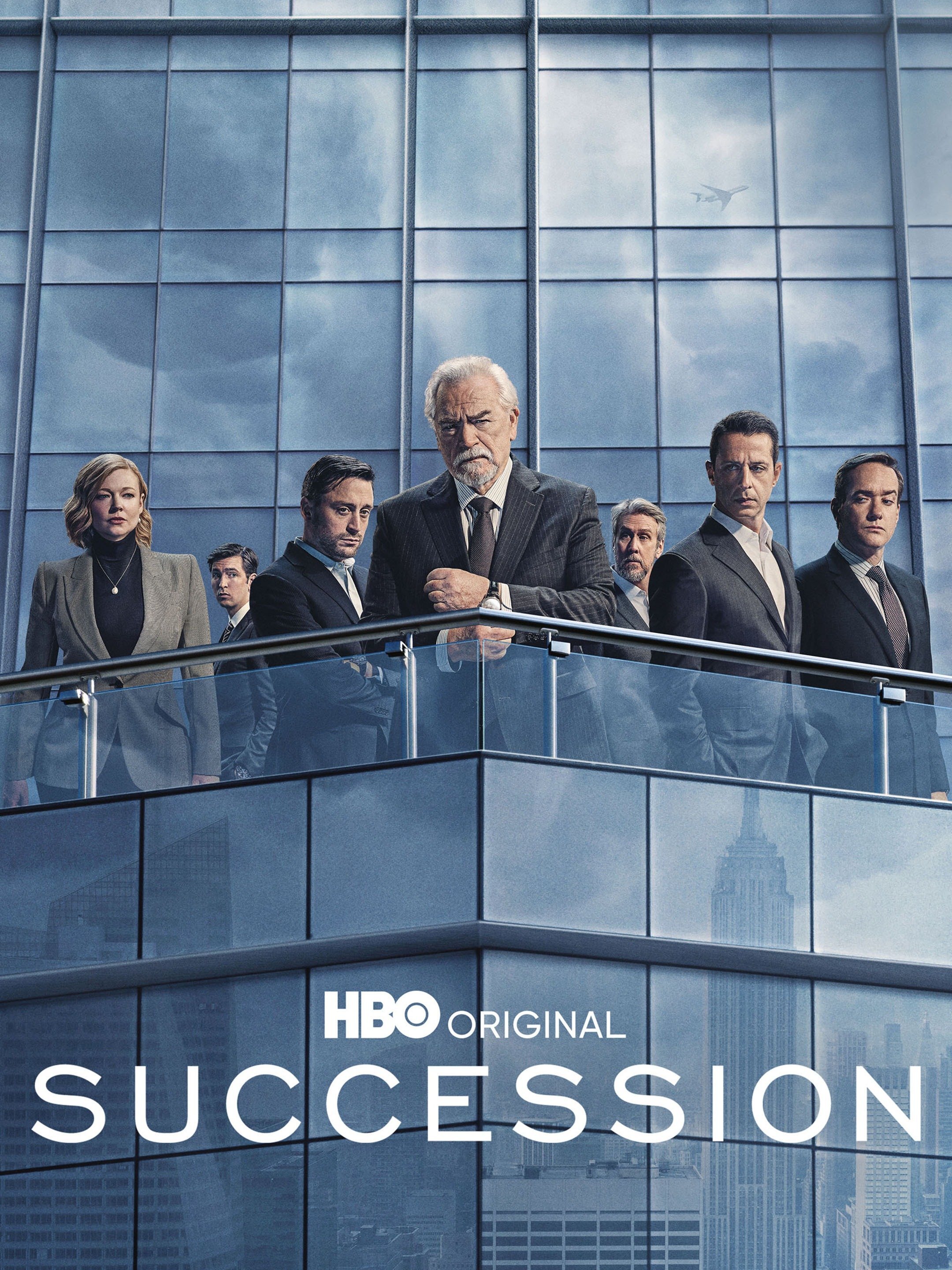
Succession2018
No opioids here, but the same portrait of a filthy-rich family insulated from consequence, squabbling over legacy while an empire built on other people's suffering hums along beneath them.
But It's satire first, tragedy second — if you want moral clarity rather than delicious ambiguity, this will frustrate you.
The wildcard
Something you would not have found on your own.
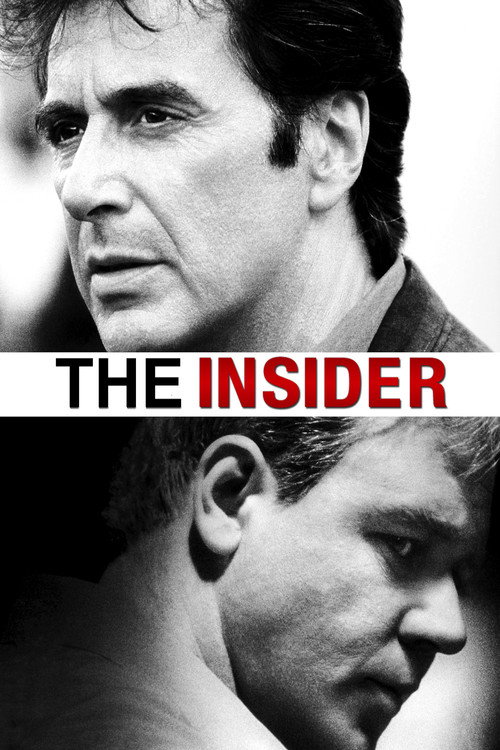
The Insider1999
Same mechanism, different chemical: a company manipulating an addictive substance's effects while insisting under oath it wasn't addictive, played out a generation before Purdue did it with OxyContin.
Al Pacino and Russell Crowe in Michael Mann's account of a tobacco executive blowing the whistle on nicotine manipulation — proof the corporate denial playbook Painkiller exposes was already decades old.
But It's a slower, more procedural 90s thriller — less outrage, more tension, and nearly three hours long.
More like this (8)
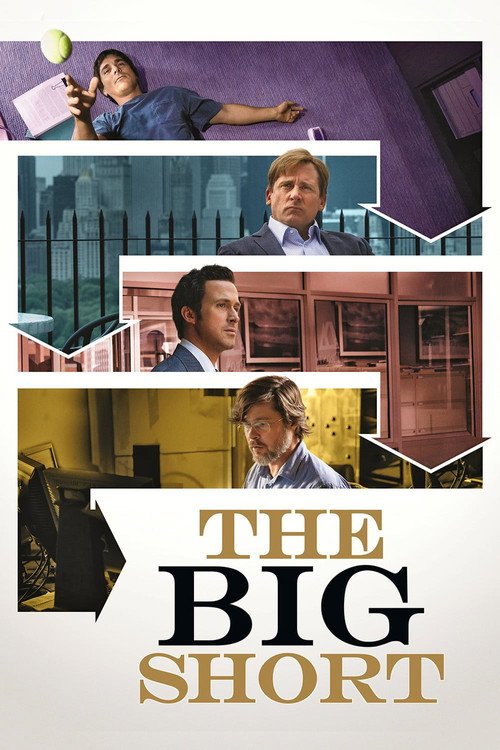
The Big Short2015
Adam McKay's gleeful, furious dissection of the 2008 crash uses the same trick Painkiller does — turning incomprehensible institutional fraud into character-driven, blackly comic storytelling you can actually follow.
But The jokes and fourth-wall winks can feel glib set against a subject this devastating.
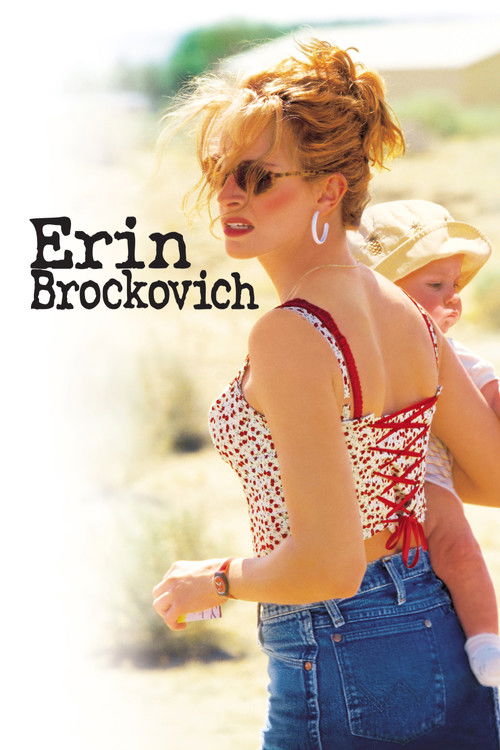
Erin Brockovich2000
A lone woman with no legal training takes on a corporation poisoning a town's water supply, and wins — a satisfying true-story counterweight if Painkiller left you wanting a scrappy victory.
But It's warmer and more triumphant than anything opioid-related has yet produced; don't expect that tidy an ending here.
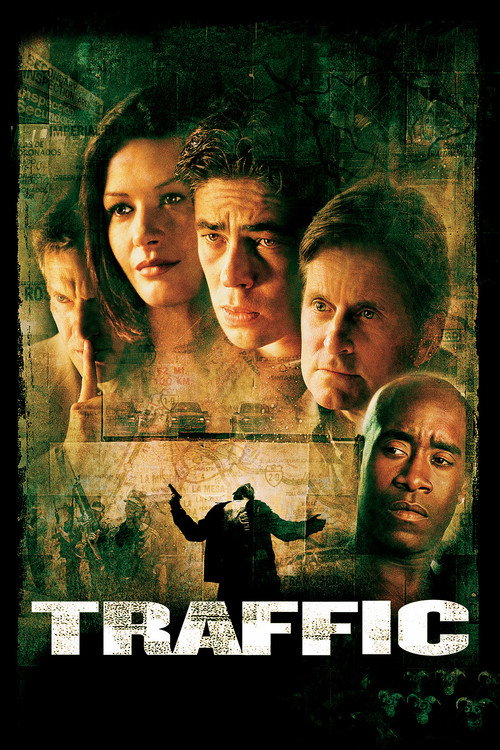
Traffic2000
Steven Soderbergh's multi-strand look at the drug trade, from cartel to suburban living room, shares Painkiller's structural trick of following supply chain and consequence at once.
But Its scope is the illegal drug trade, not the legal pharmaceutical industry, so the villain stays diffuse rather than boardroom-shaped.
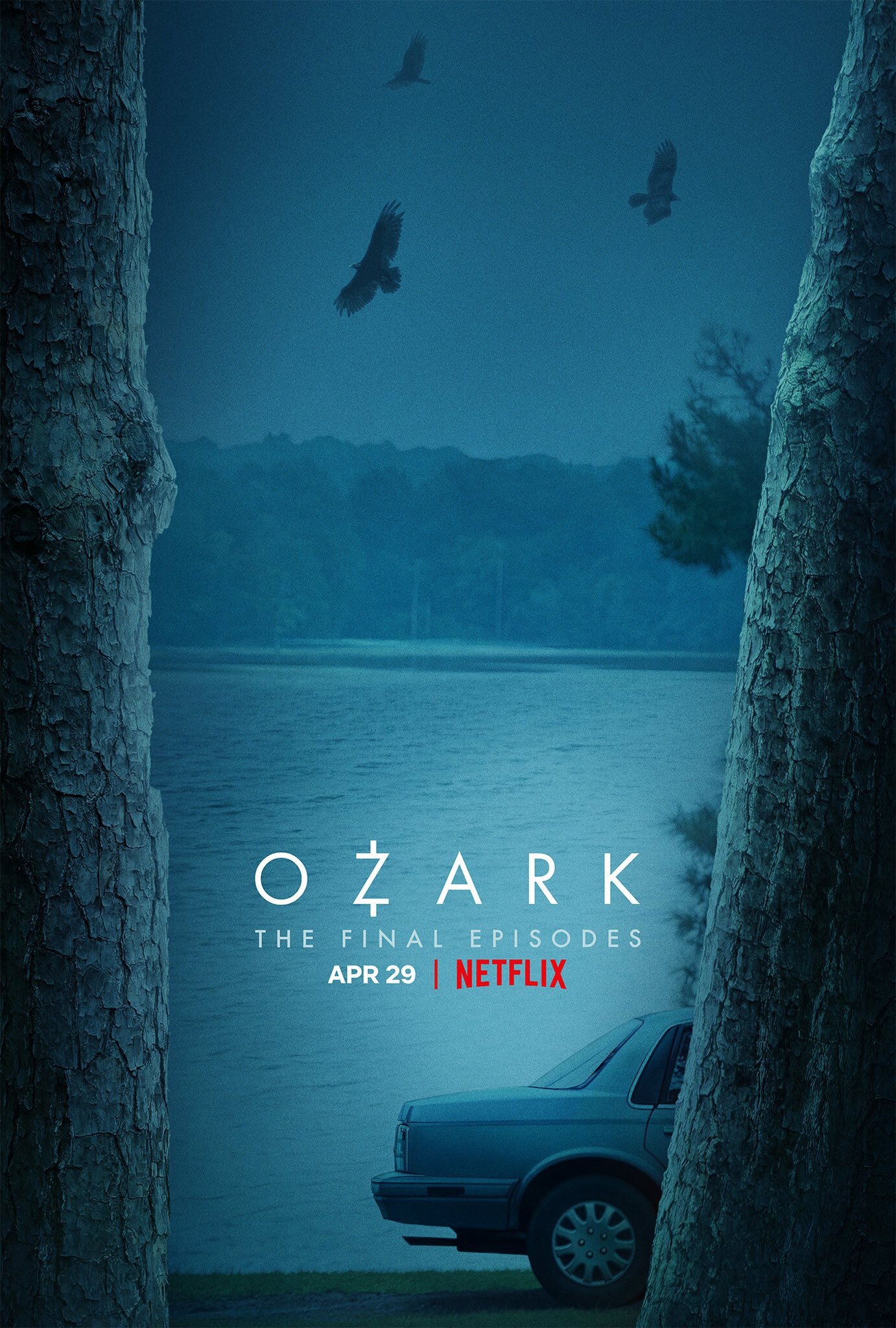
Ozark2017
If you want the money-laundering, complicity-spreads-like-rot machinery of Painkiller pushed into pulpier crime-thriller territory, this delivers — the moral compromise creeps in exactly the same way.
But It's fiction through and through, with none of the real-world outrage that makes Painkiller sting.
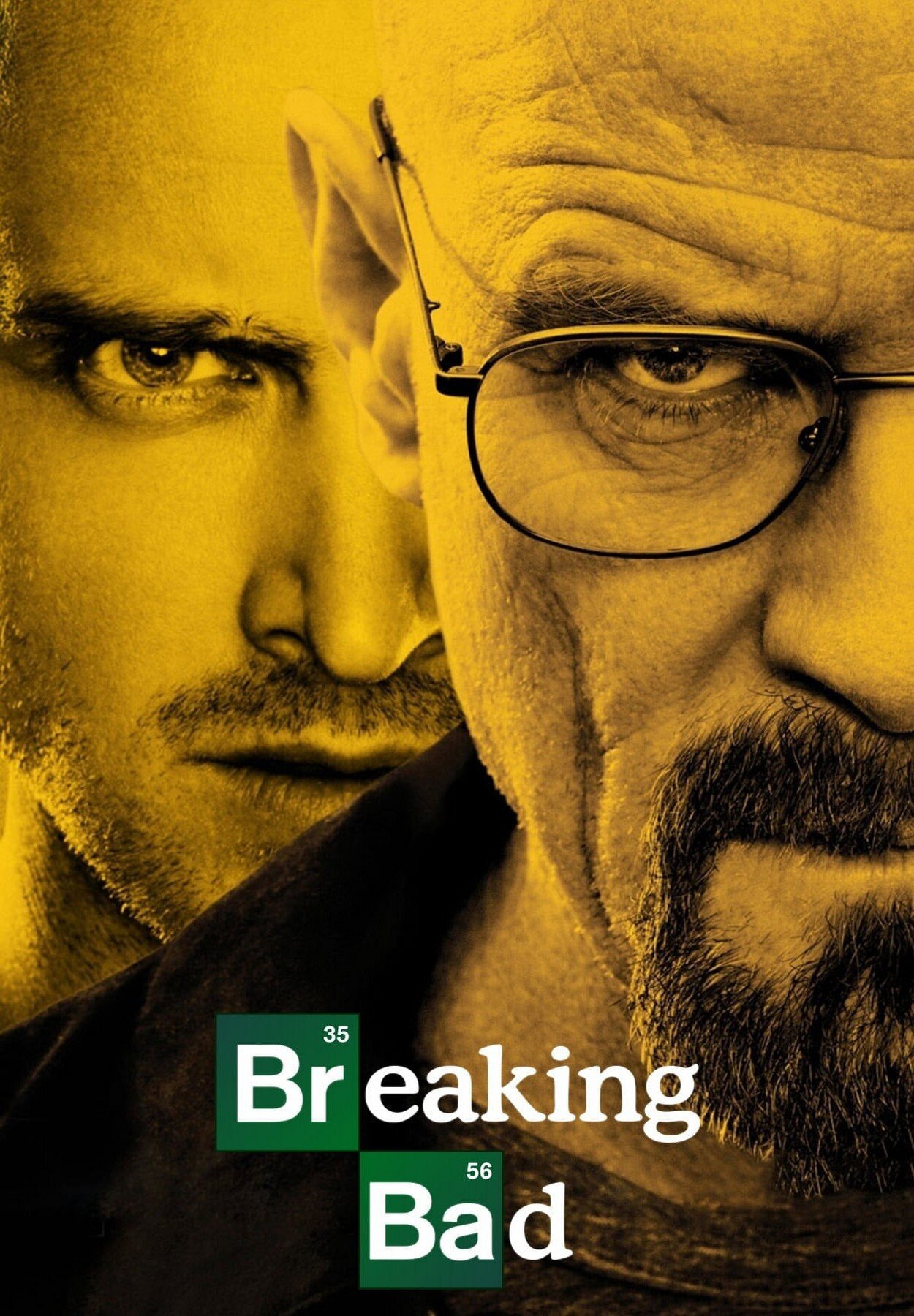
Breaking Bad2008
The flip side of the equation — watch a manufacturer of addictive product rationalize himself into a monster one justification at a time, the same arc Purdue's executives take here.
But It's a character study built for suspense and dark humor, not an indictment of a real-world system.
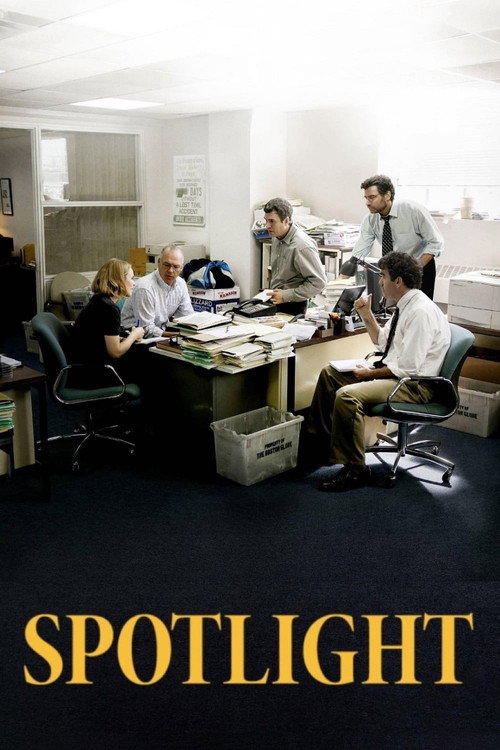
Spotlight2015
Journalists slowly uncovering an institution that knew and buried it — the same investigative-thriller pleasure Painkiller borrows for its Edie Flowers scenes, done with even more procedural rigor.
But It's quieter and more restrained than Painkiller's angrier, more dramatized approach.
The Crime of the Century2021no page yet
It's the nonfiction version of Painkiller's plot — same villains, same timeline, told through documents and testimony instead of scripted scenes.
Alex Gibney's two-part HBO documentary tells the exact same Purdue story with the real Sacklers, real DEA emails, and real families on camera — no dramatization, no composite characters, just the paper trail.
But Without actors and pacing tricks, it's slower and angrier in a flatter, more exhausting way.
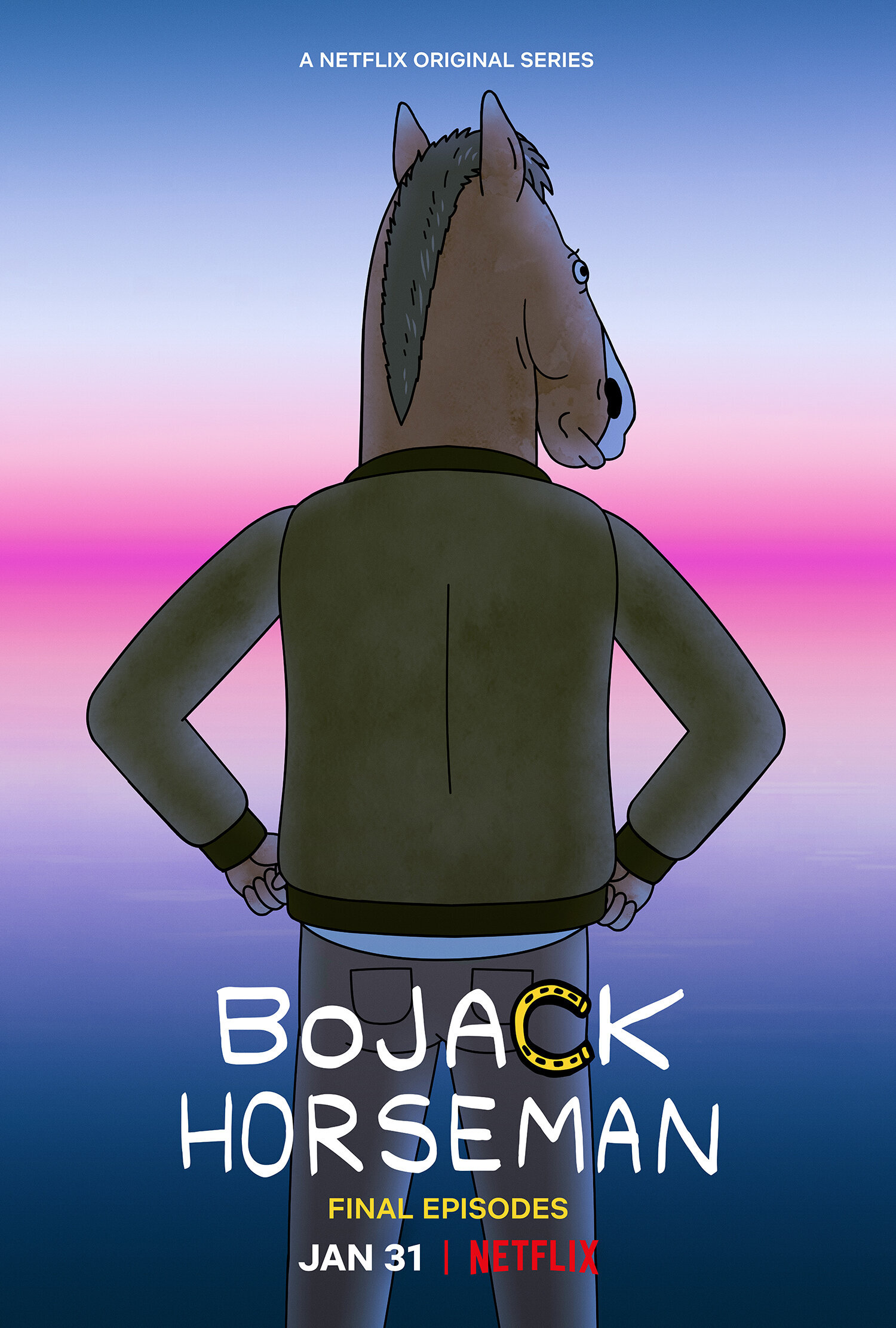
BoJack Horseman2014
Where Painkiller studies addiction from the boardroom, this studies it from inside the addict's own head — same subject, opposite register, drawn instead of filmed.
An animated tragicomedy about a washed-up sitcom horse whose addiction and self-destruction get handled with more devastating honesty than most prestige dramas manage, using cartoon absurdity to sneak past your defenses.
But It looks like a joke show for its first season, and the tonal whiplash between gags and genuine despair isn't for everyone.
People
Cast




Writing
- Micah Fitzerman-BlueCreator
- Noah HarpsterCreator
Production
- Austin TitleyAssociate Producer
- Boo KillebrewCo-Executive Producer
- Emmy GrinwisCo-Executive Producer
- Caroline CurrierCo-Producer
- Eric HeffronCo-Producer
- Karolina PeysakhovCo-Producer
- Barry MeierConsulting Producer
- Alex GibneyExecutive Producer
- Eric NewmanExecutive Producer
- Micah Fitzerman-BlueExecutive Producer
- Noah HarpsterExecutive Producer
- Patrick Radden KeefeExecutive Producer
- Peter BergExecutive Producer
- Chris HatcherProducer
- Rich PerelloProducer
- Stacey OffmanProducer
- Tim KingProducer
- Ariella BlejerSupervising Producer
- Dawn KamocheSupervising Producer