
Television series
Challenger: The Final Flight
- Period drama
- Very dark
A four-part Netflix documentary about the 1986 Challenger disaster that combines meticulous investigation with intimate human storytelling. It resurrects the seven crew members from obscurity, explores the engineering failures and institutional pressures that led to tragedy, and asks hard questions about ambition, oversight, and accountability. Essential viewing that treats a national catastrophe with the gravity it deserves.
Should you watch it?
Watch it if you want careful, patient history built from archive footage and firsthand interviews, the kind of documentary that treats engineering decisions and public moments with equal seriousness.
Skip it if you were hoping for a fast, dramatized thriller; this is mostly interview-driven and slow-paced, lingering on the people left behind.
What it asks of you: Four roughly forty-five-minute episodes, unhurried, with a steady rhythm of archive footage and quiet testimony; you'll need to sit with it rather than skim.
Not sure? Find tonight's pick in a minute.
If you liked this
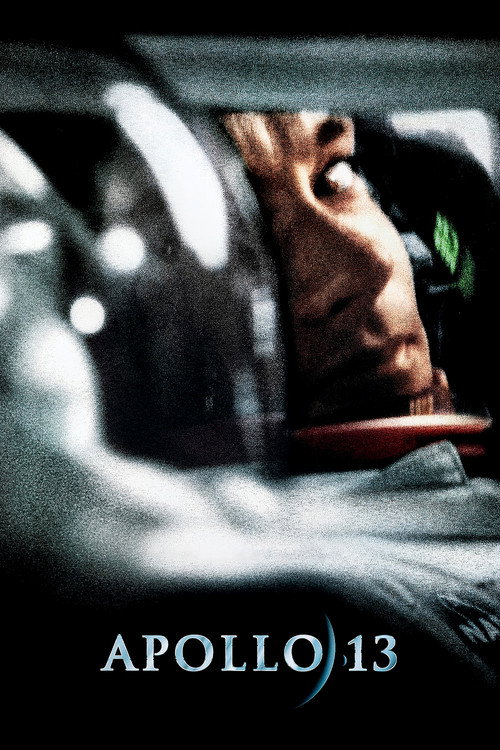
Apollo 131995
Hanks and Howard craft a nail-biting procedural about problem-solving under impossible pressure. The film's genius lies in making technical detail thrilling—you forget you're watching people sit in chairs.
But It's a triumph narrative, which can feel hollow if you're seeking moral complexity or acknowledgment of systemic failure.
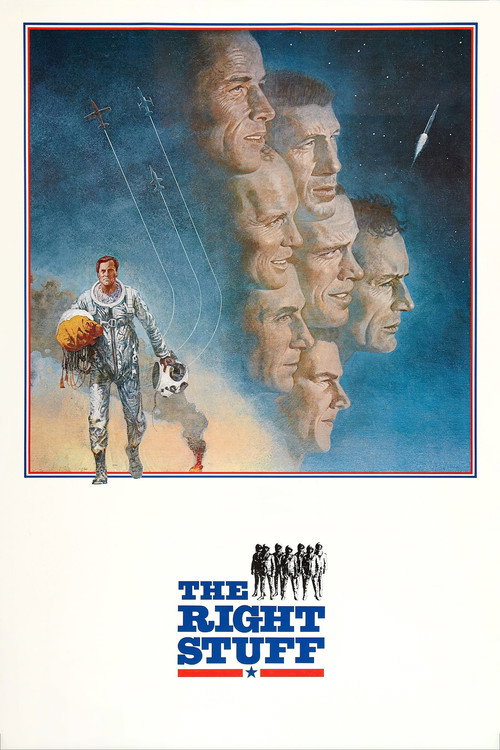
The Right Stuff1983
A sprawling, gorgeous account of early spaceflight that celebrates the astronauts' courage while never flinching from the program's chaos and ego. Kaufman's direction makes physics and politics equally cinematic.
But Nearly three hours, and the ensemble cast means some characters don't quite land. The 1980s filmmaking style won't appeal to everyone.
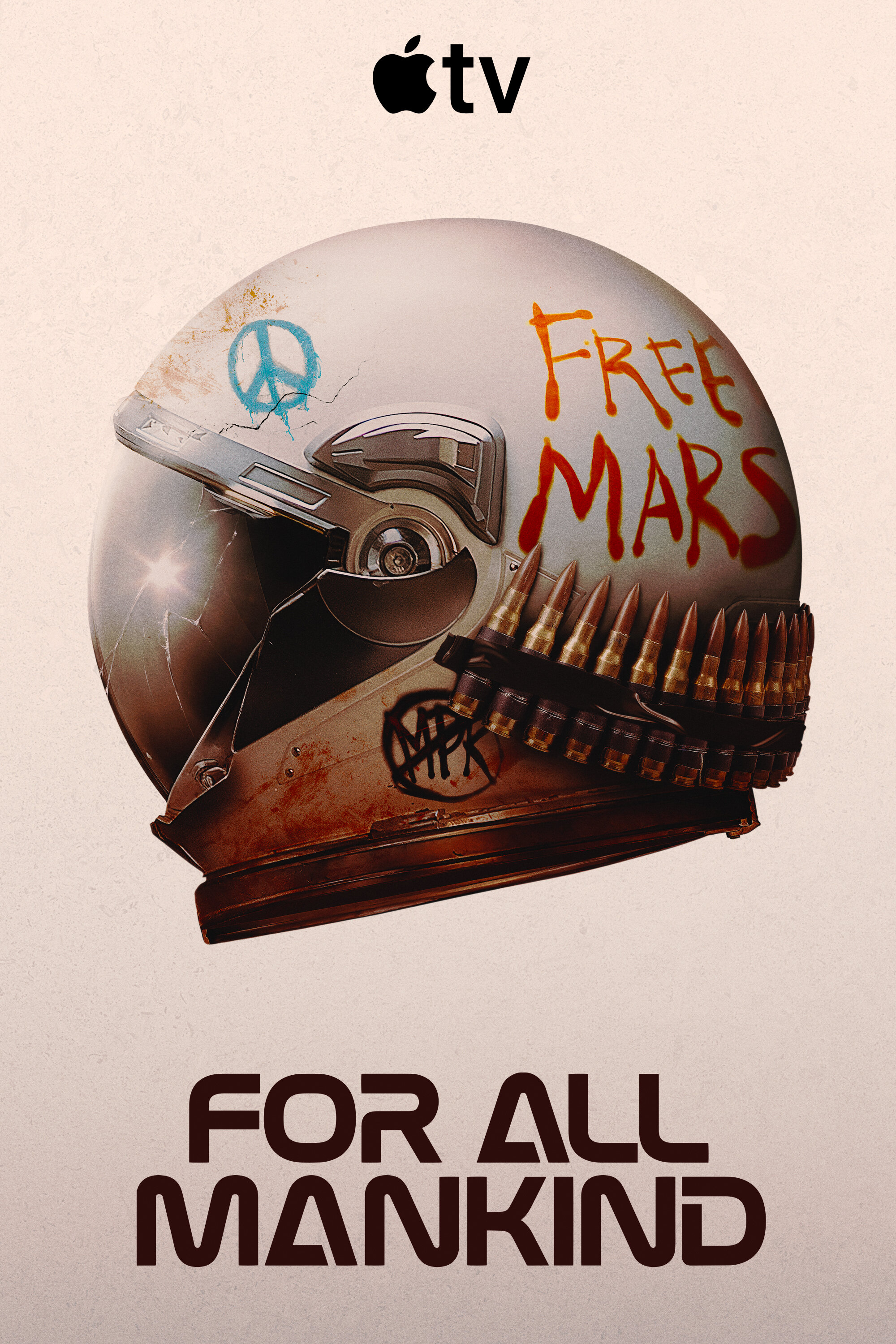
For All Mankind2019
An alternate-history series that treats the space program with reverence and complexity. It's gripping drama, but it also understands the engineering, the stakes, and what spaceflight actually costs.
But The alternate timeline conceit requires patience. If you want straightforward history, the fictional 'what-ifs' may frustrate rather than delight.
Not sure tonight? Get a pick in a minute, starting from Challenger: The Final Flight
The wildcard
Something you would not have found on your own.
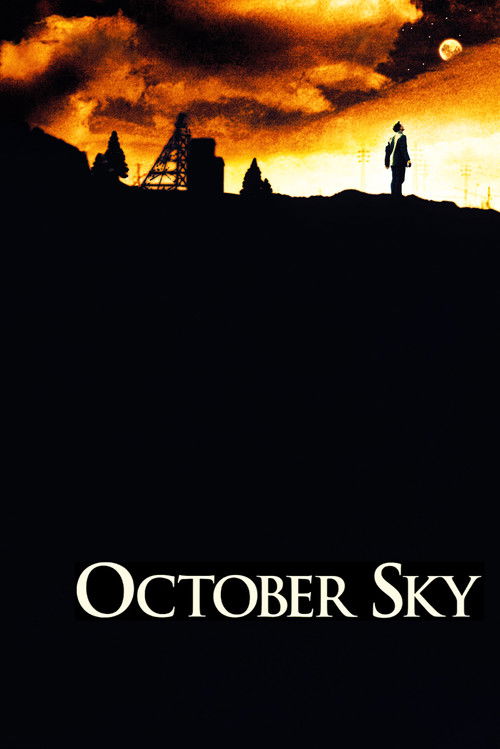
October Sky1999
Both examine why people reach for space despite knowing the risks—the tension between individual ambition and systemic danger, and who gets to decide if the price is worth paying.
A father-son story about a boy who builds rockets in Depression-era West Virginia. It shares Challenger's interest in the gap between aspiration and institutional reality, and asks whether reaching matters more than arriving safely.
But It's a conventional uplift narrative, and the conflict between father and son can feel schematic. The sentiment occasionally overwhelms the engineering.
More like this (8)
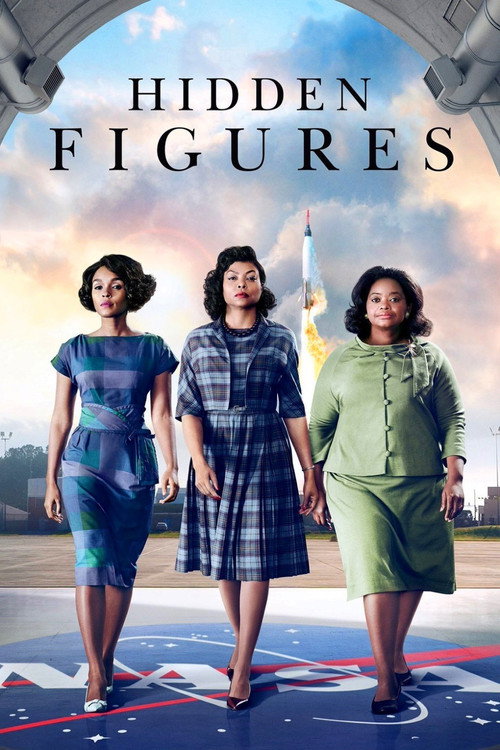
Hidden Figures2016
A triumph that centers the Black women mathematicians NASA needed but wouldn't acknowledge. Uplifting without being naive, technically sound, and emotionally generous about the cost of breaking barriers.
But Some viewers find the triumphalist tone too smooth; the film softens harder truths about institutional racism for palatability.
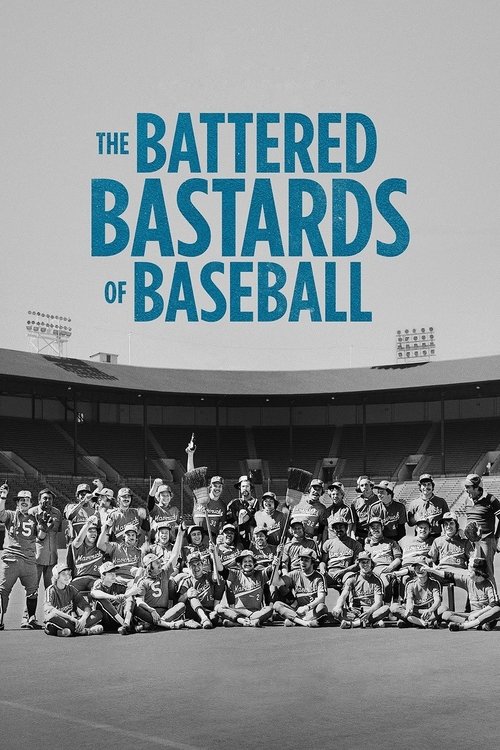
The Battered Bastards of Baseball2014
A scrappy documentary about underdogs who formed an independent team when the system wouldn't have them. It's funny, warmhearted, and genuinely moving—proof that underdog stories work when stakes are real.
But If you don't care about baseball or indie sports, the charm might not transcend. It's deliberately lightweight compared to Challenger.
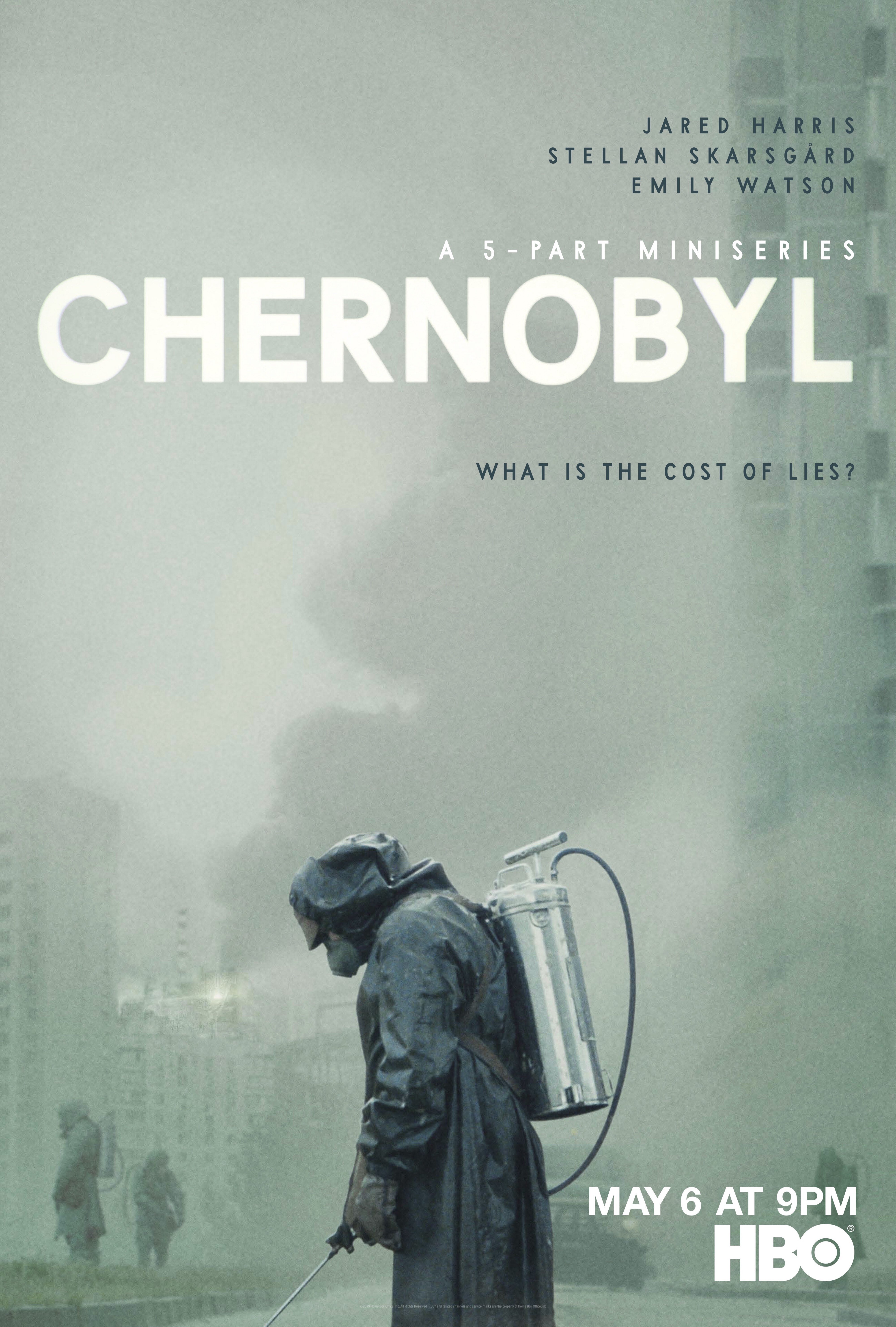
Chernobyl2019
A five-part HBO miniseries that investigates a catastrophe by following the people tasked with containing it. The writing is surgical; it finds tragedy and heroism without exploiting either.
But Soviet bureaucracy and radiation physics aren't everyone's idea of gripping. The pacing is deliberate; if you want action, look elsewhere.
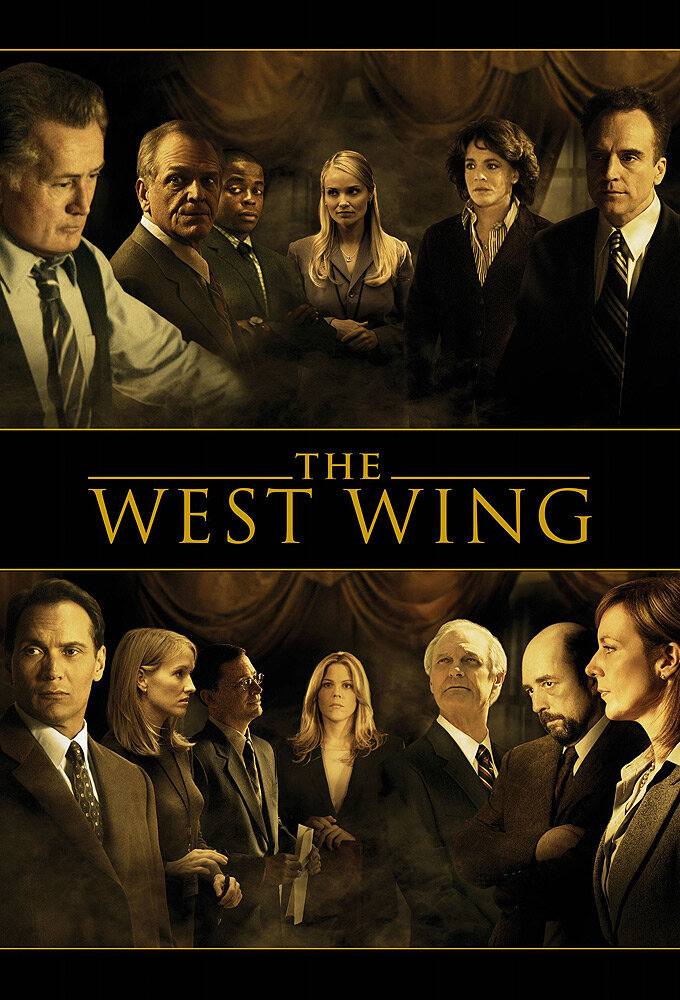
The West Wing1999
A brilliant procedural about how government actually works—the meetings, the compromise, the expertise. Sorkin's dialogue crackles, and the show respects your intelligence about policy and institutional pressure.
But It's idealistic about democracy in ways that feel naïve now. The rapid-fire dialogue will wear some viewers out, not energize them.
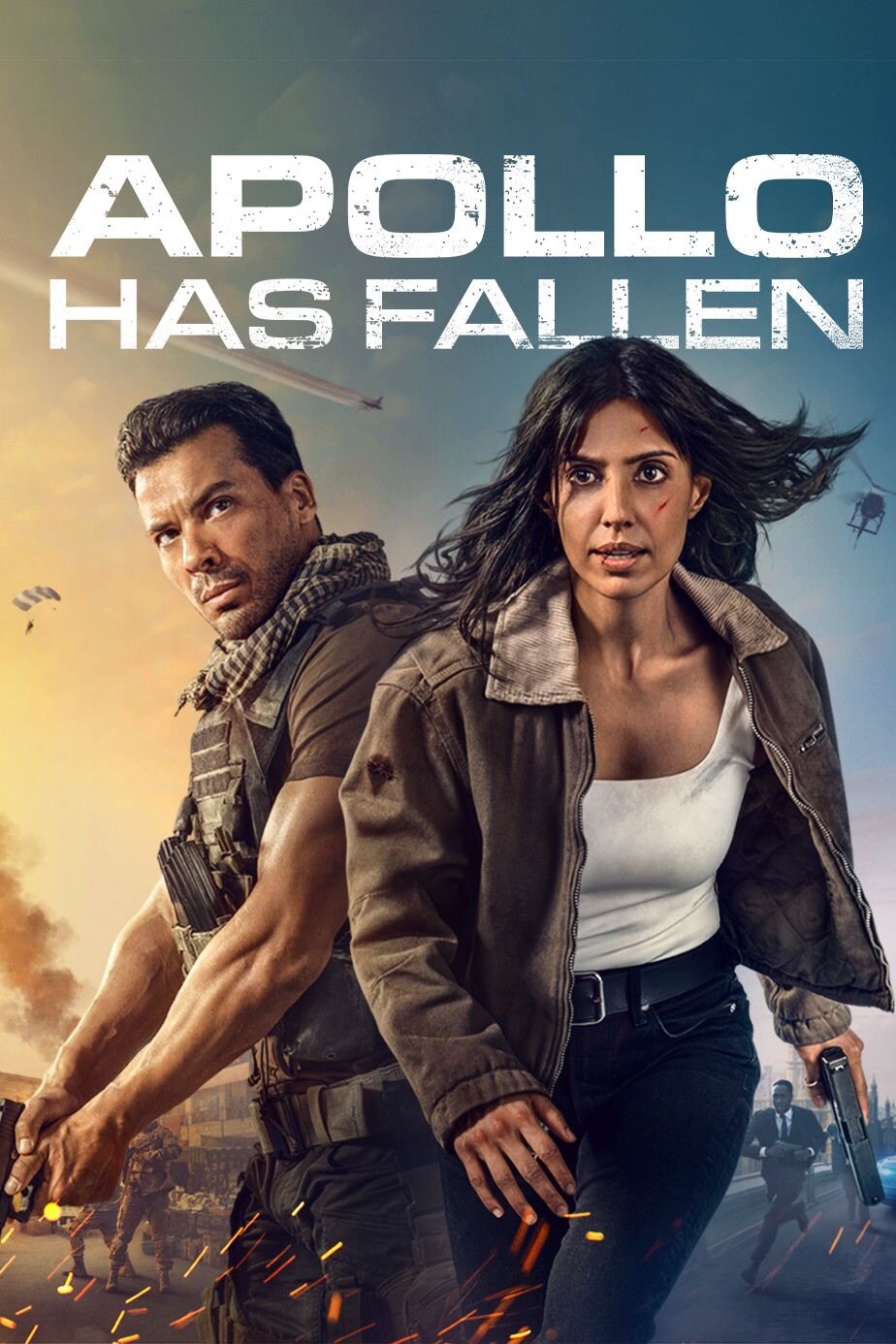
Paris Has Fallen2024
A National Geographic miniseries that uses archival footage and engineering insight to make you feel the genuine peril of lunar missions. Quietly gripping and never sentimental about the astronauts.
But It focuses on triumph rather than failure, which means it lacks the moral weight and institutional critique Challenger offers.
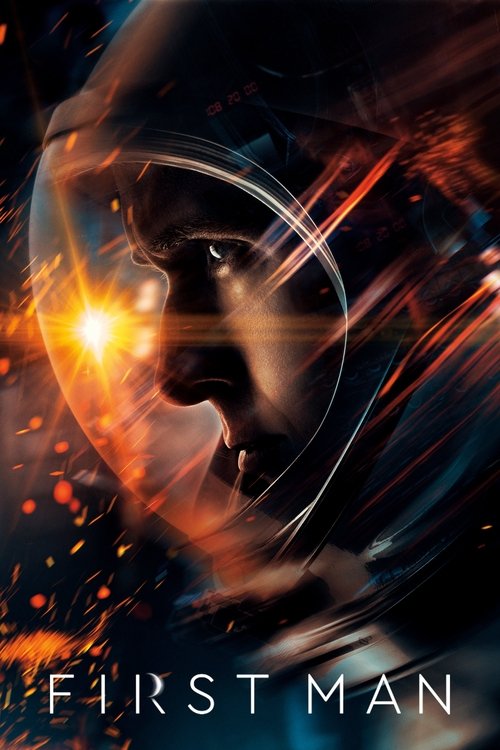
First Man2018
Damien Chazelle's introspective portrait of Neil Armstrong examines the personal cost of spaceflight—grief, isolation, perfectionism. Technically stunning and emotionally austere in the best way.
But It's deliberately unglamorous and internal. If you want spectacle or an outward-facing hero's journey, this deliberate restraint will feel cold.
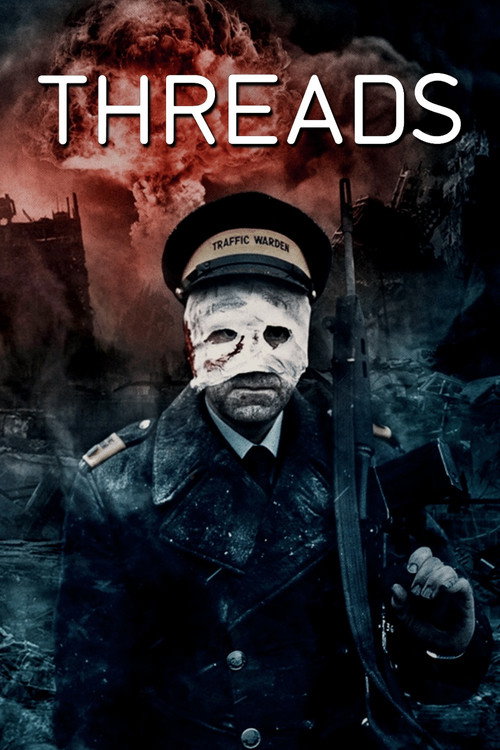
Threads1984
Both are meticulous documentaries of catastrophe rooted in systemic failure. Where Challenger asks 'how did we let this happen?', Threads asks 'what happens next?' Both refuse easy answers.
A BBC nuclear war film of terrifying realism that documents societal collapse with the precision of a technical manual. It's bleak, brilliant, and absolutely shatters any faith in institutional competence.
But It is brutal and despairing in ways that will genuinely disturb you. This is not entertainment; it's an ordeal. Many viewers find it unwatchable.
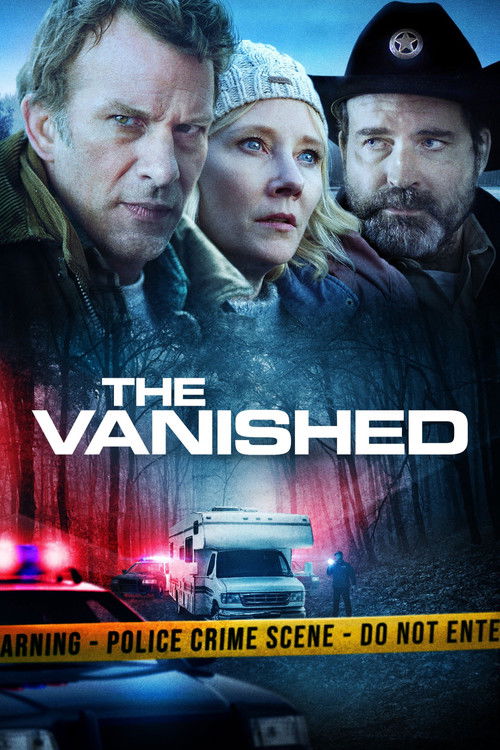
The Vanished2020
Like Challenger, it trusts the audience to sit with institutional failure and moral complexity. Neither offers catharsis; both ask uncomfortable questions about who gets believed and whose interests institutions actually serve.
A Spanish-language true-crime miniseries about a disappearance that hinges on institutional indifference and the gap between official narratives and what families know. It's gripping procedural work with real moral weight.
But You're reading subtitles, and the bureaucratic frustration may feel slow if you want a crime to be solved rather than examined. It ends ambiguous.
People
Production
- Glen ZipperExecutive Producer
- J.J. AbramsExecutive Producer