
Film
David Attenborough: A Life on Our Planet
David Attenborough's own story, told as a lament and a reckoning. Ninety years of witnessing planetary transformation—from pristine wildernesses to depleted ecosystems—becomes a meditation on loss, responsibility, and what might still be saved. It's cinema as moral witness, intimate and urgent without ever raising its voice.
Should you watch it?
Watch it if you want a clear-eyed, unhurried argument about humanity's damage to nature, delivered by a man whose memory of a changing planet gives the warnings real weight.
Skip it if you came for pure wildlife spectacle; this one keeps turning to a sober case about collapse, and the mood can feel heavy.
What it asks of you: Under ninety minutes of calm, steady narration laid over lush footage, with the mood sobering as it goes; attention is needed more than emotional stamina.
Not sure? Find tonight's pick in a minute.
If you liked this
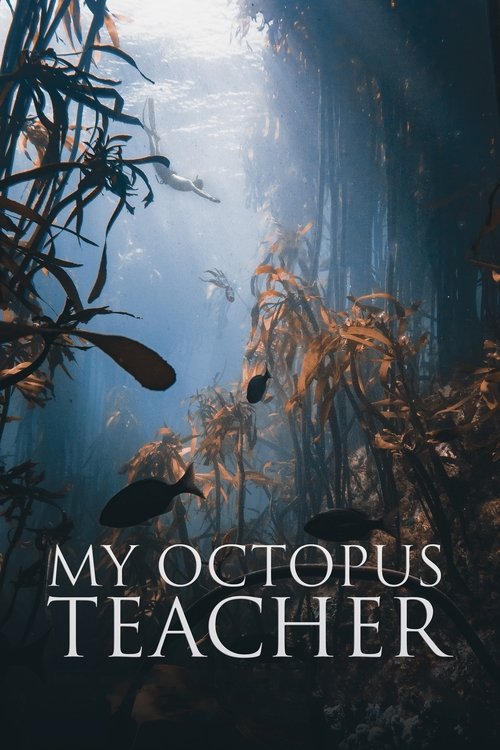
My Octopus Teacher2020
A filmmaker forms a year-long bond with a wild octopus, capturing intelligence and personality in another species with tenderness and wonder. Proof that nature documentaries can be as much about human transformation as animal behavior.
But Some find the intimacy anthropomorphic; others want more rigorous science and less personal narrative. Pacing is deliberately meditative rather than thrilling.
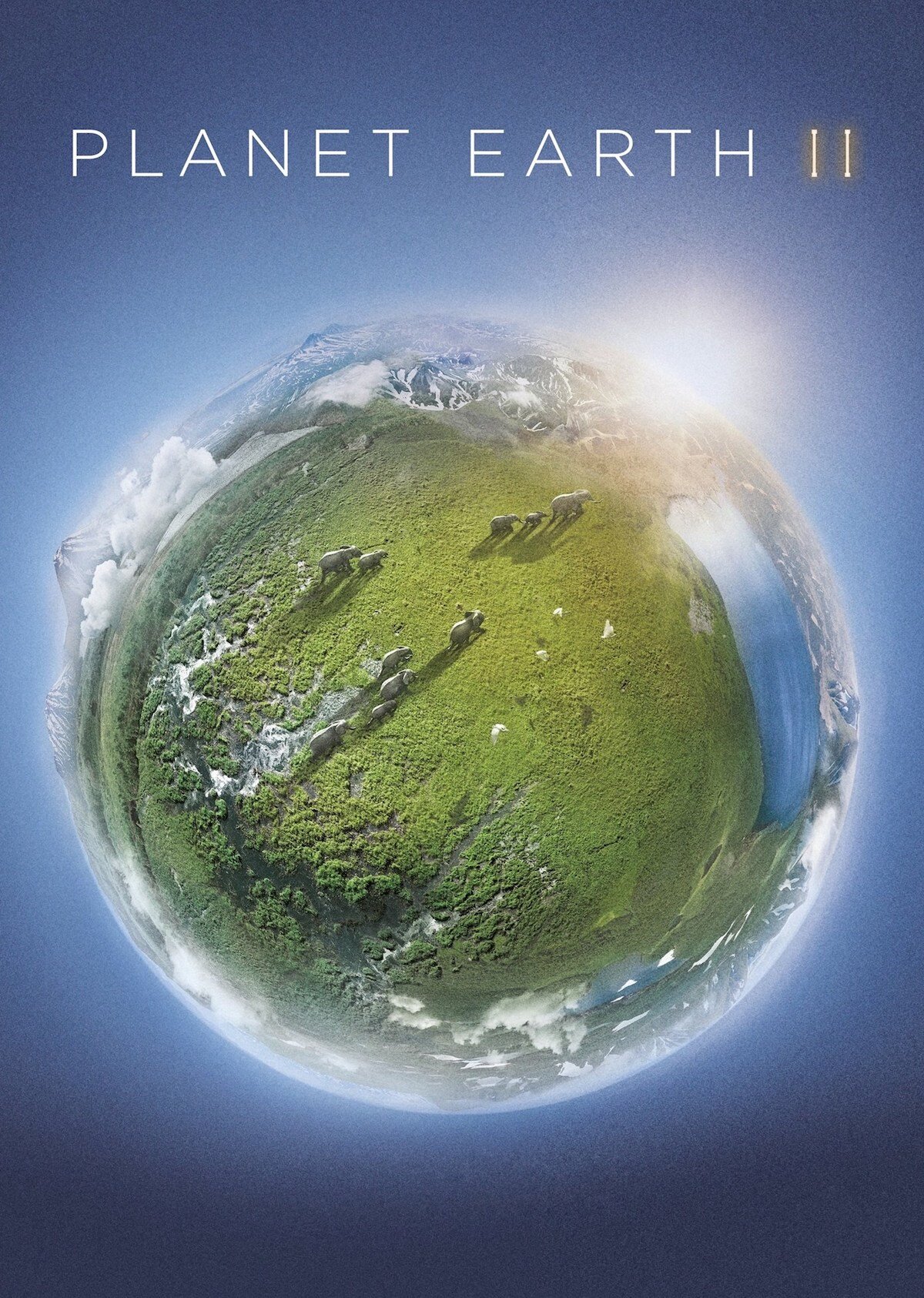
Planet Earth II2016
Attenborough narrates his own spiritual successor—six episodes of staggering cinematography showing how wildlife adapts to a human-dominated world. Visual splendor that never lets you forget what we're losing.
But It's a BBC series that requires real time investment, and some episodes dwell on suffering animals without solutions. Might feel like homework to those wanting pure spectacle.
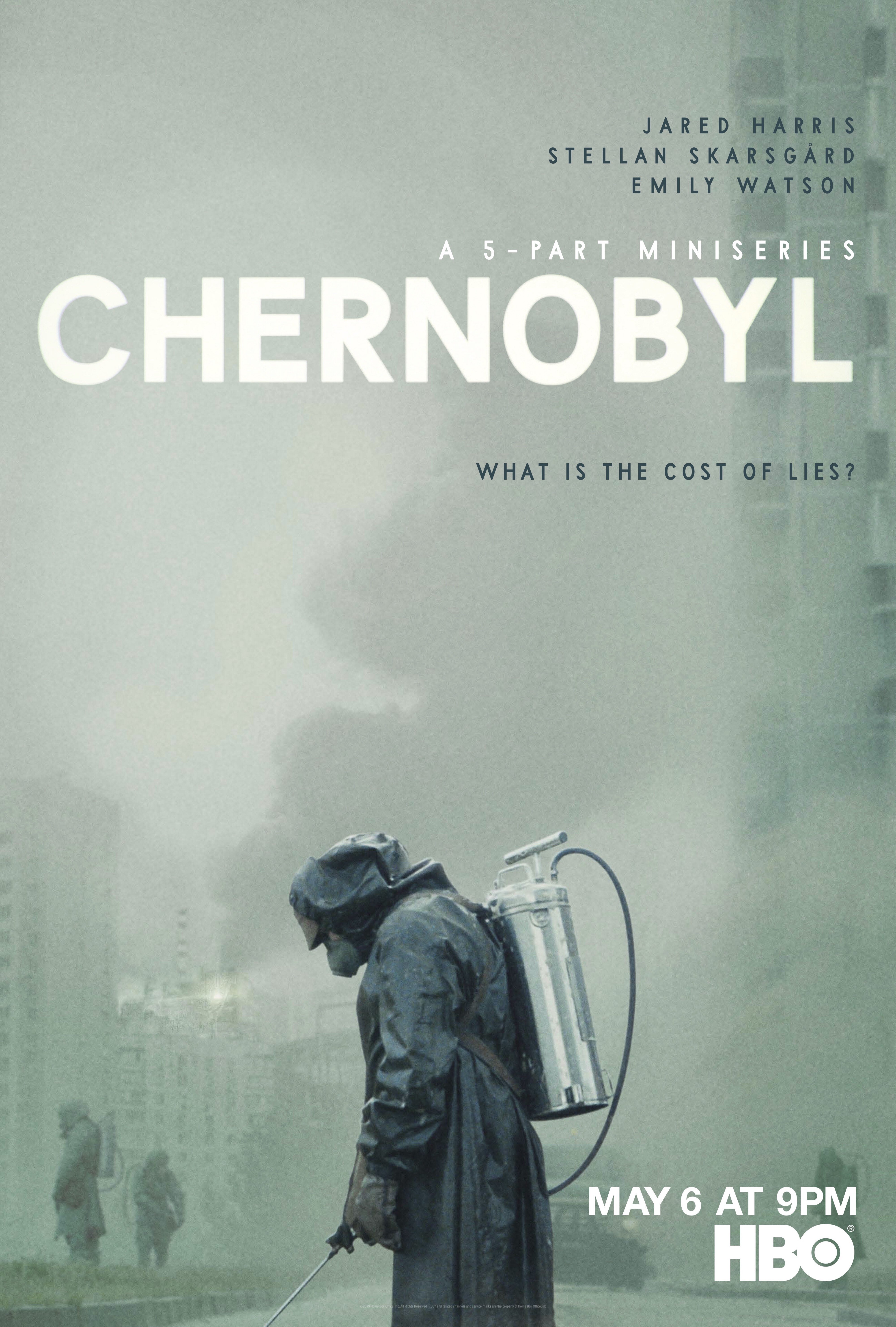
Chernobyl2019
A meticulous account of systemic failure, hubris, and the true cost of shortcuts. Craig Mazin's drama mirrors Attenborough's argument: we build temples to progress without counting what they destroy.
But It's grim, procedural, and sometimes slow. Not a thriller—it's an autopsy. You need patience for bureaucratic horror.
Not sure tonight? Get a pick in a minute, starting from David Attenborough: A Life on Our Planet
The wildcard
Something you would not have found on your own.
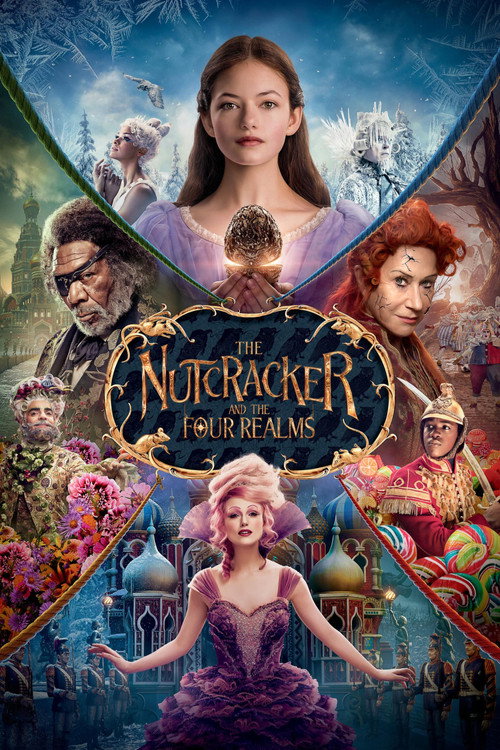
The Nutcracker and the Four Realms2018
Both are meditations on inherited worlds—what we're given and what we're destroying. Attenborough mourns the real one; this film shows a child's impossible task of restoration. Same anxiety, opposite register.
A visual feast in which a girl inherits a dying magical world and must save it from decay. It's pure escapism—a fantasy about regeneration rather than loss, gorgeously imagined.
But It's a family fantasy that prioritizes spectacle over substance. The story is thin; if you need emotional depth, it won't deliver.
More like this (5)
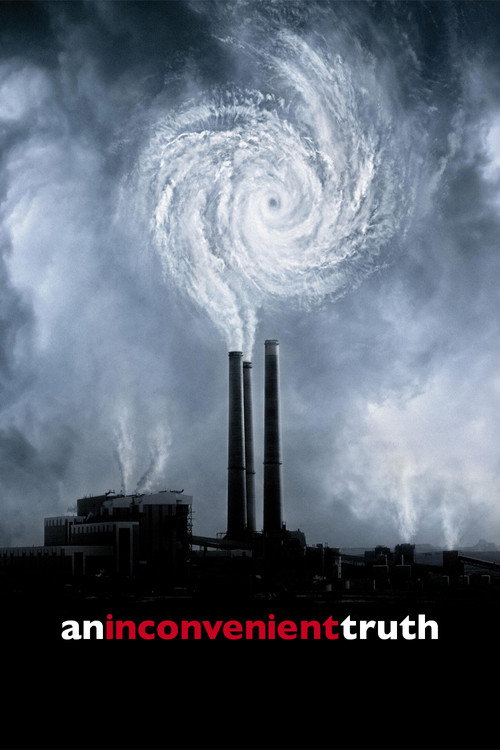
An Inconvenient Truth2006
Al Gore's documentary made climate change personal and visual. Dated now, but it remains the film that proved you could make environmental stakes comprehensible to mainstream audiences without lecturing.
But Some of its specific predictions haven't aged well, and it can feel like a TED talk. Presentation matters more than surprise.
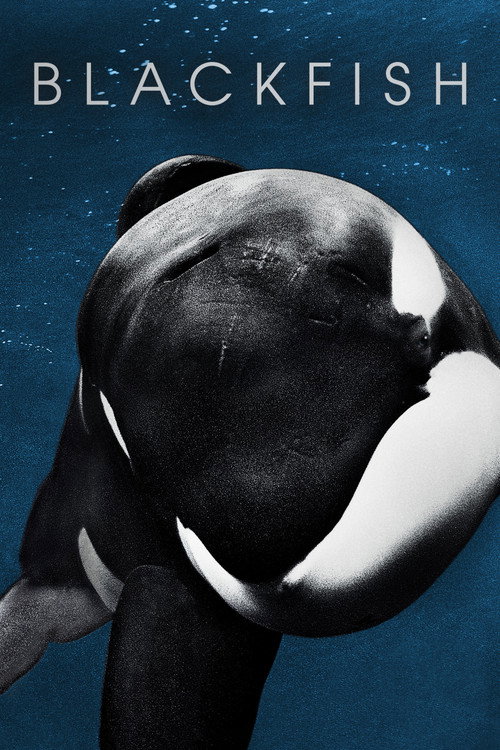
Blackfish2013
Gabriela Cowperthwaite's investigation into orca captivity is both damning critique and character study. It shows what happens when we treat intelligence and emotion as commodities.
But Emotionally manipulative at times, and some science has been contested. The anger can feel like a blunt instrument.
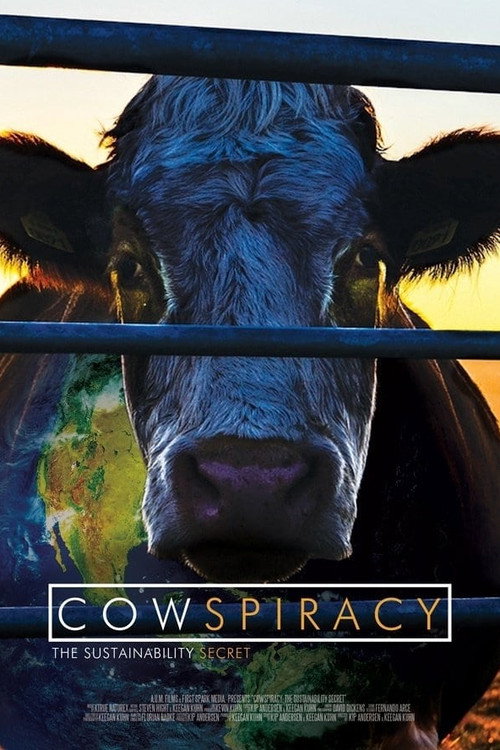
Cowspiracy: The Sustainability Secret2014
A provocative argument that agriculture—not fossil fuels—is the primary driver of environmental collapse. It challenges the comfortable narrative and backs it with data.
But The film has faced criticism for cherry-picked statistics and oversimplification. Vegan advocacy sometimes drowns out nuance.
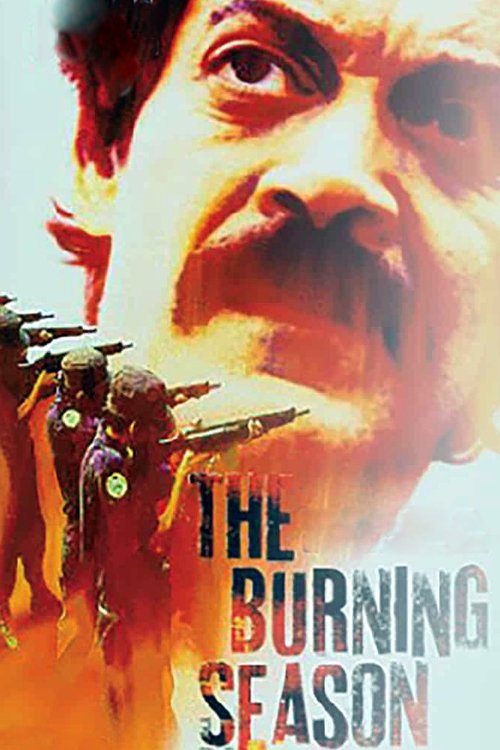
The Burning Season1994
A dramatization of Amazon protector Chico Mendes' life and murder. Shows what resistance to ecosystem destruction actually costs, and why ordinary people fight when systems won't.
But It's a 30-year-old TV movie that hasn't aged brilliantly. Earnest rather than artful, with dated production values.
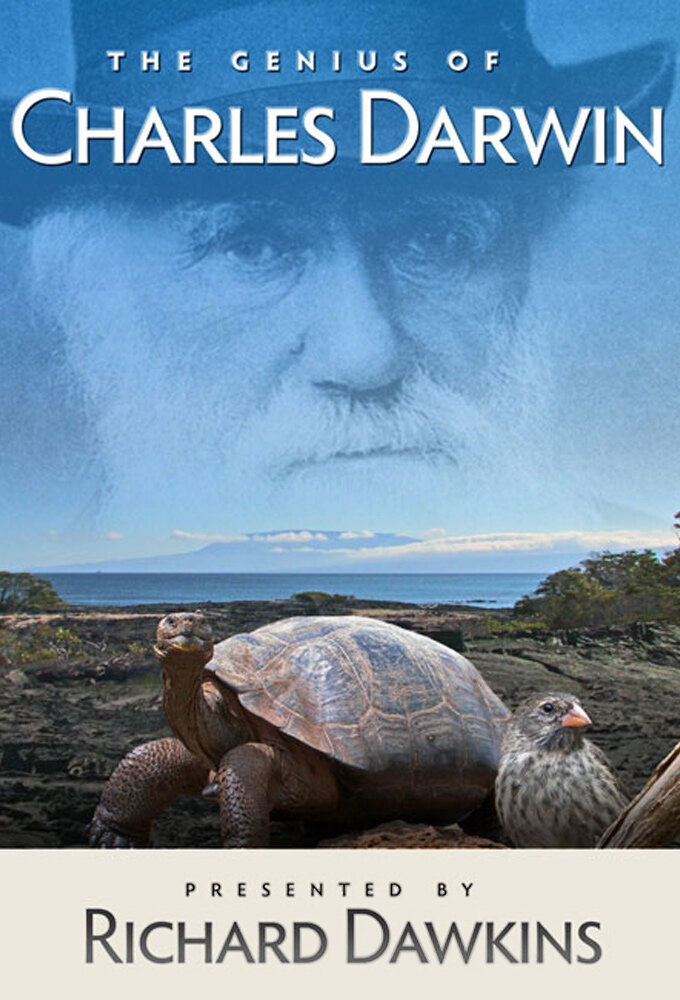
The Genius of Charles Darwin2008
Both are about seeing the world differently and what that vision demands of us. Darwin's theory required us to accept our kinship with other species; Attenborough asks what responsibility that kinship entails.
Richard Dawkins' three-part essay film about Darwin's life and thought. It traces the intellectual foundations for understanding nature as interconnected system rather than dominion—the worldview Attenborough embodies.
But It's a biology lecture in disguise. Dawkins' atheism is prominent, which puts some viewers off. Rhythm is academic rather than cinematic.
People
Cast
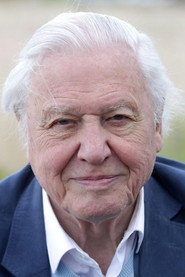
- Max HughesYoung David
Directing
- Alastair FothergillDirector
- Jonathan HughesDirector
- Keith ScholeyDirector
- Ellie De CentField Director
Production
- Alastair FothergillExecutive Producer
- Colin ButfieldExecutive Producer
- Keith ScholeyExecutive Producer
- Judi OborneFinance
- Sarah GarnerFinance
- Jane HamlinHead of Production
- George PanayiotouPost Producer
- Jonathan HughesProducer
- Rachel JamesProduction Accountant
- Ilaira MallalieuProduction Assistant
- Amy FieldingProduction Coordinator
- Leanne BowcottProduction Coordinator
- Nicole HobartProduction Coordinator
- Niraj ShardaProduction Coordinator
- Stacey HillProduction Coordinator
- Fiona MarshProduction Manager
- Laura MeachamProduction Manager
- Michelle LindleyResearcher
- Rebecca HartResearcher
- Sarah WannResearcher
Recommended by
Seaspiracy, Our Planet, The Story of Science: Power, Proof and Passion, Madonna: Truth or Dare, Mission Blue, 2040, Secrets of the Museum, Springsteen on Broadway, Pretend It's a City, Vanishing of the Bees, The Botany of Desire, The Green Planet, The Zoo, Youth Unstoppable, Inside Nature's Giants, Planetary