Television series
The Story of Science: Power, Proof and Passion
Michael Mosley traces how scientific breakthroughs have shaped civilization, moving from ancient observation through the Industrial Revolution to modern physics. It's intellectually generous and visually clever—he makes abstract ideas tangible without dumbing them down. For anyone who loves science but finds most documentaries either too dry or too sensational.
Should you watch it?
Watch it if you like history told through the people who argued about ideas, and you don't mind a presenter who guides you through it on screen as he goes.
Skip it if you want a deep, rigorous dive into the science itself, since this skims across centuries in six hour-long helpings and keeps its eye on society more than the equations.
What it asks of you: Six episodes of about an hour each, a light commitment you can finish in a few evenings, moving at a brisk, chatty clip rather than lingering on any one idea.
Not sure? Find tonight's pick in a minute.
If you liked this
Cosmos1980
Neil deGrasse Tyson guides you through the universe's biggest questions with the same gift for making complexity feel personal. Stunning visuals and a genuine sense of wonder.
But At thirteen hours across the series, it demands real commitment. Some will find Tyson's delivery a touch too smooth.
The Elegant Universe2003
Brian Greene unpacks string theory and quantum mechanics through clever animations and real-world metaphors. Genuinely graspable accounts of ideas that seem impossible.
But The physics gets genuinely hard in the later episodes. You'll need to concentrate, and some threads don't fully resolve.
Connections1978
James Burke's thrilling argument that history isn't linear—it's a web of accidents and innovations colliding. You'll never see causality the same way. Utterly original.
But Made in 1978, so the production values are distinctly dated. Some technological examples feel quaint now.
Not sure tonight? Get a pick in a minute, starting from The Story of Science: Power, Proof and Passion
The wildcard
Something you would not have found on your own.
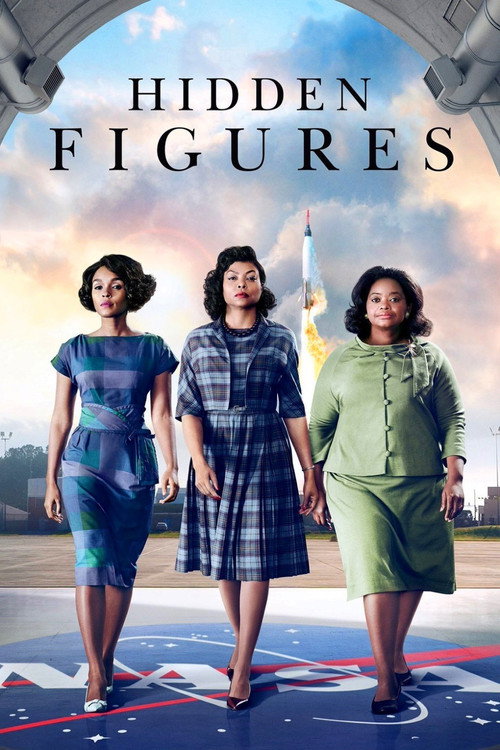
Hidden Figures2016
Like Mosley's series, it shows science as inseparable from its historical moment, and asks who gets to claim credit for discovery.
The mathematicians behind the NASA space race. It's a narrative film about science, not a documentary—but the emotional truth of doing rigorous work is profound and urgent.
But The drama sometimes simplifies the actual mathematics. If you're watching for technical accuracy, it takes liberties.
More like this (4)
A Brief History of Time1991
Errol Morris directs this adaptation of Hawking's book with visual invention and deep humanity. A film about ideas that never feels like a lecture.
But Long stretches are genuinely abstract. If you want narrative momentum, you won't find it here.
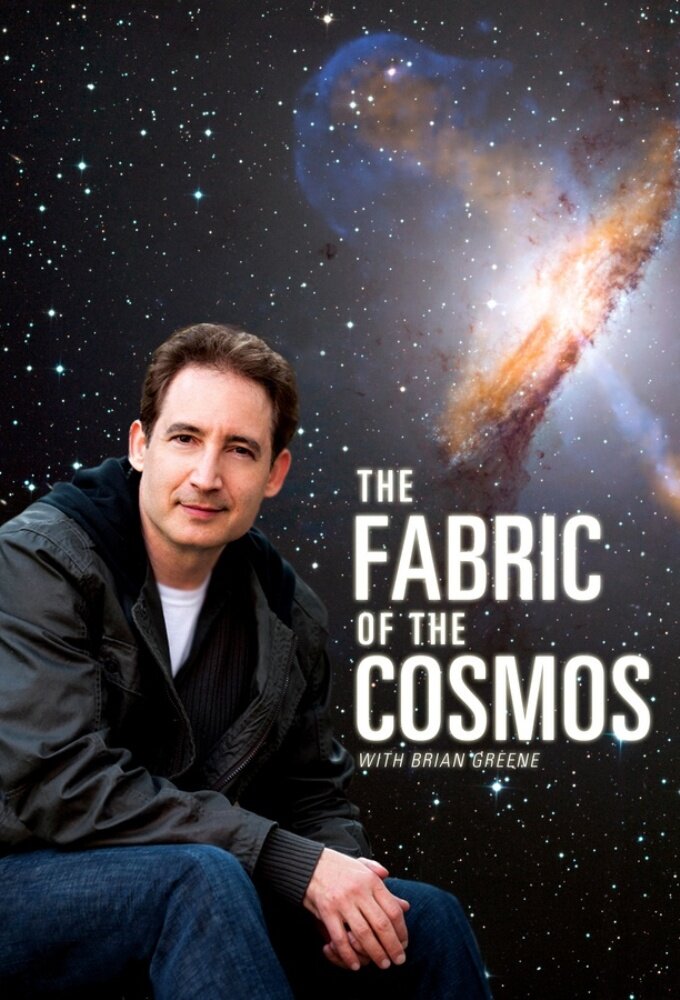
The Fabric of the Cosmos2011
Brian Greene again, but tackling space and time through everyday puzzles. Clever animations make quantum weirdness feel almost intuitive.
But Similar ground to The Elegant Universe; if you've seen that, this feels familiar. Some repetition of concepts.
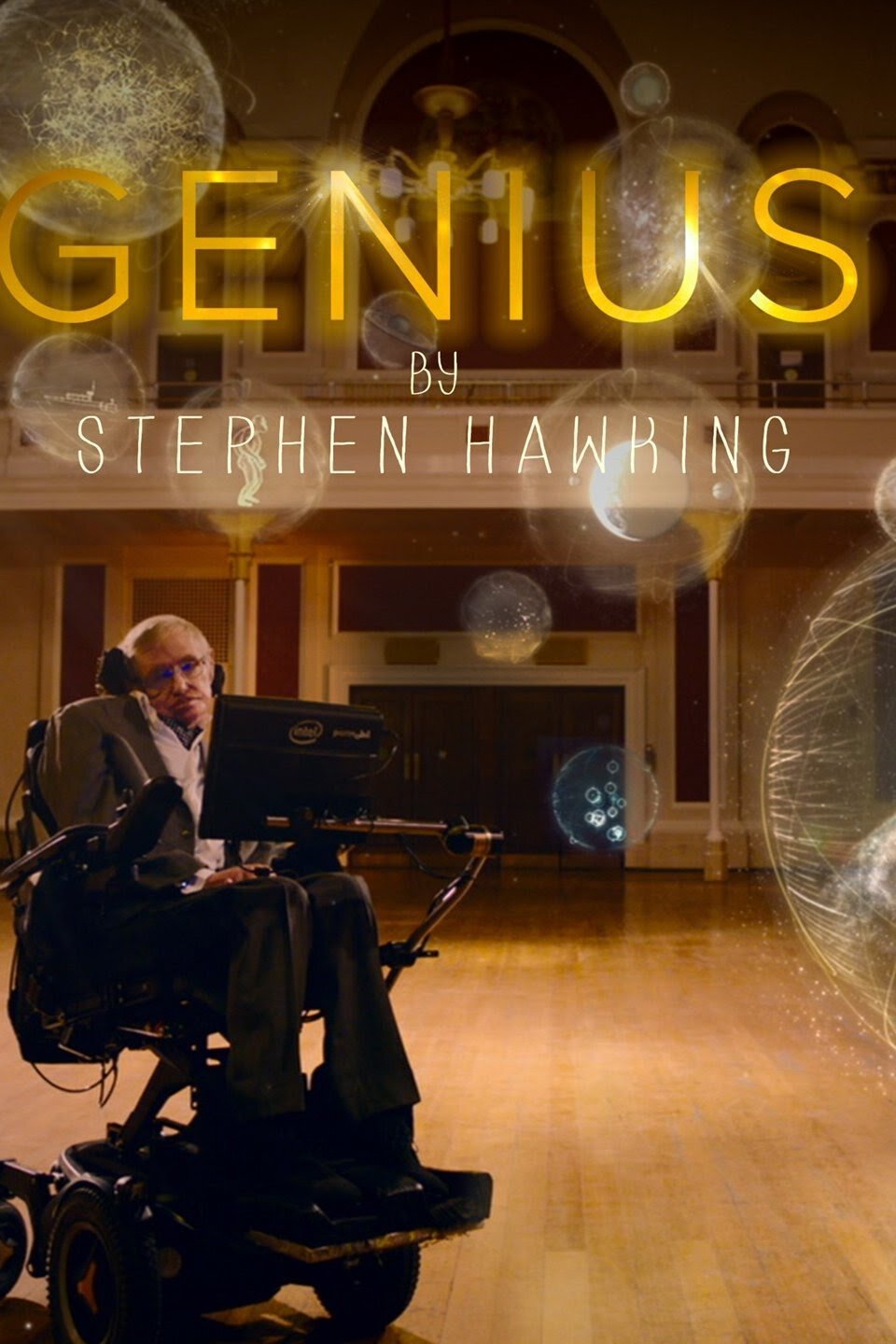
Genius by Stephen Hawking2016
Hawking explores how the greatest minds think. Interviews with modern scientists, nice mix of history and living practice. Short episodes, easy to dip into.
But Shorter format means less depth. Some episodes feel rushed; you want more time with each subject.
David Attenborough: A Life on Our Planet2020
David Attenborough's retrospective on how science has revealed—and damaged—the natural world. Moving and urgent. His narration carries real weight.
But Heavy on the environmental crisis. If you're already despairing about climate change, this may deepen that feeling.