
Television series
The Hot Zone
- Techno-thriller
- Very dark
A real-life thriller about the 1989 emergence of Ebola near Washington D.C., told through the eyes of an Army virologist racing to contain it. Tense, procedural, grounded in actual science and stakes that feel genuinely terrifying. For anyone who wants their epidemiology lesson with genuine dread.
Should you watch it?
Watch it if you like true-story medical thrillers built on careful procedure, where dread comes from people following protocol while something invisible spreads, more than from jump scares or big set pieces.
Skip it if you want fast, gory outbreak action; this is methodical and talky, with long stretches of lab work and bureaucratic argument between the frightening moments.
What it asks of you: Twelve hour-long episodes that take their time, with patience for the slow accumulation of fear and the technical detail that carries it; the tension is quiet rather than constant.
Not sure? Find tonight's pick in a minute.
If you liked this
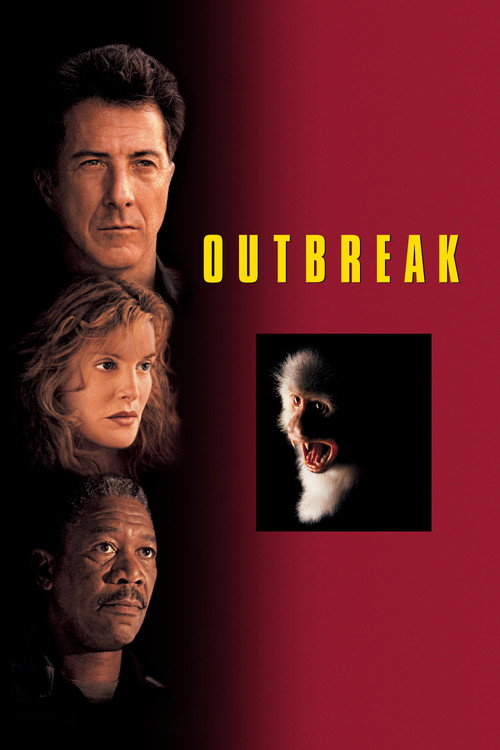
Outbreak1995
The Hollywood version of a viral outbreak, with Dustin Hoffman and Meryl Streep in a taut race against time. It hits similar beats but with more spectacle, and serves as a fun comparison to the real thing.
But The science is looser, the action more conventional, and it feels dated in ways that sometimes undercut the tension.
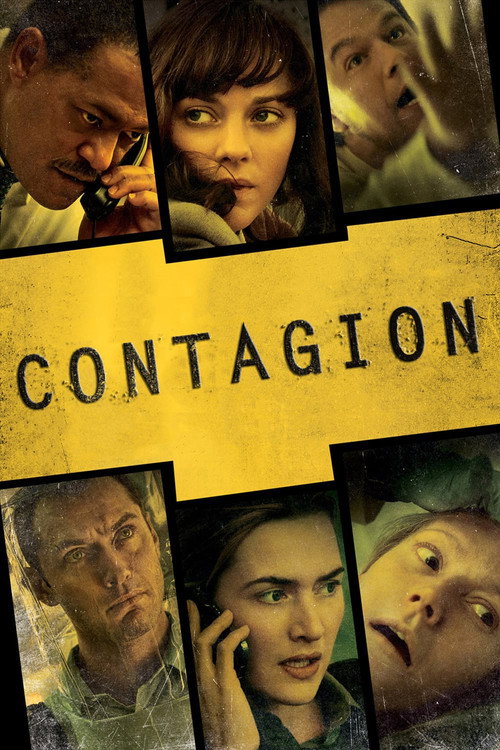
Contagion2011
Soderbergh's methodical, terrifyingly plausible account of a pandemic spreading across the globe. Every character matters, the science is sound, and the atmosphere of creeping dread is suffocating.
But It's deliberately unglamorous and slow-burn. There's no hero's moment, just systems failing and people doing their jobs while things fall apart.
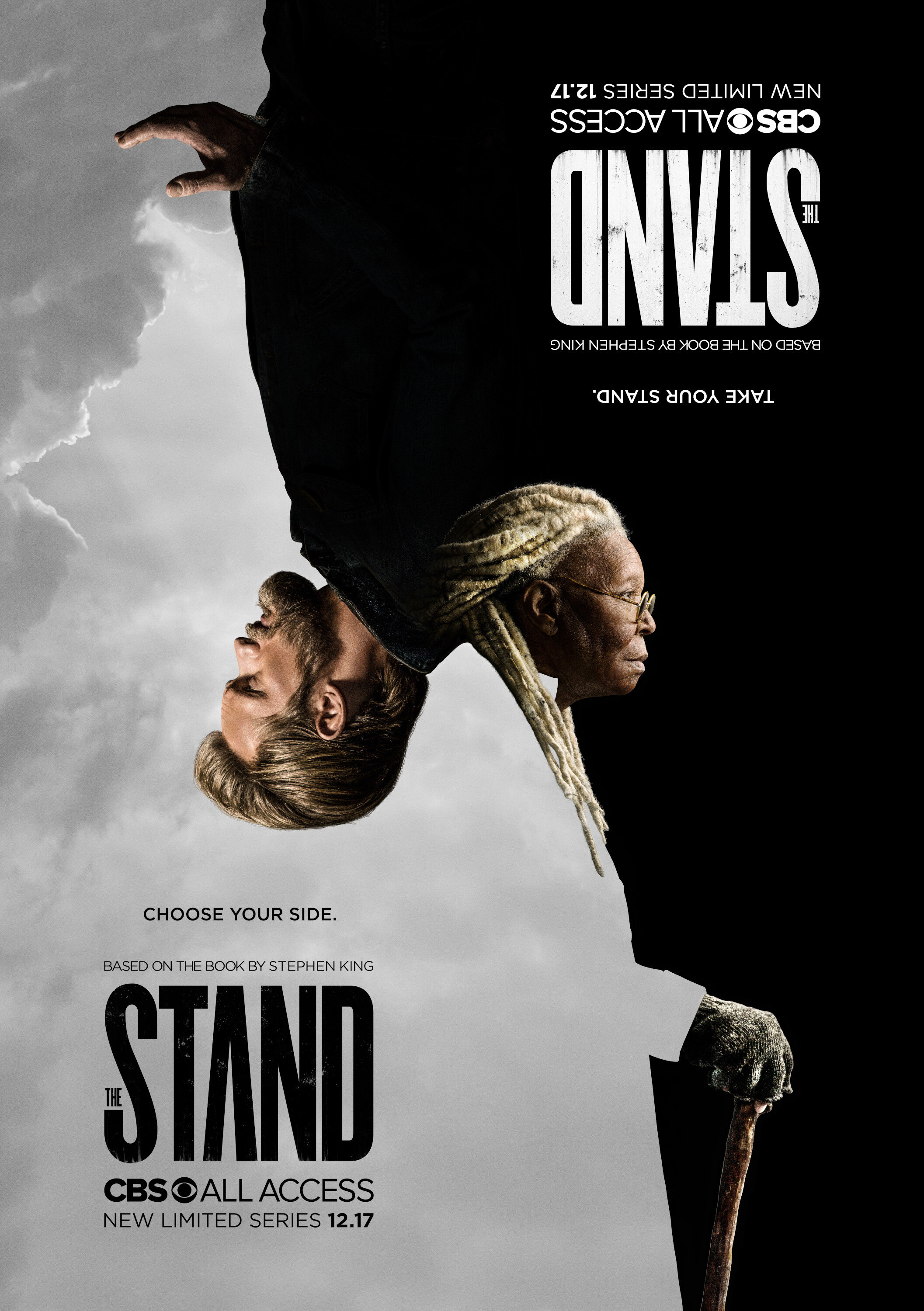
The Stand2020
Stephen King's epic miniseries about a plague wiping out civilization. It has scope, moral weight, and the kind of ensemble storytelling that lets you live inside the catastrophe rather than just watch it.
But It's supernatural rather than scientific, and much longer. The second half pivots into pure fantasy, which is fine if you want it, less so if you came for realism.
Not sure tonight? Get a pick in a minute, starting from The Hot Zone
The wildcard
Something you would not have found on your own.
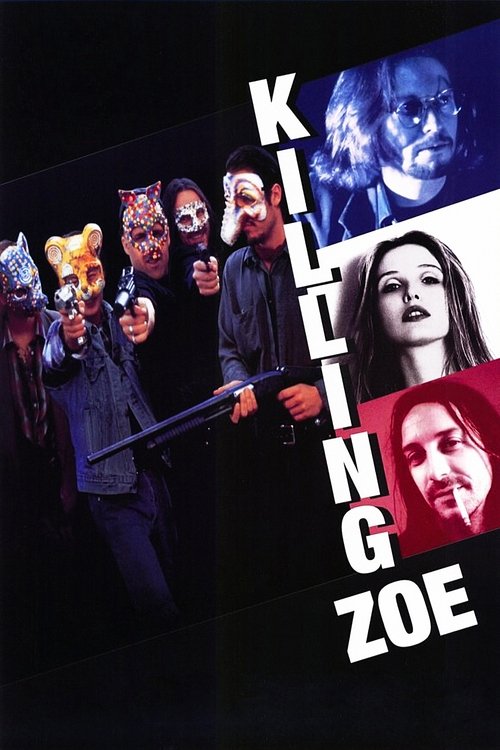
Killing Zoe1993
Both use biological threat to examine systems under pressure and people forced to make impossible choices, but Killing Zoe treats it as psychological horror rather than procedural reality.
A heist film set in Paris where infection and contagion become metaphors for betrayal and moral contamination. Director Roger Avary uses disease language and imagery as pure thriller texture—the virus is everywhere, nowhere, and psychological.
But It's abstract and the plot matters less than mood. If you want realism, this goes full baroque. Some will find it pretentious.
More like this (7)
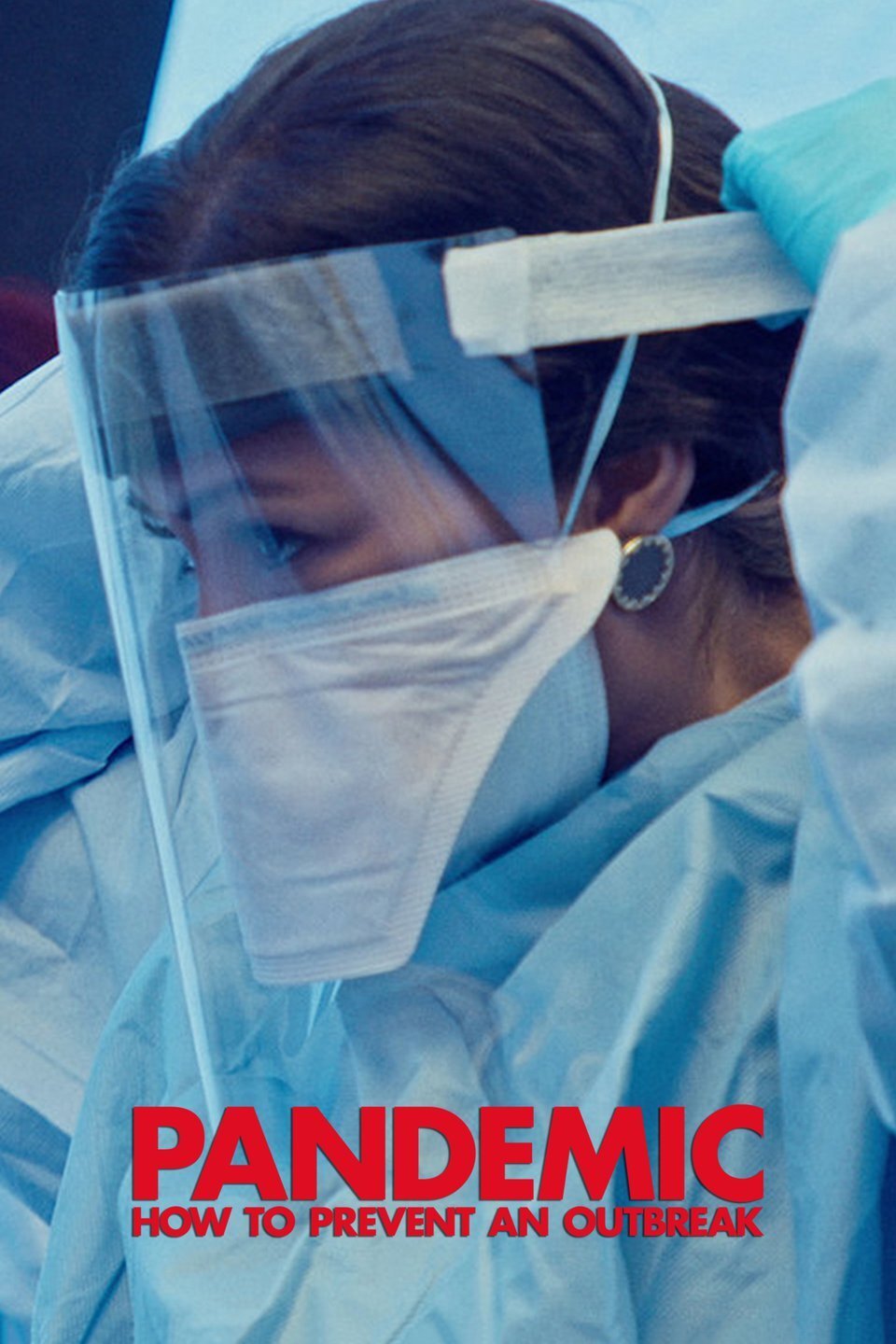
Pandemic: How to Prevent an Outbreak2020
Netflix's documentary series following real virologists as COVID-19 unfolds. It's the non-fiction companion to The Hot Zone: actual stakes, actual experts, the real texture of a crisis happening live.
But It can feel didactic and sometimes the production values are uneven. You're watching people in conference rooms rather than in the field, which is more accurate but less dramatic.
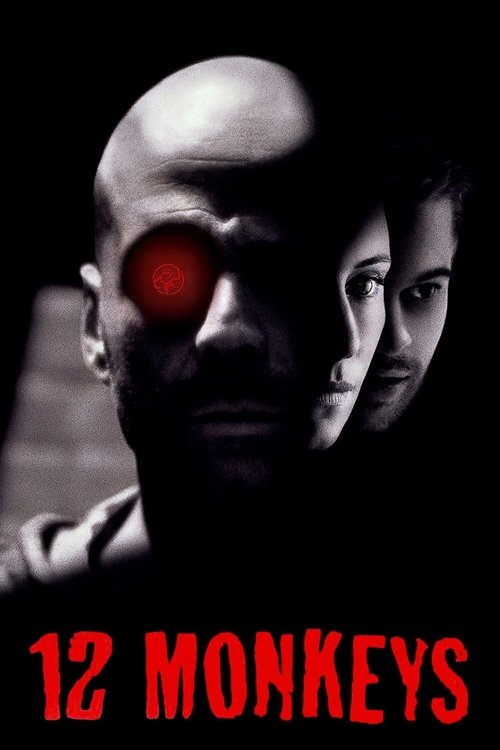
Twelve Monkeys1995
Terry Gilliam's fractured, brilliant take on a virus-driven apocalypse told through time loops and fractured sanity. It's visually stunning and philosophically unsettling in ways that standard outbreak narratives never are.
But The plot is deliberately confusing and non-linear. If you want a straightforward thriller, this will frustrate you.
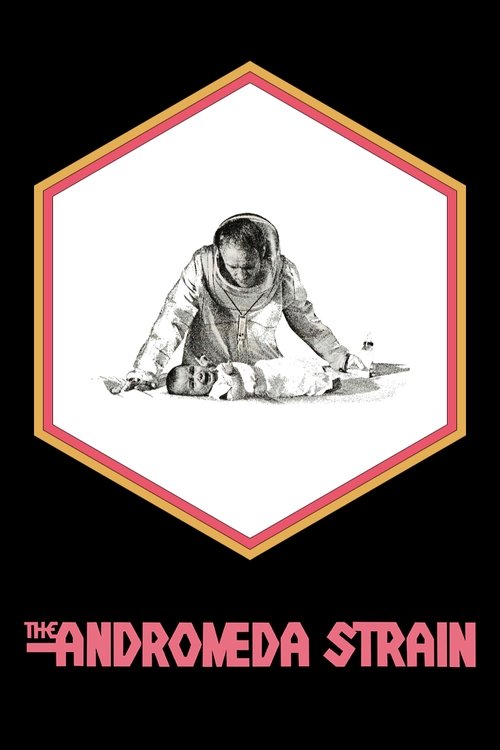
The Andromeda Strain1971
Michael Crichton's adaptation of his own novel about scientists in a sealed lab trying to decode an alien pathogen. It's methodical, scientifically credible for its era, and genuinely gripping despite being fifty years old.
But The pacing is slow and the aesthetic is very '70s. The climax will not surprise anyone who's seen modern thrillers.
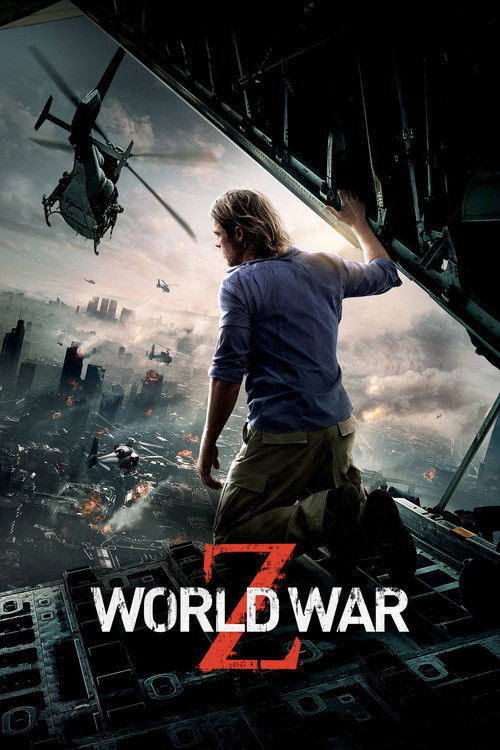
World War Z2013
Brad Pitt's globe-trotting zombie thriller uses disease outbreak as its engine. It's kinetic and entertaining, with a structure that mirrors how pandemics actually spread across continents.
But It's ultimately an action film, not a procedural. The science is nonsense and the tone is often too light for real stakes.
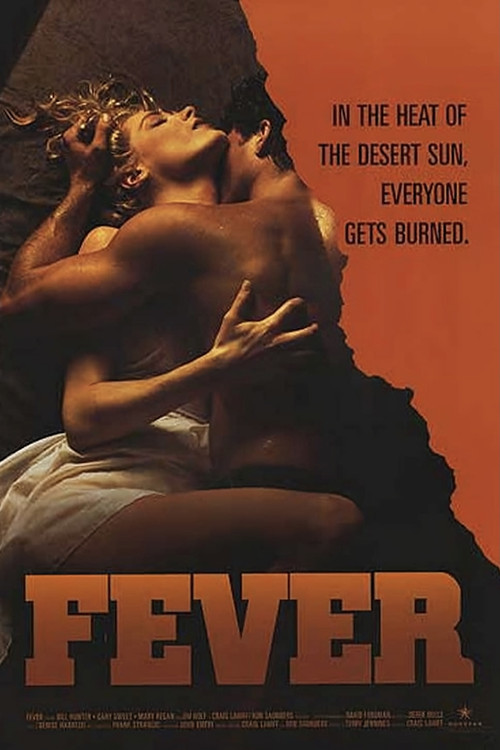
Fever1988
A Canadian thriller about a plague hitting Montreal, made the same year as The Hot Zone's actual events. It's obscure, low-budget, and captures '80s panic in ways bigger films miss.
But It's genuinely hard to find and feels like a TV movie from that era. The acting is uneven and the production values are what they are.
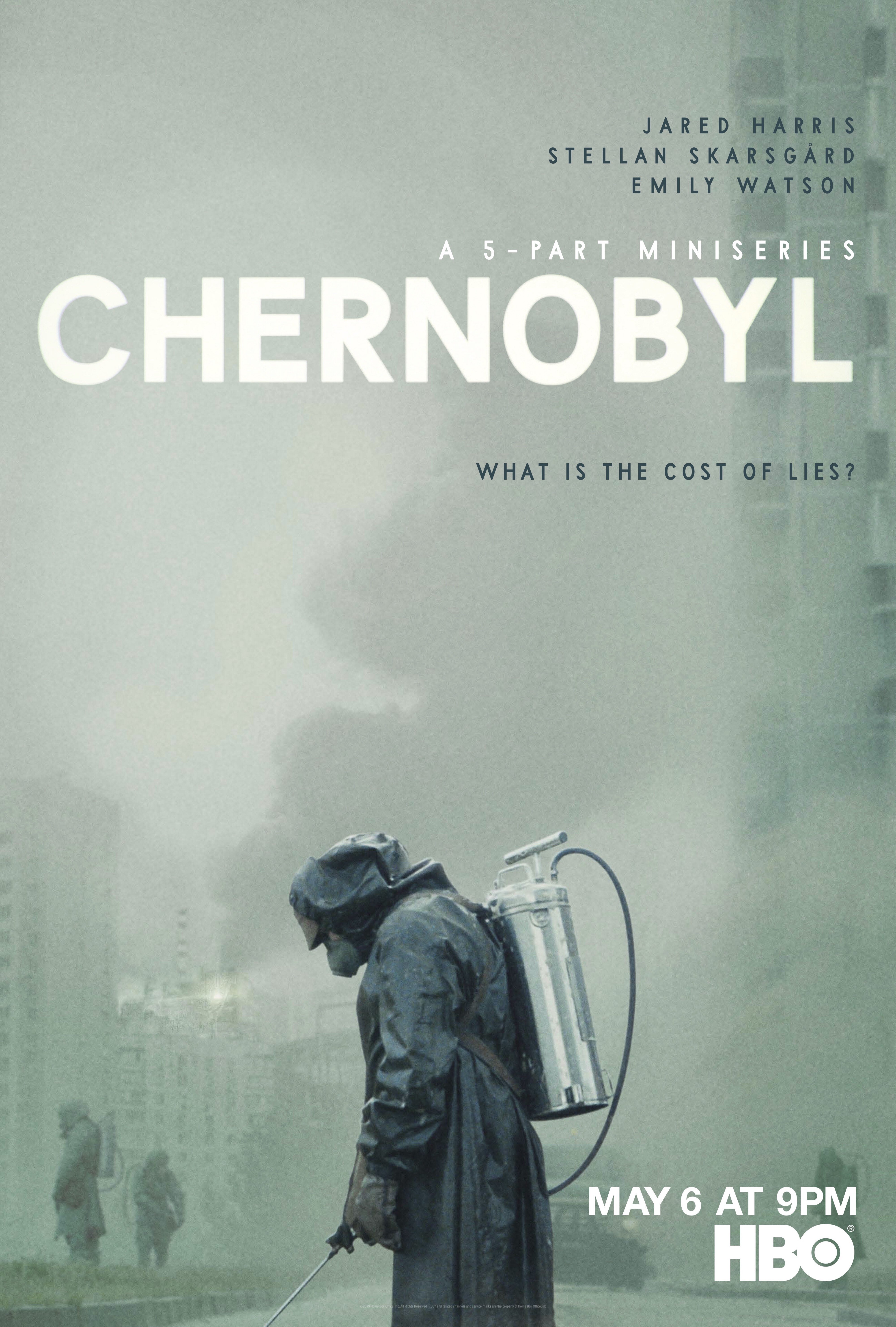
Chernobyl2019
Identical narrative DNA: a hidden catastrophe discovered, experts racing against bureaucracy and biology, and the moral weight of who gets sacrificed to contain it.
HBO's miniseries about the nuclear disaster aired the same year as The Hot Zone and uses the exact same structure: slow-burn crisis management, ordinary people in extraordinary circumstances, systems failing in real time. It's about containment, expertise, and sacrifice.
But It moves methodically and there's no heroic resolution—just varying degrees of failure. Soviet era setting and politics may feel distant to some viewers.
The Seventh Seal1957
Both examine how humans respond when an invisible, lethal force arrives with no warning and no cure—but Seal goes mythic where Hot Zone stays procedural, asking questions about meaning rather than solutions.
Bergman's medieval plague meditation, told through Death's literal arrival as a character. It's opera-level serious, visually perfect, and asks what The Hot Zone never can: what does plague mean to the human soul, not just the body?
But It's abstract, slow, philosophical, and in Swedish. There's no plot momentum or resolution in the conventional sense. It requires total surrender to its mood.

People
Cast

Writing
- James V. HartCreator
Production
- Jeff VintarCo-Executive Producer
- Jordan SheehanCo-Executive Producer
- Richard PrestonCo-Executive Producer
- Debra LovatelliCo-Producer
- Geoffrey HemwallCo-Producer
- Brian PetersonExecutive Producer
- David W. ZuckerExecutive Producer
- James V. HartExecutive Producer
- Kelly SoudersExecutive Producer
- Lynda ObstExecutive Producer
- Ridley ScottExecutive Producer
- Lena CordinaProducer
Recommended by
Outbreak, The Andromeda Strain, And the Band Played On, Pandemic: How to Prevent an Outbreak, The Bleeding Edge, Unseen Enemy, Virus