
Film
Unseen Enemy
A bracing primer on how pandemics happen and why we're perpetually underprepared. Director Jen Guldin builds dread through archive footage, expert interviews, and a clear-eyed catalogue of the systems that fail us—from Ebola to Zika to the political paralysis that follows every warning. It's a documentary that inoculates you against false reassurance.
Should you watch it?
Watch it if you like science documentaries that patiently explain how a microbe spreads and why ordinary choices matter, and you're happy to let a calm narrator guide you through the reasoning.
Skip it if you need human drama or a personal story to carry you, since this leans on explanation and overview rather than following individuals through the crisis.
What it asks of you: Around ninety-seven minutes, unhurried and measured, it asks for steady attention rather than emotional bracing, with a tone that stays level even when the subject turns grim.
Not sure? Find tonight's pick in a minute.
If you liked this
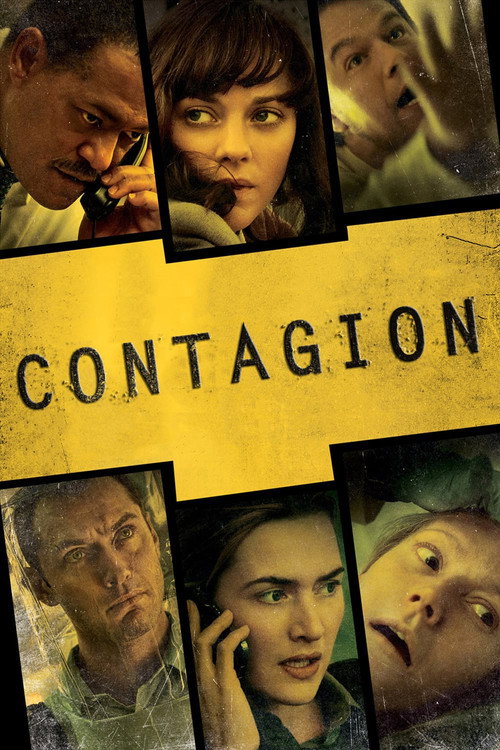
Contagion2011
Soderbergh's epidemiological thriller models how a virus spreads through global systems. Terrifyingly plausible, it does the work of education through suspense—you learn the mechanics while gripped by the scenario.
But It's a procedural that prioritises accuracy over character development. If you need an emotional anchor to stay with a film, the detached professionalism might feel cold.
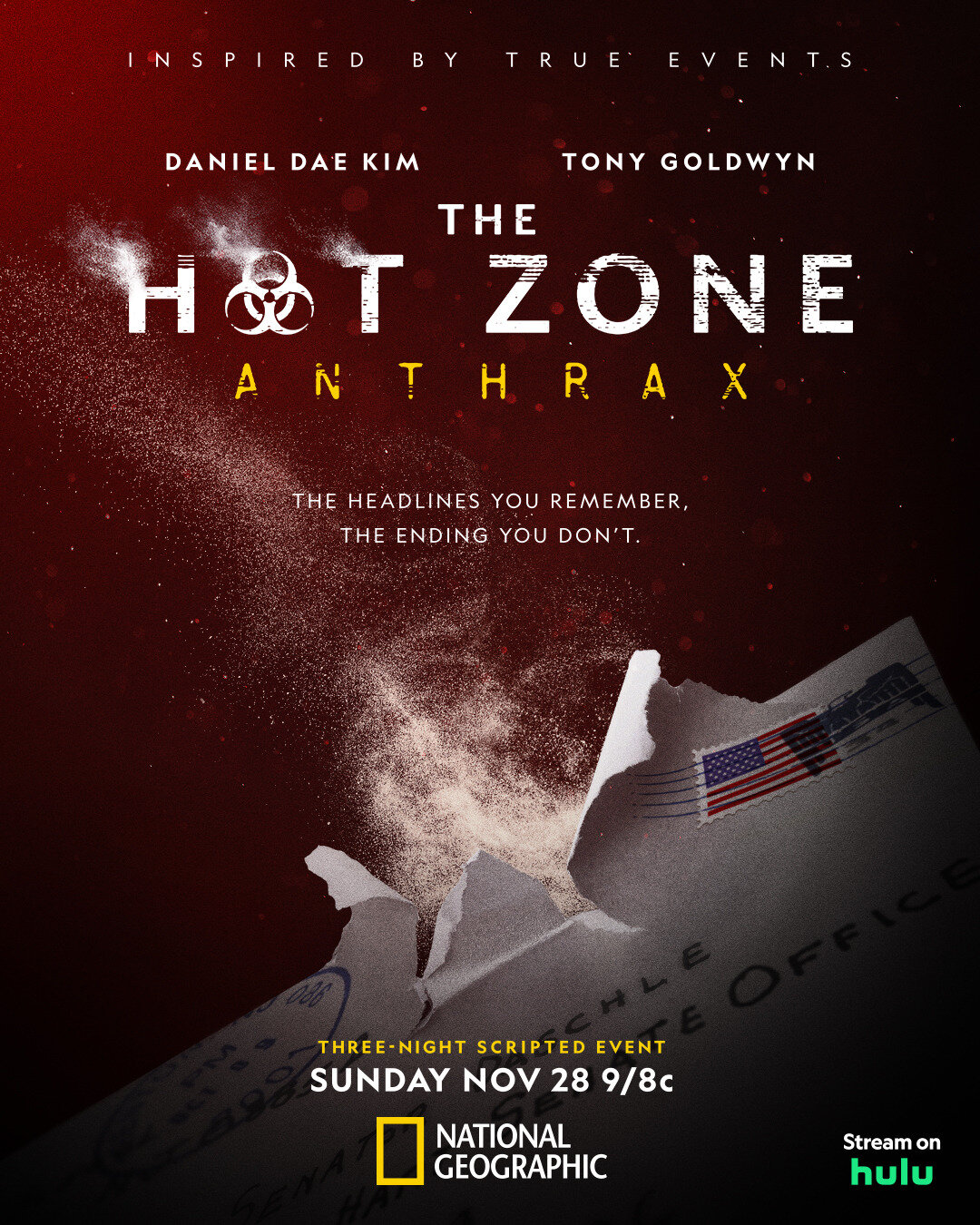
The Hot Zone2019
A limited series that traces Ebola from its origins to the 1989 outbreak near Washington, D.C. It makes epidemiology visceral without sensation—showing how fear and protocol collide when everything is unknown.
But The medical horror is relentless and specific. If gore or graphic illness unsettles you, this doesn't soften the reality for drama's sake.
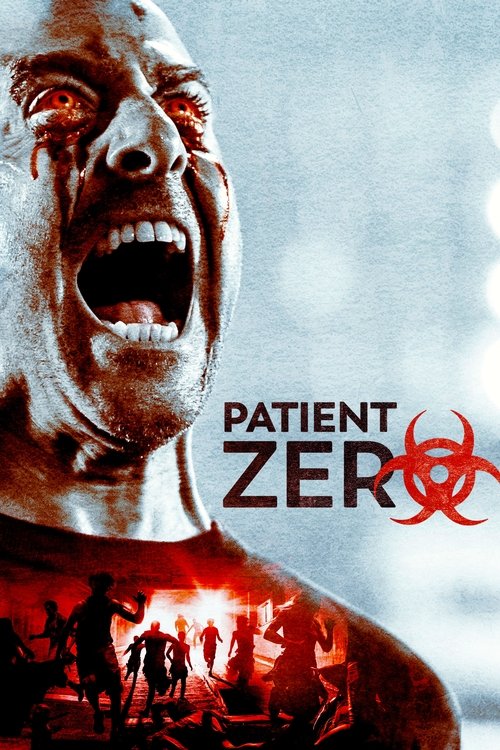
Patient Zero2018
A thriller built on the hunt for the first documented case of a new virus. It moves quickly and maintains genuine tension while exploring how epidemiologists trace outbreaks through human networks.
But It's a network-TV thriller, not a documentary. Veers toward action-movie plotting in ways that flatten the actual stakes.
Not sure tonight? Get a pick in a minute, starting from Unseen Enemy
The wildcard
Something you would not have found on your own.
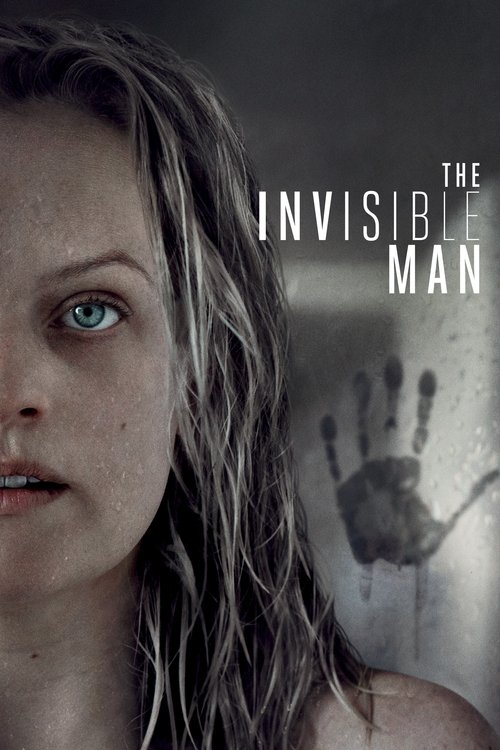
The Invisible Man2020
Both centre on the terror of invisible danger moving through the world and the systems that fail to contain it. Both ask what it means when experts cannot help because the problem isn't officially acknowledged.
Leigh Whannell's remake abandons the gothic for the contemporary. It's about a threat you cannot see, that moves through shared spaces, that exploits systems designed to protect but which fail—and about what happens when authority refuses to acknowledge it exists.
But It's a horror-thriller, not documentary. Some find the genre machinery manipulative compared to the real gravity of contagion.
More like this (8)
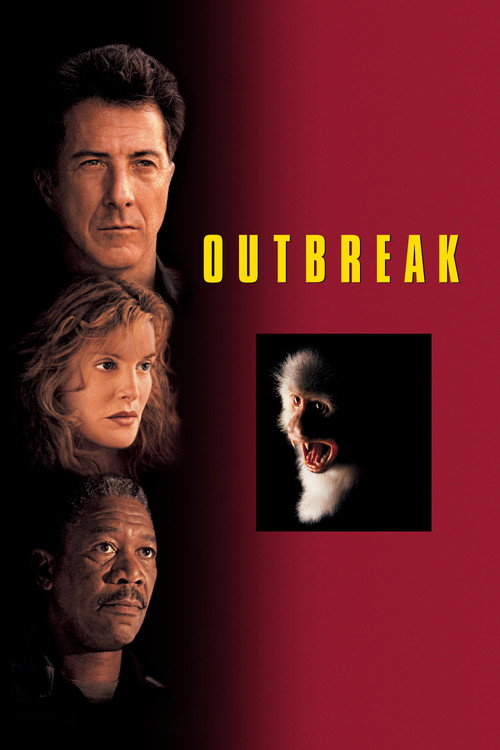
Outbreak1995
The granddaddy of pandemic thrillers, still taut and entertaining. It takes viral transmission seriously enough that the science doesn't feel like window-dressing around the action.
But Dustin Hoffman's noble virologist battling the military-industrial complex is earnest in a way that hasn't aged as a political vision. The movie believes in individual heroism too much.
Requiem for a Dream2000
A documentary-adjacent portrait of addiction and systems failure. The form—rapid cuts, parallel narratives of descent, graphic consequence—shows how a epidemic (even one we don't name that way) hollows communities.
But It's punishing by design. The accumulation of suffering without reprieve is the point, and some viewers find that didactic rather than moving.

The League2009
An Argentine miniseries that follows the 1965 dengue outbreak in Buenos Aires. It's a period piece that lets you sit inside the uncertainty and institutional chaos of a nation confronting invisible threat.
But Slower-paced than English-language epidemiological thrillers. The focus on bureaucracy and daily life means the medical drama is background noise.

And the Band Played On1993
HBO's dramatisation of the hunt for the source of AIDS. Randy Shilts' book is meticulous reporting; Spacey, Lithgow and others make the scientific detective work human and urgent without compromising the facts.
But It's a 90s political drama. The earnestness is dated, and some directorial choices that felt radical then now feel like TV.

Stalker1979
Tarkovsky's science-fiction meditation on desire, knowledge, and invisible danger. A guide leads seekers through a forbidden zone toward a wish-granting room. The dread is metaphysical, but the structure—unknown threat, boundary, trespass—echoes pandemic logic.
But It's 163 minutes of slow cinema. If you need plot momentum or clear payoff, this will feel like penance rather than revelation.

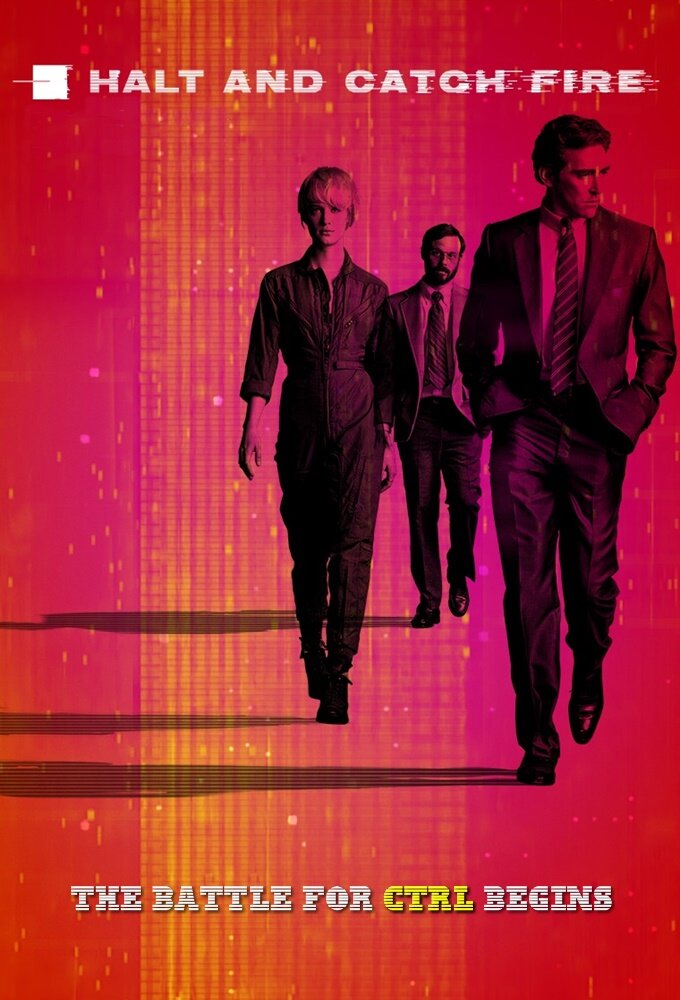
Halt and Catch Fire2014
A series about the personal and economic systems that drive the early computer industry. It's about networks, interconnection, unintended consequences—the infrastructure that makes modern pandemics possible.
But It's not about disease at all. The thematic connection requires you to do interpretive work; the show doesn't hand it to you.
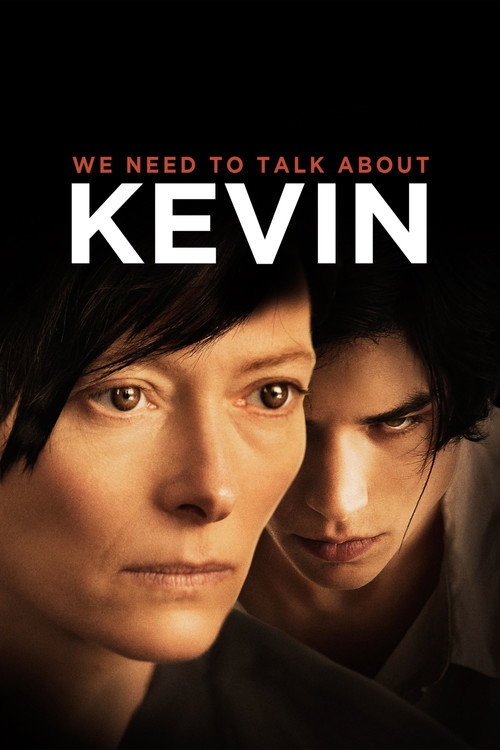
We Need to Talk About Kevin2011
Both use documentary precision—the accumulation of small facts—to trace how a catastrophe becomes inevitable. Both refuse to locate blame in a single moment; both show how systems and choices compound.
Lynne Ramsay's fractured, precise dissection of a mother's culpability in raising a killer. It's structured as forensic investigation—tracing cause backward through time, finding failures and inflection points that seem obvious in retrospect.
But It's deliberately disorienting and bleak. The formal difficulty and the psychological horror combine into something actively unpleasant for some viewers.
Three Billboards Outside Ebbing, Missouri2017
Both show how vulnerability concentrates in certain populations. Both ask you to see structure—borders, systems of movement, inequality—as the real architecture of crisis.
An Iranian documentary following a Chechen refugee boy in Istanbul, moving between countries and languages. Its portrait of invisible vulnerability—displacement, statelessness, the way some people move through the world at higher risk—echoes the epidemiological logic of disease vectors and populations.
But It's patient and oblique. If you want clarity or a clear narrative arc, the slow accumulation of observation will frustrate rather than illuminate.

People
Cast
 Jeffrey WrightNarrator (voice)
Directing
- Janet TobiasDirector
Writing
- Janet TobiasWriter
Production
- Naima VogtAssociate Producer
- Amy EntelisExecutive Producer
- Jeff FieldExecutive Producer
- Paul G. AllenExecutive Producer
- Sabine RollbergExecutive Producer
- Sanjay GuptaExecutive Producer
- Janet TobiasProducer
- Michael EhrenzweigProducer
- Peter W KleinProducer
- Roger LopezProducer
- Courtney SextonSupervising Producer