
Film
The Day After Trinity
A meticulously constructed portrait of Oppenheimer and the Manhattan Project, built from interviews with the scientists who built the bomb and archival footage of a man grappling with what he'd unleashed. It's measured, intelligent, and profoundly unsettling—not about spectacle but about conscience, ambition, and the weight of consequence. For anyone drawn to how power corrupts, how knowledge can burden, how history pivots on individual choice.
If you liked this
Oppenheimer2023
Nolan's sweeping dramatization captures the same moral reckoning but with the intensity of narrative cinema. It brings you into Oppenheimer's psychology—his ego, his fear, his attempts at redemption. If Trinity fascinates you, this shows you what the stakes felt like from inside his head.
But Three-and-a-half hours of intricate plot machinery. Some find it emotionally distant despite its grandeur, and the fractured timeline demands close attention.
The Fog of War2003
Errol Morris examines Robert McNamara's role in Vietnam with the same documentary rigor and moral weight. Another brilliant man haunted by consequences, another meditation on how power holders reckon with history. Both films trust the viewer to think.
But Deliberately slow and introspective. If you want kinetic storytelling or clear answers, this will frustrate you. It's about sitting with ambiguity.
Dr. Strangelove or: How I Learned to Stop Worrying and Love the Bomb1964
Kubrick's black comedy is the nightmare version of what Trinity documents soberly—the absurd logic of nuclear deterrence. It channels the same dread but through satire, making the incomprehensibility of the nuclear age both hilarious and horrifying.
But The comedy might feel disrespectful if you're looking for reverence. Also, it's now 60 years old and some of the references feel dated, though that oddly reinforces its point.
Not sure tonight? Get a pick in a minute, starting from The Day After Trinity
The wildcard
Something you would not have found on your own.
On the Beach1959
Both are unflinching examinations of what nuclear weapons actually mean—not as strategic abstractions but as the literal end of human life. Trinity shows you the mind; Beach shows you the reckoning.
A 1959 American film imagining the end of civilization after nuclear war—made when the bomb was still young enough that Americans could see their own extinction in it. It's the emotional and imaginative consequence of what Trinity documents. Quiet, fatalistic, uncompromising.
But Slow pacing and dated production design. Some of the acting feels mannered by modern standards, and the fatalism can feel dramatically inert if you're used to contemporary narrative momentum.

More like this (6)
Threads1984
A unflinching British docudrama about nuclear war's actual consequences—what happens after the bomb falls. If Trinity makes you wonder about the weight on Oppenheimer's conscience, Threads shows you why that weight was justified. Genuinely devastating.
But Relentlessly bleak. This isn't intellectual debate; it's graphic depiction of suffering on a mass scale. Many people find it unwatchable, and that's a fair response.
Cosmos1980
Carl Sagan's spirit guides this series, which asks the same question Trinity does: what is our responsibility to the knowledge we possess? It's wonder and caution in perfect balance, exploring human curiosity without flinching from human capacity for destruction.
But Thirteen hours is a commitment. Some episodes feel more speculative than evidential, and the tone of cosmic awe won't resonate if you prefer harder science or faster pacing.

Inside Job2010
A different kind of reckoning—about how brilliant people convinced themselves (or lied about being convinced) that their actions were justified. The same pattern of intelligence deployed to avoid accountability. Sharp, angry, meticulously sourced.
But Narrower in scope than Trinity and more polemical in tone. If you prefer documentaries without a point of view, this will feel like an argument rather than an inquiry.

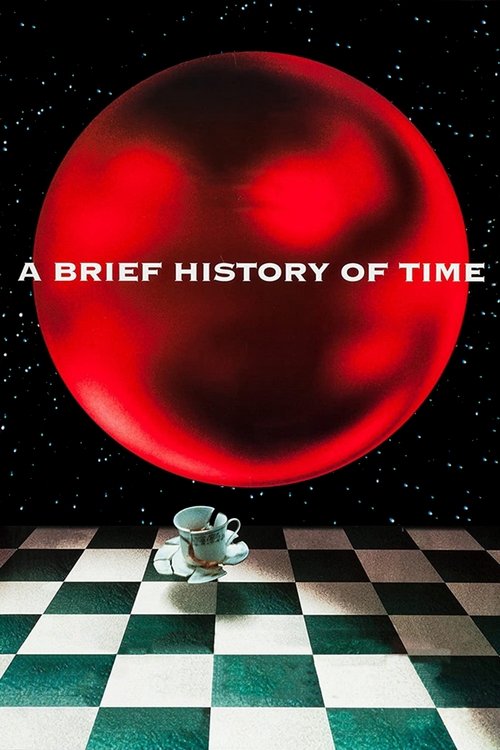
A Brief History of Time1991
Errol Morris's portrait of Stephen Hawking offers quiet meditation on how a mind works when confined by a body, on legacy and explanation. It shares Trinity's faith in patient observation and its respect for the viewer's intelligence.
But Even slower and more personal than Trinity. Some find it too intimate, too much about disability, too little about physics. Not everyone wants to sit with that kind of stillness.
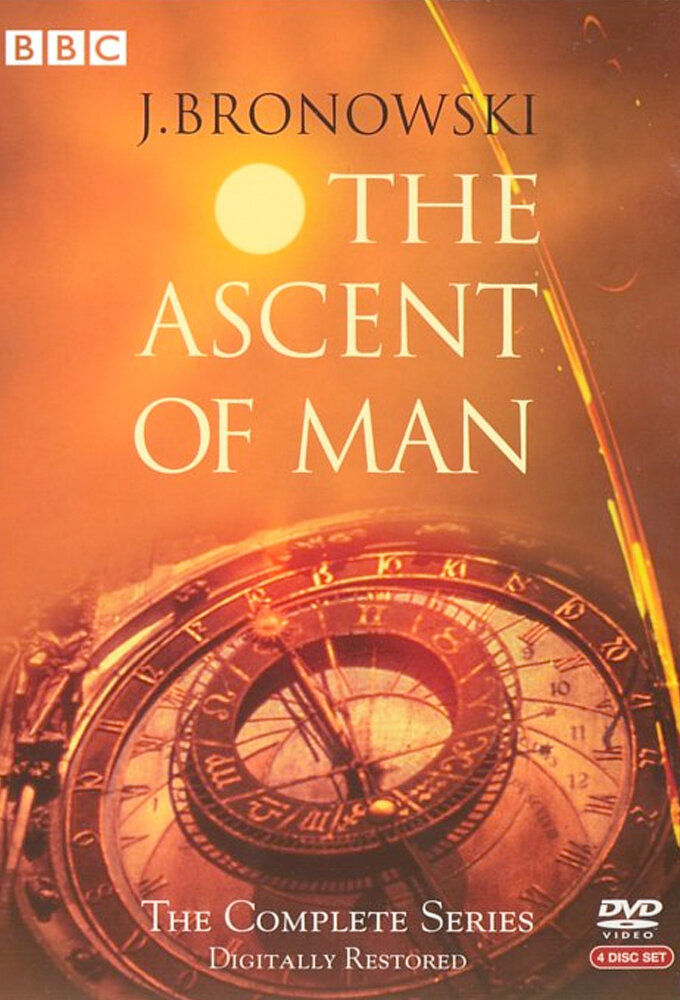
The Ascent of Man1973
Both ask the same question: what does a scientist owe the world for the power their knowledge gives them? Bronowski provides the philosophical framework that Trinity documents in a single life.
Jacob Bronowski's thirteen-part series about scientific progress and human civilization, culminating in a profound meditation on responsibility at Auschwitz. Bronowski was a mathematician and poet—he speaks to the moral weight of knowledge itself, which is Trinity's deepest concern.
But Paced for 1970s television. It's essayistic and meditative rather than narrative. Some of Bronowski's arguments feel dated, and the production values are deliberately austere.
Stalker1979
Both explore the gap between intellectual understanding and moral comprehension. Oppenheimer could calculate the physics but couldn't foresee the weight it would place on his conscience. Stalker is that gap made literal and metaphysical—what you think you want versus what wanting actually costs.
Tarkovsky's metaphysical journey into a mysterious zone containing a wish-granting room. It's about the human desire for transcendence and the terror of actually obtaining it—a meditation on temptation and consequence disguised as science fiction. Haunting, hypnotic, profoundly strange.
But Slow cinema taken to an extreme. Two hours forty minutes with minimal plot. If you need clear narrative or conventional drama, this will feel pretentious and impenetrable.

People
Cast
 Paul FreesSelf - Narrator (voice)
 Jon ElseSelf - Interviewer
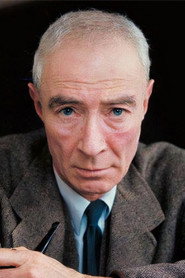 J. Robert OppenheimerSelf (archive footage)
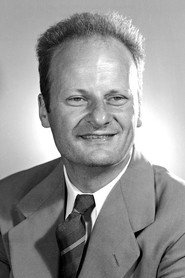 Hans BetheSelf
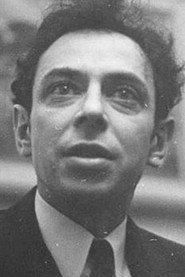
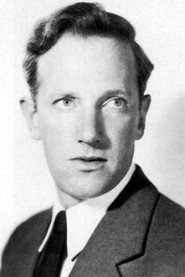 Haakon ChevalierSelf
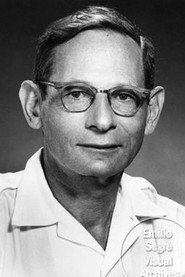 Robert SerberSelf
- Holm BursomSelf
- Stirling ColgateSelf
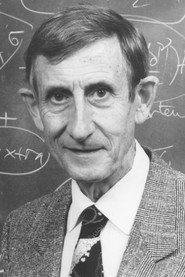 Freeman DysonSelf
- Susan EvansSelf
Directing
- Jon ElseDirector
Writing
- David Webb PeoplesWriter
- Janet PeoplesWriter
- Jon ElseWriter
Production
- Courtney FlavinAssociate Producer
- Kathryn WitteAssociate Producer
- Martha OlsonAssociate Producer
- Peter R. BakerExecutive Producer
- Tom SternLocation Manager
- Jon ElseProducer