
Film
Roadgames
- Crime thriller
- Serial killer
- Slasher
- Very dark
A truck driver on an Australian highway becomes obsessed with catching a serial killer he suspects is operating nearby, turning a routine haul into a psychological thriller. It's *Rear Window* behind the wheel—patient, clever, mostly confined to a cab, building dread through observation and deduction. For people who love the mechanics of suspense more than jump scares.
If you liked this
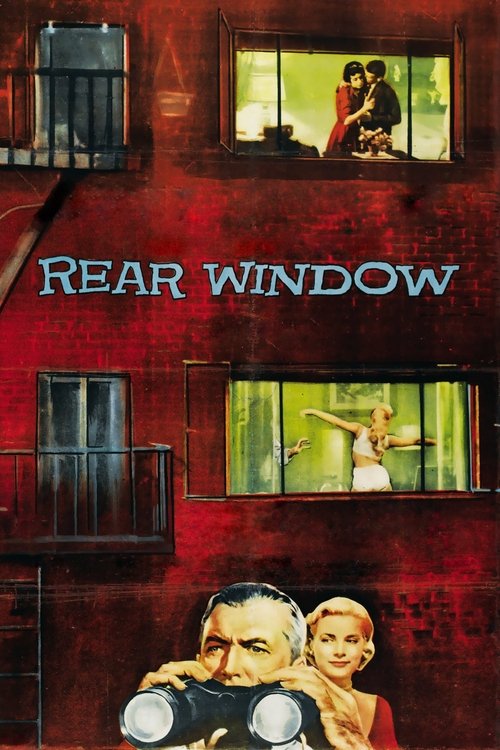
Rear Window1954
Hitchcock's masterpiece of suspense-through-confinement: a man immobilized in an apartment becomes convinced he's witnessing a murder. Like *Roadgames*, it's about what you can deduce from watching, and whether you're paranoid or right.
But It's a Hitchcock film from 1951, so if you're allergic to the deliberate pace and the gender politics of that era, you won't find modern sensibilities here.
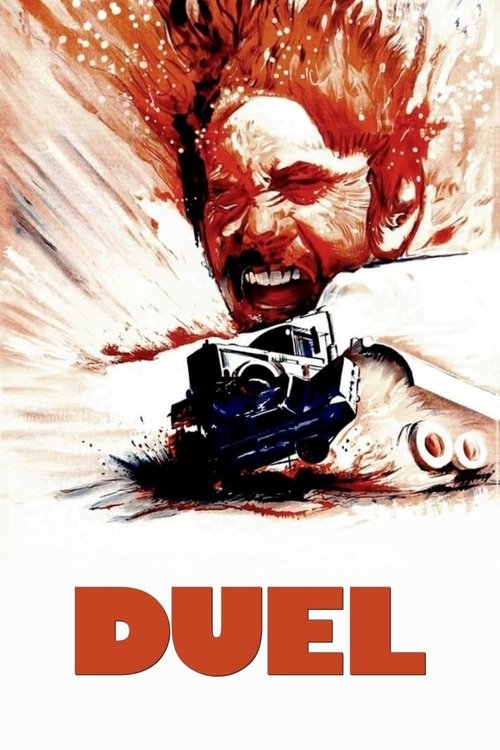
Duel1971
Spielberg's lean, relentless thriller: a motorist pursued by an unseen truck driver across empty highways. Same road-based cat-and-mouse energy, same sense that the vehicle itself becomes a character and a trap.
But It's very thin on plot and character development—if you need psychological depth or backstory, you'll find it frustratingly sparse.
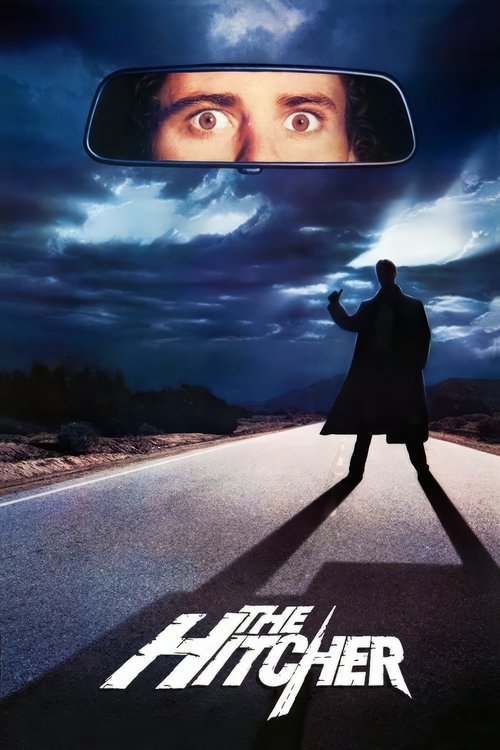
The Hitcher1986
A driver picks up a hitchhiker who is serially murdering people along the highway. It has *Roadgames*' setting and its obsessive protagonist, but cranks the malice and body count to fever pitch instead of playing it as a puzzle.
But It's gratuitously violent and nasty in ways that feel designed to disturb rather than to tell a story. Some viewers find it ugly rather than thrilling.
Not sure tonight? Get a pick in a minute, starting from Roadgames
The wildcard
Something you would not have found on your own.
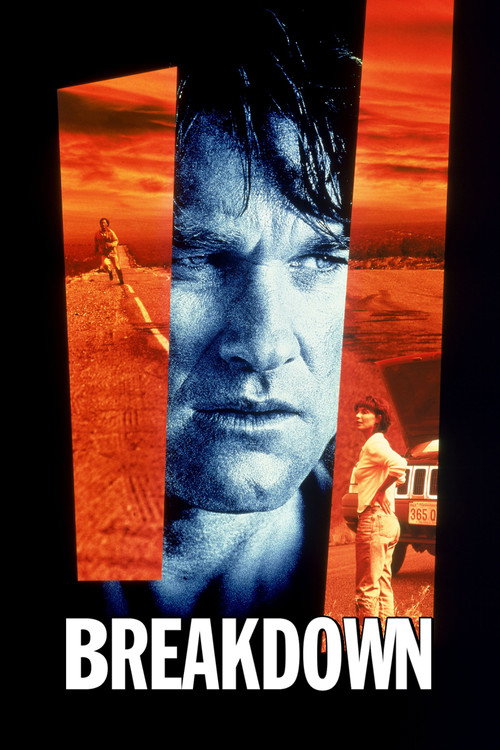
Breakdown1997
Both trap their protagonist in a mobile space (cab/desert) and build dread through isolation, miscommunication, and the question of whether the danger is real or imagined—but *Breakdown* makes the protagonist prey rather than hunter.
Kurt Russell's everyman breaks down in the desert and suspects foul play when trying to get help. It's set on isolated highways like *Roadgames*, but it inverts the power dynamic—the protagonist is vulnerable, not resourceful—and ratchets the paranoia into claustrophobic modern horror.
But It's a '90s action-thriller that relies on some plot contrivances and the sort of masculine problem-solving that hasn't aged gracefully.
More like this (7)
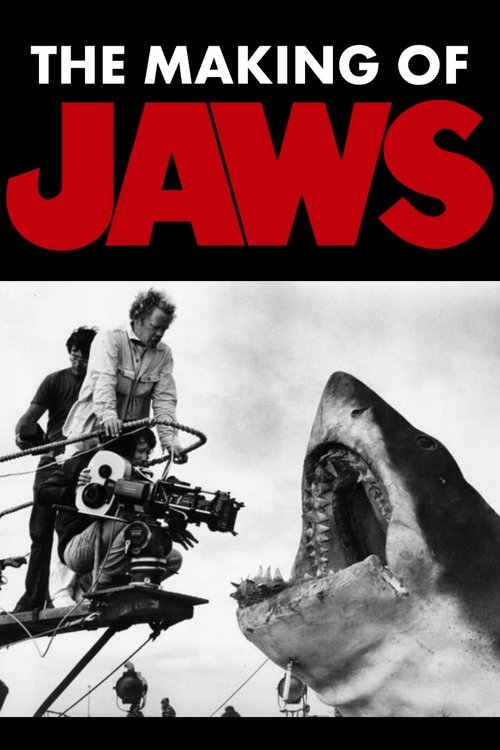
The Making of 'Jaws'1995
A slow-burn thriller about three men on a boat, hunting something they can't quite see or predict. It has *Roadgames*' intelligence and its willingness to let scenes breathe—suspense as a marathon, not a sprint.
But The shark occasionally looks unconvincing by today's standards, and if you need a story that moves faster in the first half, you'll fidget.
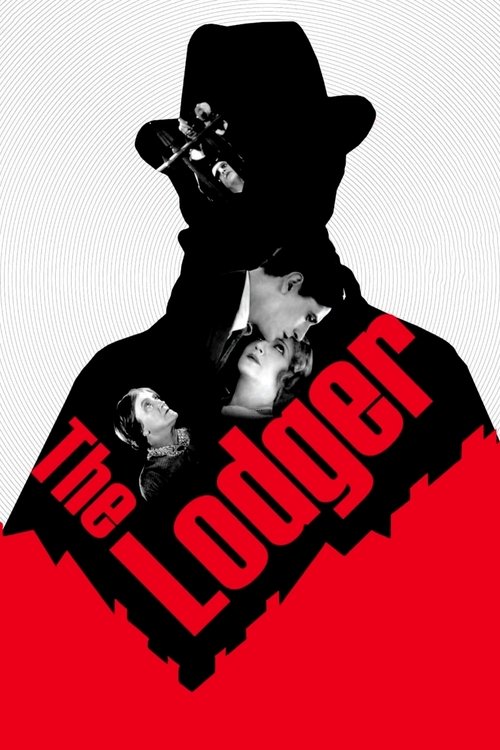
The Lodger: A Story of the London Fog1927
Hitchcock's proto-thriller about a suspicious lodger in a London townhouse during a serial killer panic. It invented the template that *Roadgames* uses: confinement, paranoia, a watcher convinced of guilt without proof.
But It's a silent film from 1927. If you're not accustomed to silent cinema or to Expressionist visual language, the approach can feel alien.
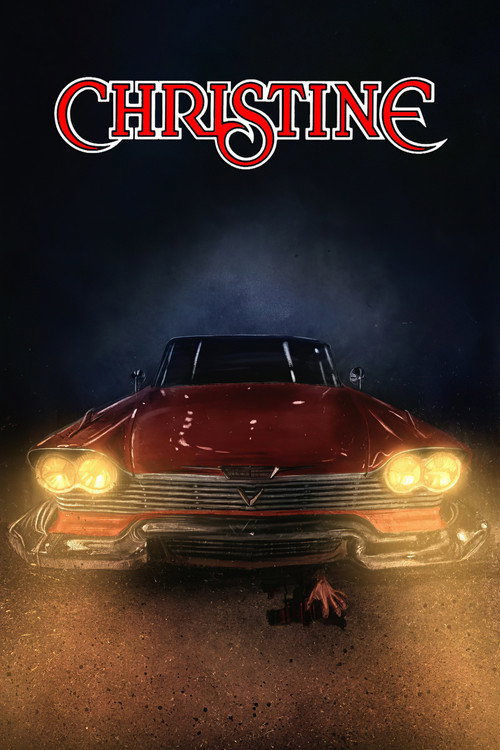
Christine1983
John Carpenter's tale of a cursed car that becomes sentient and protective of its owner. Like *Roadgames*, the vehicle is almost a character, and the atmosphere is built through long takes and John Carpenter's surgical precision.
But It's a Stephen King adaptation about a car—the premise is inherently absurd, and the film doesn't apologize for it, which some will find ridiculous rather than fun.
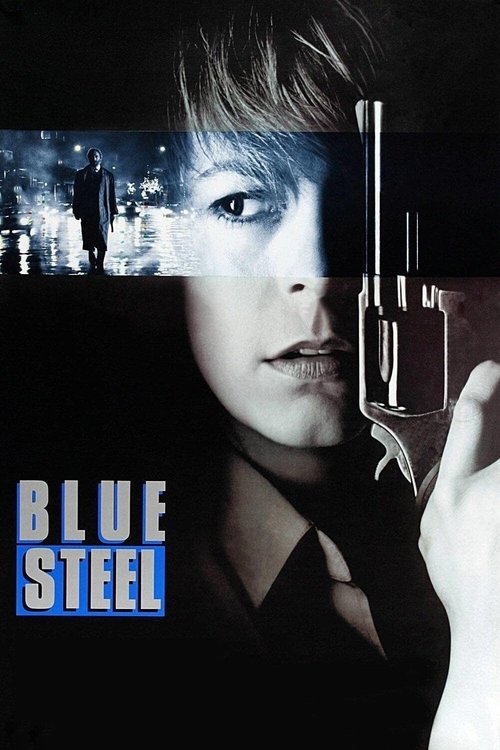
Blue Steel1990
Kathryn Bigelow's taut, stylish thriller about a cop and a serial killer in New York. It has *Roadgames*' cat-and-mouse structure and its interest in how obsession can distort judgment and risk.
But It's an '80s action thriller, so the plotting can feel thin by modern standards, and some sequences now read as dated in their execution.
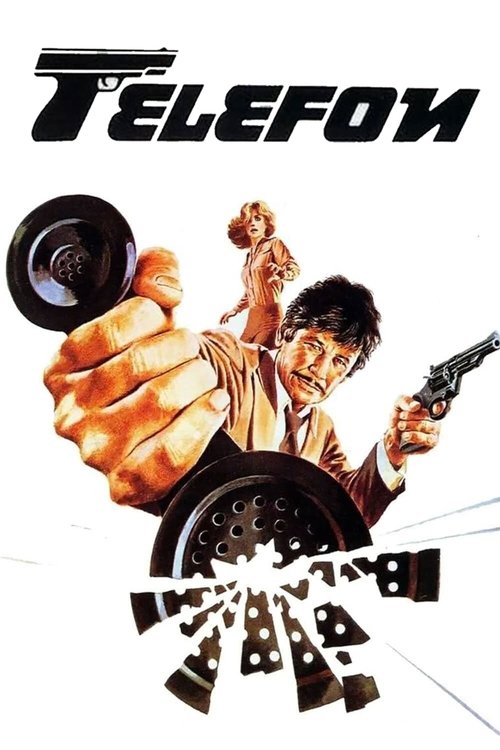
Telefon1977
A thriller about two agents hunting each other across America. It has *Roadgames*' cross-country movement and its cat-and-mouse pacing, though it adds spy-craft and a Cold War angle.
But It's a 1970s thriller that plays it very straight; it's not bad, but it's not distinctive enough to feel like essential viewing.
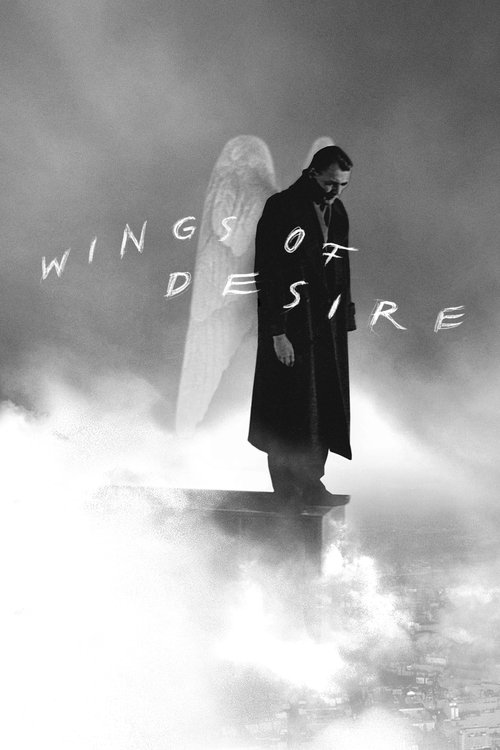
Wings of Desire1987
Both are films about observers watching people from a distance, trying to understand motive and consequence. The mechanics of suspense and the mechanics of empathy are structurally similar.
Wim Wenders' poetic meditation on Berlin during the Cold War, following angels watching over a divided city. Utterly different in tone and genre, but it shares *Roadgames*' patient, observational style—watching, waiting, deducing what humans will do next.
But It's a philosophical art film in German, running 128 minutes, with no plot in the conventional sense. If you need narrative momentum or dialogue-driven drama, you will be bored.
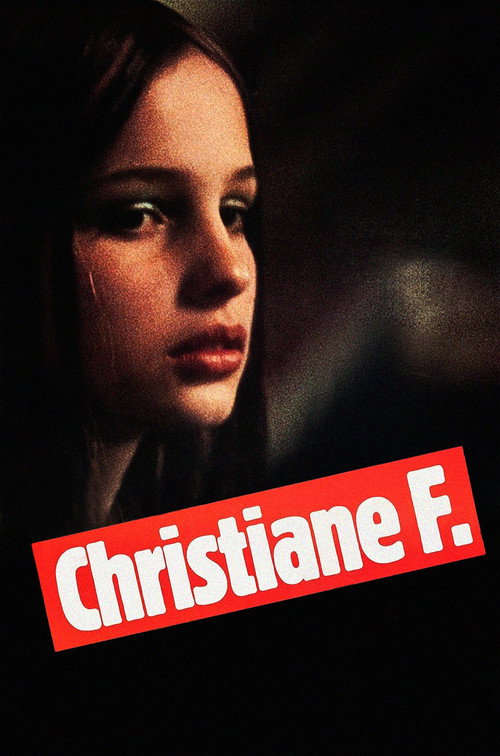
Christiane F.1981
Both are 1981 thrillers in which the real horror is human behavior—not supernatural, not sensational, but the small accumulated decisions that trap people. Both have an almost documentary coldness.
A German documentary-style drama about a teenage girl's descent into heroin addiction on the streets of Berlin. Shot the same year as *Roadgames*, it has the same unflinching eye for how people make terrible choices, and the same aesthetic of gritty realism.
But It's deeply harrowing and devoid of redemption. The subject matter is brutal, and it offers no comfort or narrative resolution—it's a document of ruin.
People
Cast
 Stacy KeachPatrick 'Pat' Quid
 Jamie Lee CurtisPamela 'Hitch' Rushworth
- Marion EdwardMadeleine 'Frita' Day
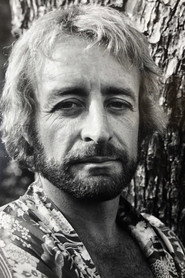 Grant PageSmith or Jones
- Thaddeus SmithPoliceman 'Abbott'
- Steve MillichampPoliceman 'Costello'
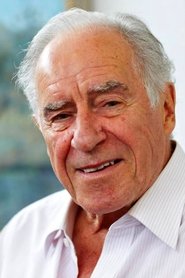 Alan HopgoodLester
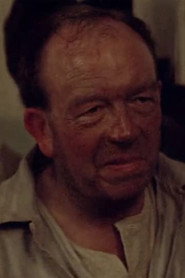 John MurphyBenny Balls
- Bill StaceyCaptain Careful
- Robert ThompsonSneezy Rider
- Ed TurleyRoadhouse Proprietor
- Angelica La BozzettaYoung Hitchhiker
Directing
- James ParkerAssistant Director
- Robert KewleyAssistant Director
- Tom BurstallAssistant Director
- Richard FranklinDirector
- Anne McLeodScript Supervisor
Writing
- Everett De RocheOriginal Story
- Richard FranklinOriginal Story
- Everett De RocheScreenplay
Production
- Barbi TaylorCo-Producer
- Bernard SchwartzExecutive Producer
- Helen ListonLocation Manager
- Richard FranklinProducer
- Billy BaxterProduction Assistant
- Warwick RossProduction Assistant
- Barbara GibbsProduction Manager
- Greg RicketsonProduction Manager
- Helen WattsProduction Secretary