
Film
Dreamchild
- Biopic
- Slow-burning
Dreamchild follows elderly Alice Hargreaves as she returns to America for a Carroll retrospective, excavating her childhood bond with Lewis Carroll—the friendship that inspired Alice in Wonderland. It's a film of gentle ghosts, blending period recreation with surreal fantasy sequences. For anyone curious about the real person behind the icon, or drawn to stories about how art shapes those closest to its creation.
Should you watch it?
Watch it if you are drawn to films that revisit a famous children's book through memory, where the fairy-tale imagery is haunted by what grown-up hindsight reveals and the tone stays quiet and melancholy.
Skip it if you're hoping for Wonderland whimsy to carry the film, since most of it is a talky, backward-looking present where memory does the work.
What it asks of you: A slow, chatty 94 minutes with a quiet, reflective mood; little rushes it along, and the weight builds from accumulated conversation rather than set-piece action.
Not sure? Find tonight's pick in a minute.
If you liked this
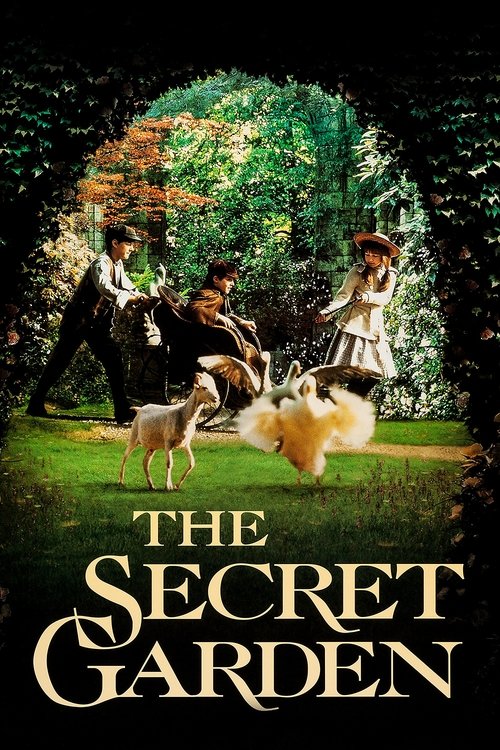
The Secret Garden1993
A lush period fantasy that also centers a young girl's intense, transformative relationship with a mysterious adult figure. Features similar production design beauty and emotional depth beneath the magic.
But The pacing is leisurely and the magic-as-metaphor approach may feel indulgent if you want plot momentum instead of atmosphere.
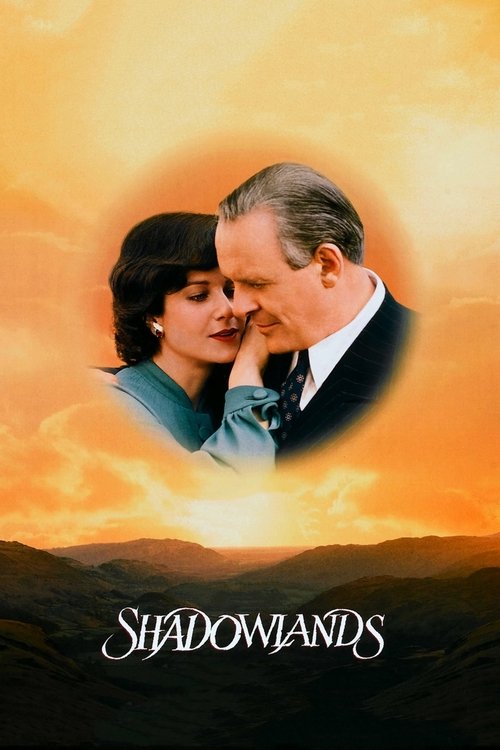
Shadowlands1993
Anthony Hopkins explores grief and the cost of love through C.S. Lewis's late-life romance. Shares Dreamchild's interest in famous authors' inner lives and the vulnerability beneath intellectual brilliance.
But It's considerably heavier and more about adult romantic loss than childhood memory. The sadness doesn't lighten.
My Left Foot: The Story of Christy Brown1989
Daniel Day-Lewis inhabits Christy Brown with ferocious specificity. A portrait of an artist and a life; celebrates individual will against circumstance with real warmth alongside the struggle.
But The emotional terrain is rawer and more physically demanding. This isn't a reflective reverie—it's confrontational.

Not sure tonight? Get a pick in a minute, starting from Dreamchild
The wildcard
Something you would not have found on your own.
Possession1981
Both use fantastical imagery to excavate the cost of close relationships; both suggest the mind becomes untethered when processing betrayal and loss.
Andrzej Żuławski's fever dream of a marriage collapsing into literal nightmares. Both films use surrealism to externalize emotional truth, but Possession is anarchic where Dreamchild is composed. A shocking, flesh-crawling companion piece about obsession and creation.
But Viscerally disturbing and sexually explicit in ways that will alienate viewers. The narrative deliberately refuses coherence. Not a comfort watch.

More like this (8)
Beloved1998
Another exploration of how the past haunts the present through magical realism and memory. Toni Morrison's prose sensibility adapted into visuals; gorgeous and formally ambitious about trauma and recollection.
But Much darker in subject matter—this deals with slavery and infanticide. The fantasy sequences can feel tonally fractured if you're not prepared for the mix.
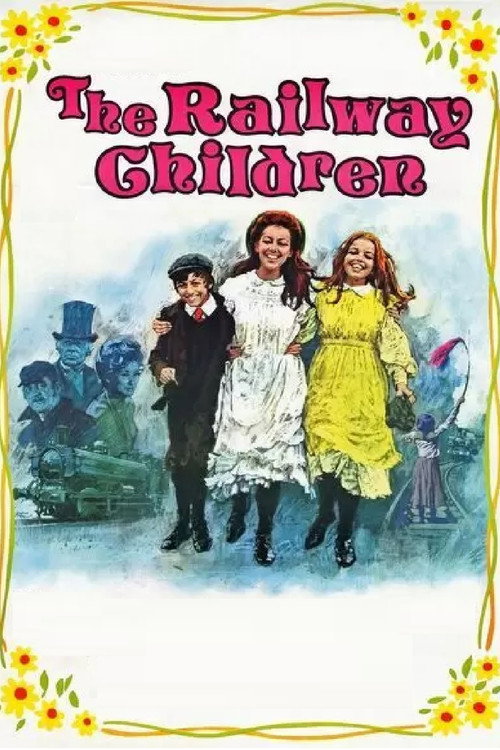
The Railway Children1970
A tender film about children's resilience and imagination, set in Edwardian England. Captures a similar period nostalgia and belief in the redemptive power of wonder and relationships.
But It's genuinely gentle in a way modern audiences sometimes find too slight. No edge whatsoever.
The Remains of the Day1993
Anthony Hopkins again, but this time as a man looking back on a life spent in service and restraint. Shares Dreamchild's meditation on what was lost in devotion and duty.
But The emotional payoff is deliberately muted. Stevens never fully breaks open, which is the point—but that restraint won't satisfy everyone.

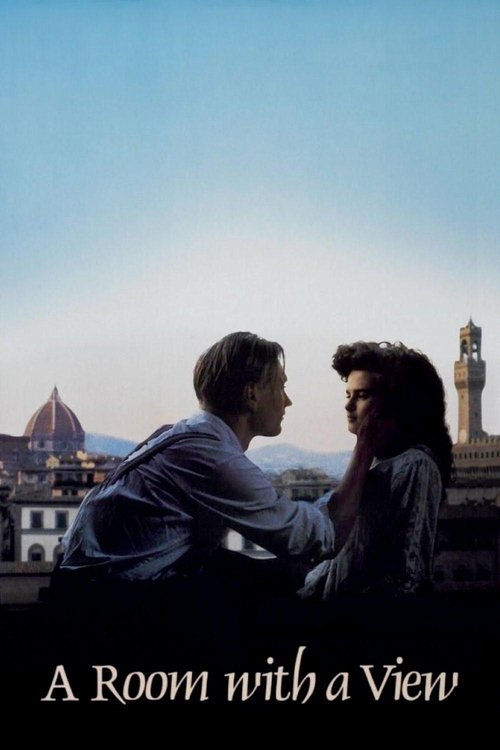
A Room with a View1986
Released the same year as Dreamchild, this Merchant-Ivory adaptation captures similar production elegance and explores how formative relationships shape who we become, for better and worse.
But Very much a period romance; if you find that aesthetic chilly or overly refined, this won't convert you.
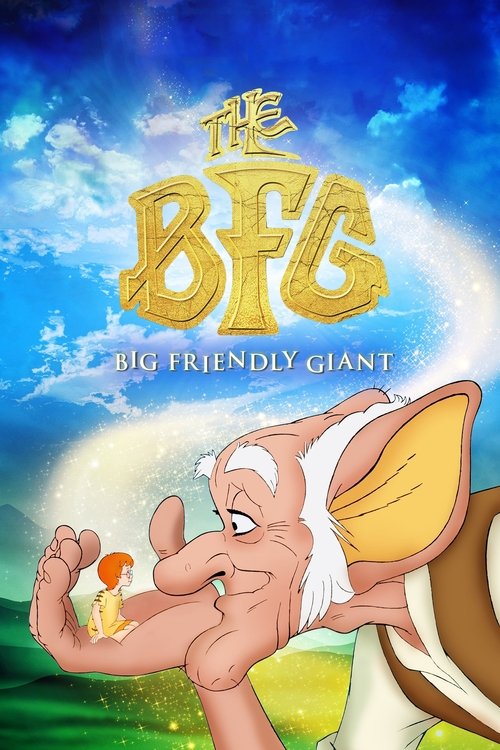
The BFG1990
Spielberg's adaptation of Roald Dahl uses fantasy and dream imagery to explore a child's bond with a protective, strange figure. Visual invention in service of emotional clarity.
But Considerably more whimsical and less psychologically complex. The tone is deliberately lighter throughout.
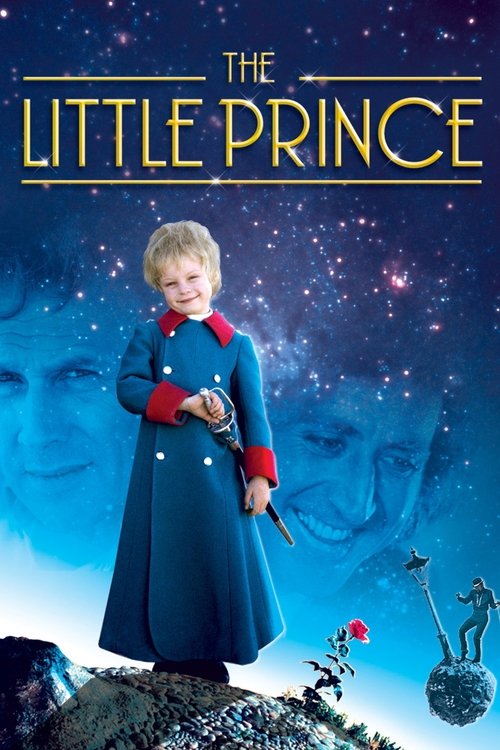
The Little Prince1974
Another meditation on the relationship between a child and an imaginative adult, using fairy tale and allegory to explore loss, connection, and how stories shape memory.
But The musical elements feel dated, and the film strains to contain Saint-Exupéry's layered fable. Unevenness can distract.
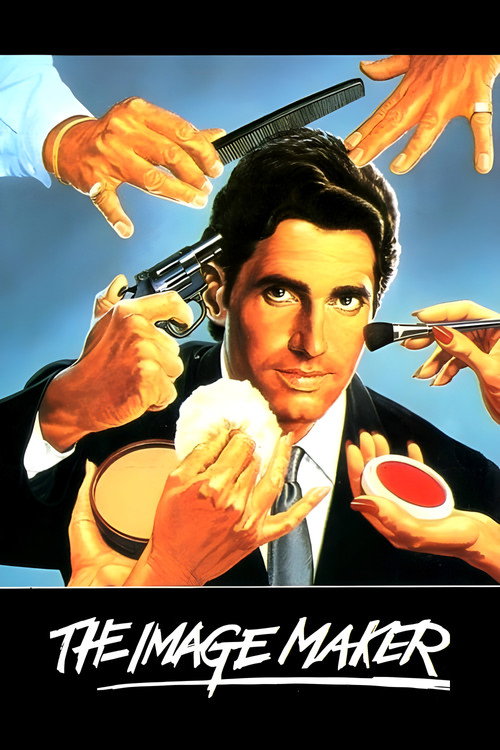
The Imagemaker1986
Both films interrogate the gap between the author/creator and the creation, and how being trapped in someone else's story about you can distort your own sense of self.
A documentary-inflected narrative about a political operative's moral compromise, told through reconstructed scenes and direct address. An entirely different formal approach to memory and the gap between public persona and private self—what happens when the story you told the world becomes your prison.
But The experimental structure confuses some viewers. It's opaque about plot and rewards patience over conventional narrative satisfaction.
Synecdoche, New York2008
Both use Carroll/Kaufman's actual biographical parallels as a foundation for exploring the corruption of innocence through art and the artist's inability to separate love from creation.
Charlie Kaufman's labyrinthine meditation on art, death, and the dissolution of the boundary between life and artwork. Like Dreamchild, it's about an aging artist grappling with what they made and what it cost them—but in Kaufman's hands, it becomes a recursive nightmare where the creator and creation merge completely.
But Willfully difficult and three hours long. The tone lurches between comedy and dread in ways many find insufferable. This is not a film that wants to comfort you.

People
Cast
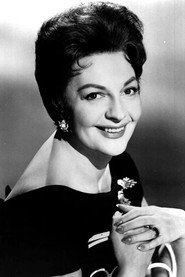 Coral BrowneAlice Hargreaves
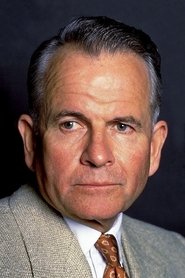 Ian HolmReverend Charles L. Dodgson / Lewis Carroll
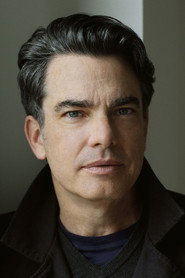 Peter GallagherJack Dolan
- Caris CorfmanSally Mackeson
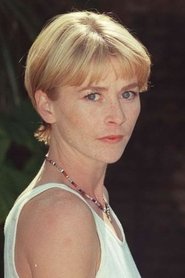 Nicola CowperLucy
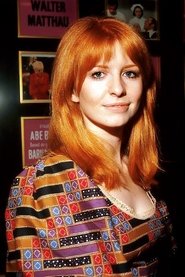 Jane AsherMrs. Liddell
 Amelia ShankleyLittle Alice
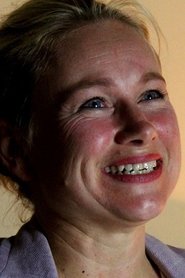 Imogen BoormanLorina
 Rupert WainwrightHargreaves
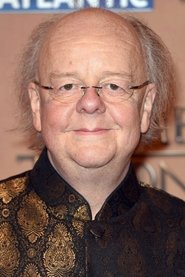 Roger Ashton-GriffithsMr. Duckworth
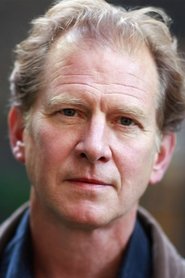 James WilbyBaker
 Shane RimmerMr. Marl
Directing
- Gavin MillarDirector
Writing
- Dennis PotterWriter
Production
- Dennis PotterExecutive Producer
- Verity LambertExecutive Producer
- Kenith TroddProducer
- Rick McCallumProducer
Recommended by
Alice in Wonderland, The Second Act of Elliott Murphy, The Man Who Invented Christmas, The Pagemaster