
Film
Deliverance
Other titles called Deliverance: the 1972 film.
A 1919 dramatization of Helen Keller's early life and her transformative relationship with Annie Sullivan. Silent film with intertitles, featuring Keller herself in the final act. Genuinely moving without sentimentality—a document of both a remarkable woman and the cinema of its moment. For anyone interested in disability history, silent film, or stories of human resilience that don't feel manufactured.
Should you watch it?
Watch it if you are drawn to early cinema's earnest, stagey melodrama, where a single true story is told with plain sincerity and broad, expressive gestures carry the feeling.
Skip it if you want brisk pacing and modern polish, since its creaky staging, earnest sentiment and reverent, lesson-driven tone can feel dated and slow.
What it asks of you: A compact feature of about an hour and a half, in distinct acts, with patience for slow, deliberate scenes and a mood that shifts between hardship and gentleness.
Not sure? Find tonight's pick in a minute.
If you liked this
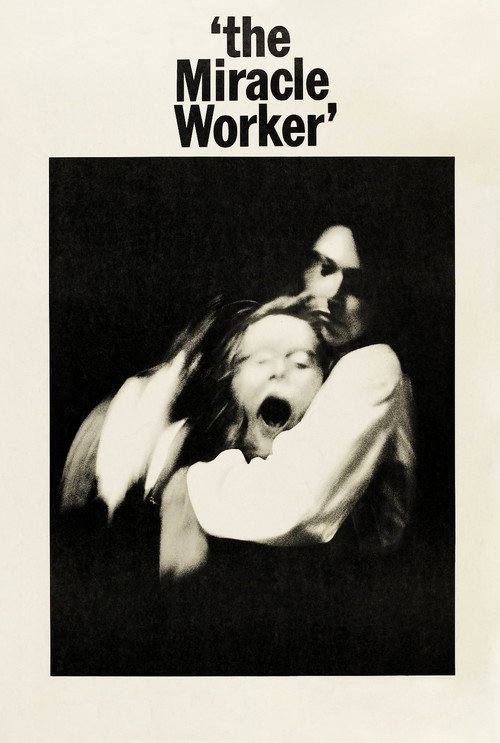
The Miracle Worker1962
The definitive dramatization of Keller and Sullivan's relationship, with Anne Bancroft's performance as Sullivan absolutely searing. Every scene crackles with frustration, breakthrough, and genuine connection. You'll understand why this story keeps being retold.
But At nearly two hours, it can feel stagey in places—Bancroft and Patty Duke are both operating at maximum intensity, which exhausts rather than moves some viewers.
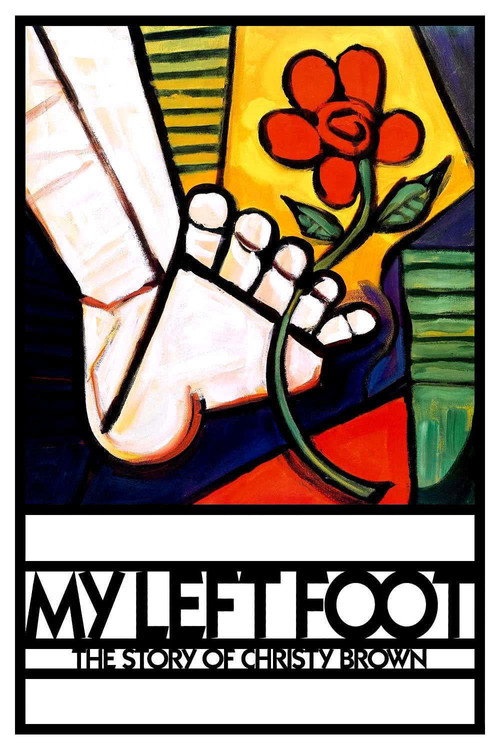
My Left Foot: The Story of Christy Brown1989
Daniel Day-Lewis inhabits Christy Brown, an Irish painter and writer with severe cerebral palsy, with such specificity and humor that it becomes a complete portrait rather than an inspiration narrative. Funny, bawdy, utterly unsentimental about disability and talent coexisting.
But The film's energy is sometimes manic and can feel scattered. Some scenes blur between genuine insight and a touch of performance-as-spectacle.
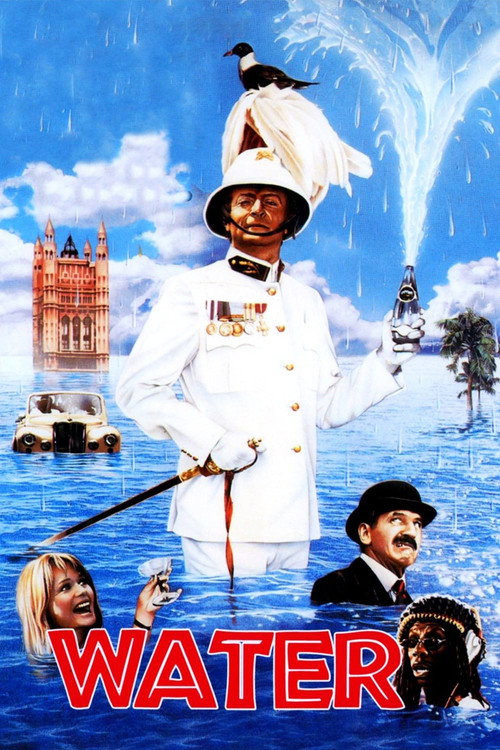
Water1985
An extraordinary documentary following a deaf-blind woman learning to communicate and navigate the world. Radically unglamorous, patient, and genuinely curious about her interiority rather than celebrating her as inspiration. One of the great disability films.
But Its deliberate pacing and lack of conventional narrative arc may frustrate viewers expecting a arc or catharsis. It asks for real attention.
Not sure tonight? Get a pick in a minute, starting from Deliverance
The wildcard
Something you would not have found on your own.
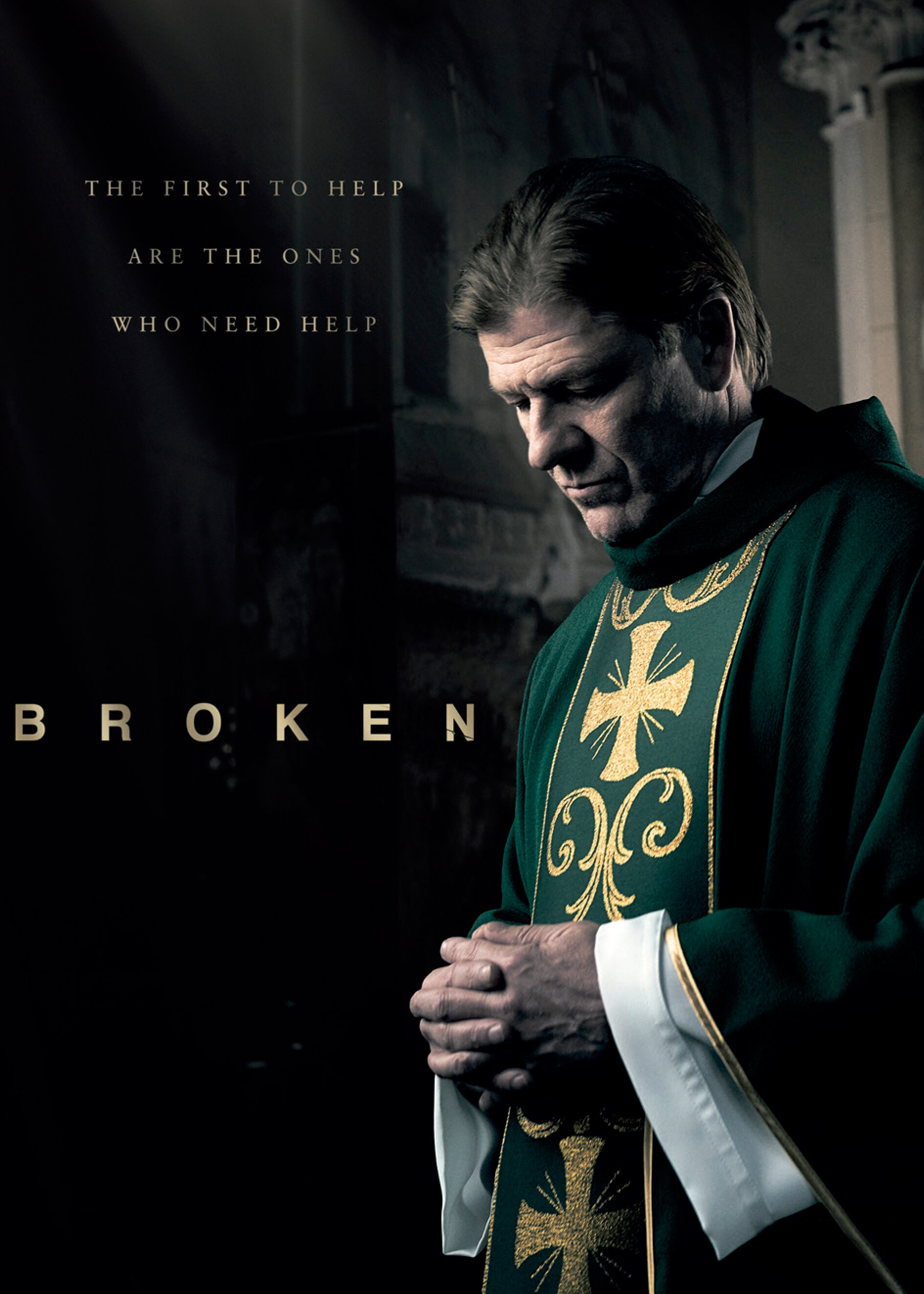
Broken2017
Both document remarkable people overcoming enormous obstacles, and both use the medium of their time (silent film, radio drama) as their storytelling language rather than apologizing for it. They don't feel like records of lives—they feel like acts of witnessing happening in real time, which is something only contemporary media can achieve.
A BBC radio drama about the life and work of Albert Schweitzer, the theologian and physician who worked in Africa. Austere, profound, and genuinely interested in the relationship between faith and action. Radio drama of this period has a clarity and weight that later television often lost.
But You cannot watch it—you can only listen. For some viewers, audio-only narrative feels like an constraint rather than an aesthetic choice. Also, Schweitzer's legacy is complicated by contemporary scholarship on his racial attitudes.
More like this (7)
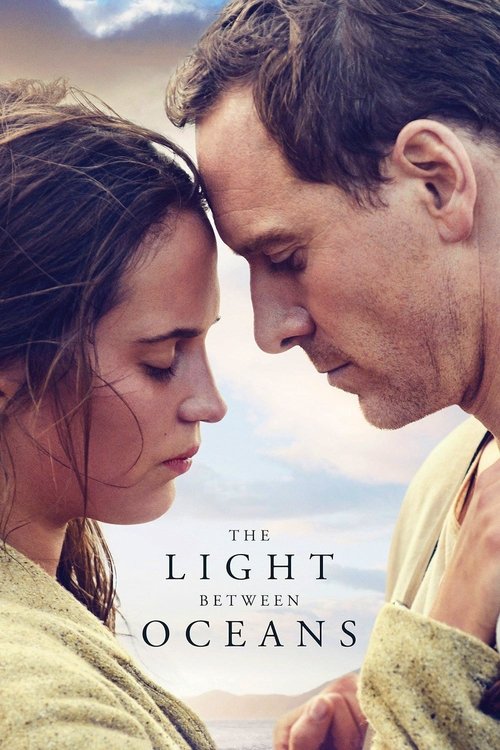
The Light Between Oceans2016
A lush, heartbreaking meditation on love, loss, and moral consequence set in 1920s Australia. Visually sumptuous and genuinely moving without manipulating you—it trusts the material and its actors to do the work.
But The pacing is slow and melancholic throughout. If you need plot momentum, this will feel like treading water for two hours.
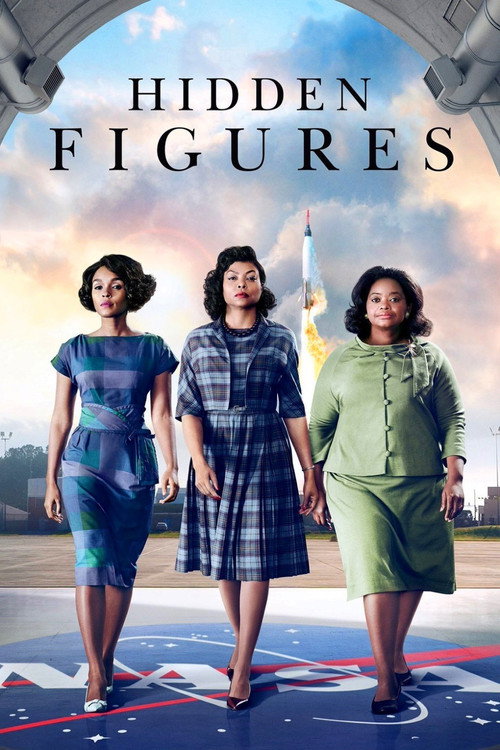
Hidden Figures2016
Black women mathematicians at NASA overcome institutional racism and sexism through brilliance and determination. It celebrates intelligence as the superpower, treats its characters with genuine respect, and never asks you to feel sorry for anyone.
But The film softens some historical edges for palatability. If you already know the real story, the Hollywood choices may frustrate.
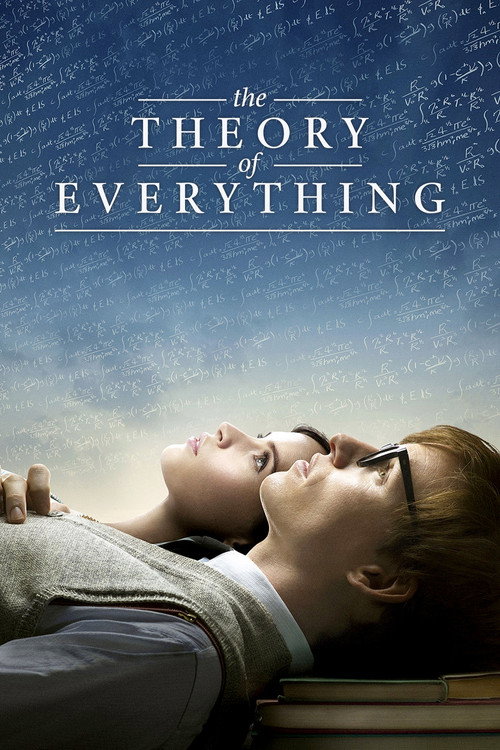
The Theory of Everything2014
Eddie Redmayne's portrayal of Stephen Hawking captures both the physical reality of ALS and the luminous mind inside, without ever turning suffering into the point. The relationship between Hawking and his first wife anchors it emotionally.
But It sometimes trades complexity for sentiment, especially in the marital scenes. The film wants you to feel inspired in ways the material doesn't always earn.
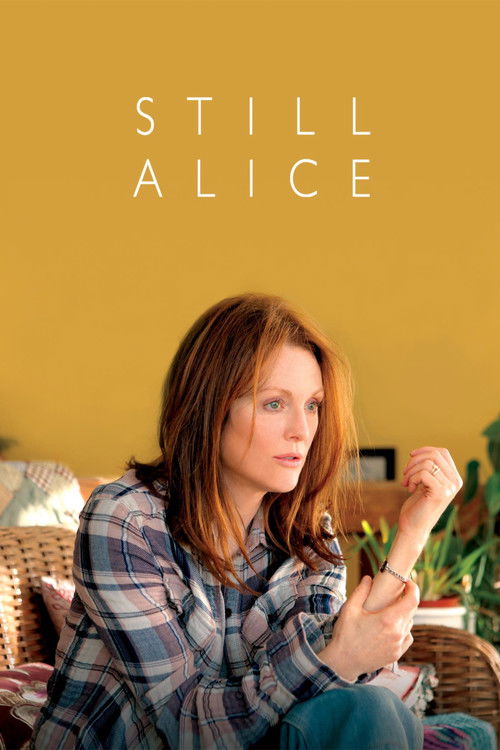
Still Alice2014
Julianne Moore as a linguistics professor facing early-onset Alzheimer's. The film refuses to sentimentalize and instead shows the particular cruelties and strange graces of cognitive decline. Devastating and humane.
But It's relentlessly bleak in the second half. Some find the unflinching approach to deterioration too punishing to sit with.
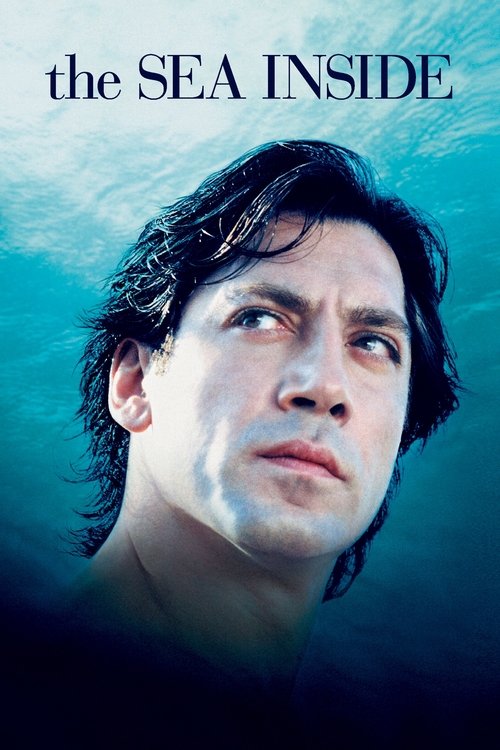
The Sea Inside2004
Javier Bardem plays a quadriplegic man fighting for the right to die, and the film treats him as a full person—passionate, funny, conflicted—rather than a symbol. It grapples with genuine moral complexity without preaching.
But The ending is difficult, and the film's position on euthanasia won't align with everyone's beliefs. Some will find that uncomfortable rather than productively challenging.
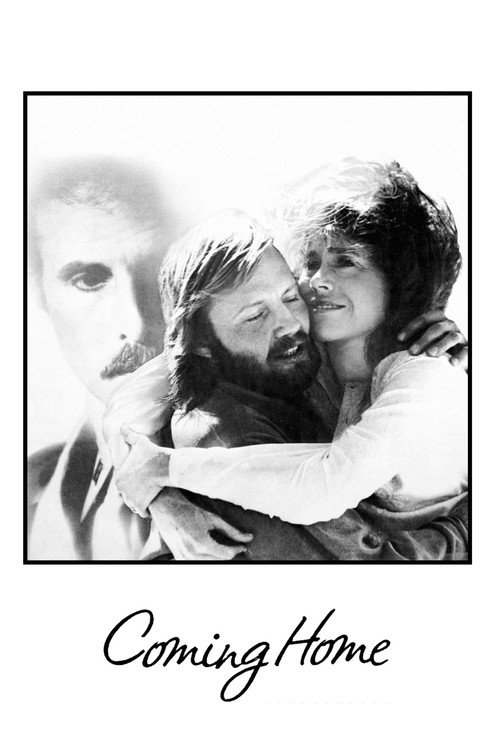
Coming Home1978
Jon Voight as a paralyzed Vietnam vet returns home to complexity, sexuality, and a life that isn't redemptive but genuinely lived. 1970s cinema at its most interested in moral ambiguity and human contradiction.
But The sexual politics feel dated in ways that distract. The film's treatment of its female characters hasn't aged as well as its treatment of disability.
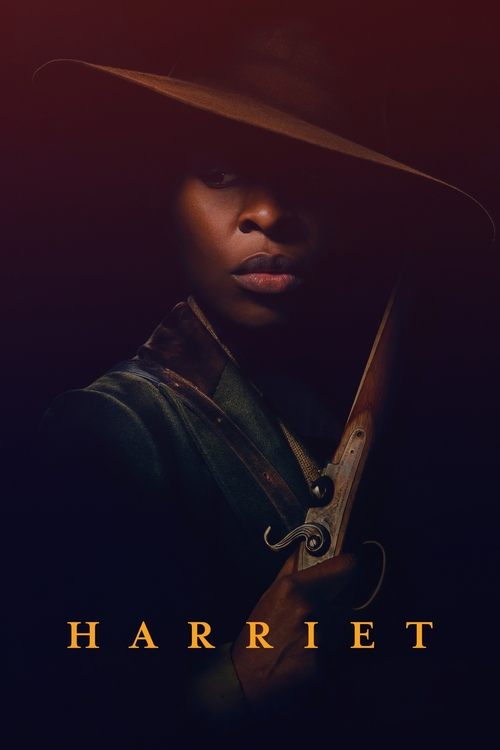
Harriet2019
Like Deliverance, Harriet centers on a real person who accomplished the seemingly impossible, and it trusts that person's actual accomplishments are more moving than any fictionalization could be. Both films understand that the most powerful story is often simply: here is what they did, here is who they were. No embellishment necessary.
Cynthia Erivo as Harriet Tubman: fierce, spiritual, strategic, and absolutely certain. The film doesn't make her sympathetic—it makes her powerful. It's interested in her as a military strategist and liberator, not as a victim waiting for rescue or redemption.
But The screenplay occasionally simplifies historical complexity for dramatic clarity. Some scenes feel engineered for emotional beats rather than emerging from character. Also, the violence of slavery is presented directly, not implied—it's not a comfortable watch.
People
Cast
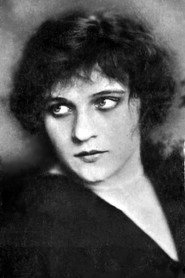 Betty SchadeMrs. Kate Adams Keller (Act 1)
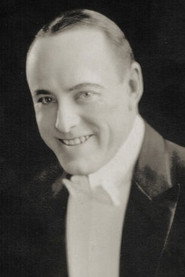 Roy StewartCaptain Keller
 Tula BelleNadja (Act 1)
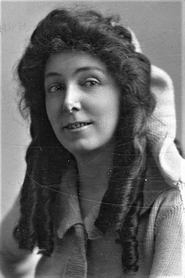 Edythe ChapmanSarah Fuller
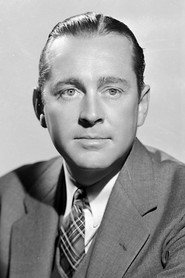 James DunnLife Saver
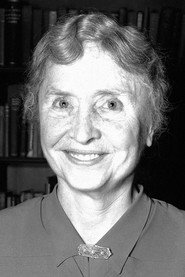 Helen KellerHerself (Act 3)
- Anne SullivanHerself (Act 3)
- Ardita MellininoNadja (Act 3)
- Mrs. Kate KellerHerself (Act 3)
- Phillips KellerHimself (Act 3)
- Etna RossLittle Blind Helen (Act 1)
- Edith LyleAnne Sullivan (Acts 1 & 2)
Directing
- George Foster PlattDirector
Writing
- Francis Trevelyan MillerWriter