
Film
The Boy Whose Skin Fell Off
A 50-minute documentary following Jonny Kennedy in his final months as he lived with Dystrophic Epidermolysis Bullosa, a devastating genetic condition that caused his skin to separate at the slightest touch. Rather than a clinical study, it's a portrait of a spirited, funny man determined to live fully despite unbearable pain. Unflinching about suffering but radiant with humanity.
Should you watch it?
Watch it if you like films where the person on screen has co-authored his own portrait, and you can take gallows humor sitting right beside real pain without flinching or feeling guilty about laughing.
Skip it if you find graphic bodily detail hard to sit through, since the condition is shown plainly and the jokes do not soften the physical toll of it.
What it asks of you: Fifty minutes, brisk and unpadded, with a steady focus on a body in pain; you will be asked to look at it squarely rather than look away.
Not sure? Find tonight's pick in a minute.
If you liked this
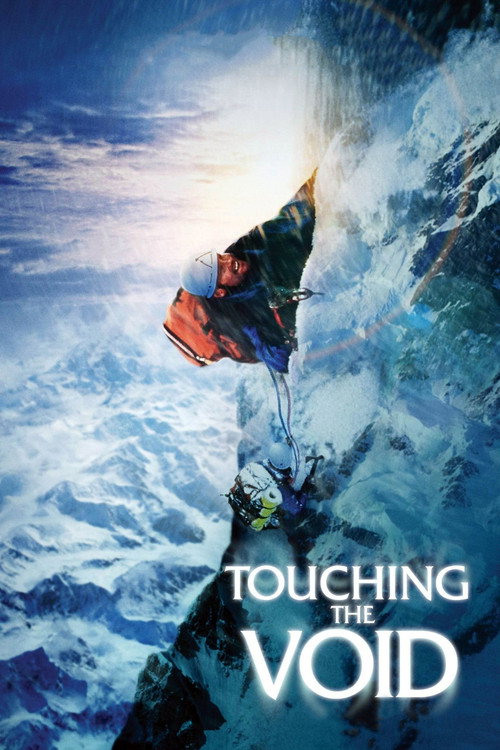
Touching the Void2003
A documentary about survival and suffering that finds profound humanity in extremity. Two climbers stranded in the Andes face impossible choices with wit, honesty and unshakeable spirit—much like Jonny's refusal to be diminished by his condition.
But It's physically grueling to watch and doesn't offer neat answers or comfort. The tone is unsentimental to the point of austerity.
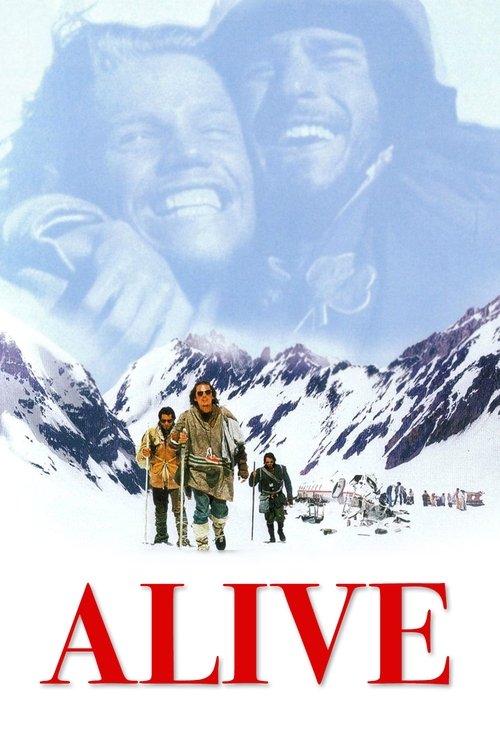
Alive1993
Frank Marshall's film about plane crash survivors in the Andes examines how people endure unimaginable circumstances without losing their humanity or humor. Grounded, unsqueamish, and genuinely moving.
But It's a mainstream survival story, which might feel conventional after the rawness of Jonny's film. Some find it manipulative in its emotional beats.
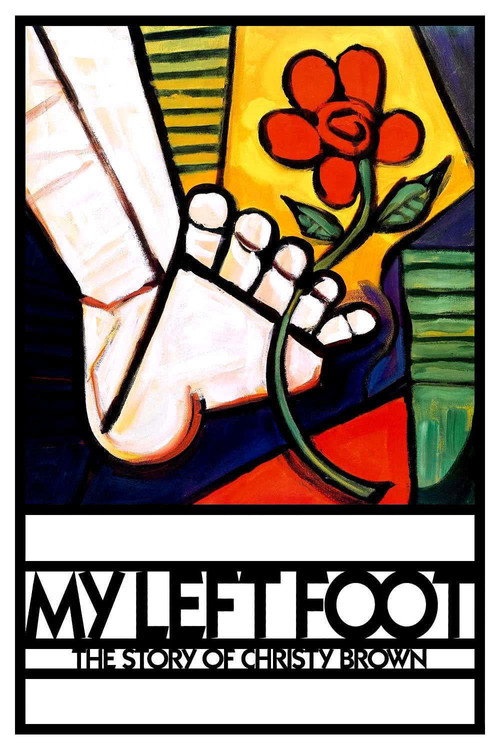
My Left Foot: The Story of Christy Brown1989
Daniel Day-Lewis plays Christy Brown, an artist with severe cerebral palsy who refused to let his condition define his potential. It's about will, rage, love, and the fierce determination to be seen as more than a diagnosis.
But It's sentimentalized in places and structured as a traditional biopic. The tone is sometimes more inspirational than truthful.
Not sure tonight? Get a pick in a minute, starting from The Boy Whose Skin Fell Off
The wildcard
Something you would not have found on your own.
BPM (Beats per Minute)2017
Both films center a protagonist dying of a condition while refusing to be defined by it. Both insist that pleasure, sexuality, and joy are not luxuries but acts of resistance and humanity.
Robin Campillo's film about ACT UP during the AIDS crisis treats illness, rage, love and activism with ferocious honesty. It's tender and furious by turns, never separating the political from the personal or the body from the spirit.
But It's sexually explicit and politically confrontational. Some find the formal structure fragmented and the tonal shifts jarring.

More like this (7)
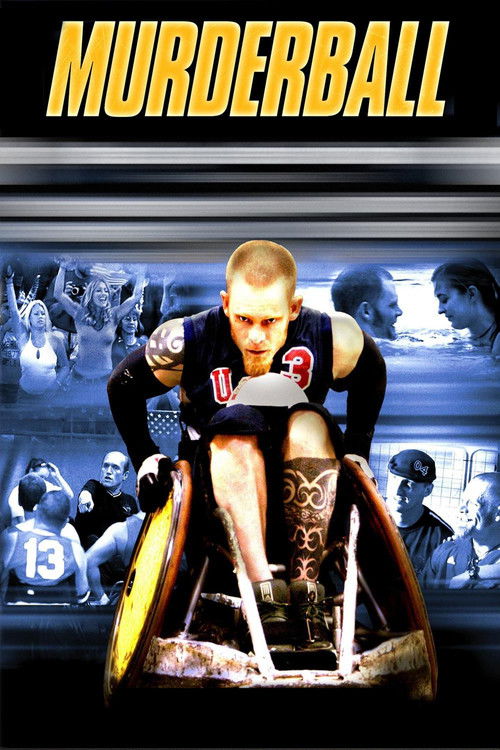
Murderball2005
A documentary about wheelchair rugby that becomes a portrait of athletes refusing victimhood and living competitively, sexually, recklessly. Raw, funny, and utterly alive—in the same spirit as Jonny's film.
But Some find it exploitative in how it frames disability. The sports footage can feel like filler if you're not invested in the game itself.
The Act of Killing2012
Werner Herzog's unforgettable documentary about a man confronting his past crimes. It shares Jonny's film's willingness to sit with moral complexity and human contradiction without looking away.
But It's profoundly disturbing—about mass murder and impunity. The pacing is glacial and can feel self-indulgent.

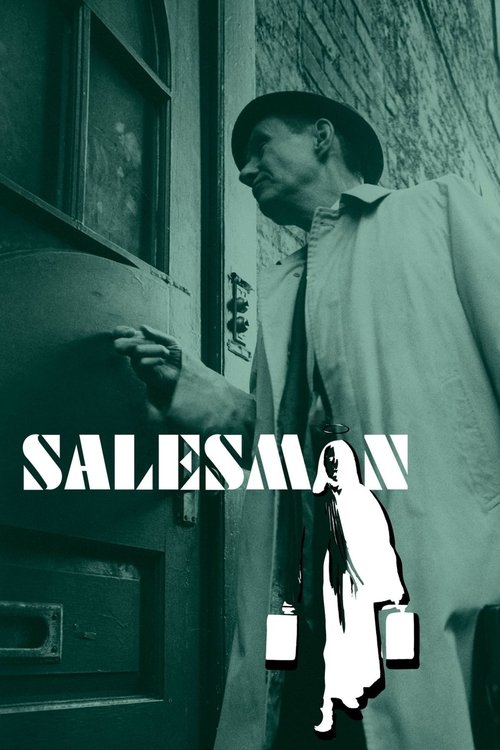
Salesman1969
Albert and David Maysles' documentary follows door-to-door Bible salesmen with devastating empathy. It's a study of human dignity, failure, and persistence that finds unexpected grace in ordinary struggle.
But It's in black-and-white, shot on 16mm, and deliberately paced. Many find it slow and depressing rather than moving.
Grey Gardens1976
A documentary about two reclusive women living in decay. Like Jonny's film, it refuses to condescend or mythologize; instead it finds eccentricity, defiance, and strange beauty in circumstances most would hide.
But It's voyeuristic and uncomfortable. The filmmakers' relationship to their subjects remains ethically complicated and unresolved.

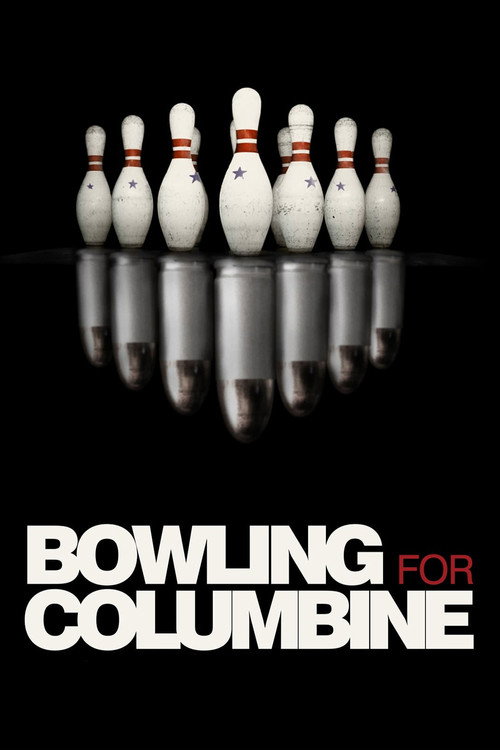
Bowling for Columbine2002
Michael Moore's documentary about American gun violence combines documentary investigation with genuine moral questioning. It asks hard questions about who we are without pretending to have easy answers.
But Moore's techniques can feel manipulative, and his conclusions are often simplistic. The film hasn't aged as thoughtfully as its ambitions suggest.
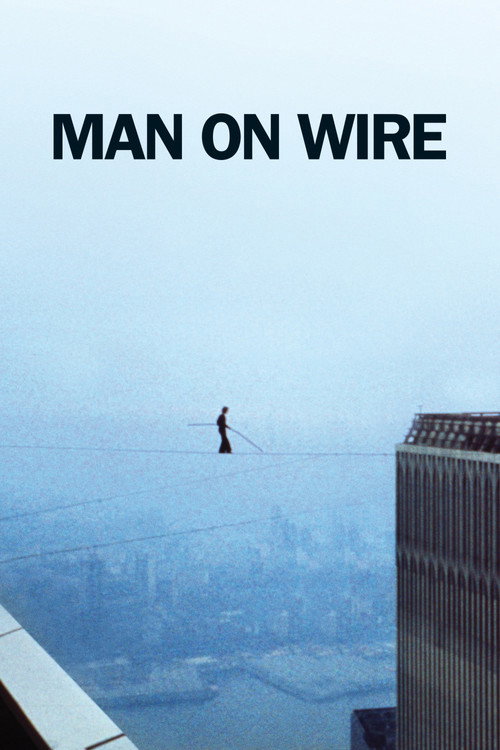
Man on Wire2008
James Marsh's Oscar-winning film about Philippe Petit's audacious tightrope walk between the Twin Towers treats an impossible feat with the reverence it deserves, celebrating obsession and beauty without irony.
But It's occasionally sentimental about risk-taking, and the recreations can feel like they're serving the story more than revealing it.
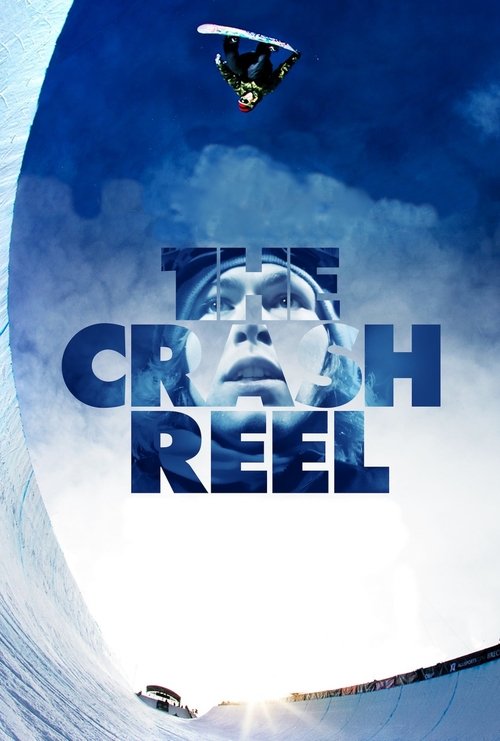
The Crash Reel2013
Like Jonny's film, it treats physical catastrophe not as a tragedy to overcome but as a reality to navigate with agency and humor. Both show disability as part of a larger life, not the whole of it.
Lucy Walker's documentary about snowboarder Kevin Pearce's traumatic brain injury is formally inventive—animation, home video, and live action collide. It's about recovery, disability, and what it means to rebuild a life when the old one is gone.
But The visual style can feel restless and self-conscious. Some find the family drama sentimentalized at the expense of the larger questions.
People
Cast
Directing
- Patrick CollertonDirector
Production
- Eric HarwoodExecutive Producer
- Patrick CollertonProducer