
Film
A Kind of Alaska
- Medical drama
- Slow-burning
A Kind of Alaska tracks a woman's bewildering emergence from a thirty-year coma, her mind still sixteen while the world has aged around her. Paul Scofield's doctor watches her stumbling confrontation with lost time, family estrangement, and the unbridgeable gap between who she was and who she's become. Tender, unsettling, formally restrained—a play adapted to film that trusts silence.
If you liked this
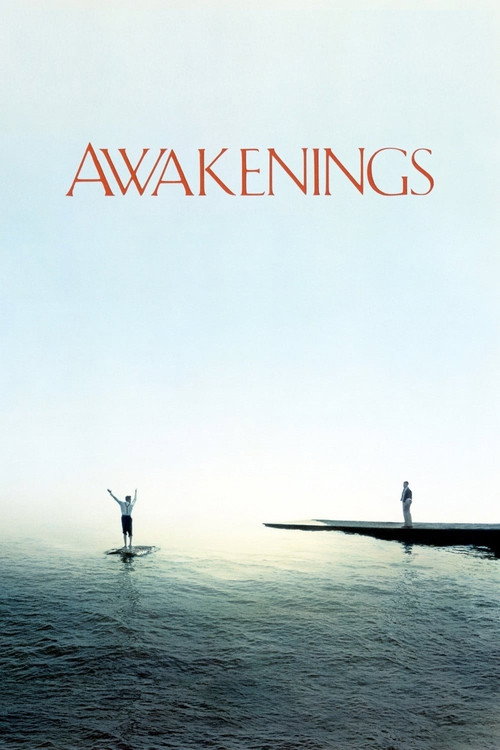
Awakenings1990
Another Scofield masterpiece about consciousness returning to the body: patients emerging from decades of parkinsonian stupor into a world they don't recognize. Compassionate, medically precise, and quietly devastating about what recovery actually costs.
But The 1990 film slightly softens Sacks's more troubling source material. It can feel safer than the rawness of the situation warrants.
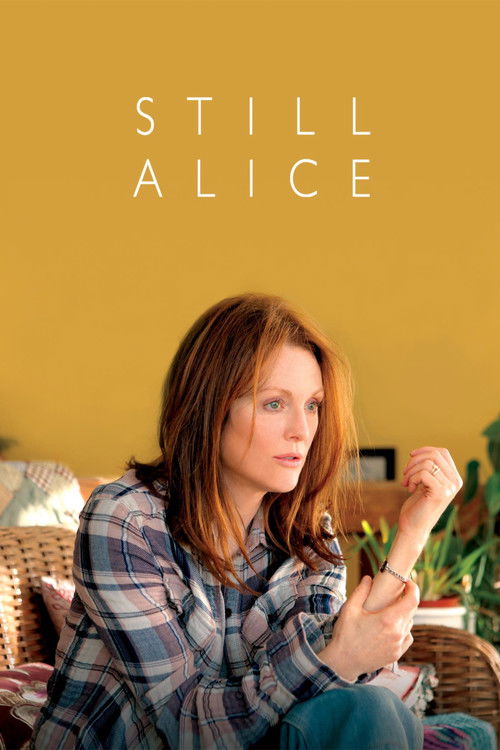
Still Alice2014
Julianne Moore's performance as a woman losing herself to Alzheimer's is the inverse mirror: watching someone slip away rather than return. Same existential terror about identity, personhood, and the cruelty of time, but from the other direction.
But It's deliberately heavy-handed about the emotional beats. The film doesn't trust you to feel it without underlining.
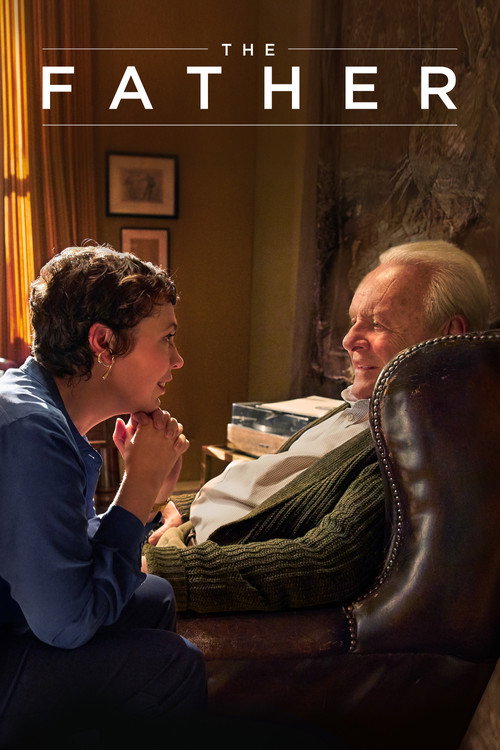
The Father2020
Anthony Hopkins's man losing his grip on reality and time, with the film's editing and narrative structure fragmenting to match his confusion. Like A Kind of Alaska but from inside the fog—disorienting, intimate, and finally tragic.
But The formal experimentation can feel clever rather than earned. Some viewers find the fractured narrative more frustrating than illuminating.
Not sure tonight? Get a pick in a minute, starting from A Kind of Alaska
The wildcard
Something you would not have found on your own.
Come and See1985
Both films use cinema's unique power—editing, duration, the texture of time on screen—to explore how consciousness and identity are bound to temporality. Both are about awakening to loss.
A Soviet film about a boy conscripted into WWII, watching his childhood annihilated by atrocity. Like A Kind of Alaska, it's about time's cruelty—but here it's compressed into days rather than decades. A masterpiece of cinema that uses form to break you.
But It's one of the most disturbing films ever made. The violence is not metaphorical, and the emotional devastation is the point, not a byproduct.

More like this (8)
Care Bears1985
A British series about the intimate, grinding reality of care work—the staff and the patients in a residential home, the small violences and small kindnesses. Far less literary than A Kind of Alaska but shares its unflinching attention to bodies, time, and what we owe each other.
But It's deliberately unglamorous and sometimes repetitive. The realism can feel like watching other people's exhaustion rather than drama.

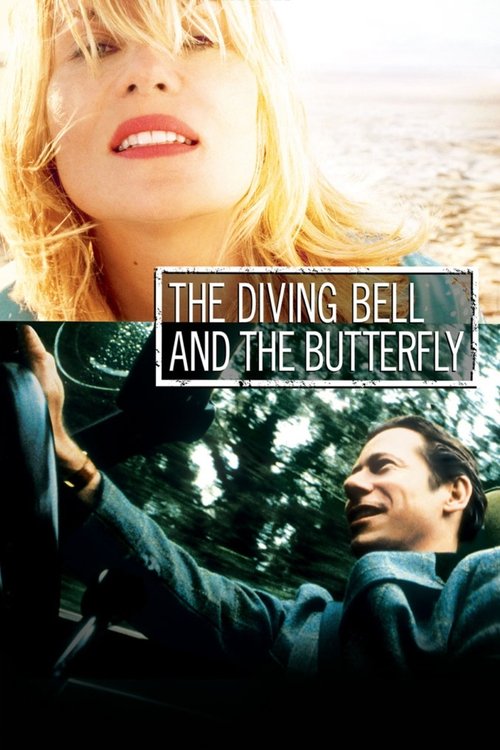
The Diving Bell and the Butterfly2007
A locked-in patient (nearly completely paralyzed) recounts his life through blinking; the camera becomes his eye. Visual invention married to profound stillness. About mind and body in radical separation, like A Kind of Alaska but achieved through form rather than plot.
But The early sequences of his waking up are genuinely distressing. It doesn't ask permission to upset you.
My Left Foot: The Story of Christy Brown1989
Daniel Day-Lewis as Christy Brown, a painter and writer with severe cerebral palsy who communicates through his only controllable limb. A life of extraordinary will against a body that doesn't cooperate. Muscular, funny, and never patronizing.
But It's a conventional biopic underneath the performance. The narrative structure is fairly straightforward, even predictable.

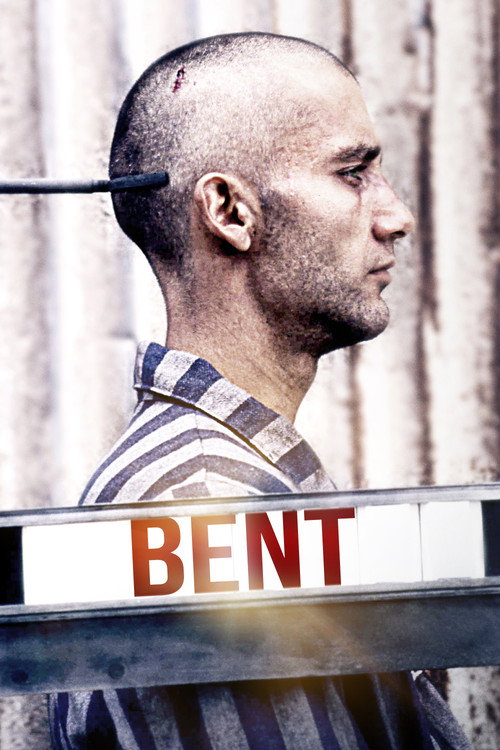
Bent1997
Sean Penn and Ian McKellen in a play about two men imprisoned in a Nazi camp. Like A Kind of Alaska, it's austere theatre adapted to film, using constraint and performance rather than spectacle. Focused, brutal, and intimate.
But It's sexually explicit and emotionally punishing. The film doesn't flinch from horror or offer much catharsis.
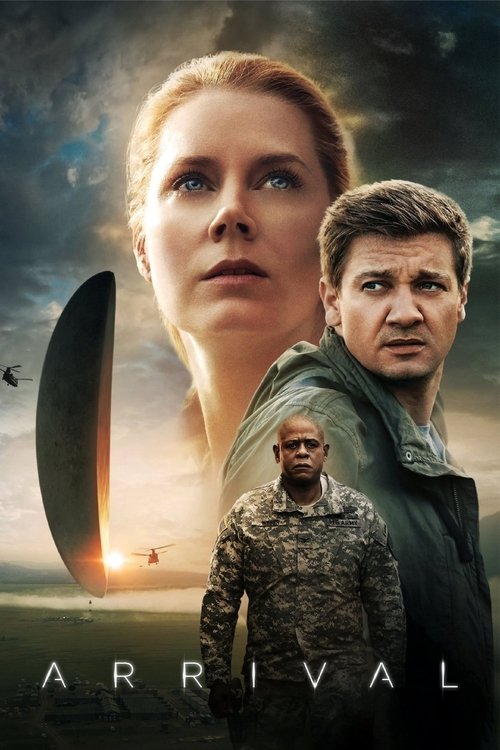
Arrival2016
Amy Adams learning an alien language and, through it, discovering her future. Not about medical crisis, but about consciousness reshaping itself—how we think changes how we experience time and possibility. Intellectually alive and quietly moving.
But The science fiction framework might feel like a dodge of emotional reality. Some find it overly cerebral for what it's attempting.
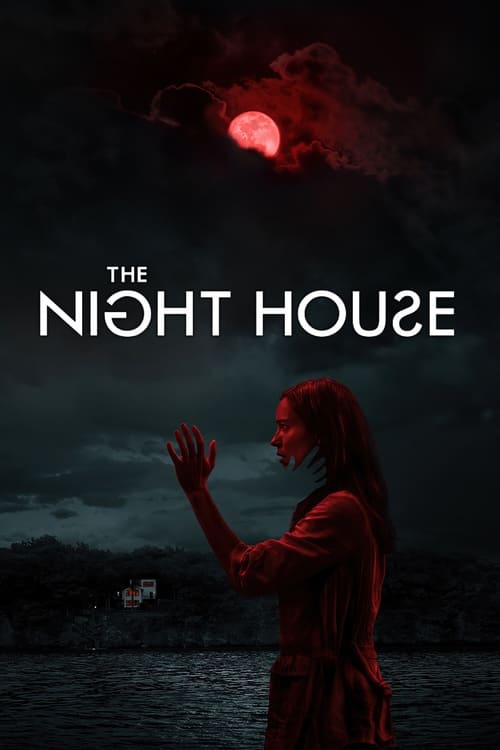
The Night House2021
Rebecca Hall's widow moving through her house and her grief, discovering her husband's secrets. A haunting that's really about the impossibility of knowing another person, even after years. Slow, strange, and genuinely eerie.
But It's deliberately oblique about plot. The pacing will frustrate anyone wanting conventional narrative momentum.
Stalker1979
Both distrust conventional drama. Both believe that stillness, careful observation, and the gaps between words contain the real story. Both are fundamentally about the mystery of another person's inner world.
Andrei Tarkovsky's three-hour meditation on desire, faith, and the zone between worlds. Hypnotic rather than dramatic, it's about the slowness of consciousness and the impossibility of knowing what you want. Formally unlike anything else.
But It's glacially paced and philosophical to the point of abstraction. If you need plot momentum, this will feel like watching paint dry.

Synecdoche, New York2008
Both dramatize the difficulty of distinguishing memory from reality, the person you are from the person you were. Both use theatrical constraint (one setting, one room, one mind) to examine identity as something that dissolves under close inspection.
Philip Seymour Hoffman's theater director building a replica of New York inside a warehouse, collapsing the boundary between life and art. Like A Kind of Alaska in its obsession with time, memory, and the self as a construction that's always fragmenting.
But It's deliberately baroque and disorienting. The narrative is impressionistic to the point of opacity—some find it self-indulgent rather than profound.

People
Cast
 Paul ScofieldDr. Hornby
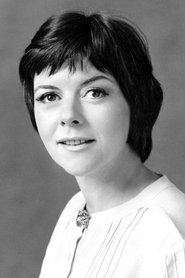
Directing
- Kenneth IvesDirector
Writing
- Harold PinterWriter