
Film
Kamchatka
A 2002 Argentine film about a family in hiding during the 1976 military dictatorship. It's told largely through the eyes of children, mixing the texture of ordinary domestic life—games, small tensions, discoveries—with the creeping dread of political persecution. Tender and quietly devastating, it finds humanity in confinement.
Should you watch it?
Watch it if you are drawn to quiet, observant family dramas where the political danger stays mostly offscreen and the real story lives in a child's watchful silences and small rituals.
Skip it if you want the dictatorship front and centre, with clear villains and visible action; this is intimate and unhurried, and much of its weight arrives through what goes unsaid.
What it asks of you: Settle in for a slow, reflective run of just under two hours, where patience with long pauses and everyday domestic detail pays off more than plot momentum.
Not sure? Find tonight's pick in a minute.
If you liked this
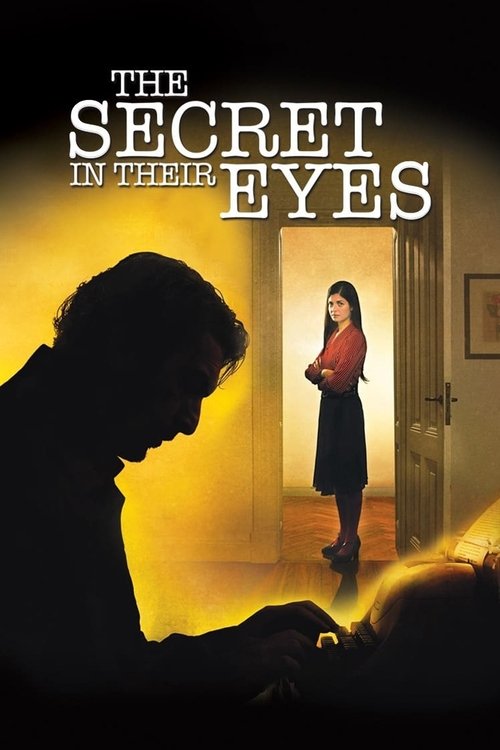
The Secret in Their Eyes2009
Another Argentine masterpiece about trauma and memory, following a retired detective investigating a crime from the dictatorship era. It has the same moral weight and emotional intelligence, with a stunning final reveal.
But More of a thriller-mystery than character study, so it moves differently. If you came for the domestic intimacy of Kamchatka, this is colder.
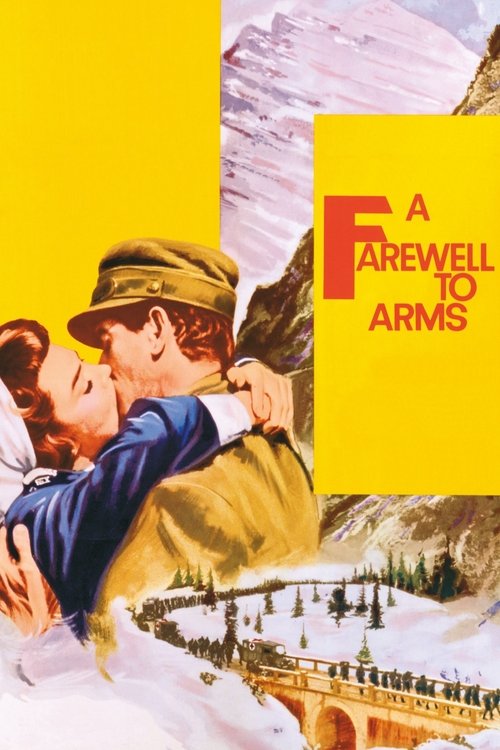
A Farewell to Arms1957
David Lean's film about lovers separated by war and circumstance. Like Kamchatka, it captures how historical violence intrudes on the private and personal, with remarkable visual poetry.
But It's a Hollywood epic from the 1950s, so the emotional register is quite different—more romantic melodrama, less lived-in realism.
The Lives of Others2006
A German film about surveillance and conscience during the Cold War. It shares Kamchatka's exploration of how totalitarianism distorts family bonds and moral choices, and builds almost unbearable emotional intensity.
But It's darker and more overtly political. There's less lightness, less of childhood's saving grace.

Not sure tonight? Get a pick in a minute, starting from Kamchatka
The wildcard
Something you would not have found on your own.
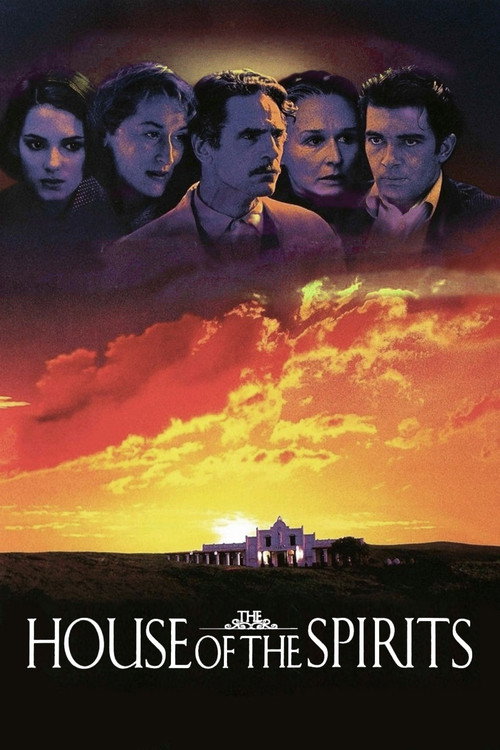
The House of the Spirits1993
Both films use the family as the lens through which to understand dictatorship, finding moral questions in ordinary domestic choices. Both are about what people do to protect those they love when the state makes ordinary life impossible.
A multigenerational family saga spanning decades of Latin American political upheaval. Like Kamchatka, it braids intimate family moments with the weight of history, but told at epic scale with an ensemble cast.
But An ambitious ensemble adaptation that doesn't quite hold together; the scope sometimes works against emotional clarity. Uneven in a way Kamchatka isn't.
More like this (8)
Hiroshima Mon Amour1959
Alain Resnais's film about memory, trauma, and two people trying to connect across the wreckage of war. Formally experimental but deeply human; it shares Kamchatka's refusal to separate personal from historical pain.
But It's abstract and non-linear in ways that demand active viewing. Some find it cold despite its emotional subject.
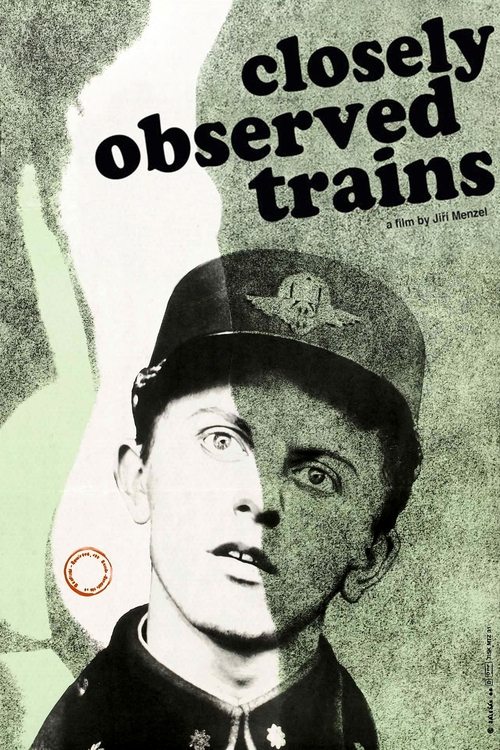
Closely Watched Trains1966
A Czech New Wave film set during Nazi occupation, told with dry humor and genuine tenderness. It balances adolescent coming-of-age with historical horror in much the way Kamchatka does.
But The tone is delicate and sometimes ironic in ways that won't land for everyone. Subtitled and distinctly of its era.
Cinema Paradiso1988
Tornatore's film about memory, mentorship, and cinema during post-war Sicily. Like Kamchatka, it privileges small human moments and finds beauty in confinement and limitation.
But It's sweeter and more nostalgic than Kamchatka—some find it sentimental. The emotional temperature is quite different.

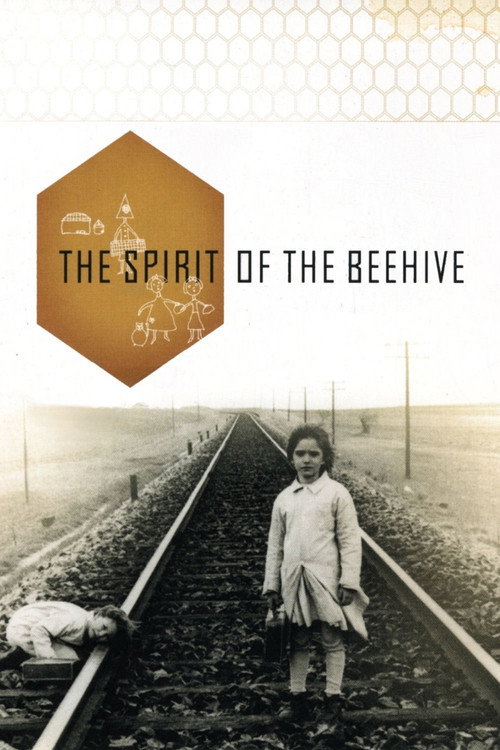
The Spirit of the Beehive1973
Víctor Erice's haunting Spanish film about childhood during Franco's regime. It has the same oblique approach to dictatorship, the same sense of children as observers of adult horror they don't fully understand.
But Very slow and atmospheric. If you want plot momentum, this will test your patience.
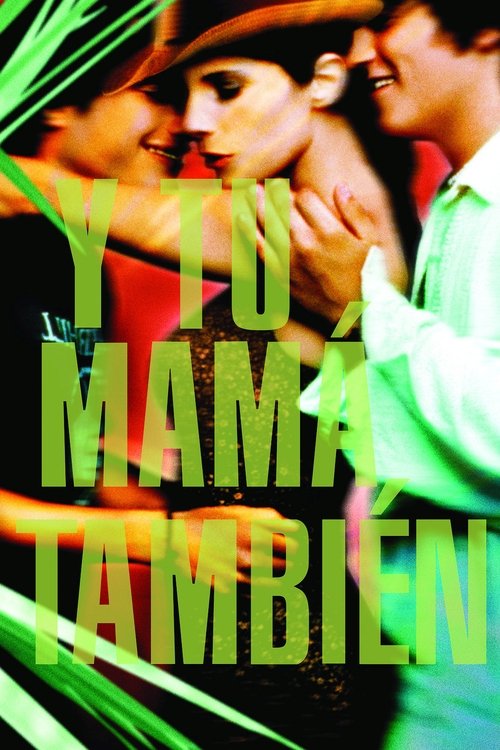
Y Tu Mamá También2001
A Mexican road film about two teenage boys and a woman, set against class and political tension. It captures adolescence with rawness and intelligence, and won't let you forget the world outside the car.
But It's sexually explicit and has a tonal shift in the final act that some find manipulative. Much lighter touch than Kamchatka until it suddenly isn't.
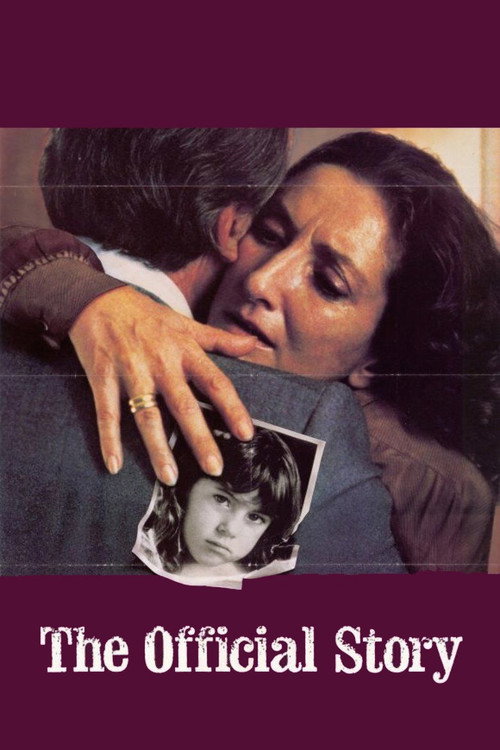
The Official Story1985
An Argentine film about a woman discovering her adopted daughter may be a child stolen during the dictatorship. Direct examination of how the regime's crimes echoed through families and daily life.
But It's more confrontational and less poetic than Kamchatka. The anger is on the surface, which some prefer and others find heavy-handed.
Come and See1985
Both films center children observing atrocity without the conceptual tools to process it. Both refuse to look away from what persecution does to the young. One finds grace in hiding; this one finds it nowhere.
A Soviet film about a boy conscripted into WWII. Apocalyptic and formally radical, it's the inverse of Kamchatka—told from the perspective of childhood, but in the furnace rather than hiding from it.
But Extremely brutal and bleak. Not a film to seek comfort in. The most difficult thing on this list.

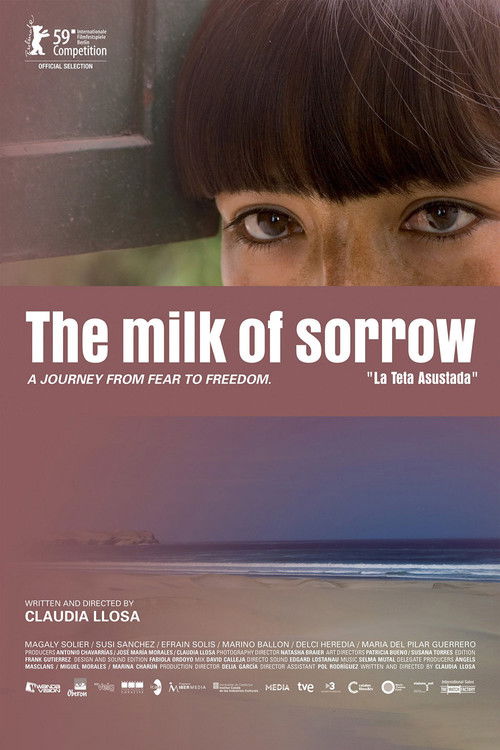
The Milk of Sorrow2009
Both films explore how political violence lives in families across generations—but while Kamchatka is grounded realism, this one moves through myth and the body. Same haunting, different language. A wildcard that suggests dictatorship can be told in radically different formal registers.
A Peruvian magical-realist film about inherited trauma and memory in the body—a woman carries a potato where a bullet was removed from her father during Peru's political violence. Surreal, sensual, formally daring.
But It's oblique and dreamlike rather than narrative-driven. The politics are embedded in symbol and image. Not everyone's entry point to dictatorship cinema.
People
Cast
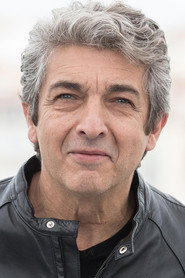
 Cecilia RothMother
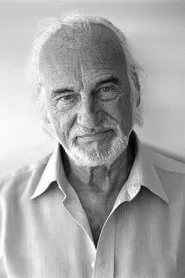 Héctor AlterioGrandfather
 Fernanda MistralGrandmother
 Tomás FonziLucas
- Nicolás CantafioBertuccio
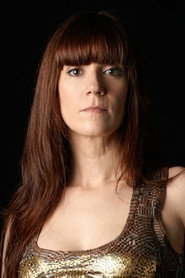 Mónica ScapparoneBertuccio's Mother
- Matías Del PozoHarry
- Milton De La CanalSimon / El Enano / Tiny
 Evelyn DomínguezNiña Morena
 Leticia BrédiceTeacher
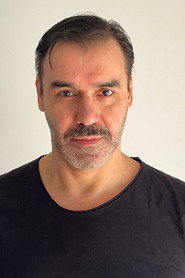 Gabriel GalíndezMilitary Guard
Directing
- Ezequiel CrupnicoffAssistant Director
- Nicolás LidijoverContinuity
- Marcelo PiñeyroDirector
- Alejandro LanezanFirst Assistant Director
- Guillermo GrecoSecond Assistant Director
- Vladimir DuránSecond Assistant Director
Writing
- Marcelo FiguerasScreenplay
- Marcelo PiñeyroScreenplay
Production
- Leonor GoldAssociate Producer
- Luis Alberto GoldAssociate Producer
- Miguel Menéndez de ZubillagaAssociate Producer
- Yoya FernándezPost Production Coordinator
- Francisco RamosProducer
- Óscar KramerProducer
- Pablo E. BossiProducer
- Pedro D'AngeloProducer