
Film
Erendira
- Social drama
- Very dark
- Strange
Ruy Guerra's 1983 adaptation of García Márquez transforms a novella of impossible cruelty into something genuinely haunting. A grandmother forces her teenage granddaughter into prostitution to pay a debt, while desert landscapes and magical realism collide with real suffering. It's visually ravishing and morally unflinching—demanding, strange, unforgettable.
If you liked this
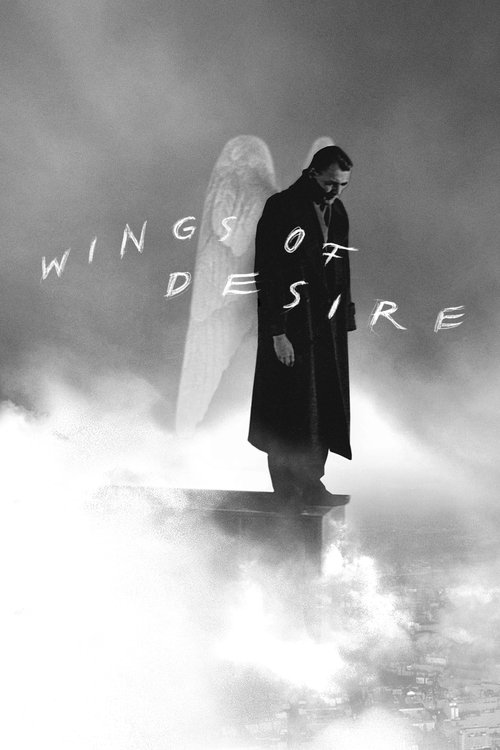
Wings of Desire1987
Wim Wenders explores the divine and mundane across divided Berlin through angels observing human life. Like Erendira, it finds the metaphysical hiding in the everyday, shooting the ordinary world as if it's never been seen before.
But Glacially paced, plotless, and deliberately remote. If you want narrative momentum or emotional catharsis, look elsewhere.
Jeanne Dielman, 23, quai du Commerce, 1080 Bruxelles1976
Chantal Akerman's three-hour chronicle of a woman's domestic routine is radically unsentimental about labour and captivity. Both films refuse to look away from systematic exploitation, finding strange beauty in constrained lives.
But Nothing happens. Literally nothing. Some find it boring; others find it revelatory. Your mileage will completely depend on patience.

The Night of the Hunter1955
Charles Laughton's only directorial effort is a fever-dream expressionist thriller where a predatory figure hunts children through America. Like Erendira, it marries nightmare logic to genuine menace, creating dread through atmosphere rather than plot.
But The theatrical staging and extreme stylization will feel artificial to viewers preferring naturalism. Some find it overwrought; others find it perfect.

Not sure tonight? Get a pick in a minute, starting from Erendira
The wildcard
Something you would not have found on your own.
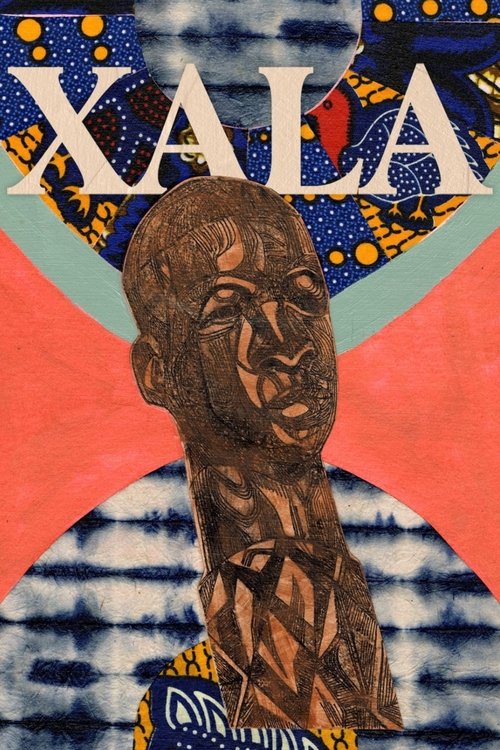
Xala1975
Both deploy magical realism as a tool for social critique, using the fantastical to render invisible systems suddenly visible.
Ousmane Sembène's satirical curse-narrative about a Senegalese businessman rendered impotent on his wedding night is a magical-realist comedy-tragedy that demolishes patriarchy and colonialism with wit and sorcery. Like Erendira, it harnesses surrealism to expose systemic cruelty, but where Guerra is tragic, Sembène is sharp as a blade.
But The humour cuts so close to the bone that Western viewers sometimes mistake it for comedy and miss the fury underneath. Requires active engagement.
More like this (7)
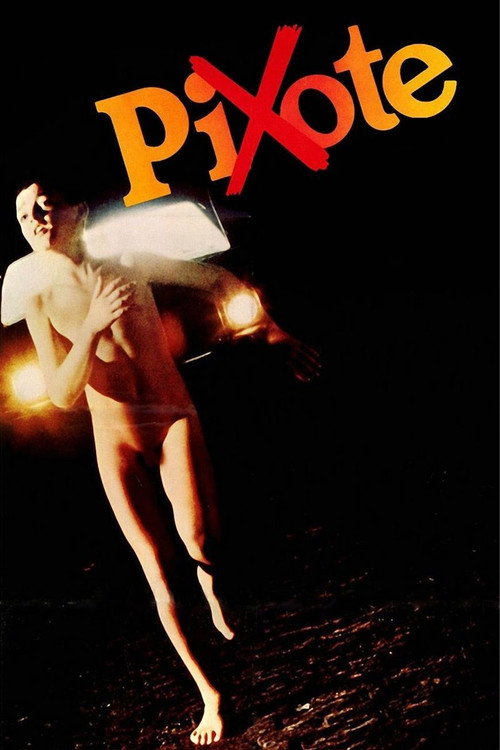
Pixote1980
Héctor Babenco follows a street child through Brazilian brutality with unflinching immediacy. Both films document systematic victimhood, but Pixote is rawer, angrier, shot with documentary urgency that makes every frame sting.
But Genuinely devastating and occasionally hard to sit with. It doesn't offer distance or aesthetic refuge from its subject matter.
Stalker1979
Andrei Tarkovsky's science fiction meditation moves through a mysterious zone toward a room that grants wishes, exploring desire and spiritual hunger. Shares Erendira's patient, hypnotic style and metaphysical architecture.
But Runs 163 minutes of near-total stillness. Tarkovsky assumes your surrender; he won't meet you halfway.

Come and See1985
Elem Klimov's Belarusian masterpiece documents a boy's corruption through war with nightmarish intensity. Both films refuse sentimentality about youth victimhood, presenting degradation as real and permanent, never redemptive.
But One of cinema's most harrowing films. Genuinely traumatic. The kind of thing you survive rather than enjoy.

Mulholland Drive2001
David Lynch weaves Hollywood ambition and fractured identity into a labyrinth where reality dissolves. Both use surrealism to expose systems of exploitation, though Lynch finds noir darkness where Guerra finds magical realism.
But Deliberately obscure and structurally puzzling. The meaning isn't hidden to reward investigation; it's hidden because clarity isn't Lynch's project.

The Seventh Seal1957
Ingmar Bergman's knight plays chess with Death itself across medieval Sweden. Both films use mythic landscapes and symbolic encounters to meditate on mortality, fate, and what humans owe each other.
But Deliberately ponderous and philosophical. Bergman's interested in questions, not answers, which some find profound and others find frustrating.

Chungking Express1994
Both use fractured narrative and visual poetry to capture the texture of being trapped—Erendira by circumstance, these characters by love and Tokyo geometry.
Wong Kar-wai's luminous, fragmentary romance splits between two Hong Kong cops and two women who drift through their lives. Completely different world from Erendira—bright, musical, tender—but structurally mirrors it: impossible desire, loneliness in crowds, beauty in constraint, time running sideways.
But Plotless, digressive, sometimes more interested in mood than meaning. Requires patience with ambiguity and visual languor.

The Ballad of Little Jo1993
Both document women rendered invisible by systems requiring their exploitation, finding different paths through annihilation—Erendira through magical realism, Jo through genre displacement.
Maggie Greenwald's Western follows a woman who adopts a male identity to survive frontier America, building an entire alternative existence through performance and complicity. It's about survival through deception and the price of disappearing yourself—economic desperation reframed as a Western, which seems like a detour until you see it's the same story.
But A fairly conventional narrative dressed in revisionist Western clothes. If you're after modernist estrangement, this will feel straightforward to the point of mundanity.

People
Cast
 Irene PapasGrandmother Amadis
 Claudia OhanaErendira
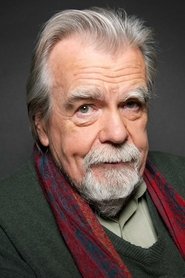 Michael LonsdaleSenator Onésimo Sanchez
 Oliver WeheUlysses
 Blanca GuerraUlysses' mother
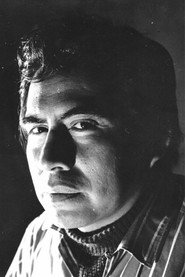 Ernesto Gómez CruzGrocer
 Delia CasanovaNarrator (voice)
Directing
- Ruy GuerraDirector
Writing
- Gabriel García MárquezNovel
- Gabriel García MárquezWriter
Production
- Alain QuefféléanProducer
- Regina ZieglerProducer