
Film
BARDO, False Chronicle of a Handful of Truths
Guillermo del Toro's three-hour essay on Mexican identity, ambition and mortality. A celebrated filmmaker returns home to receive an award and spirals into baroque, dreamlike introspection. It's deliberately paced, visually lavish, sometimes baffling—a film that demands patience and rewards it with moments of devastating beauty. For viewers who love cinema as art, not entertainment.
If you liked this
A Ghost Story2017
Like Bardo, it uses a simple premise—a man's ghost haunting his house—as the skeleton for profound meditation on time, memory, and what we leave behind. Quietly devastating and formally inventive.
But Glacially slow and deliberately enigmatic. Long stretches with minimal dialogue or plot movement can test patience severely.

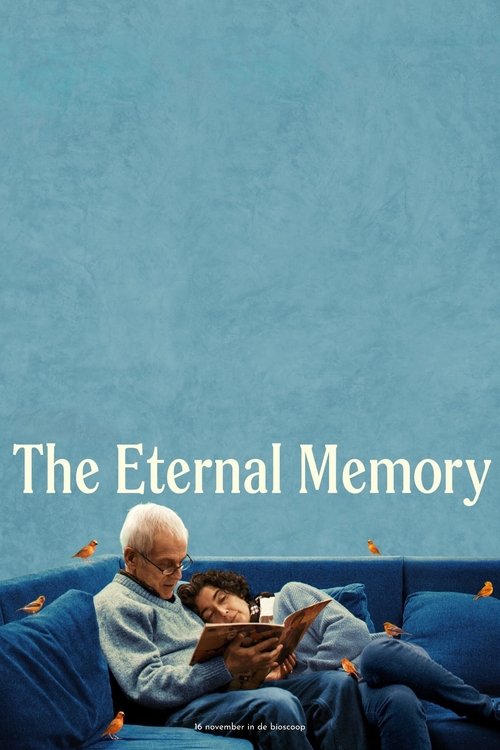
The Eternal Memory2023
A Chilean documentary about a political prisoner and his wife confronting dementia and mortality. It shares Bardo's layered exploration of memory, identity, and what endures. Visually poetic and emotionally raw.
But It's a documentary without conventional narrative structure. Requires you to sit with ambiguity and feeling rather than plot resolution.
Mulholland Drive2001
Another meditation on identity and fame through a dreamy, fragmented Los Angeles. It builds to a devastating realization about self-delusion and time. Lynch's masterpiece shares Bardo's refusal to explain itself.
But Intentionally cryptic and ends in psychological complexity rather than answers. Can feel frustratingly opaque on first viewing.

Not sure tonight? Get a pick in a minute, starting from BARDO, False Chronicle of a Handful of Truths
The wildcard
Something you would not have found on your own.
Memories of Murder2003
Both use a specific national crisis or reckoning as the skeleton for a much larger inquiry into identity, memory, and what it means to bear witness. Both are formally restless films that won't sit still.
Bong Joon-ho's Korean masterpiece about a serial killer investigation becomes a film about state violence, institutional failure, and the nature of truth itself. It's also a meditation on national identity—what a country chooses to remember and forget.
But Deeply violent and structurally unconventional. Ends on moral ambiguity that refuses resolution or justice.

More like this (8)
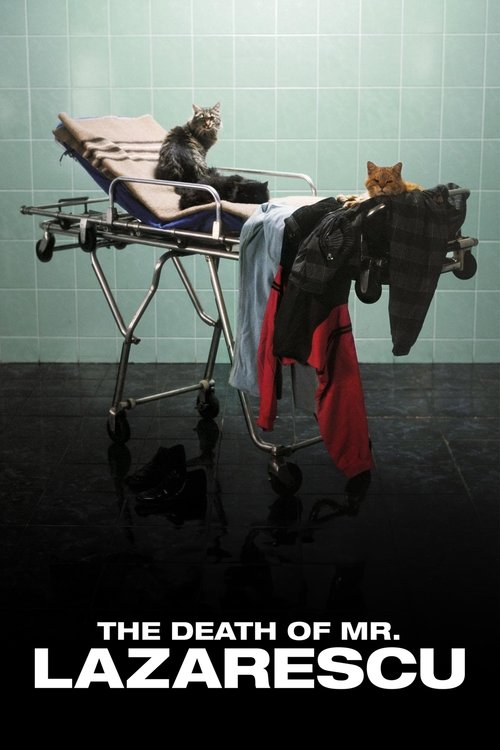
The Death of Mr. Lazarescu2005
A Romanian film that follows an elderly man's gradual decline through the medical system. It observes mortality, dignity, and invisibility with patient, unsentimental humanity. Formally subtle but deeply moving.
But Bleak and glacial. There is no triumph, catharsis, or neat resolution—just the slow, mundane reality of decline.
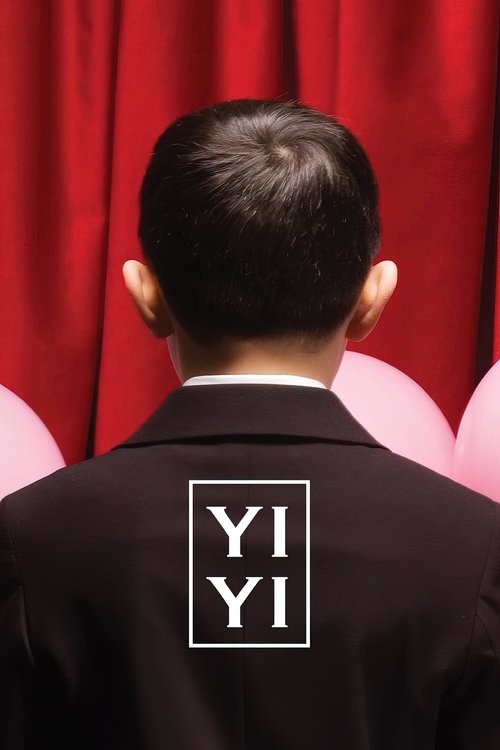
Yi Yi2000
Edward Yang's Taiwanese epic about family and memory across generations. It shares Bardo's willingness to digress, circle back, and treat ordinary moments as profound. A portrait of a nation in its own style.
But Nearly three hours of observational cinema with multiple storylines that don't converge. Requires patience and comfort with ambiguity.
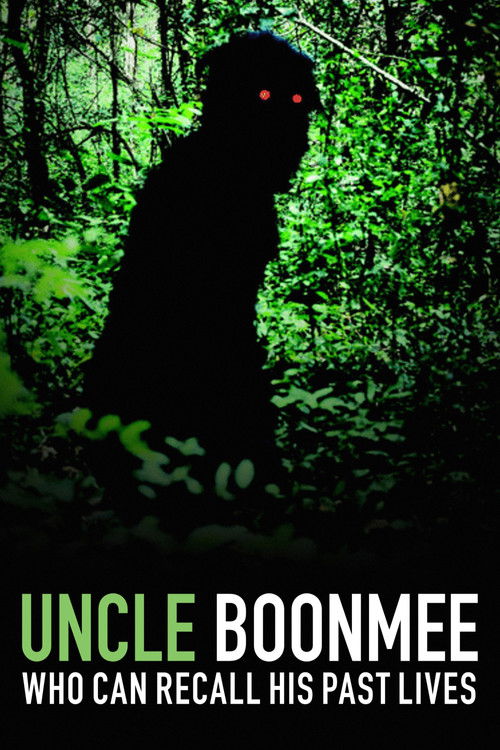
Uncle Boonmee Who Can Recall His Past Lives2010
Apichatpong Weerasethakul's haunting Thai film about a dying man visited by his dead relatives. Gorgeous, meditative, concerned with reincarnation and belonging. Formally as patient as Bardo.
But Minimal plot and almost no conventional narrative movement. Long static shots demand active viewing rather than passive consumption.
Stalker1979
Andrei Tarkovsky's hypnotic Russian sci-fi explores desire, faith, and the meaning of existence through a journey into a mysterious zone. Shares Bardo's visual grandeur and metaphysical ambition.
But Nearly three hours of philosophical dialogue and slow motion. Requires genuine openness to cinema as spiritual practice, not entertainment.

The Turin Horse2011
Béla Tarr's final film—a bleak, beautiful meditation on existence, decay, and possible apocalypse. Formal precision and crushing inevitability. For viewers drawn to cinema as poetry.
But Entirely in black and white. Offers no hope, comfort, or traditional narrative satisfaction. Genuinely depressing in its vision.

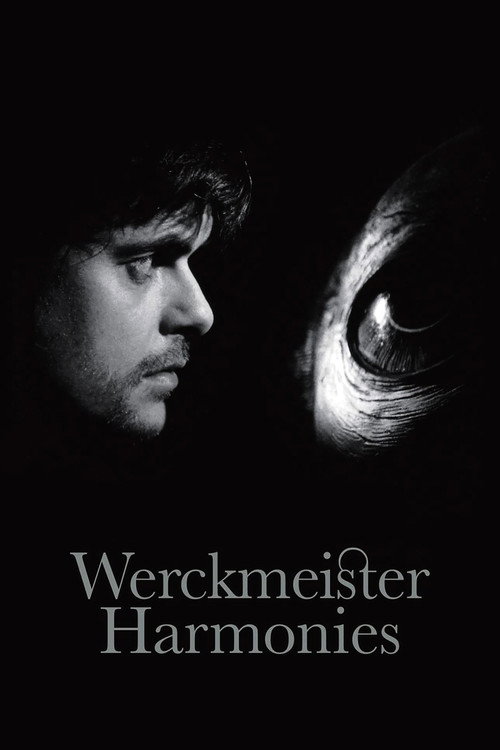
Werckmeister Harmonies2001
Another Tarr masterpiece exploring faith, community, and the fragility of civilization through a small Hungarian town. Visually immaculate and thematically inexhaustible. Shares Bardo's formal sophistication.
But Two hours twenty minutes in black and white with minimal plot. Operates entirely through mood, composition, and suggestion rather than story.
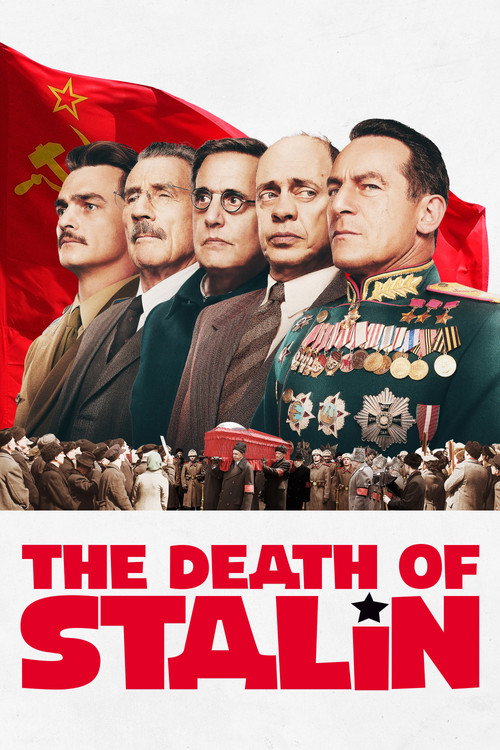
The Death of Stalin2017
Both films use their national canvas as a character, interrogating official narratives and the gap between what's performed for power and what's true. Both are visually distinctive precisely because they refuse contemporary polish.
Armando Iannucci's absurdist black comedy about Soviet power plays is a film about institutional corruption and the performance of authority. Shot in gorgeous black-and-white, it's hilarious and incisive about how nations mythologize themselves.
But The tonal shift—moving from Bardo's baroque introspection to farce—is radical. Political satire without sentiment can feel callous if you're not in its frequency.
Synecdoche, New York2008
Both films collapse the boundary between documentary and invention, using the question 'what is true?' as their central engine. Both center artists grappling with their own obsolescence and the gap between ambition and reality. Both demand the audience do interpretive work.
Charlie Kaufman's only directorial feature—a film about a theater director creating an impossibly complex piece that mirrors his own life's collapse. It's about art, ego, mortality, and the impossibility of representation. Nightmarish, luminous, weird.
But Structurally bewildering. Layers nested within layers until reality and fiction dissolve. Can feel exhausting rather than enlightening if you're not in the mood for formal experimentation.

People
Cast
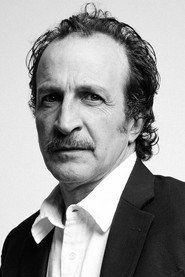 Daniel Giménez CachoSilverio Gama
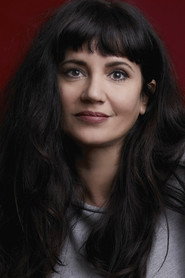 Griselda SicilianiLucía
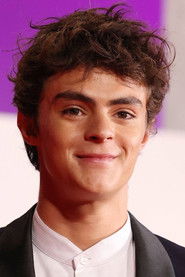 Íker Sánchez SolanoLorenzo
 Ximena LamadridCamila
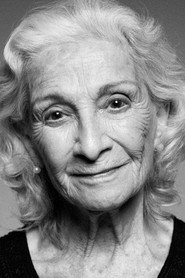 Luz JiménezMamá
- Luis CouturierPapá
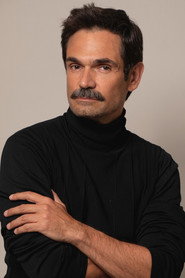 Francisco RubioLuis Baldivia
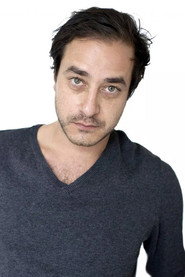 Andrés AlmeidaMartín
 Clementina GuadarramaHortensia
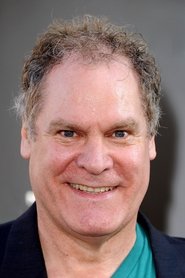 Jay O. SandersAmbassador Jones
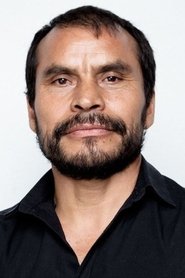 Noé HernándezEl Ajolote
 Fabiola GuajardoTania
Directing
- Alejandro G. IñárrituDirector
- Sebastián BarreraFirst Assistant Director
- Eric CalatayudSecond Assistant Director
- Luisa CastellanosSecond Assistant Director
- Agueda Anaya AnguloSecond Second Assistant Director
- Gerardo Coello EscalanteSecond Second Assistant Director
- Sara RamosSecond Second Assistant Director
Writing
- Alejandro G. IñárrituWriter
- Nicolás GiacoboneWriter
Production
- Ricardo EscobioAdditional Production Assistant
- Stephanie TorresAdditional Production Assistant
- Natalia GonzalezAssociate Producer
- Luis RosalesCasting
- Karla Luna CantuExecutive Producer
- Mary ParentExecutive Producer
- Mariana Casas ZuñigaKey Set Production Assistant
- Gildardo MartínezLine Producer
- Alejandro G. IñárrituProducer
- Stacy PerskieProducer
- Antonio ArizagaProduction Assistant
- Ignacio Villaseñor JimenezProduction Assistant
- Dante CasasUnit Manager