
Film
Different from the Others
- Drama
- Very dark
A 1919 German drama about a renowned musician destroyed by blackmail over his sexuality, culminating in a courtroom plea against the law criminalizing homosexuality. Urgent, politically engaged, and remarkably direct for its era. For anyone interested in cinema's capacity to challenge injustice, or the history of LGBTQ+ representation before its near-total erasure.
Should you watch it?
Watch it if you are drawn to early cinema as a document of its moment, where a plainly polemical film about a persecuted man's private life still carries real feeling and unvarnished urgency.
Skip it if you need fast pacing or a tight plot, since this silent drama moves through intertitles and staged scenes, with its message often pressing ahead of its storytelling.
What it asks of you: Ninety-five minutes of silent storytelling, with title cards doing much of the explaining and acting pitched broadly for the era, so patience with old conventions matters more than close attention.
Not sure? Find tonight's pick in a minute.
If you liked this
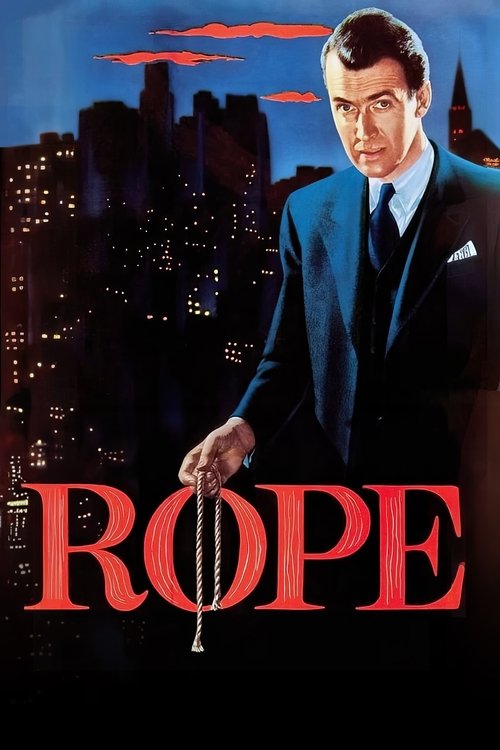
Rope1948
Hitchcock's chamber thriller about two men bound by a terrible secret, told in real-time with virtuosic technical showmanship. Tense, claustrophobic, and morally complex in ways that still unsettle.
But The homosexual subtext was deliberately coded to evade censors, so it reads obliquely now—you have to meet the film halfway. The theatrical staging can feel static.
Victim1961
A British solicitor's life unravels when blackmailers target him over his sexuality. Spare, dignified, and the first mainstream British film to name homosexuality directly. It changed law and cinema simultaneously.
But Emotionally restrained in a way that can feel distant. The pacing is deliberate rather than propulsive, which some find slow.

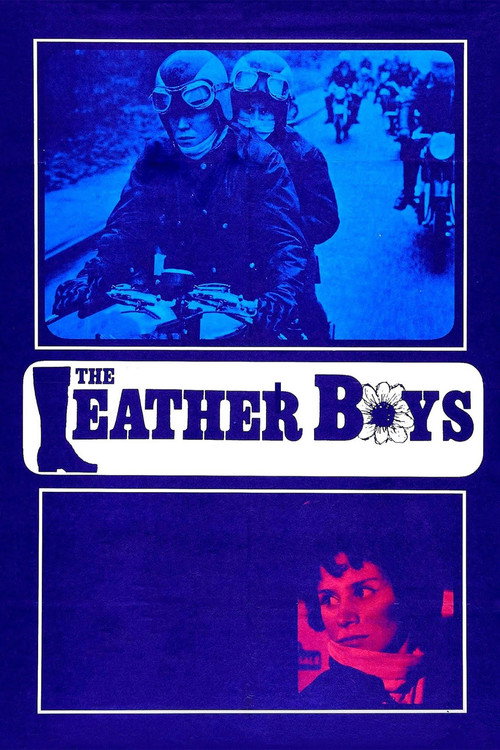
The Leather Boys1964
Two working-class men ride motorcycles and fall in love in 1960s Britain. Raw, funny, unsentimental, and genuinely tender. A movie about desire that doesn't apologize or explain itself away.
But The ending capitulates to period morality in a way that stings. Some find the kitchen-sink naturalism unglamorous or dull.
Not sure tonight? Get a pick in a minute, starting from Different from the Others
The wildcard
Something you would not have found on your own.
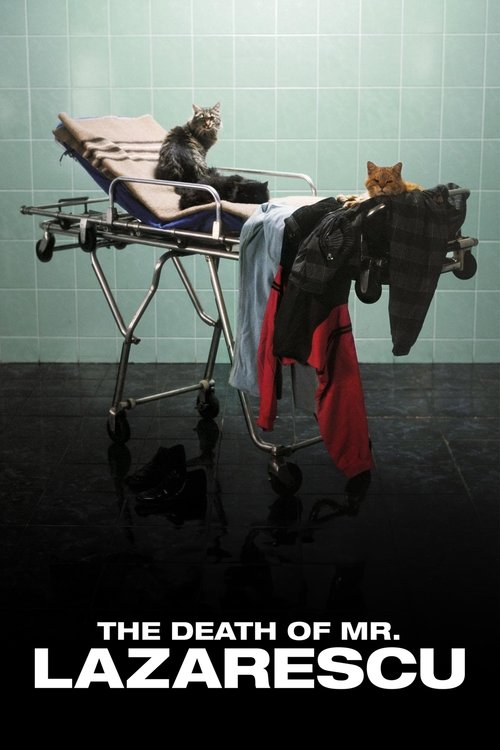
The Death of Mr. Lazarescu2005
Both films understand that state systems are literally lethal to those they categorize as other. Both are angry at institutions while remaining tender toward individuals trapped inside them.
A Romanian social realist film following an old man through a hospital system that doesn't care about him. Nearly four hours of accumulated indignity, tenderness, and bureaucratic cruelty. Devastating and humane.
But Glacially paced, minimally plotted, and deeply depressing. It's an experience of watching someone suffer, which is what it means to do.
More like this (7)
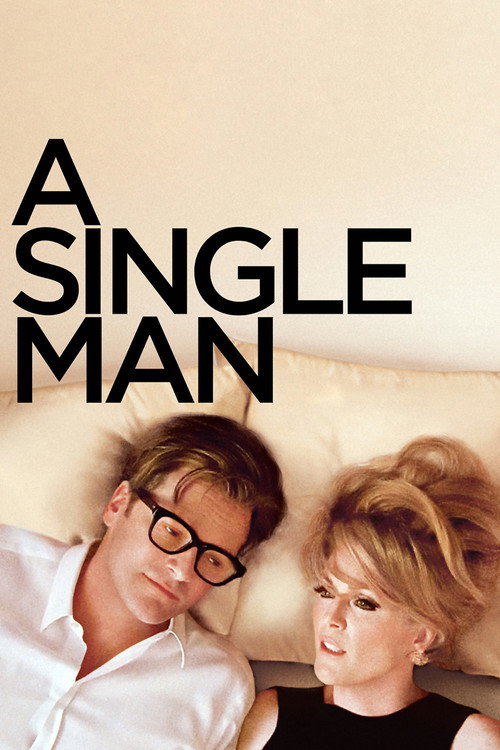
A Single Man2009
Tom Ford's debut about a professor grieving his dead lover in 1960s LA. Visually ravishing, emotionally precise, and built on the understanding that private sorrow matters as much as public struggle.
But The visual perfection can feel cold. Some see it as more interested in aesthetics than genuine feeling.
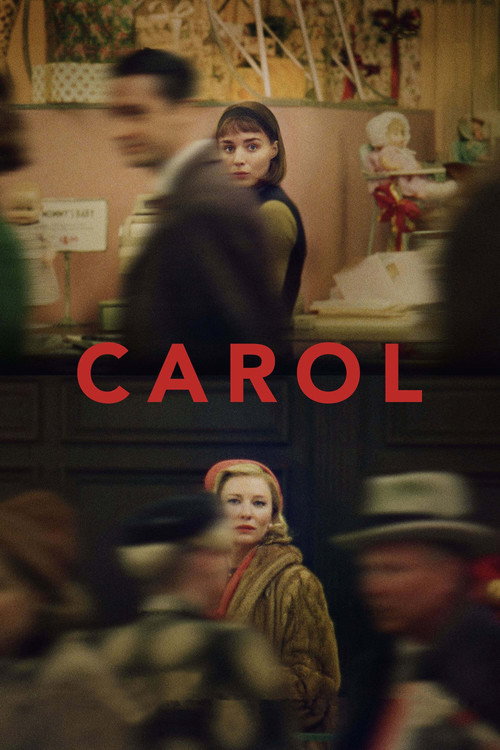
Carol2015
Two women fall in love in 1950s America with a clarity and sensuality that feels radical. Todd Haynes captures desire, risk, and the weight of living under constant threat with quiet intensity.
But The pacing is deliberately slow and the emotional register is muted. If you want plot momentum, you'll find it frustrating.
Maurice1987
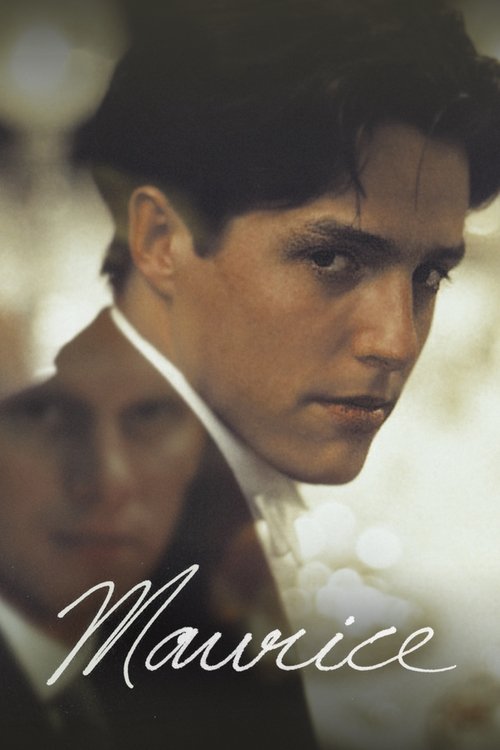
Merchant and Ivory adapt E.M. Forster's novel about an Edwardian man discovering his sexuality. Lovely, romantic, alive to the textures of desire and the possibility of happiness. A genuine love story.
But The upper-class setting and measured tone might feel mannered. It's more interested in interiority than social realism.
Moonlight2016
Three chapters of a man's life in Miami. Formally inventive, achingly tender, and attentive to how desire and shame and survival tangle together. One of the best films about becoming yourself.
But The fragmentary structure and sparse dialogue require patience and engagement. Some find it emotionally opaque or simply quiet to the point of frustration.

Hunger2008
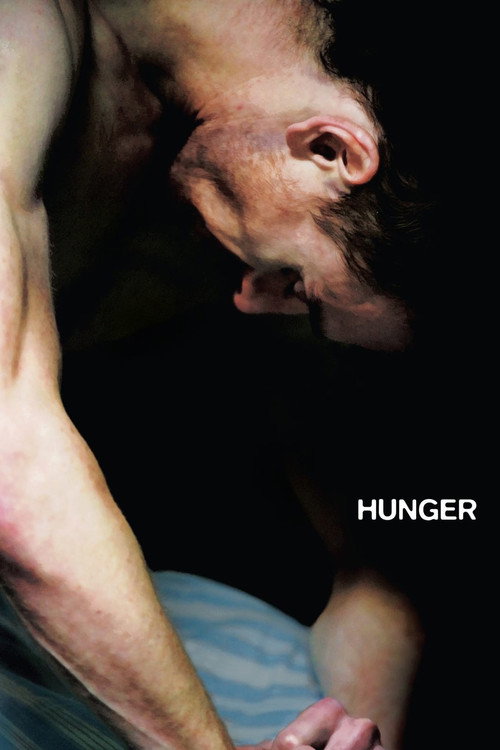
Steve McQueen's debut: a political prisoner's body becomes his final language. Brutal, unflinching, formally radical, and about the stakes of resistance. Genuinely transformative cinema.
But It's grueling and graphic. The final sequence is almost unwatchable. Not a film for comfort or easy resolution.
Portrait of a Lady on Fire2019
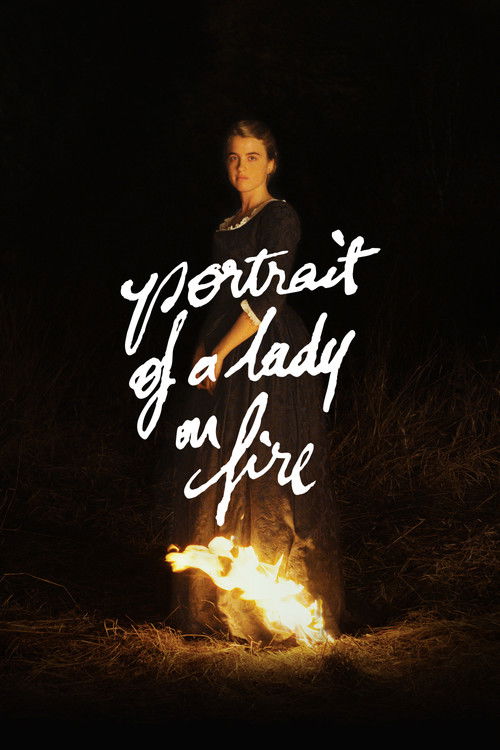
A painter and her subject fall in love while alone on an island in 18th-century France. Sensual, intelligent, formally beautiful, and about how love and art sustain each other. Quietly rapturous.
But Very slow, very focused on atmosphere and glances rather than plot. If you need external conflict, this won't provide it.
Pandora's Box1929
Made in the same German film culture, same era, same studio system. Berber appears in both—here as femme fatale, in Different from the Others in the tragic second act. The pairing reveals how cinema was grappling with sexual transgression before the Nazis erased it entirely.
Pabst's Weimar masterpiece about a woman destroyed by desire and circumstance, starring the magnetic Anita Berber (yes, the same actress). A howl of a film about power, sex, and social catastrophe. Mesmerizing and dark.
But Silent film with all the unfamiliarity that carries. The worldview is bleak. Berber's own tragedy makes watching her almost too much.

People
Cast
 Conrad VeidtPaul Körner
 Anita BerberElse Sivers
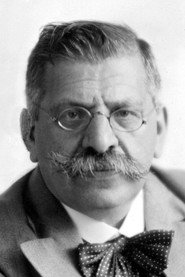 Magnus HirschfeldDoctor / Sexologist
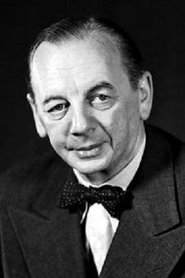 Reinhold SchünzelFranz Bollek
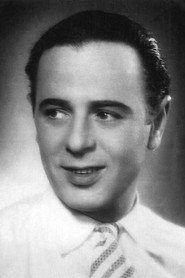 Fritz SchulzKurt Sivers
- Leo ConnardPaul's Father
- Ilse von Tasso-LindPaul's Mother
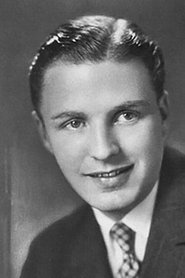 Ernst PittschauPaul's Brother
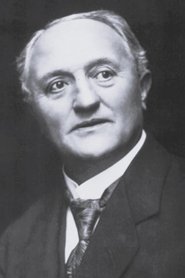 Wilhelm DiegelmannKurt's Father
- Alexandra WielleghPaul's Sister-in-law
- Clementine PlessnerKurt's Mother
 Helga MolanderFrau Hellborn
Directing
- Richard OswaldDirector
Writing
- Magnus HirschfeldWriter
- Richard OswaldWriter
Production
- Richard OswaldProducer