
Film
Drone
- Western
- Very dark
Drone is a compact documentary examining the CIA's covert drone operations, primarily in Pakistan. It presents voices from military operators, civilians affected by strikes, policy advocates, and critics to explore the moral and tactical dimensions of remote warfare. Accessible without being simplistic, it's essential viewing for anyone trying to understand a technology that has reshaped modern conflict.
Should you watch it?
Watch it if you want a plainspoken, interview-driven look at how remote killing is actually carried out and justified, and you're happy to sit with discomfort rather than be told what to think.
Skip it if you wanted a gripping thriller; this is a sober, talky film that gathers testimony rather than building suspense, and can feel like a briefing.
What it asks of you: Expect a brisk seventy-eight minutes of sitting still while people explain themselves, with the weight landing on your attention rather than on any cliffhanger.
Not sure? Find tonight's pick in a minute.
If you liked this
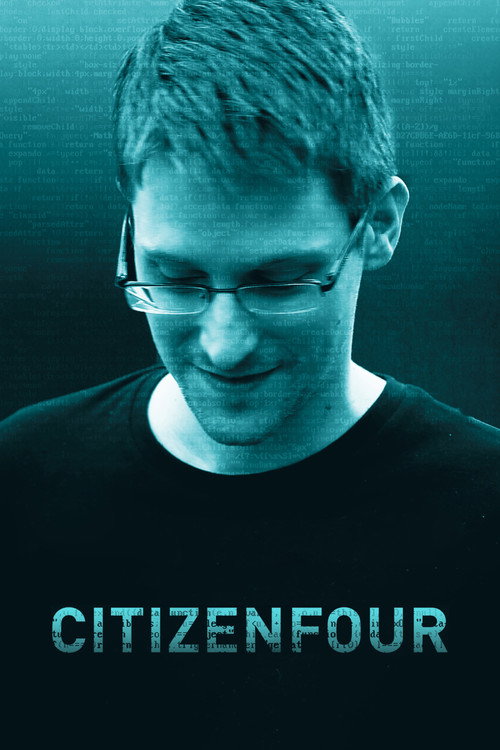
Citizenfour2014
Contemporaneous documentary about classified US surveillance programs and the whistleblower Edward Snowden. Shares Drone's focus on hidden government systems and the tension between security and transparency, but from an insider's perspective.
But Slower-paced and more claustrophobic than Drone. Long stretches in safe houses with limited visual variety may test your patience.
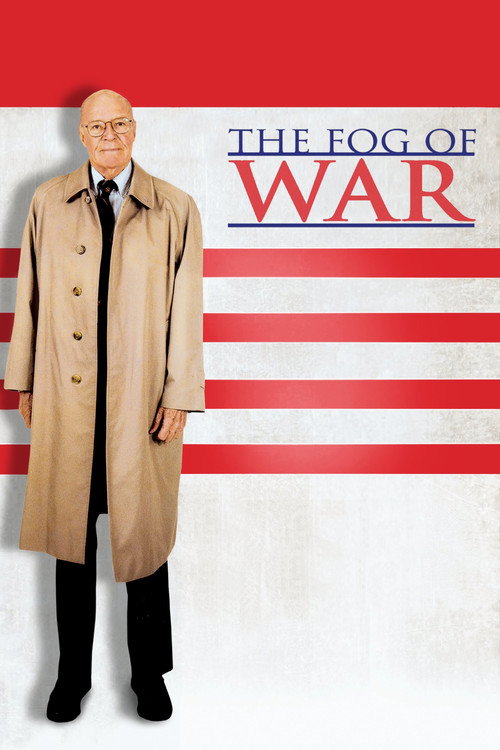
The Fog of War2003
Errol Morris's meditation on warfare and decision-making through the life of Robert McNamara. Same intellectual architecture as Drone—how do intelligent people justify lethal choices?—but with deeper historical context.
But Feels distant by comparison. McNamara's era of war is over; Drone is about the present moment.
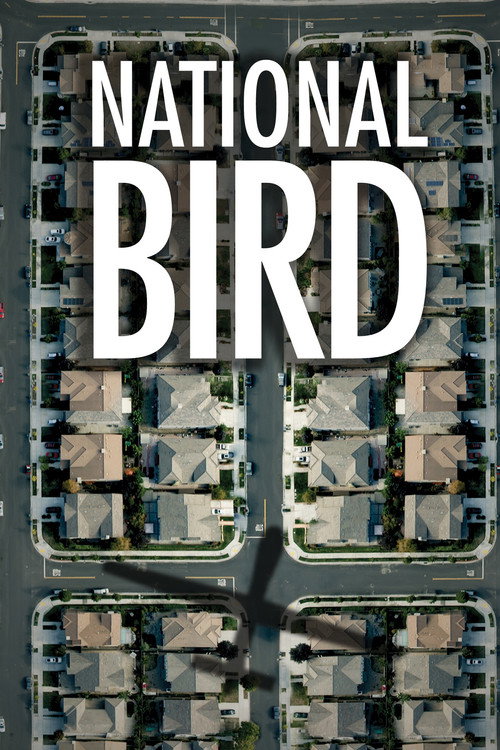
National Bird2016
Follows three US military veterans who operated drones and are now speaking publicly about their doubts. Drone presents the operators' perspective; this film goes deeper into their moral reckoning.
But Sometimes leans toward advocacy over investigation. The film wants you to reach a specific conclusion about its subjects.
Not sure tonight? Get a pick in a minute, starting from Drone
The wildcard
Something you would not have found on your own.
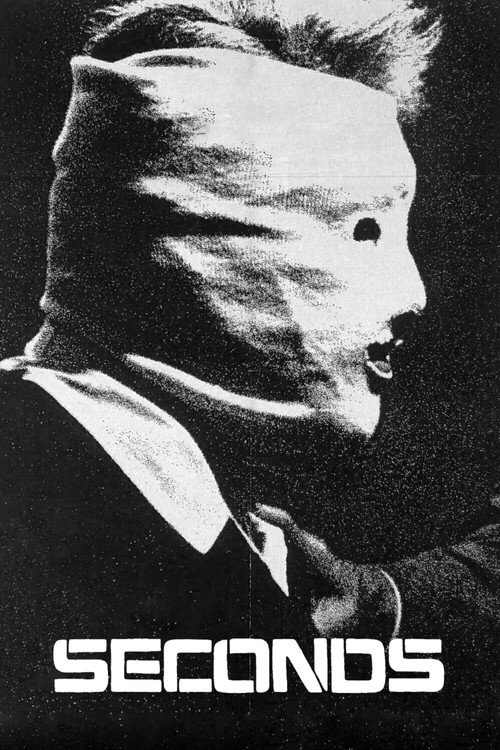
Seconds1966
Both explore the unreality that distance creates—how technology divorces decision-makers from consequences. Seconds asks what happens when observation becomes the point of existence; Drone shows what happens when observation justifies elimination.
Psychological thriller about surveillance and the loss of identity under observation. Not about drones, but structurally and morally identical to drone warfare: distant operators making life-and-death choices about people they don't know, with no accountability.
But Science fiction noir from 1966. The surveillance tech is dated, and if you want realism you'll be disappointed. Also deeply weird in ways that distract from the thematic parallel.
More like this (6)
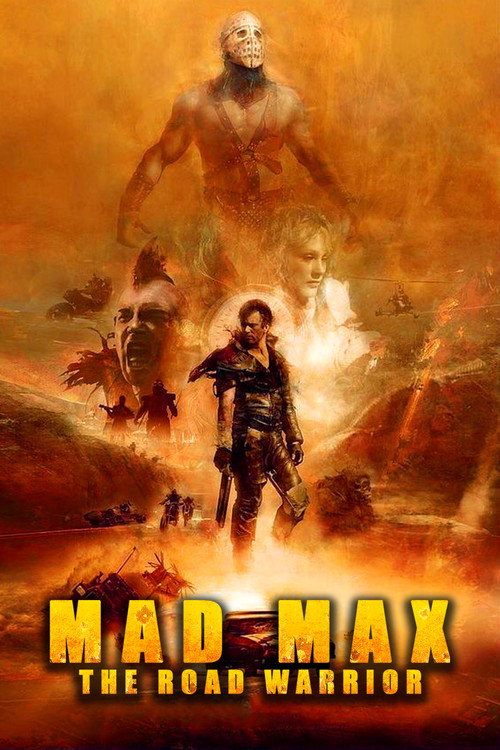
Mad Max 21981
Documentary about a leak of classified material on drone strikes in Afghanistan and Pakistan. Complements Drone by providing hard evidence of what classified programs actually do and cost.
But Dense and technical at times. Requires patience with bureaucratic detail to appreciate the significance.
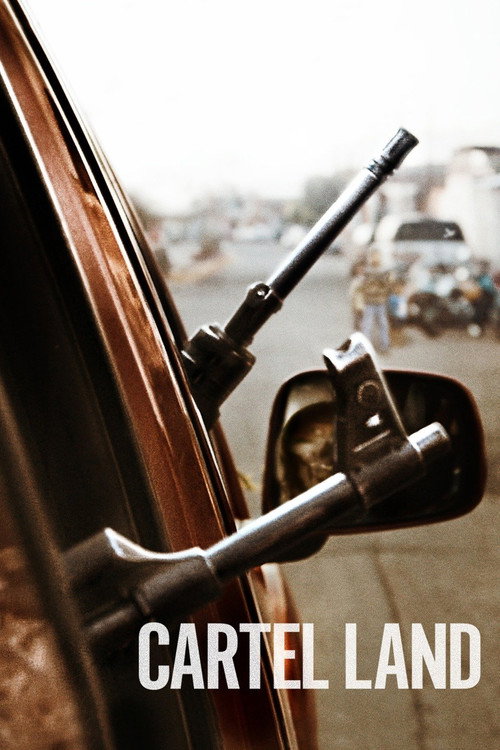
Cartel Land2015
Documentary about violence and vigilante response in Mexico and the US border. Examines how people respond to threats they feel the state won't address—a different technology, same questions about force.
But Visceral and at times chaotic. The parallel to Drone is thematic, not direct, and some viewers may find the shift in geography jarring.
Winter Song2023
Short documentary about a Pakistani family affected by drone strikes. Precise and intimate where Drone is broader. Shows exactly what Drone describes in aggregate.
But At 40 minutes, it feels slight if you've already seen Drone. Best watched as a companion piece, not a replacement.

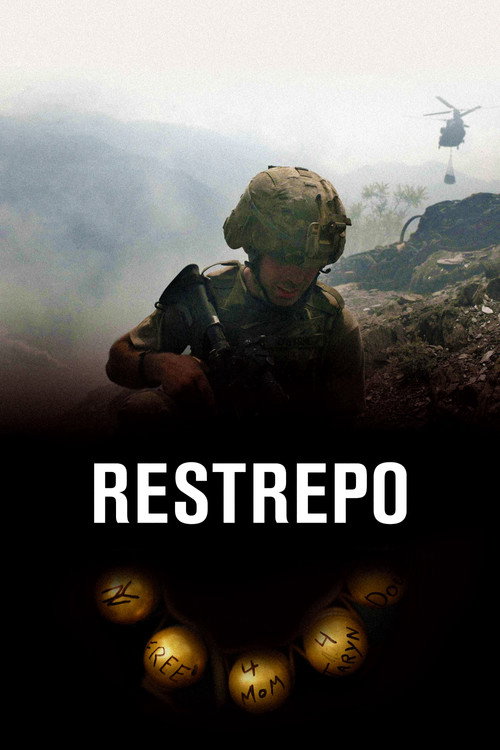
Restrepo2010
Embedded documentary following a US Army platoon in Afghanistan. Shows the ground-level experience of warfare that drone operators observe from above, offering crucial context for what Drone discusses.
But No explicit commentary or argument. You're watching combat footage without much interpretation, which some find either fascinating or frustrating.
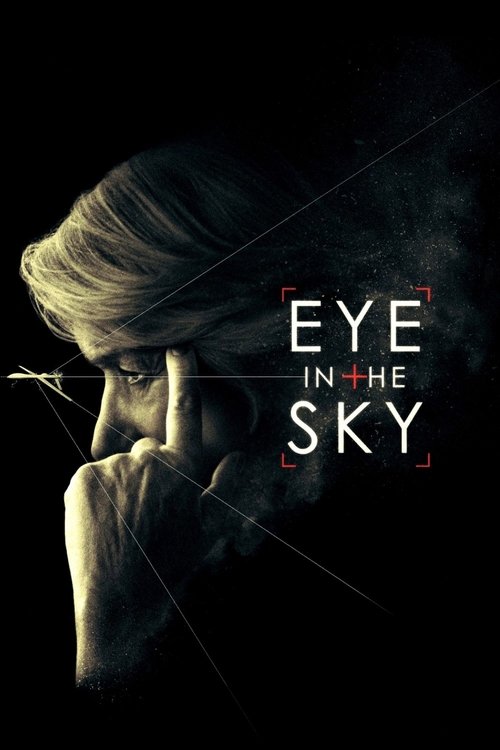
Eye in the Sky2015
Drone shows you how strike decisions actually happen; Eye in the Sky dramatizes the impossible moment when they're made. One informs the other.
Thriller centered on a drone strike decision in Nairobi. Unlike Drone, it's narrative fiction, which lets it compress the moral complexity into 104 minutes of genuine suspense. Helen Mirren is magnificent.
But Fiction simplifies. If you want granular policy analysis, this film trades that for dramatic tension. Also, it has a specific outcome, whereas Drone leaves you unresolved.
The Battle of Algiers1966
Drone documents a new technology grappling with an old moral question. The Battle of Algiers asks the same question about insurgency and state violence, but without the technology to hide behind. Each film clarifies what the other is really asking.
Revolutionary war film told from both sides—colonizers and colonized—about tactics, terror, and the moral calculus of violence. Not about drones or modern warfare, but about the exact same problem Drone faces: how to weigh civilian casualties against strategic necessity.
But Black and white, 1966, subtitled, and formally ambitious. No helicopters, no screens, no contemporary reference points. It's a historical film that demands patience and assumes you're thinking.

People
Directing
- Tonje Hessen ScheiDirector
Writing
- Tonje Hessen ScheiWriter
Production
- Sarah TareenAssociate Producer
- Lars LøgeProducer