
Film
Nine Lives
Nine interconnected stories of women navigating love, marriage, motherhood and disappointment. Deliberately episodic, anchored by an exceptional ensemble cast led by Glenn Close. It's meditative rather than dramatic, asking what we owe the people closest to us and what we owe ourselves. For patient viewers who prize character over plot.
If you liked this
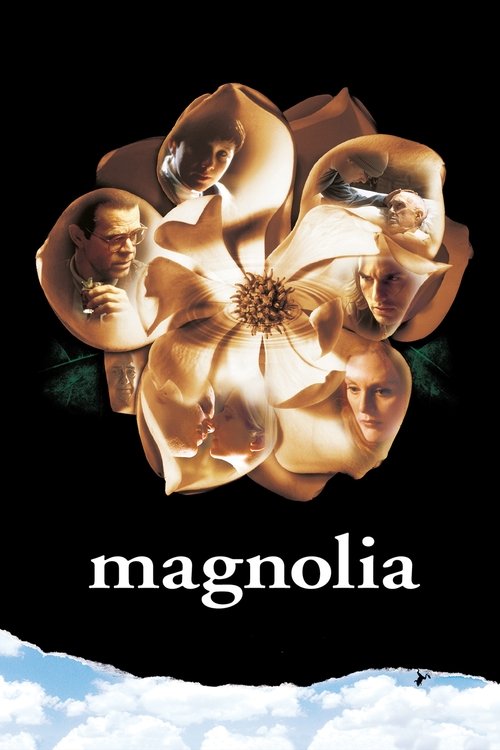
Magnolia1999
Interlocking narratives about pain, regret and human connection, held together by genuine emotional weight. Paul Thomas Anderson finds the profound in the ordinary, and the ensemble cast is staggering.
But Nearly three hours, deliberately slow-paced, and the tonal shifts won't work for everyone. Some find the structure gimmicky rather than moving.
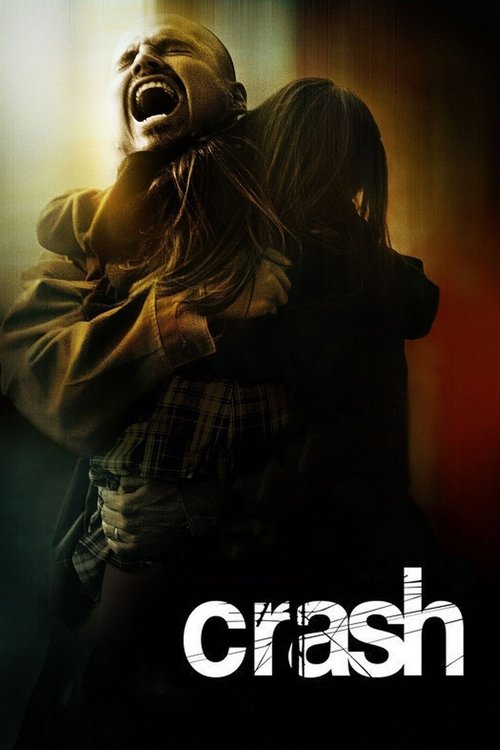
Crash2005
Multiple storylines in Los Angeles exploring race, prejudice and connection. Immediate predecessor to Nine Lives and made by some of the same team, so the DNA is visible.
But Heavy-handed about its themes and occasionally patronizing. Feels more didactic than lived-in, which undermines the character work.
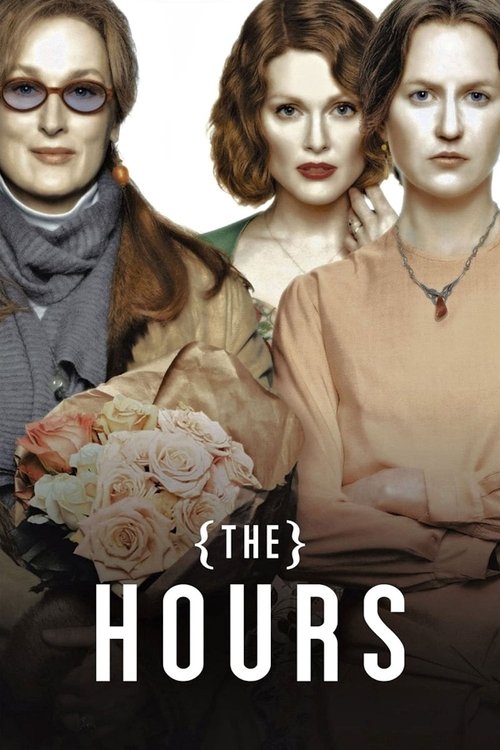
The Hours2002
Three women in different time periods, one day, interconnected by a Virginia Woolf novel. Nicole Kidman, Meryl Streep and Julianne Moore excavating the quiet crises of domestic life. Achingly smart.
But Cerebral and subdued. If you're looking for conventional dramatic arcs, you won't find them. Some find it more impressive than moving.
Not sure tonight? Get a pick in a minute, starting from Nine Lives
The wildcard
Something you would not have found on your own.
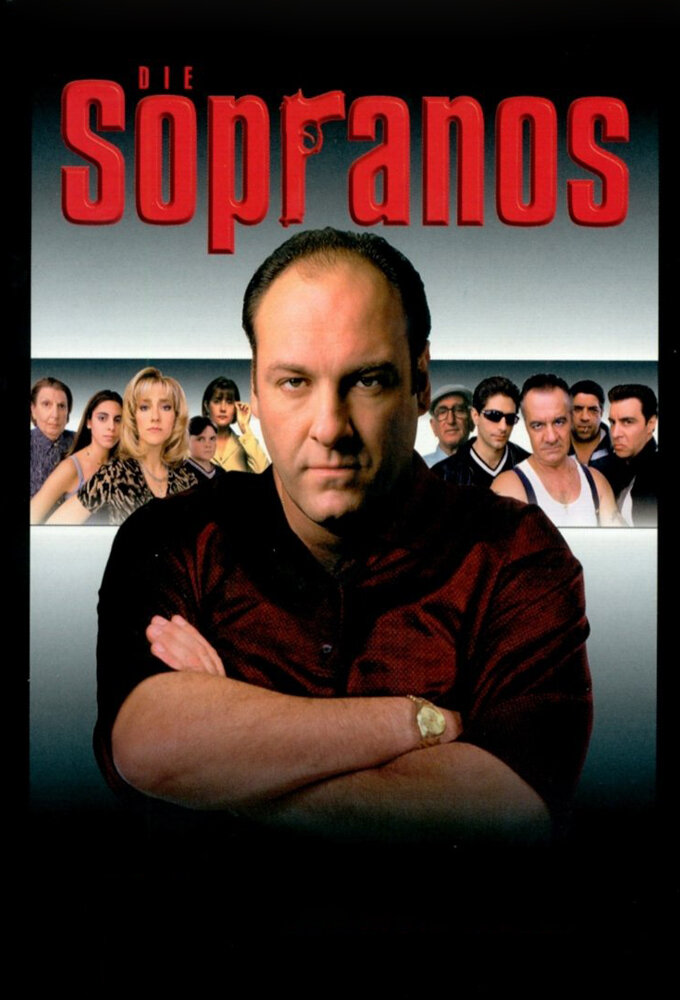
The Sopranos1999
Both refuse the comfort of narrative resolution. Nine Lives and The Sopranos believe that life is episodic, that people don't 'learn' or 'change' in neat ways, and that watching someone over time is enough.
Six seasons of interconnected character studies. Each episode is almost novelistic—you return to the same people and watch them fail and hurt each other in new ways. Television as intimate ensemble portraiture.
But Requires commitment. Nothing wraps up cleanly. The violence is abrupt and ugly, not cathartic. And the ending divides people viciously.
More like this (7)
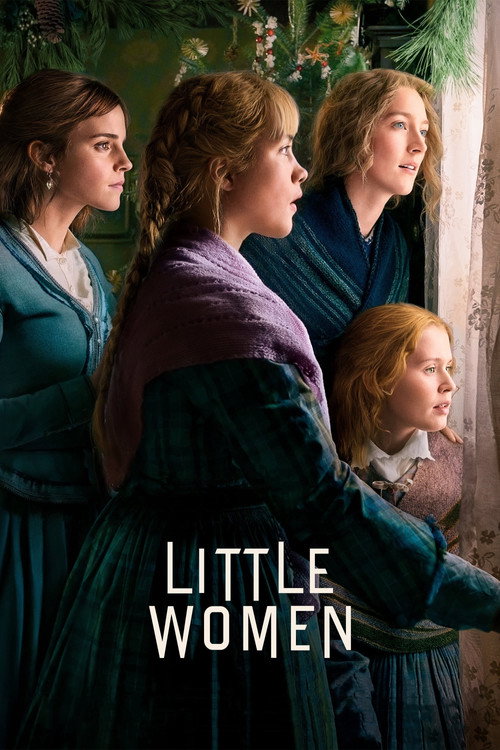
Little Women2019
Saoirse Ronan, Florence Pugh, Emma Watson and Eliza Scanlen as sisters navigating love, ambition and sisterhood. Greta Gerwig's adaptation is alive in a way period dramas usually aren't.
But Familiar story that's been adapted many times. If you already love the novel or a previous version, this needs to justify itself—and it does, but not for everyone.
Moonlight2016
Three chapters of one man's life, each isolated and intimate. Barry Jenkins' formal patience and the performances carve out space for quiet revelation and hurt.
But Deliberately paced to near-stillness. Some find the quietness inaccessible rather than contemplative. Not plot-driven.

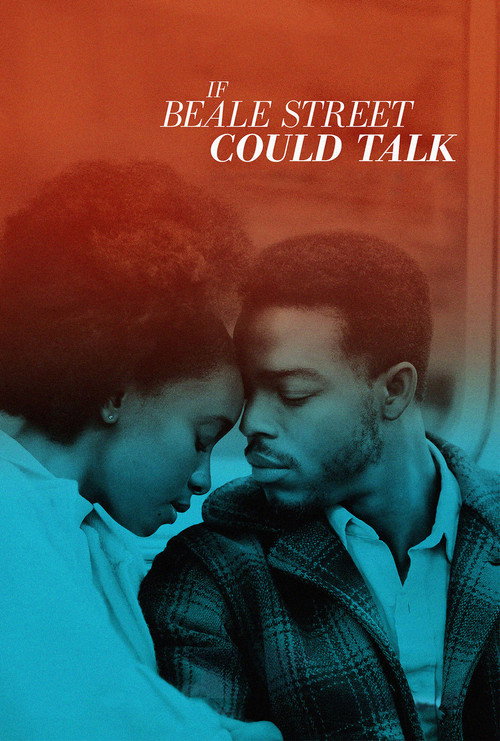
If Beale Street Could Talk2018
A love story that doubles as a portrait of systemic injustice, structured around grief and resistance. Barry Jenkins again—visual, deeply felt, about what we endure for people we love.
But The injustice at its core is real and ongoing. Some find the deliberate pacing distance-making. Slower than most want from a narrative film.
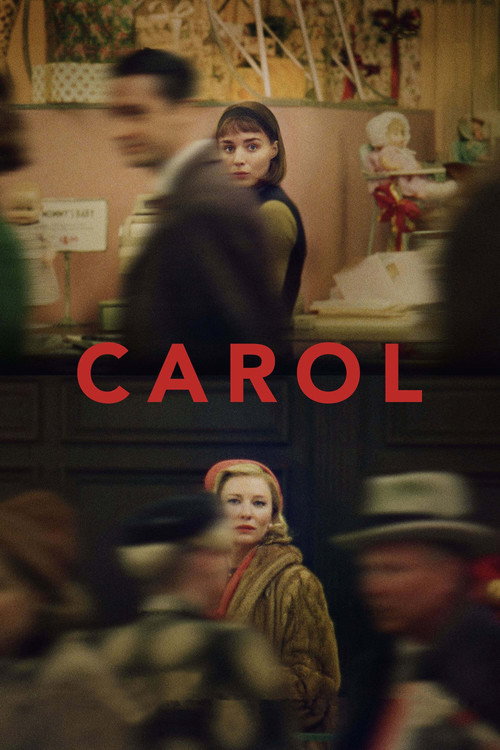
Carol2015
Two women in the 1950s, quiet and precise. Cate Blanchett and Rooney Mara finding everything unsaid. Todd Haynes makes restraint look like passion.
But Almost nothing happens. The emotional drama is entirely internal. If you need external stakes, you'll be frustrated.
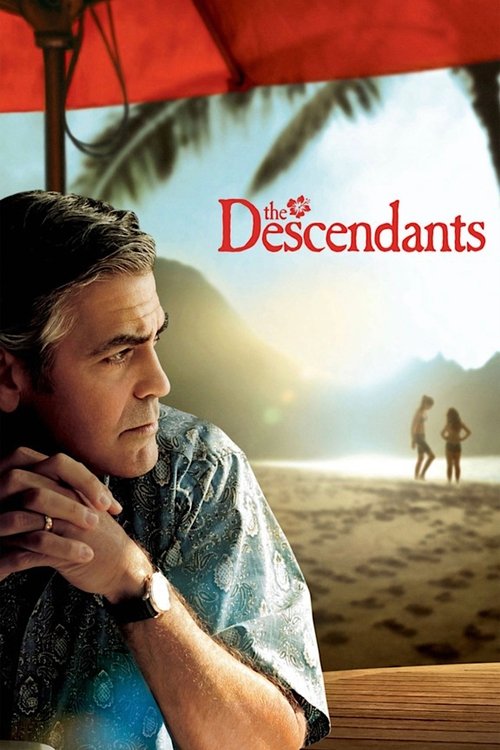
The Descendants2011
A family fractured by crisis, held together by flawed people doing their best. George Clooney leads an ensemble through grief and revelation with humor and genuine tenderness.
But Tonally uneven—it shifts between comedy and heartbreak in ways some find manipulative. The Hawaiian setting can feel like window dressing.
Synecdoche, New York2008
Both use fragmentation as form—multiple stories, multiple lives, the suggestion that no single narrative contains the truth. Both ask what we can actually know about the people we claim to love.
Charlie Kaufman's directorial debut: a theater director's life collapses into itself, real and unreal bleeding together. It's a puzzle box about art, love, and the impossibility of knowing anyone fully.
But Bewildering and self-indulgent. The structure is deliberately confusing, which some find brilliant and others find exhausting. Deeply weird.

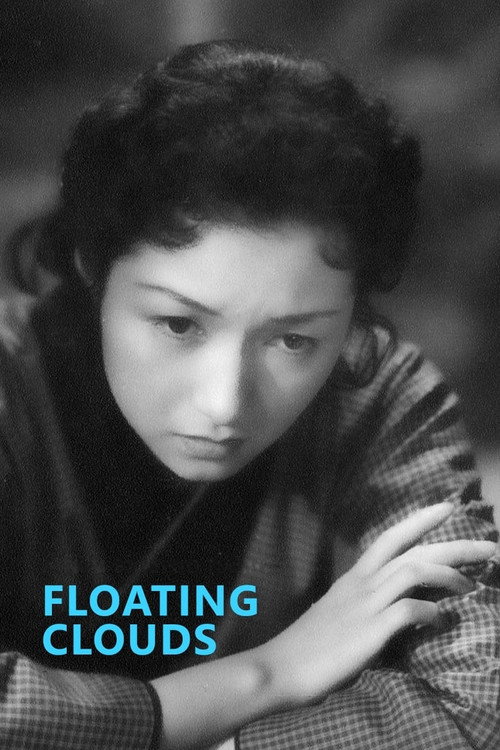
Floating Clouds1955
Both are structures built from accumulated small moments rather than plot events. Both suggest that the deepest dramas are internal, and that fidelity to character—showing up and watching—is the work.
Yasujiro Ozu's masterpiece: a woman and man reflect on their doomed love across their lifetime. Ozu shoots from low angles in static compositions, making every gesture monumental. Simple and absolutely devastating.
But Shot in 1955 Japan with subtitles and an aesthetic that could not be further from contemporary cinema. The pacing will feel glacial if you're not patient with it.
People
Cast
 Kathy BakerCamille
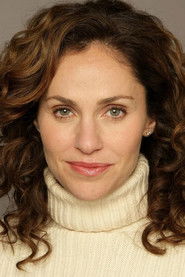 Amy BrennemanLorna
 Elpidia CarrilloSandra
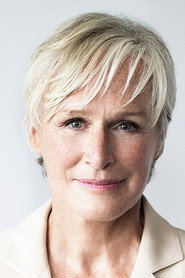 Glenn CloseMaggie
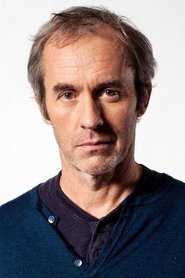 Stephen DillaneMartin
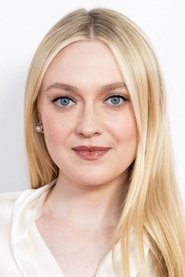 Dakota FanningMaria
 William FichtnerAndrew
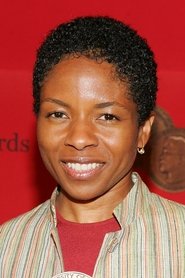 LisaGay HamiltonHolly
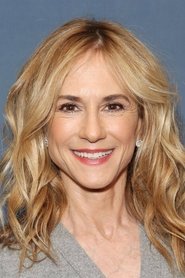 Holly HunterSonia
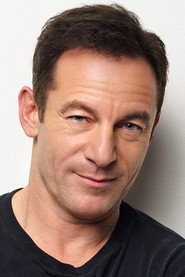 Jason IsaacsDamien
 Joe MantegnaRichard
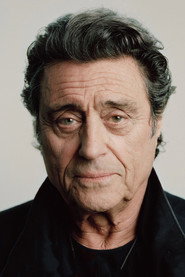 Ian McShaneLarry
Directing
- Rodrigo GarcíaDirector
Writing
- Rodrigo GarcíaWriter
Production
- Amy LippensAssociate Producer
- Kelly ThomasAssociate Producer
- Amy LippensCasting
- Alejandro G. IñárrituExecutive Producer
- Julie LynnProducer